Interview with Mexican trans activist Kenya Cytlaly Cuevas

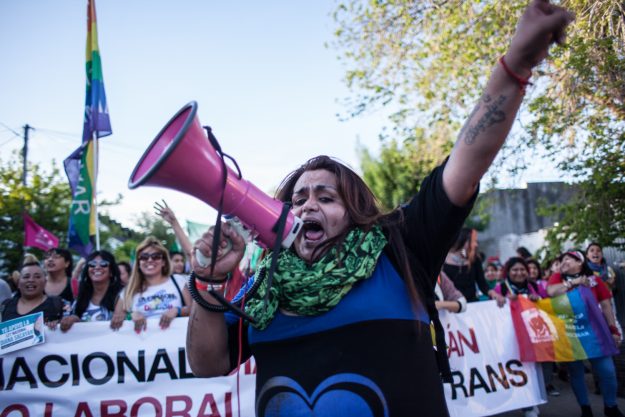
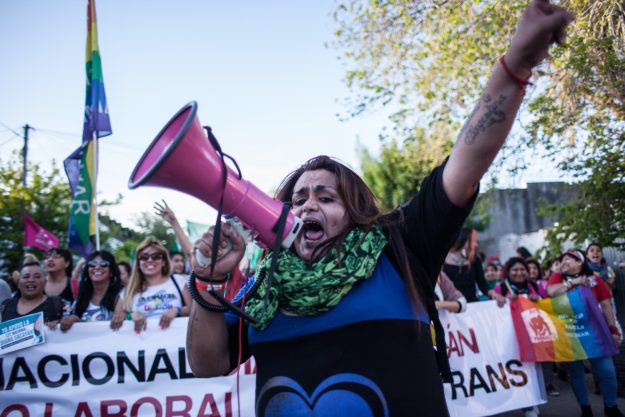
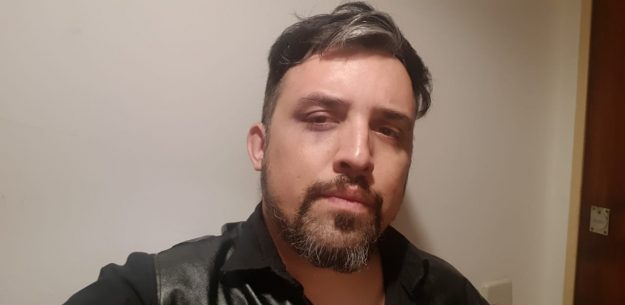
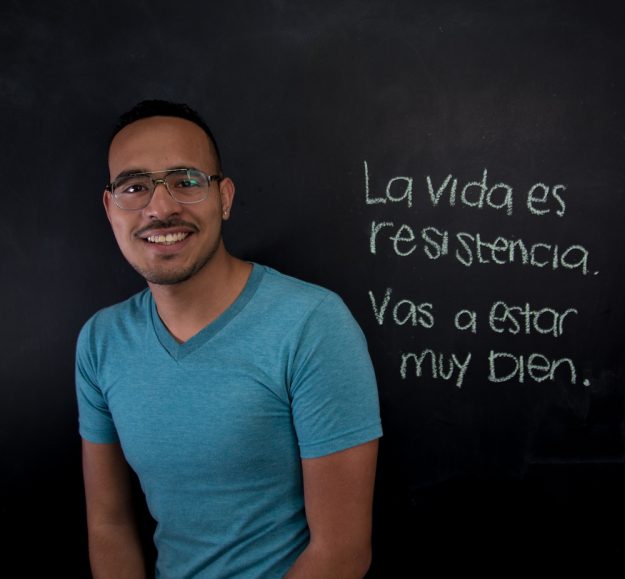
Ixchel Cisneros and Gonzalo Sánchez de Tagle, from the Mexican media outlet Anfitaz, welcomed Kenya Cytlaly Cuevas, a trans activist and founder of Casa de las Muñecas (House of Dolls), an organization that seeks to expand access to services for people experiencing homelessness, drug users, incarcerated individuals, people living with HIV, sex workers, and the LGBT+ community. In this #DerechoRemix podcast, they discussed the circumstances that led her to become a human rights defender, the case of Paola, and the negligence of authorities in addressing hate crimes against the trans community—an issue that urgently needs to be addressed and included on the institutional agenda as soon as possible.

What do we mean when we talk about "cis"?

The neologism and technical term "cisgender" was introduced in 1991 by the German psychiatrist and sexologist Volkmar Sigusch. Since "trans" identities existed, there also needed to be a way to name people who identify with the sex assigned to them at birth. The prefix "cis" (which comes from Latin) means "this side" or "on this side."

She is a family court judge and the mother of a trans girl: "I lived with many gender stereotypes"

Luisa Hernández is a family court judge. After a long and difficult process, she was able to adopt a six-month-old baby with a disability and little chance of ever learning to walk. Today, Josefina is 11 years old, a trans girl who has undergone numerous diagnoses, walks, and challenges Luisa daily, making her question her own beliefs and convictions.

She is a family court judge and the mother of a trans girl: "I lived with many gender stereotypes"

Luisa Hernández is a family court judge. After a long and difficult process, she was able to adopt a six-month-old baby with a disability and little chance of ever learning to walk. Today, Josefina is 11 years old, a trans girl who has undergone numerous diagnoses, walks, and challenges Luisa daily, making her question her own beliefs and convictions.

#MeQueer is viral: LGBTI+ people from all over the world are denouncing violence and abuse

Photo: Josean Rivera. For more than 24 hours, thousands of LGBTQ+ people have been denouncing stories of discrimination and harassment, as well as the violence and suffering of living in the closet. Under the hashtag #MeQueer, a can of worms has been opened, similar to #MeToo or the Hispanic and Latino #NoNosCallamosMás (We Won't Be Silent Anymore). The initial tweet was from Hartmut Schrewe, a…