


Toolbox: How to communicate about HIV and AIDS without stigma
We provide you with a guide containing some definitions to help you better understand the situation surrounding HIV and AIDS.
 Support us
We provide you with a guide containing some definitions to help you better understand the situation surrounding HIV and AIDS.
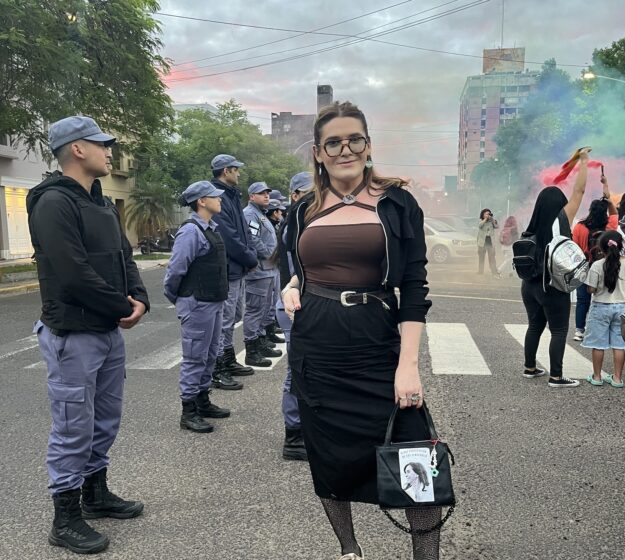
Julieta is an activist, trans communicator, and president of Fuerza Transfeminista Argentina (Argentine Transfeminist Force). She is participating in the 38th Plurinational Meeting of Women, Lesbians, Transvestites, Trans, Intersex, and Non-Binary People in Corrientes. And she tells us how she sees it.
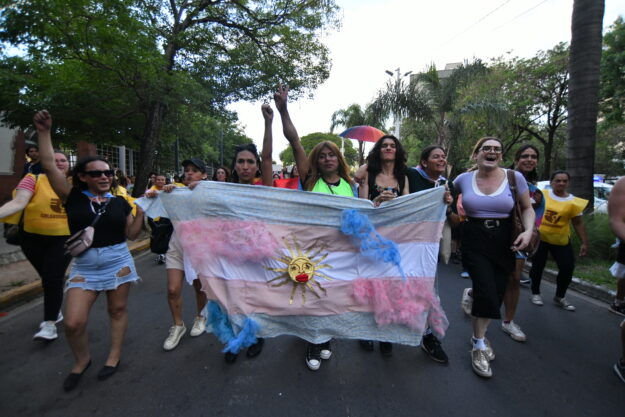
At this 38th Plurinational Gathering, thousands of women and LGBTQ+ people filled the streets and hotels of Corrientes. The main themes were protesting setbacks in public policies, demanding more rights, and defending sovereignty. The first day featured a march against the murders of trans women, trans people, and lesbians.
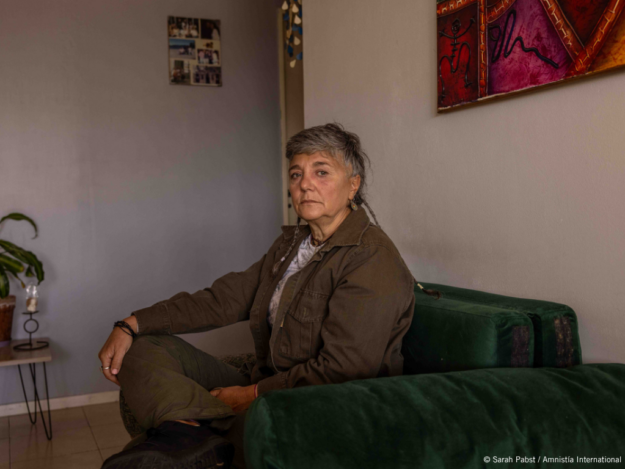
Ale's case illustrates how non-binary older adults face obstacles that violate basic standards of equality. In line with the "Age Strong" campaign, their story challenges a state that still needs to guarantee that identity and old age are not grounds for discrimination, but rather protected aspects of life.

The anti-trans wave is drastically impacting access to sports. The International Olympic Committee (IOC) is planning regulations for 2026 that would limit the participation of trans, intersex, and cisgender women under the pretext of an alleged "unfair advantage," without any evidence.

Dani Umpi—writer, visual artist, and singer—revisits Perfecto, his first album. Twenty years after his musical breakthrough, he celebrates between the two shores and looks, as always, to the future.

The Presentes news agency was invited by Senator Eugenia Duré to analyze the situation of diverse groups in Argentina. Those present included Micaela García's parents, economist Mercedes D'Alessandro, and city councilwoman Eva Mieri.

The iconic band for sexual diversity returned to the stage after a much-needed hiatus. Why it's better not to be confined to a single musical genre, and what music means to them.

The first chapter of the book Nobody Teaches You How to Be a Faggot, by Lucas Fauno. An excerpt from an essential biography.

The Court of Appeals' ruling overturns Judge Walter Saettone's decision. Three of the police officers are accused of aggravated homicide motivated by gender-based hatred.