

Against homonationalism: solidarity with Palestine
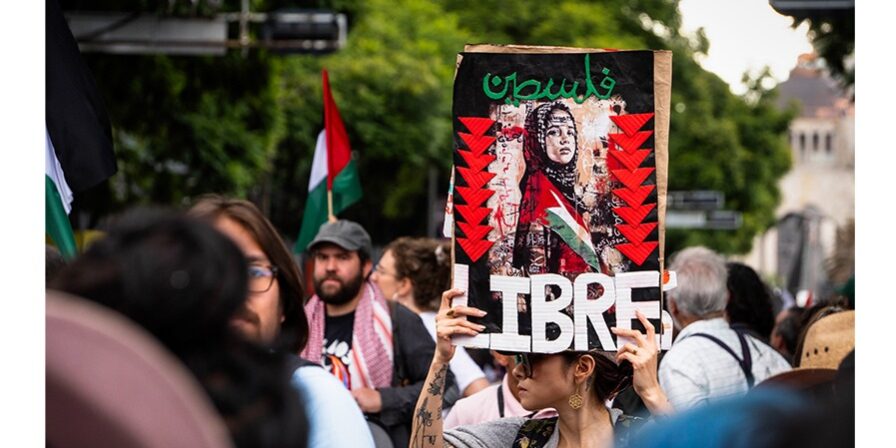
"We will never allow our history and our Pride to justify the suffering of others," writes Raúl Caporal. This is in reference to Palestine and based on Casa Frida's experience working with LGBTQ+ refugees.


Share

MEXICO CITY. In 2007, scholar Jasbir K. Puar introduced the concept of homonationalism (a portmanteau of homosexuality and nationalism) in her book Terrorist Assemblages: Homonationalism in Queer Times. She used it to explain how some states partially integrate certain sectors of the LGBTQ+ community into a national project. They do so by presenting themselves as proof of modernity and democracy, in contrast to “other” peoples supposedly “backward,” barbaric, or incompatible with sexual and gender diversity.
This mechanism is not innocent: it turns our identities into tools to legitimize racist, militaristic, and colonial policies. Under this logic, we are told: “You are welcome in the nation. As long as you adopt its enemies as your own.” It is a conditional agreement that transforms our struggles into propaganda. And it forces us to choose between our own dignity and solidarity with other oppressed peoples.
If we look closely, homo-nationalism is not limited to the cases of Israel and Palestine, where the discourse of LGBTQ+ rights has been used to mask the violence of occupation and apartheid through pinkwashing. We also see it at work in Mexico. In both countries, we are repeatedly told that “we have already made great progress” and that our task now is to safeguard this supposed progress by maintaining loyalty to the national project.
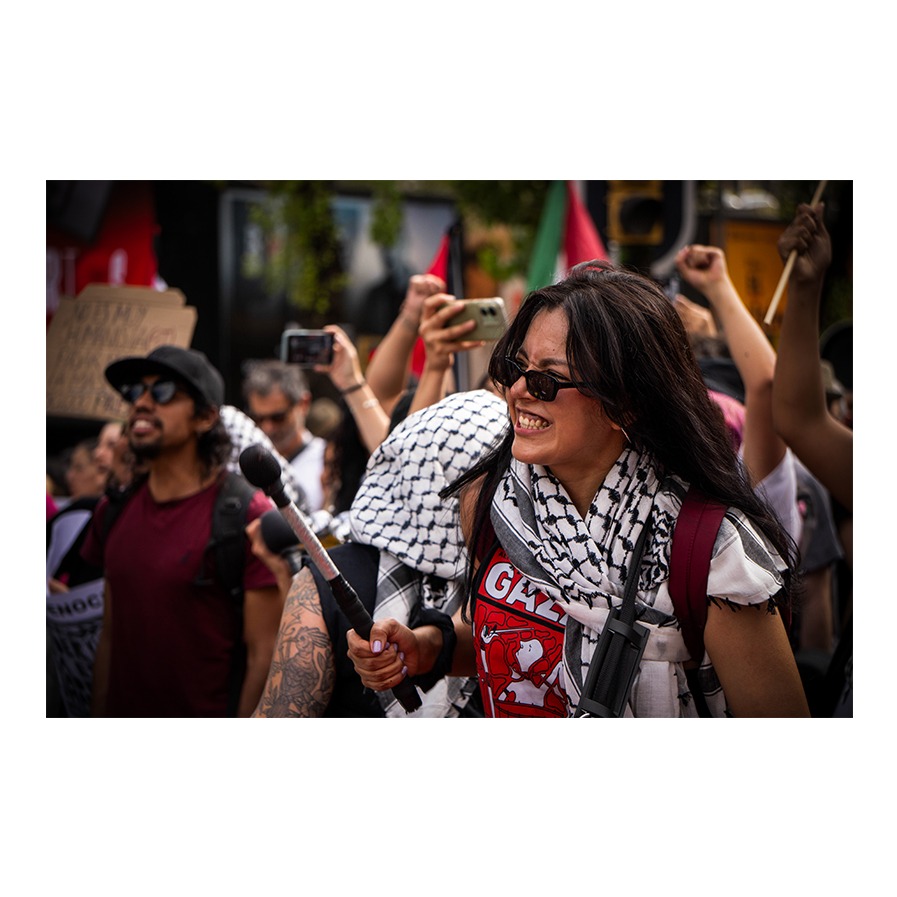
We are pushed to think that our security depends on reproducing borders, on distrusting the foreigner, the migrant or the refugee, even when that person is also LGBTIQ+ and is fleeing precisely from the violence that we know from our own experience.
The clearest example of this tactic was seen recently during Pride Month. Israel, through its diplomatic missions in several countries, invited LGBTQ+ activists from around the world to visit Tel Aviv and participate in the march. The objective was to demonstrate, through the prestige and social capital of these individuals, that Israel is a “hospitality-friendly” state, thus seeking to legitimize itself as a bastion of democracy and freedom in the Arab region. On that occasion, their propaganda effort failed, as a major Iranian offensive that day forced the suspension of activities, placed the local population on high alert, and required the Israeli guests to return home.
We were also labeled as undesirable.
InMexico, this logic has served to discourage our own community from showing solidarity with LGBTQ+ refugees. We are led to believe that they are “opportunists,” that they “don’t come to contribute,” or that they “bring homophobic cultures with them.” This discourse seeks to make us forget thatwe, too, in our history, were labeled a threat to the nation, infiltrators, undesirables. It is the same prejudice in a different guise; even today, few organizations explicitly include the defense of LGBTQ+ migrants and displaced people as part of their agendas. Why?
Homo-nationalism is not just a theory: it is a concrete practice that threatens to rob us of something fundamental. It steals our empathy, isolates us, and convinces us that liberation is an individual matter of “winning rights” rather than a collective task of building safe communities for all people. In doing so, it erodes the very root of what has been our strength: solidarity.
Our Pride was not a gift from power
As an LGBTQ+ community, we know that our Pride story was never a gift from those in power. It was the result of organizing, of disobeying, of reaching out to those who needed it most. Nothing we celebrate today would have been possible if we had accepted silence in the face of state violence or if we had abandoned solidarity with one another. Therefore, I affirm: Our Pride will never be used as a banner to justify wars, occupations, or blockades. Our rainbow flag can never be flown over the suffering and ruins of other peoples.
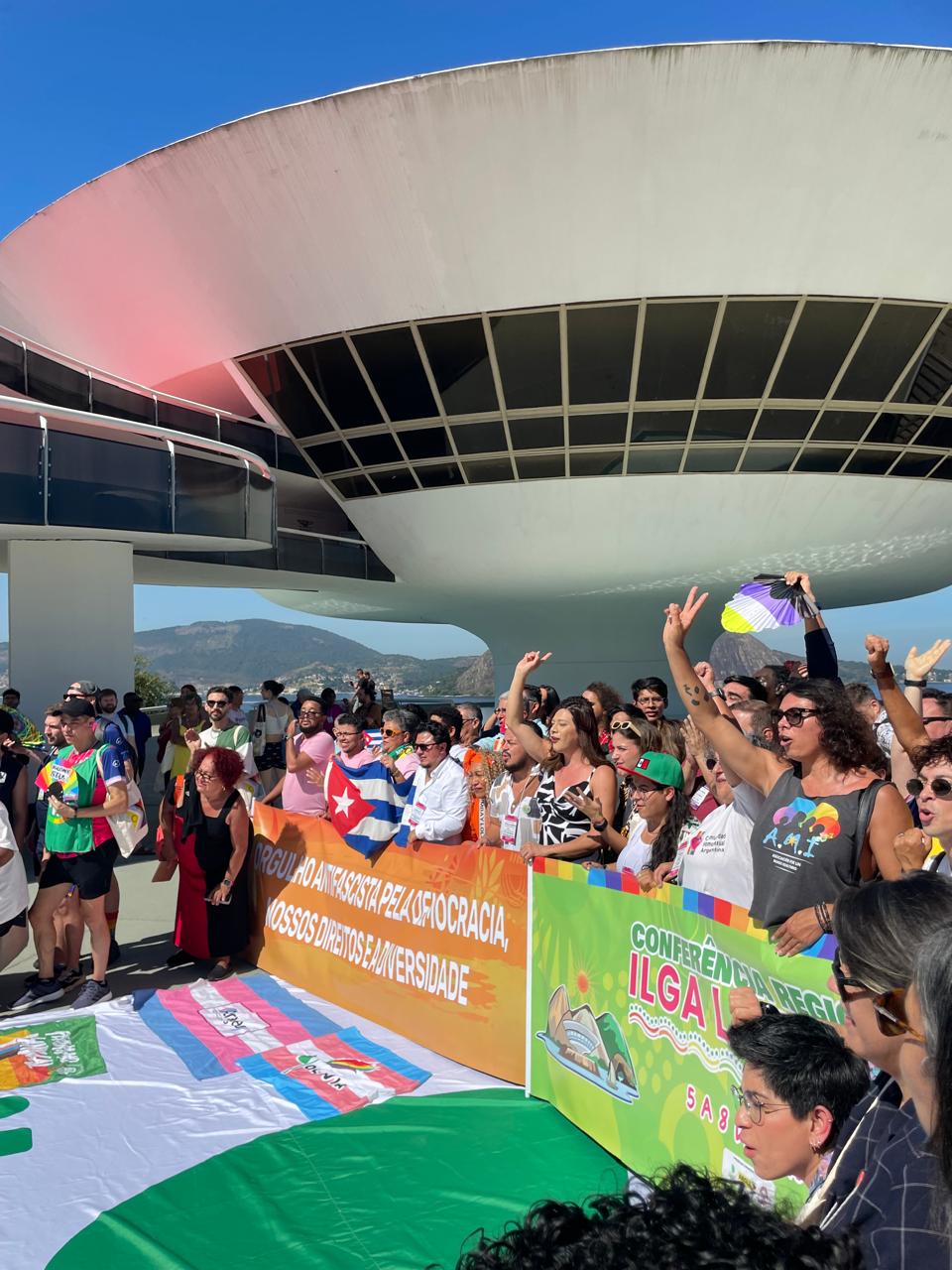
I say this from concrete experience. At Casa Frida, the LGBTQ+ shelter we founded in 2020, we have welcomed internally displaced people, migrants, and refugees fleeing unbearable violence. We have listened to their stories of fear, exile, and displacement. And we have also seen how, when they encounter solidarity and care, these same people regain their dignity and strength, energizing and contributing to our nation.
Another way of relating to each other is possible
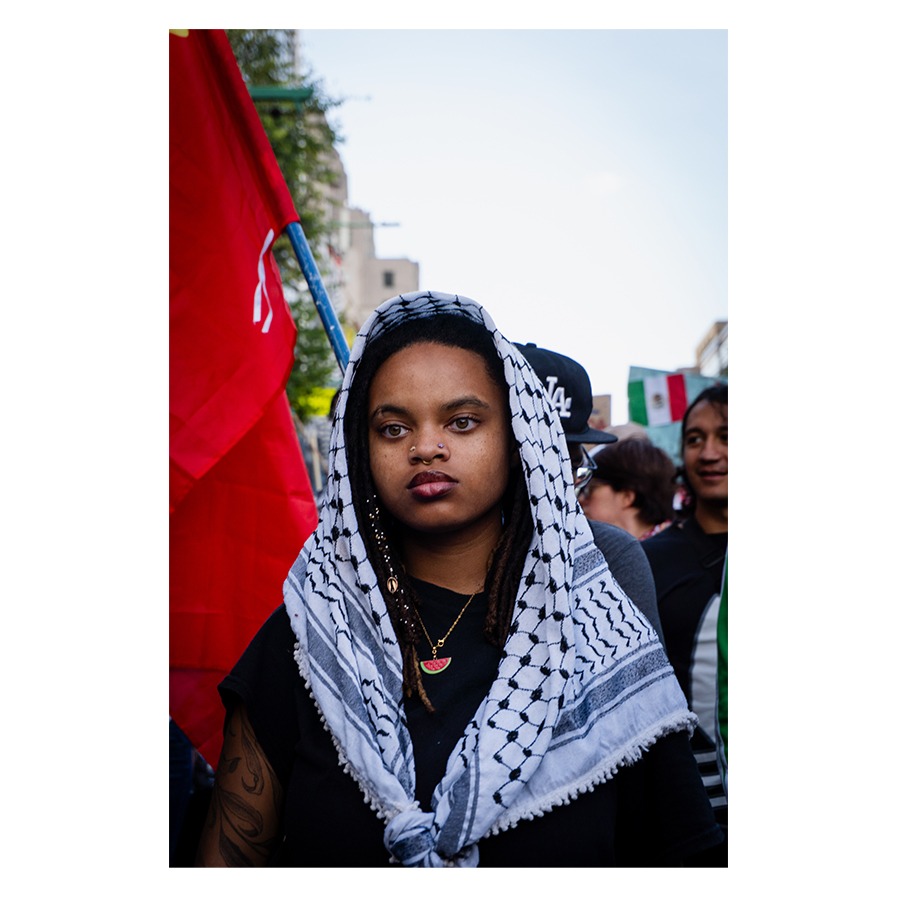
Casa Frida is proof that another way of relating to each other is possible: that far from closing ourselves off in borders or reproducing narratives of exclusion, we can weave community from recognition and empathy.
When I defend the lives of the Palestinian people, I don't do so despite being gay or an LGBTQ+ activist: I do it precisely because I am. Because my identity and my history have taught me not to accept narratives that turn fear into an excuse to justify violence. Because I know that no one is free unless we are all free.
Our Pride is made of memory, resilience, and radical tenderness. And there is no greater betrayal of that Pride than allowing it to be used to legitimize wars. Today, faced with the suffering of Palestine and the suffering of every LGBTQ+ person forced to flee their home, I want to reaffirm: We will never allow our history and our Pride to be used to justify the suffering of others. Our Pride is, and always will be, synonymous with solidarity and shared freedom.
Raúl Caporal is the president of the Council for Casa Frida. He is a lawyer and consultant specializing in human rights and the protection of human rights defenders.
We are present
We are committed to journalism that delves into the territories and conducts thorough investigations, combined with new technologies and narrative formats. We want the protagonists, their stories, and their struggles to be present.
SUPPORT US

FOLLOW US
Related notes


We are present
This and other stories are not usually on the media agenda. Together we can bring them to light.