

Antifascist pride at the largest LGBTQIA+ gathering in Latin America and the Caribbean
The antifascist Pride movement convened the largest regional conference on sexual diversity in Niteroi, Rio de Janeiro. Against a backdrop of escalating anti-rights offensives, more than 350 people analyzed strategies for defending a democracy with rights for all.


Share

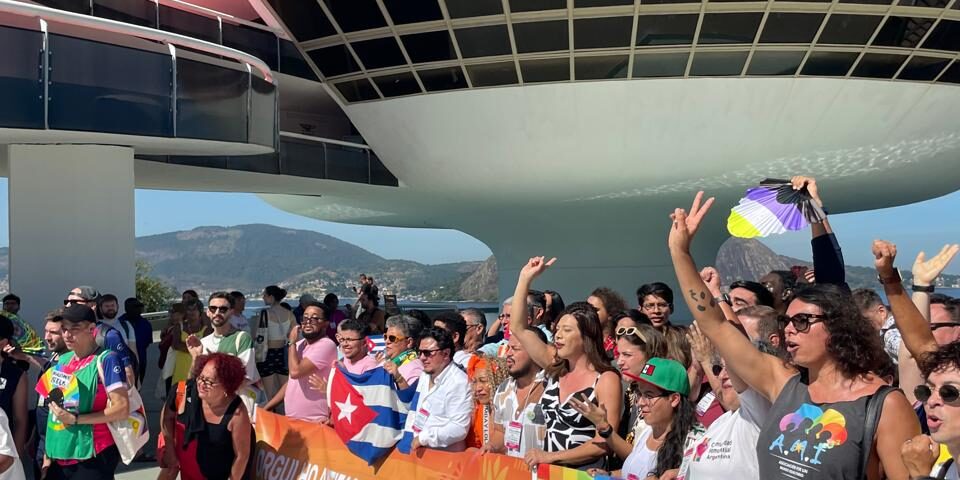
"Antifascist pride for democracy, for our rights, and for diversity." This slogan, a response to the anti-rights wave advancing regionally and globally, motivated more than 350 people to travel to Rio de Janeiro and cross the longest bridge in South America (connecting that city with Niteroi) to participate in the 10th ILGALAC Regional Conference (International Lesbian, Gay, Bisexual, Trans and Intersex Association for Latin America and the Caribbean) at a crucial moment of regional and global political dispute.
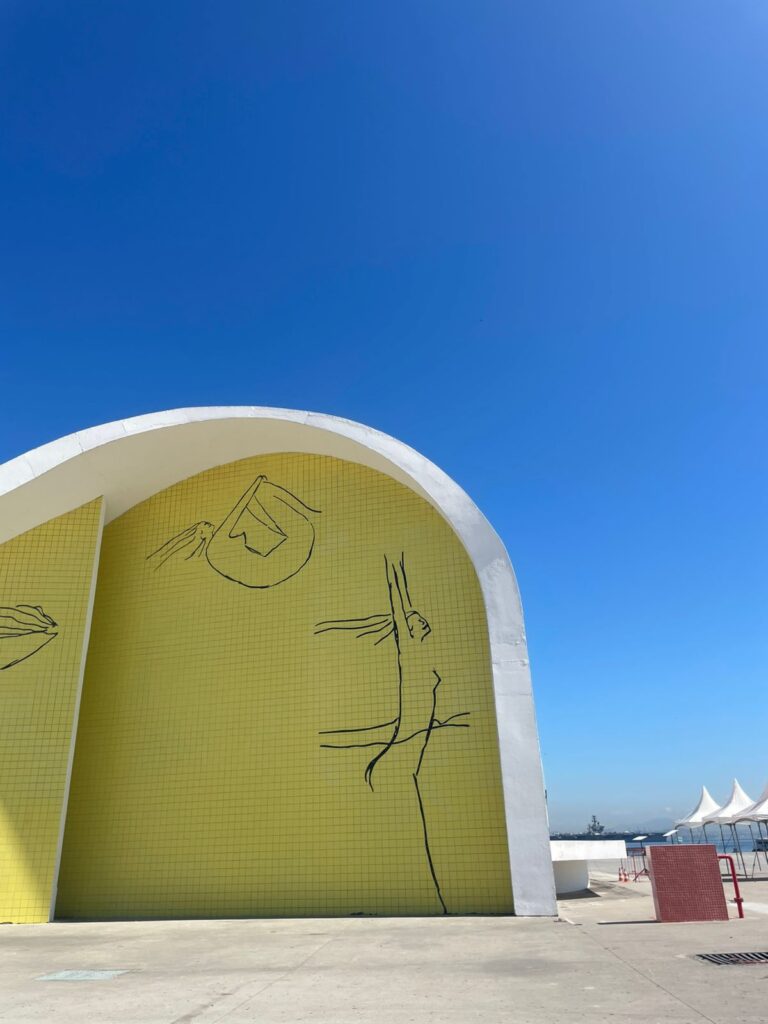
Sexual diversity and human rights activists, social, territorial, and labor organizations, feminist groups, researchers, teachers, members of international organizations, and journalists gathered in Niterói from May 5th to 8th. During those days, the halls with undulating ceilings and curved walls of the Oscar Niemeyer Center—a complex of modernist buildings designed by the famous Brazilian architect on the waterfront—became a key stage for the antifascist, antiracist, anti-ableist, and anti-imperialist struggle.
In defense of democracy
The ILGALAC Conference was initially scheduled to take place in El Salvador, as voted at the La Paz conference in April 2023. However, it had to be rescheduled due to the human rights crisis in that country under the government of Nayib Bukele. Attendees from that Central American nation requested anonymity for security reasons.
The change of venue was made possible thanks to the last-minute efforts of the two host organizations: ABGLT – the Brazilian Association of Lesbians, Gays, Bisexuals, Transvestites, Intersex and LGBTI collectives of the Landless Rural Workers Movement (MST). “We are infinitely grateful to them; they are living proof of the brotherhood that sustains our region,” said the organizers, led by Ari Vera Morales and Darío Arias, regional co-secretaries of ILGALAC, the sexual diversity organization that is part of ILGA WORLD and includes more than 300 organizations and 24 countries across our continent.
Some of the questions that resonated most during those days were: What are the main challenges to democracy and human rights agendas? Why is it urgent to unite the struggles of different populations who are victims of attacks, in many cases, as in Argentina, orchestrated by governments? How do postcolonial elites operate? What can we do to prevent the fragmentation fostered by this neoliberal and neofascist model? And above all: How can we link and strengthen the struggles of sexual diversity, making them truly intersectional, addressing the root causes of all oppression, and collectively forging an alliance for social justice and rights for all?
A conference on the global map
The Regional Conference served as a hub for political coordination toward this objective at a time when more and more countries are attempting to restrict rights, cut budgets, defund public policies that protect vulnerable groups, and stigmatize sexual diversity, along with other identities. In Niterói, in addition to the Latin American and Caribbean LGBTIQ+ movement, human rights activists from the region, Brazilian officials, and representatives from international organizations converged. Among them were the UN Independent Expert on protection against violence and discrimination based on sexual orientation and gender identity, Andrea Pochak, Vice President of the Inter-American Commission on Human Rights; Julieta Rossi of the UN Committee on Economic, Social and Cultural Rights; and Simmy Larrat, National Secretary of LGBTI Policies of the Brazilian Federal Government.
The Conference was supported by the Federal Government, and various officials participated throughout the four days. Some wanted to be there simply as listeners: the Conference is a space for dialogue and intersectional alliances, for the exchange of knowledge, and for building strategies of resistance. From Agencia Presentes, we participated in a panel on communication, speaking with journalists from Brazilian media outlets.
Identity is political
The first day there was an opening ceremony and thanksgiving to the ancestors, with dance, drums and orixa songs, led by local communities and the host organizations.
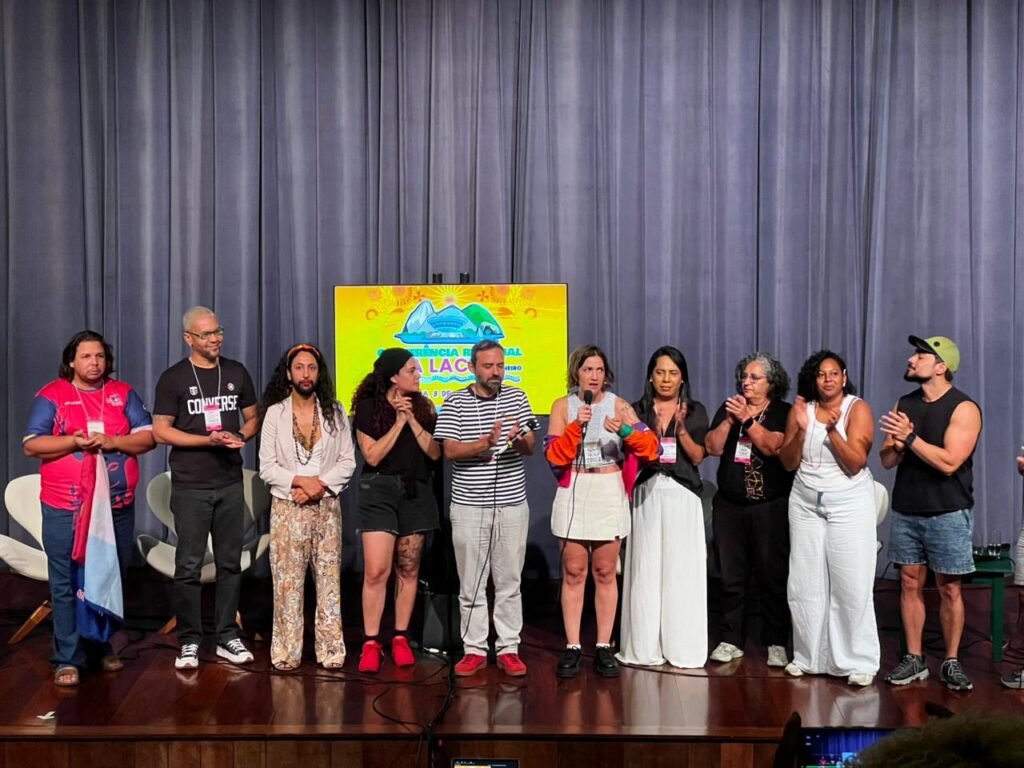
The institutional welcome plenary session was attended by members of ILGALAC, ILGA World, and host organizations. Among them were Ari Vera Morales and Darío Arias, regional co-secretaries of ILGA LAC. “From the LGBT movement, we face the challenge of building anti-racist, anti-ableist, and anti-fascist feminisms. And there are no feminisms without trans people,” said Darío Arias, who also emphasized the right to self-determination of peoples. Ari Vera called for strengthening organizations at this moment in the world when so many of our comrades are attacked with violence and hate speech. “The LGBT movement cannot be conceived of in isolation. And today, Brazil is the capital and heart of Latin American and Caribbean pride,” they stated.

Also present were Yuri Guaiana, co-secretary general of ILGA World, and Bianka Rodríguez, executive director of ILGALAC. From Brazil, Víctor De Wolf, president of ABGLT, and Luana Oliveira, coordinator of the LGBTI+ Collective of the Landless Rural Workers Movement, both members of the ILGALAC Regional Council.
For the self-determination of peoples
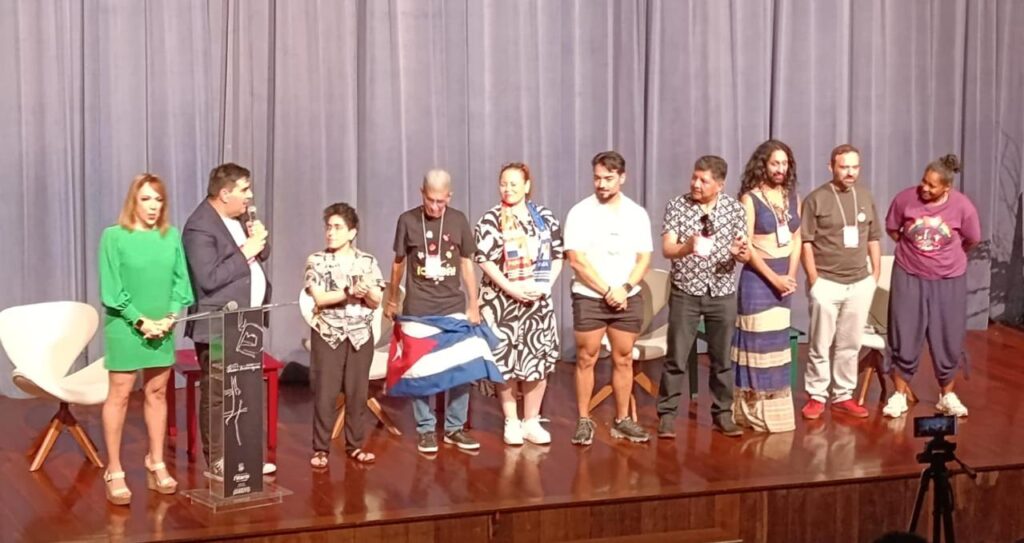
At the start of the Conference, one of the first activities was a space for solidarity with Cuba and a statement in support of safeguarding the self-determination of peoples. The blockade imposed by the United States government was condemned. Members of community social networks from the National Center for Sex Education (CENESEX). “Cuba is not alone” was heard several times throughout the Conference. A Latin American and Caribbean LGBTTTQIANB+ Committee of Solidarity with Cuba was also presented. There were also statements against the United States military intervention in Venezuela and condemnations of the genocide in Gaza.
Also at the beginning, there was a tribute, “Marielle Franco Lives!: Tribute and Recognition of Mónica Benício’s Struggle.” Organized by the Network of Lesbian and Bisexual Women’s Organizations of Latin America and the Caribbean, it was attended by Mónica and representatives of lesbian and bisexual groups from the region.
Migration was another topic at the opening. A meeting organized by the Regional Network for Human Mobility LGBTIQ+ LAC convened the panel “First migrants, then LGBTIQ+: how the new right and neoconservatism construct their enemies.”.
The Teatro Popular and the halls of Camino Niemeyer were transformed into an antifascist capital. Rainbow flags, representing each of the diverse identities, flew alongside the flags of Latin American countries. Members of organizations from each country described the progress and setbacks faced by those who know the territory and the violence and exclusion experienced daily by urban, rural, Indigenous, disabled, and migrant LGBTQ+ people. They also explained how these identities intersect and amplify the barriers they confront.
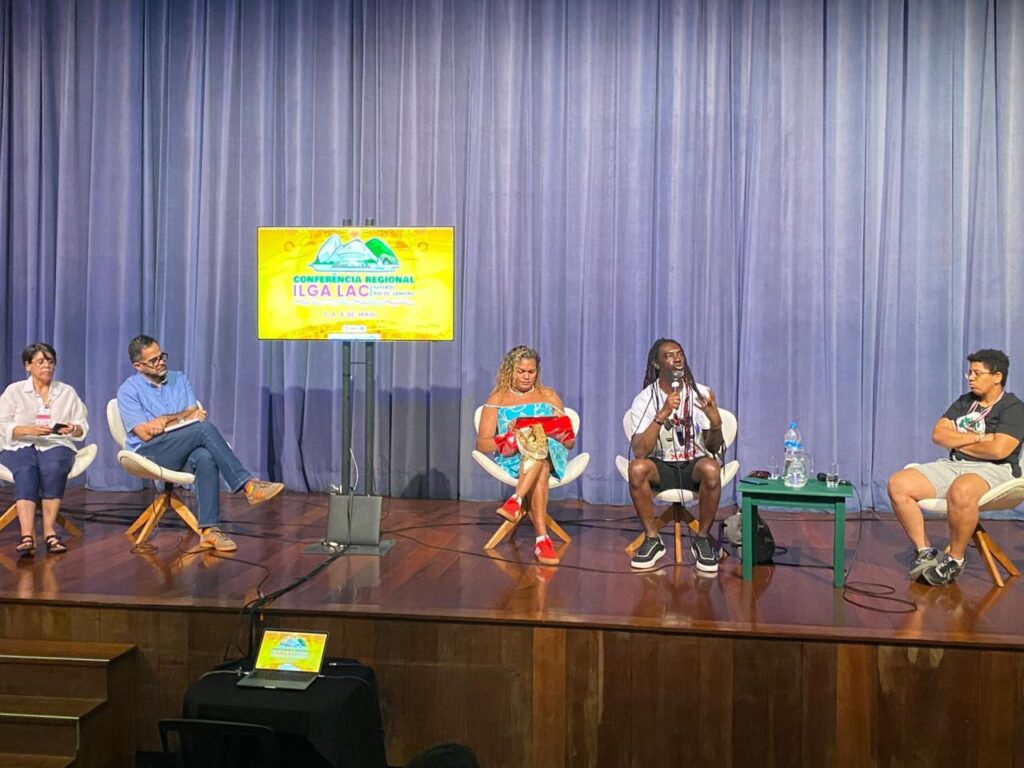
During those four days of plenary sessions, workshops, and talks, there were also live music performances, dance shows, and a samba school, as well as other cultural activities. These included a visit to the Niteroi Museum of Contemporary Art , where the exhibition "A coisa drag" was on display . The sports activities took place outdoors, right on the seashore. There was a volleyball, rugby, and boxing clinic on the beaches of Icari in the evening, led by Ciervos Pampa (Argentina).
Democracy and LGBTTTQIANB+ rights
At the plenary session “Democracies in Dispute: Rights in the Face of Exclusion,” coordinated by Darío Arias, Andrea Pochak, Vice President of the Inter-American Commission on Human Rights (IACHR), stated that the organization warns that Latin America and the Caribbean are experiencing a complex period of regression in many human rights. They spoke of a profound tension between significant normative advances, achieved after decades of struggle, and, at the same time, in the interpretation of those hard-won rights.
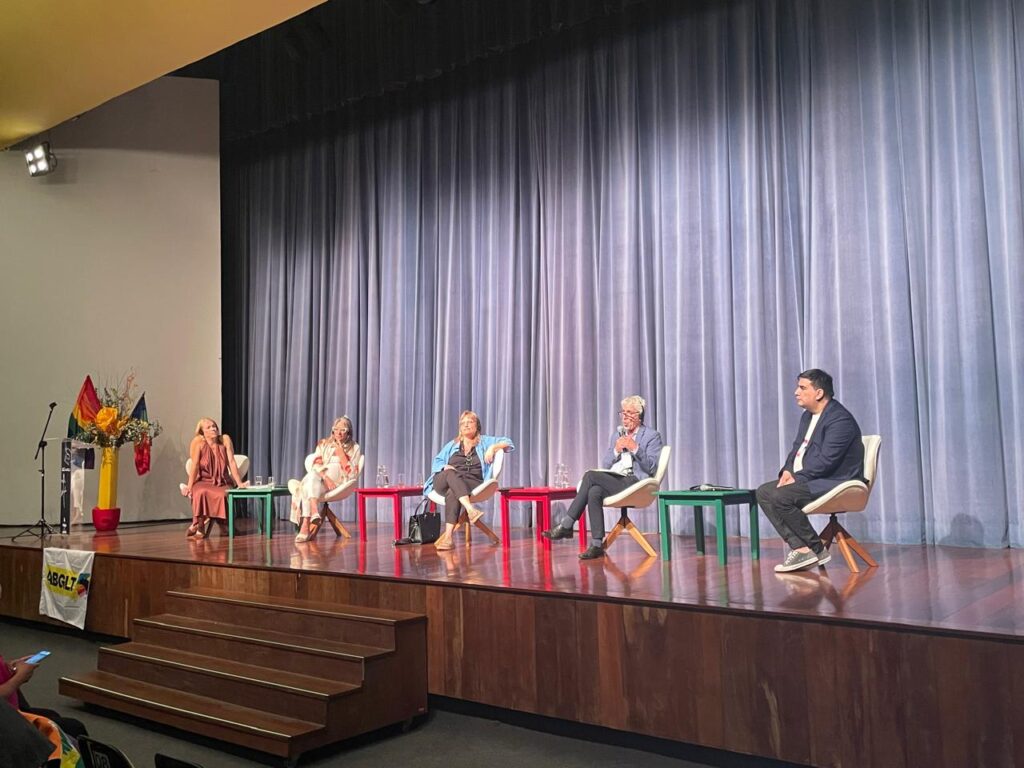
“When democracies are unable to respond to social demands, scapegoats are sought for those unmet demands. This not only jeopardizes hard-won gains but also the very legitimacy of the rule of law and democracy,” he stated. He added, “The democracies of our region have a profound debt to LGBT people.” He also called for the strategic use of international legal mechanisms. “You can count on the Inter-American Human Rights System. We are here to defend your rights,” he said.
In the same forum, Simmy Larrat spoke about the economic cost of LGBTQIA+ exclusion in Brazil. The trans official referred to the costs generated by violence. “It’s easier to invest in inclusive policies than to deal with the violence,” she stated. TheNational Secretary for LGBTQIAPN+ Rights of the Brazilian Ministry of Human Rights and Citizenship also participated in the meeting with representatives of national, state, and local governments regarding LGBTTTQIANB+ public policies. “We are here defending an international agenda. It takes courage to lead these processes. We must defend the institutional relationships of multilateralism. We also need to strengthen LLGALAC,” she urged.
Collette Spinetti Núñez, a trans activist, Secretary of Human Rights for the Presidency of Uruguay, and a professor of Literature, emphasized the urgent need to build civic engagement to strengthen democracies. “We need to strengthen democracy with an informed citizenry, educated in the defense of their human rights and aware of them,” she said. The right wing, the trans activist explained, “pits the poor against the poor. LGBTQ+ people against LGBTQ+ people. I am poor because another poor person is stealing what is mine. This leads to the passage of labor reform laws like the one passed in Argentina. Everyone has the right to a life worth living. That is the awareness we need to cultivate: political awareness.”
Also present at the table was Graeme Reid, Independent Expert for the United Nations. He outlined the human rights situation and highlighted the specific forms of violence suffered by transgender women throughout the region. He also addressed another recurring theme of the meeting: the lack of funding to strengthen the protection of human rights. Throughout the conference, he listened to the various organizations, their demands, and their proposals.
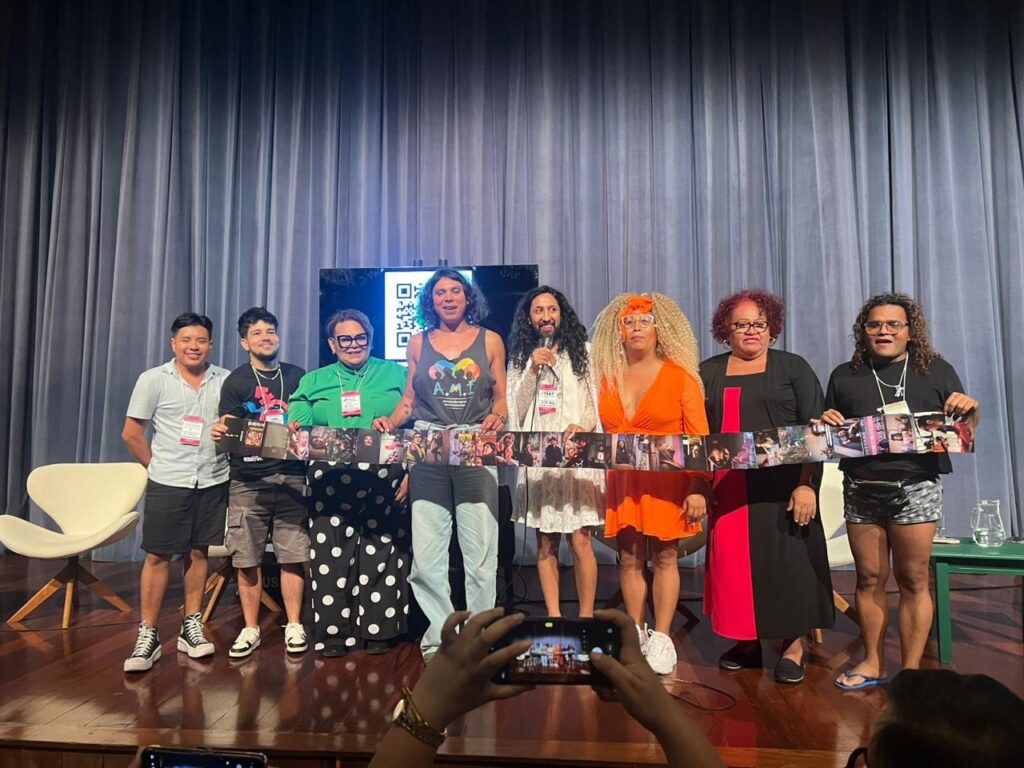
On the second day, Bianka Rodríguez, executive director of ILGALAC, recalled that this Conference marks “ten meetings of struggle, resistance, and collective action against a historical system that has sought to silence, fragment, and render us invisible. But we exist, and we are stronger than ever. We are not here to debate, but to contest for true power. Our rights are not lost battles.”.
In “Uniting Struggles, Transforming the World: Social Movements and Sexual Diversity Facing the Advance of Neoliberalism and Anti-Popular, Anti-Democratic, and Anti-Rights Movements,” the echoes of fascism were discussed. But it was also emphasized that Latin America needs answers in the territories of those who experience these challenges daily. From the organization HIJXS, Charly Pisoni recalled the struggles of the Mothers and Grandmothers of Plaza de Mayo. “If they attack memory, it’s because it has power. Hope is a tactic. It’s marching when they try to discipline us. We know of blows and setbacks, but also of trans women and transvestites who changed the laws,” he recalled. He added: “Uniting struggles is not just a slogan but a political program, so that memory is not a museum. We confront hatred with organization, we respond to fear with memory, and to those who say there is no alternative, we respond with history.”
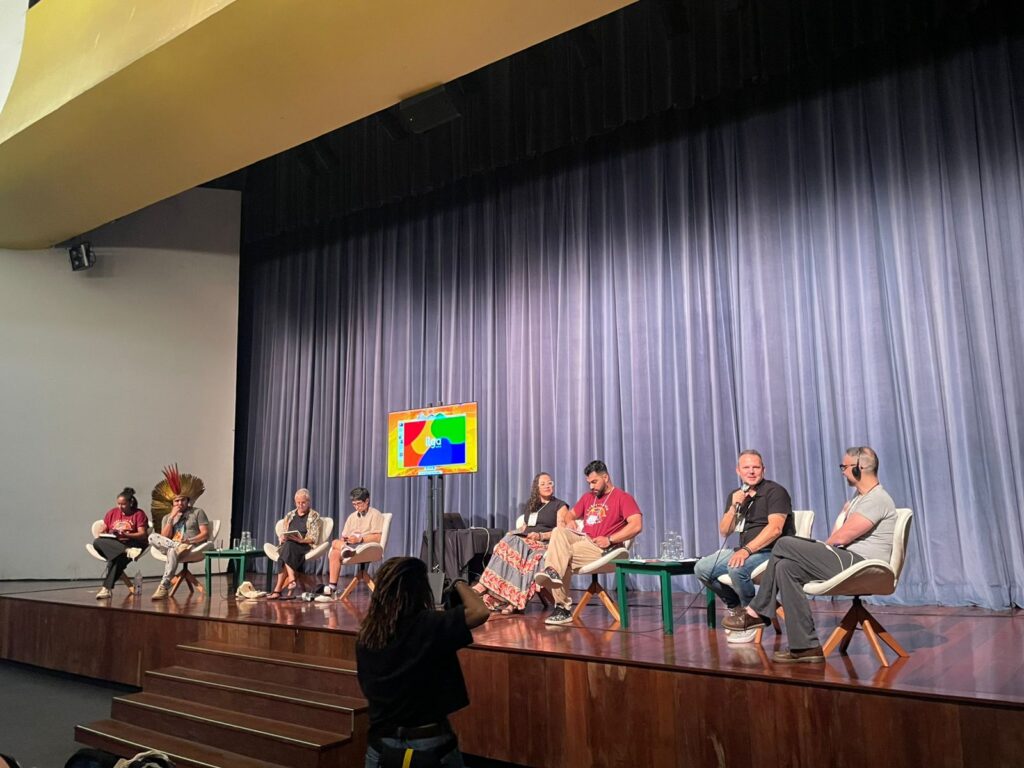
Researcher Sonia Torres, from the Federal Fluminense University, analyzed the evolution of persecution. Ayito Cabrera from Espacio Tolomocho spoke about the urgent need to intersect the LGBT and ableist struggles. Luana and Iván, from the MTS, denounced the origins of oppression and emphasized: “None of our struggles will win alone.”
Antifascist Pride March in Niteroi
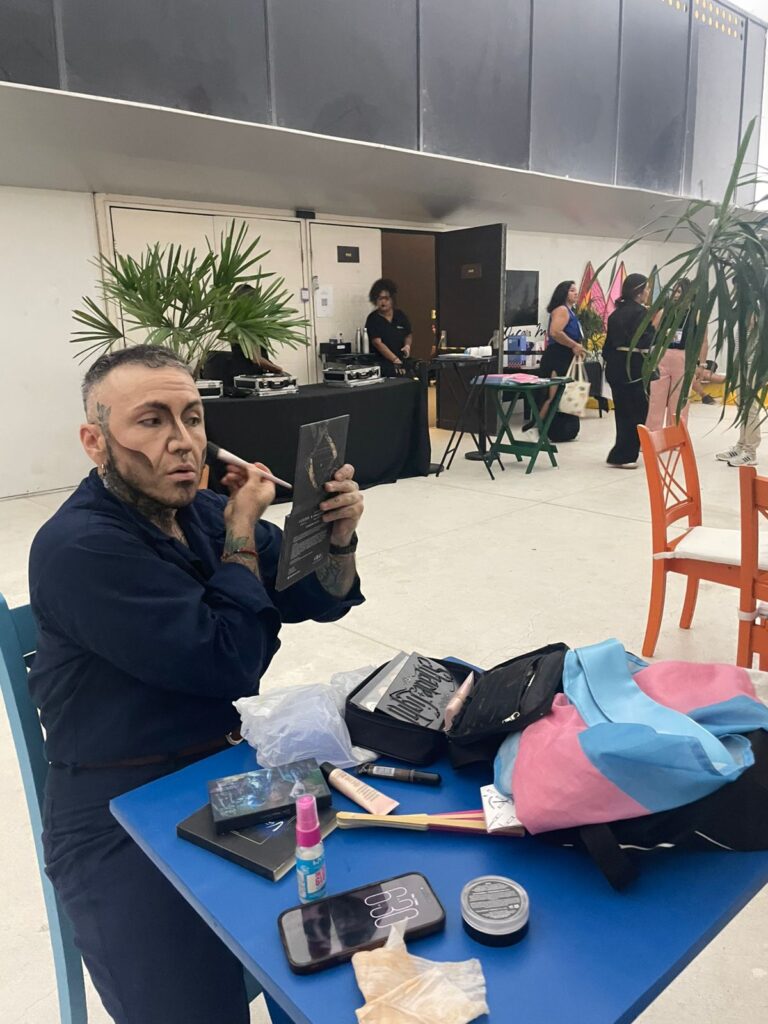
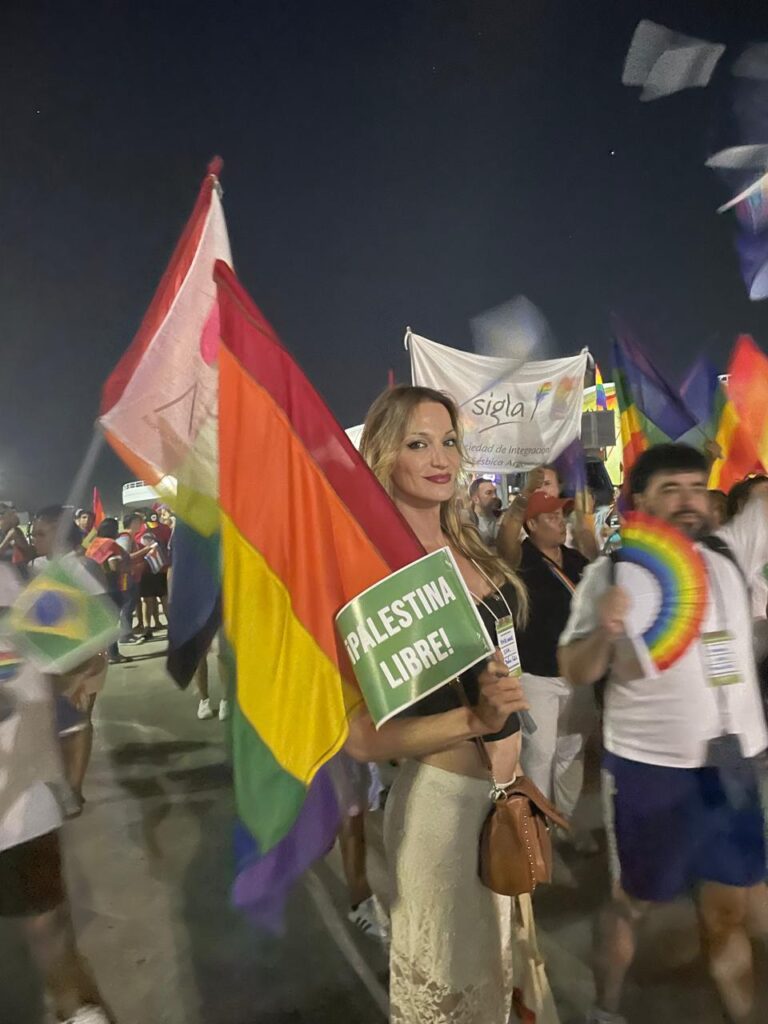
One of the most well-attended events was the Latin American and Caribbean Pride March for LGBTQIA+ people on Thursday night. It wound its way through downtown Niterói, with participants dancing to LGBTQIA+ anthems, including songs by Xuxa. Locals applauded as the truck passed by, following behind the lead vehicle with the ILGALAC flag.
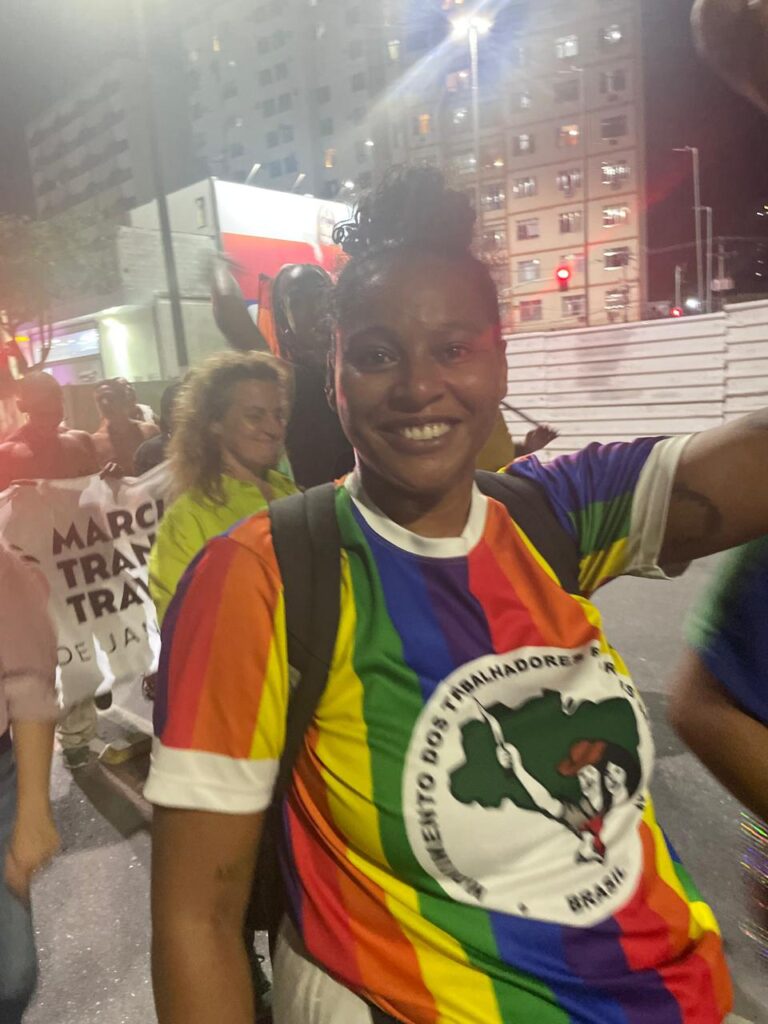
“The mobilization was also a collective celebration of our identities, struggles, and diversities. And a space for meeting and connecting with organizations and activists from Brazil and throughout the region. There, we reaffirmed the bonds of international solidarity and our shared commitment to defending democracy, human rights, and diversity in the face of the right-wing advance,” said Orgullo y Lucha (Pride and Struggle).
Bridges of politics and communication
Presentes participated in a communication panel on Thursday: “Bridges of political action and communication: LGBTIQ communication strategies and experiences”.
The talk took place within the framework of the Pontes Dissidentes Project International Seminar, where activist and colleague Wilson Castañeda, from Caribe Afirmativo (Colombia), analyzed LGBT political participation on another panel. Greta Penna, from Cien por ciento Diversidad y Derechos, analyzed the landscape of rights and diversity.
There, they reflected on communication in democratic processes, together with Bruna Benevidex (ANTRA), Karl Magno and Dediane Souza (ABGLT), Bianka Rodríguez and María Eugenia Ludueña (Presentes).
The Argentine delegation
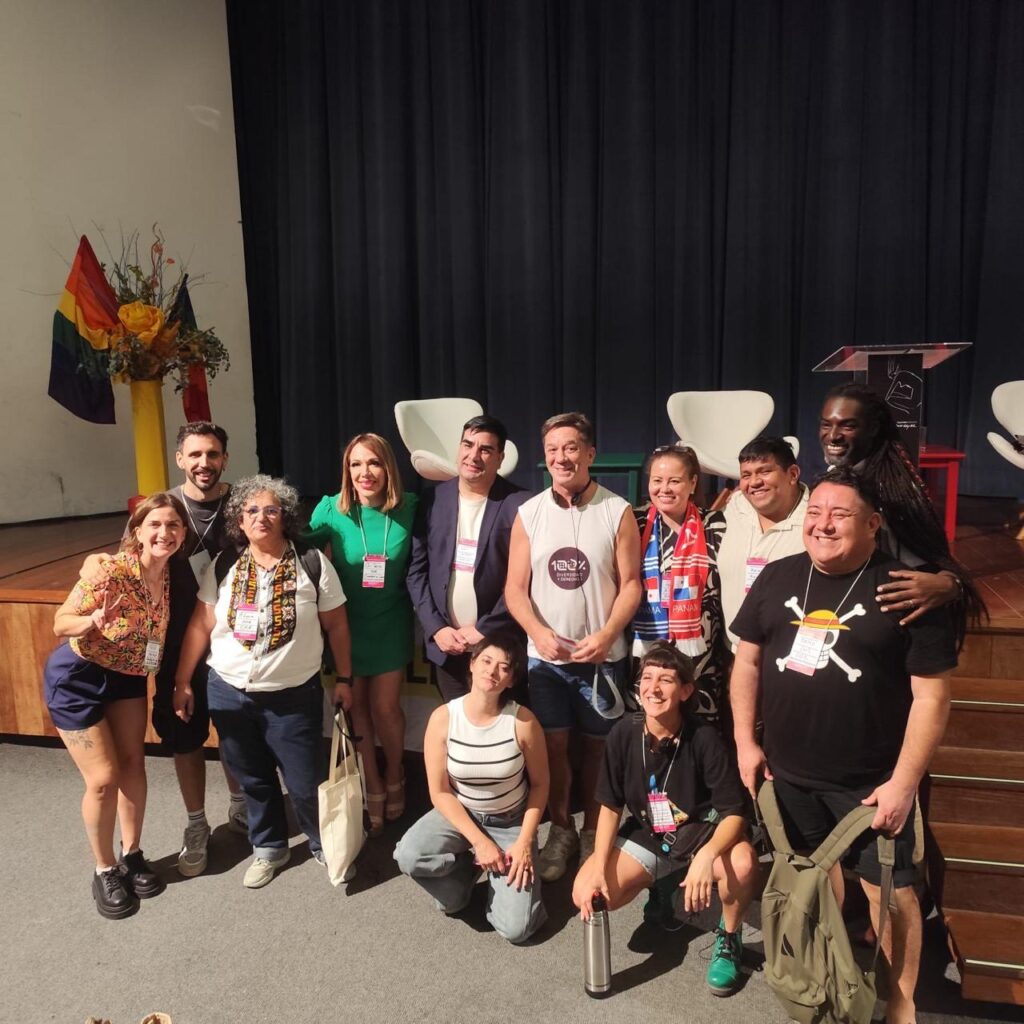
From Buenos Aires, we traveled with the Argentine delegation, grouped in the Pride and Struggle Front, which brought together LGBTINB+, union, sports, feminist and human rights organizations: Conurbanes por la Diversidad, Comunidad Homosexual Argentina (CHA), 100% Diversidad y Derechos, la Sociedad de Integración Gay Lésbica Argentina (SIGLA), Ciervos Pampas Rugby Club, the Asociación Civil Mocha Celis, the Asociación Civil Afro Xangô y Afros LGBTINB+, Derechos Humanos y Diversidad, Familias Diversas (AFDA), Marea – Feminismo Popular – Barrios de Pie, la Asociación por un Mundo Igualitario (AMI), Furia Trava, HIJOS Capital (Hijas e Hijos por la Identidad y la Justicia contra el Olvido y el Silencio – Regional Capital), and CLIK Mendoza —Corriente por la Liberación, la Igualdad y el Kambio—.
The unions also had their representatives: the Gender and Diversity Secretariat of the State Workers' Association (ATE Nacional), the Gender and Diversity Secretariat of the Unified Union of Education Workers of Buenos Aires (SUTEBA), and the Human Rights Secretariat of the General Confederation of Labor (CGT).
Nicolás Abratte, from the Provincial Directorate of Sexual Diversity Policies of the Ministry of Women and Diversity of the Province of Buenos Aires, participated in a panel on diversity policies and human rights. And the Minister of Women and Diversity, Estela Díaz, sent a message that was shown at the close of the Conference.
Elections and next venue
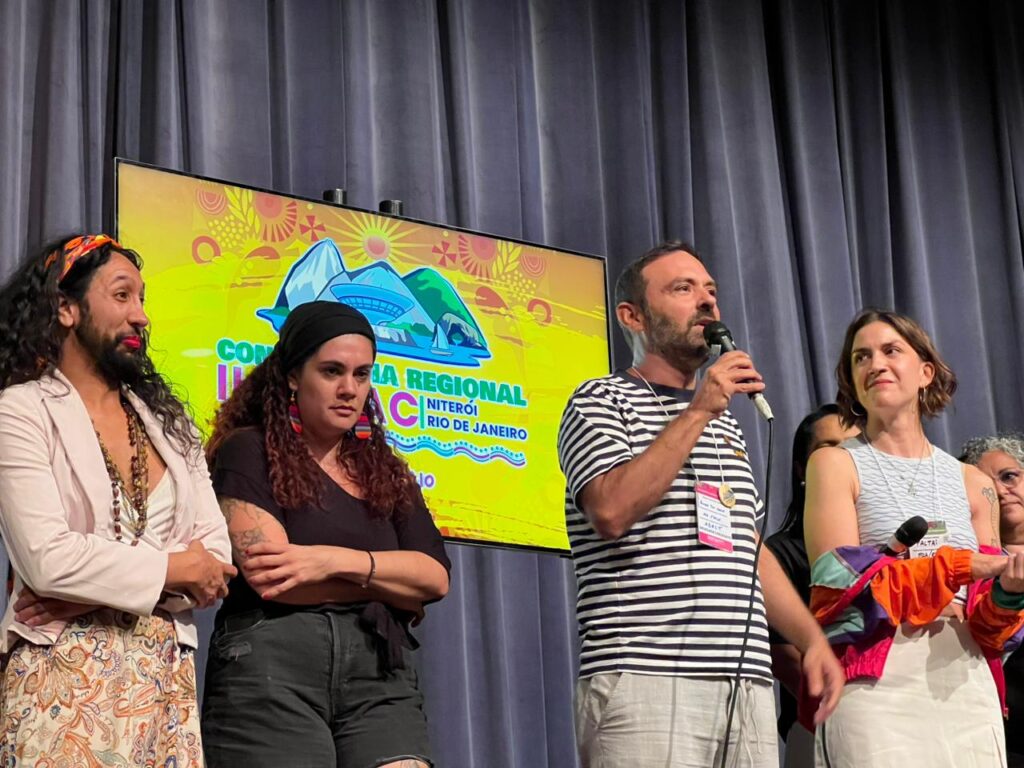
In addition to workshops and plenary sessions with activists from across the region, with the exception of Paraguay, governance activities and the election of new roles within ILGALAC were also held. During the voting, organizers highlighted the record participation of the membership. Florencia Paltrinieri (Conurbanes por la Diversidad, a member of the Pride and Struggle Front, Argentina) and Victor De Wolf (president of ABLGT, one of the host organizations in Brazil) were elected as regional co-secretaries. The venue for the next ILGALAC Conference was chosen by vote: it will be in Mexico. But before that event, the city of Buenos Aires will host the ILGA World Conference in 2027.
We are present
We are committed to journalism that delves into the territories and conducts thorough investigations, combined with new technologies and narrative formats. We want the protagonists, their stories, and their struggles to be present.
SUPPORT US

FOLLOW US
Related notes
We are present
This and other stories are not usually on the media agenda. Together we can bring them to light.