

Why the Natalia Lane sentence is historic but insufficient: “The judge failed trans women and sex workers”
Natalia Lane's case is the first attempted femicide against a transgender sex worker in Mexico to reach the courts and also the first to result in a conviction. However, this outcome did not provide the redress that was hoped for.


Share

MEXICO CITY. Judge Agustín Moreno Gaspar sentenced Alejandro López Sánchez to 20 years and 5 months in prison for the attempted femicide of activist, journalist, and sex worker Natalia Lane. After more than four years of a trial marked by institutional omissions and the criminalization of Lane, the aggressor will serve just over 16 years of his sentence, after deducting time spent in pretrial detention. He will also be ordered to pay 50,796 pesos (equivalent to US$2,900) in reparations.
The verdict was announced on May 20th after a trial that began in January, and it represents a historic precedent. It is the first time that a case has been brought to court and resulted in a conviction and sentence for the attempted femicide of a transgender sex worker in Mexico.
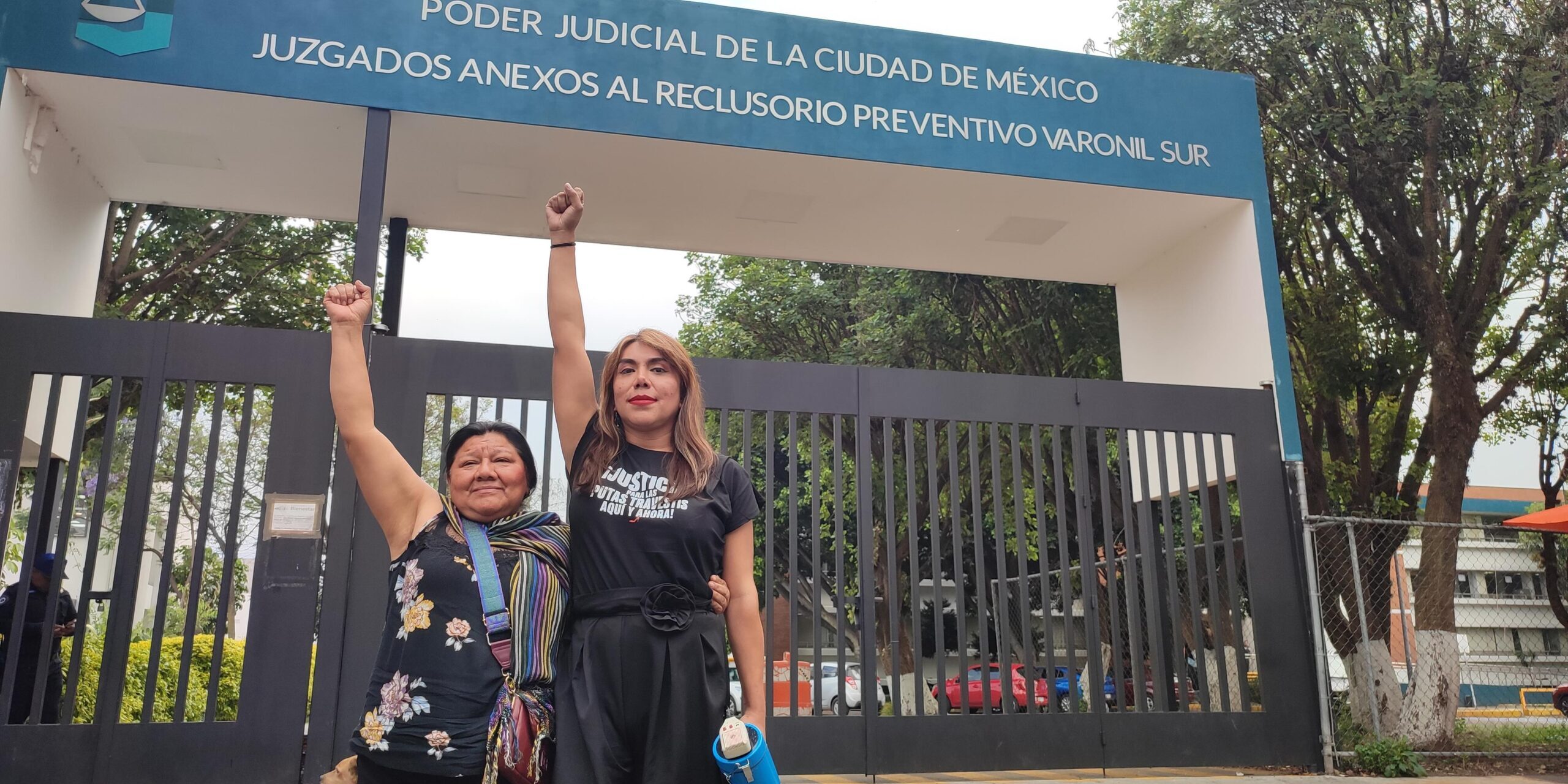
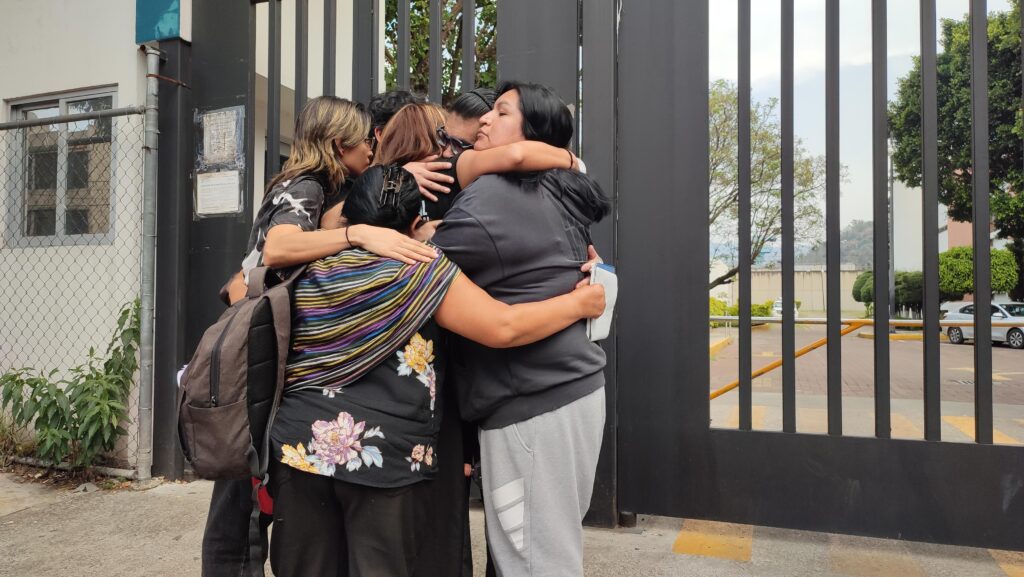
“Today we go home with a clear conscience, knowing we did our job. We trust in the justice system, and although it failed us once again, we will not stop,” Lane said as he left courtroom number 3 of the South Prison in Mexico City.
A sentence “that falls short of the circumstances”
For Natalia, who survived the attack on January 16, 2022 in a hotel in Mexico City, the sentence handed down by Judge Moreno Gaspar “is not up to the task.”.
Natalia and her legal team were expecting the maximum sentence for attempted femicide: 40 years. Now they will seek to appeal to increase the prison term for the crime of attempted femicide, since the judge determined a total of 20 years and 5 months for the two crimes López Sánchez was charged with: attempted femicide and aggravated assault (against the other victim in this case, a hotel worker who came to Natalia's aid and was injured in the face).
At the end of the closing hearing, she addressed the judge, saying, “For me, this was not a victory. You failed transgender women and sex workers.”.
Upon leaving, Natalia met up with her friends and journalists and told them: “Today the judge decided not to believe the words of a sex worker and a trans woman. It wasn't enough for a maximum sentence without considering the aggravating factors of being a trans woman and a sex worker in Mexico.”.
Lane noted that Mexico has the second-highest number of registered cases of transfemicide against trans women who engage in sex work in the world. Brazil has the highest number.
An incomplete repair
Despite the legal progress, Natalia has denounced that the Justice system has been a "journey of attrition" where full reparation for the damage remains an outstanding debt.
The judge determined that Alejandro López Sánchez must pay 50,796 pesos in damages for emotional distress. This corresponds to 36 sessions of psychological therapy for Natalia Lane.
However, the judge determined that there were no grounds to justify another sum of money to compensate for the damage to Natalia's life project after these years in which her income has decreased by 90%.
In a past interview with Agencia Presentes, Natalia commented that for her, true reparation while alive should include not only the financial amount, but also access to specialized mental health, housing, and policies that curb structural violence against trans women and sex workers.
The sentence was announced on a date laden with symbolism because that day would have been the 37th birthday of Alessa Flores, a trans woman and sex worker murdered in 2016, whose memory continues to drive the demand for justice in Mexico.
Upon leaving the closing hearing, Natalia emphasized that this achievement was not a gift from the State, but the result of constant pressure and the support of her networks of affection because "no trans person survives alone.".
We are present
We are committed to journalism that delves into the territories and conducts thorough investigations, combined with new technologies and narrative formats. We want the protagonists, their stories, and their struggles to be present.
SUPPORT US

FOLLOW US
Related notes


We are present
This and other stories are not usually on the media agenda. Together we can bring them to light.
1 comment