

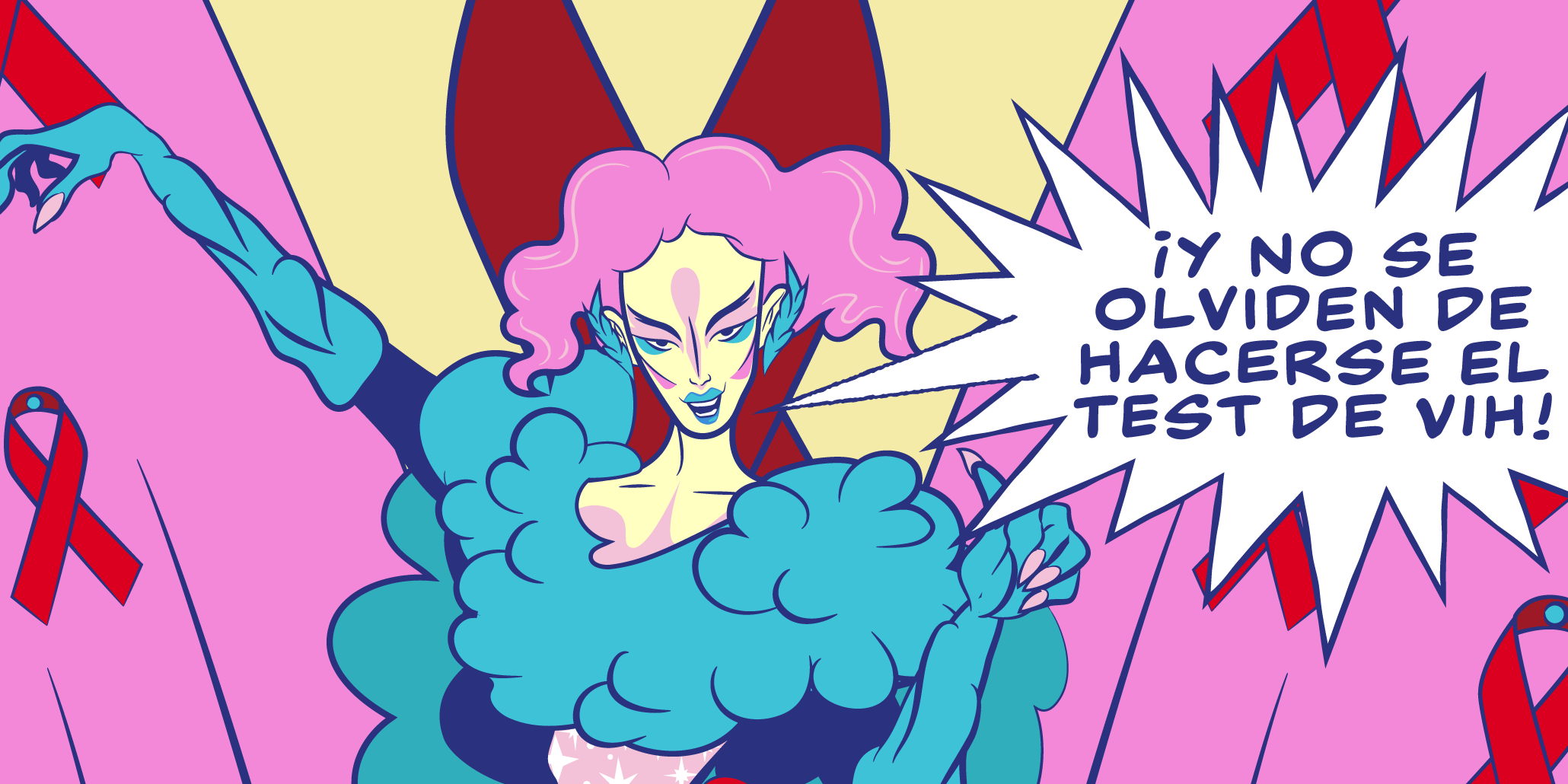
Comic: Why is it important to get tested for HIV?
Did you know that getting an HIV test early can slow the progression of the virus? We created this beautiful comic to help you take the plunge. Get tested!


Share

Getting tested for HIV can sometimes be complicated. Many people explain that when the medical system asks them to include an HIV test in an exam, uncomfortable questions begin: "But why?" "Did you do something?" Or they arise from their social circle: "If you have a partner, then why?" Don't let anything stop you from getting tested: a third of people living with HIV receive late diagnoses, when the virus has already severely compromised their immune system. According to the Pan American Health Organization (PAHO) , in 2024, around 14% of people living with HIV in Latin America and 15% in the Caribbean were unaware of their diagnosis.




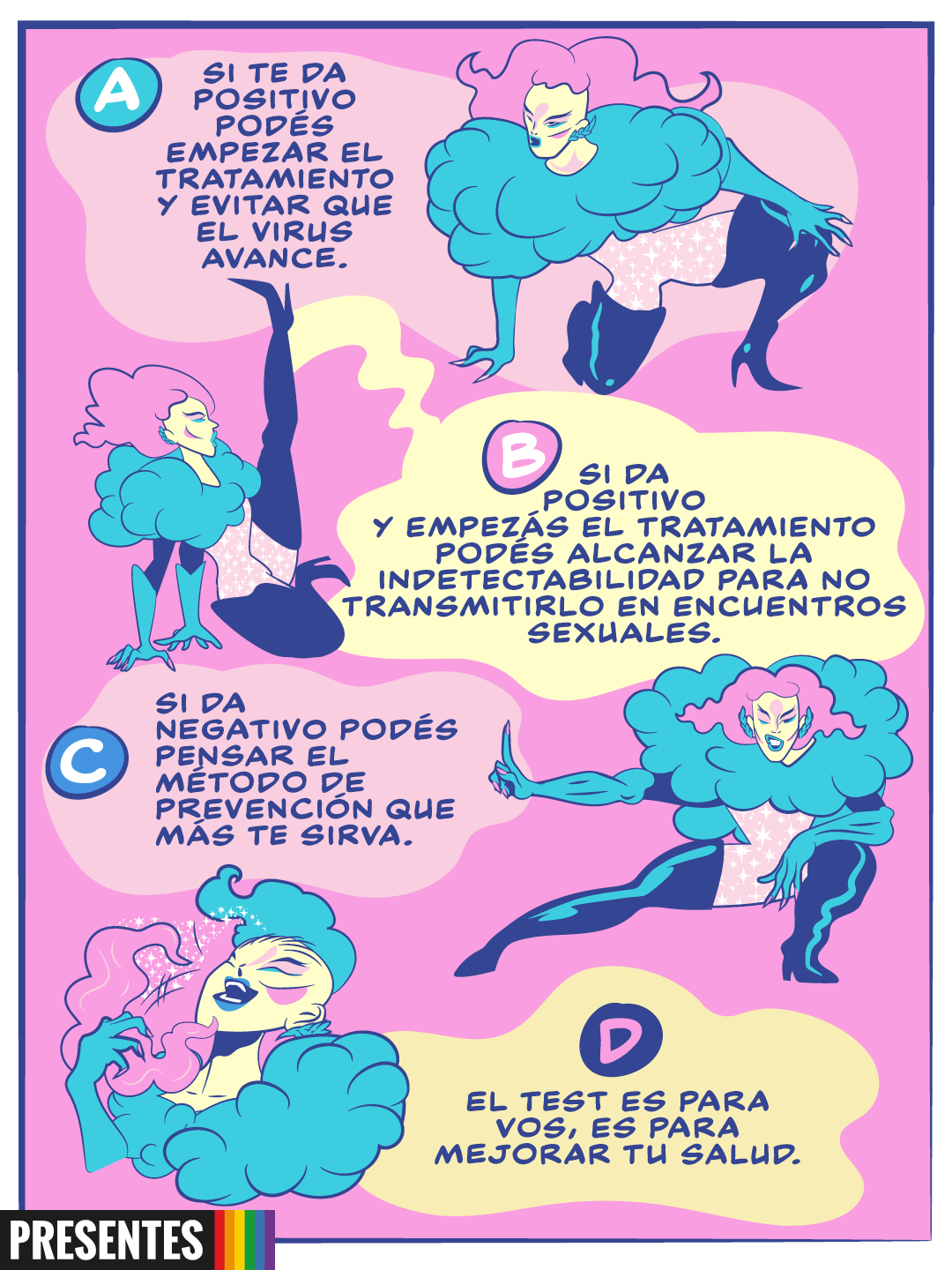


Swipe to see the comic.
Why a timely test changes everything
The HIV virus attacks the human body's defenses. If detected early, it can be controlled by taking antiretroviral medication daily. If detected late, it progresses, leaving the body defenseless until it reaches the stage of AIDS (acquired immunodeficiency syndrome). At this stage, any illness or infection becomes a major danger.
HIV testing should be done regularly. If the result is positive, we can begin monitoring our health and treatment with medication to manage the virus. If it is negative, we can evaluate our exposure practices and consider what type of prevention is best. Condoms and PrEP medication are some of these methods, but ideally, we should discuss this with healthcare professionals and services.
Late diagnoses in heterosexuals
HIV is not just an issue for LGBT+ populations. In Spain, during 2025 , more heterosexuals were diagnosed with late-stage HIV, in cases of AIDS. This figure is sometimes linked to a lack of testing, due to the misconception that they are not part of a high-risk group. The Spanish Ministry of Health's annual report, for example, explained that women accounted for 68.7% of late-stage diagnoses. And what about men? Perhaps the question should be different: how many cisgender heterosexual men do you know who get tested for HIV regularly? The lack of data also affects both the information we have and the information we are missing.
In sub-Saharan Africa, women and girls account for the majority of new HIV/AIDS cases, according to UNAIDS reports. Every statistic must be taken into account, and the best strategies for responding to it must be developed based on that data.
In Argentina, 13% of people living with HIV are unaware of their status. In 2025, a testing center in the Buenos Aires Metropolitan Area, used as a case study, reported that half of all new positive results came in at an advanced stage of the disease. This could have been prevented with earlier testing.
HIV testing: voluntary and confidential
HIV testing is voluntary and must be done with the person's prior consent. This is to prevent clandestine testing that could lead to discrimination, for example, in the workplace. The result is confidential; you are under no obligation to share it with anyone you don't want to. Many health centers and organizations offer free testing.
This article is part of a project supported by the IAS (International AIDS Society) through Community Project Grants, as part of the preparations for the AIDS Conference 2026.
Share
We are present
We are committed to journalism that delves into the territories and conducts thorough investigations, combined with new technologies and narrative formats. We want the protagonists, their stories, and their struggles to be present.
SUPPORT US

FOLLOW US
Related notes


We are present
This and other stories are not usually on the media agenda. Together we can bring them to light.