

2026 World Cup: FIFA has scrapped its anti-discrimination campaign
The campaign designed by FIFA in 2023 will not be activated during this World Cup in the host countries.


Share

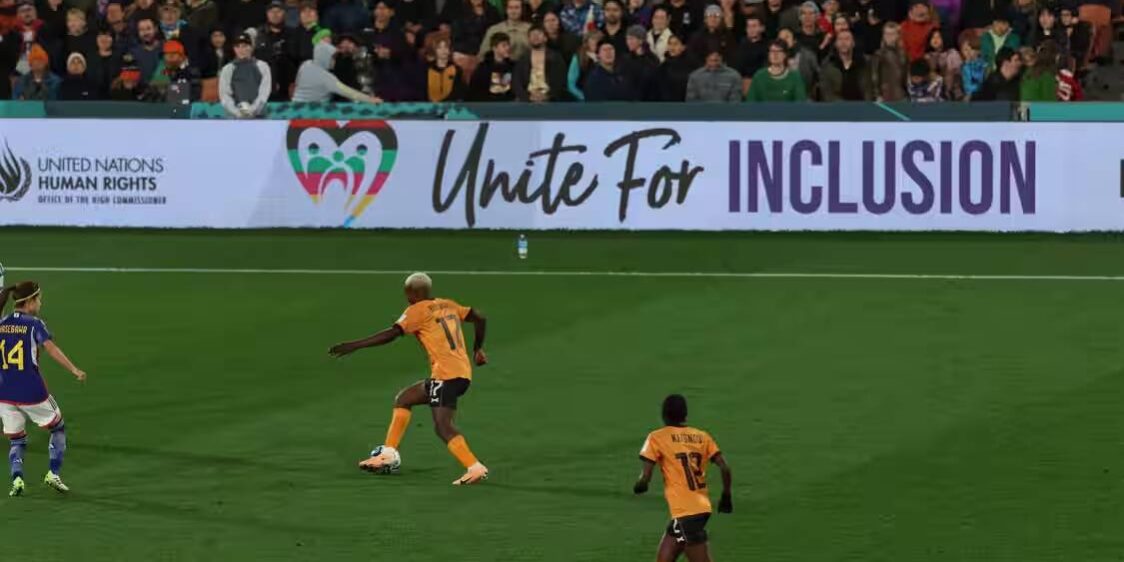
MEXICO CITY, Mexico. FIFA has dropped its “Unite for Inclusion” from the 2026 World Cup, which will be held in the United States, Mexico, and Canada. This initiative aims to promote diversity and non-discrimination. Human Rights Watch (HRW) denounces this omission as neither accidental nor neutral, stating that “it is a decision that weakens FIFA’s human rights promises” and leaves LGBT+ communities, migrants, and journalists particularly vulnerable in the three host countries.
For this World Cup, FIFA, for the first time, required a "human rights strategy" for each host city as a prerequisite for bidding. These human rights action plans must be situated within the specific contexts of the cities and are expected to be developed in collaboration with government agencies and civil society organizations.
Human Rights Watch warns that “the published action plans do little to address discrimination against LGBT+ people. This is further evidence that football has long grappled with homophobia.”.
What is the relevance of the Unite for Inclusion?
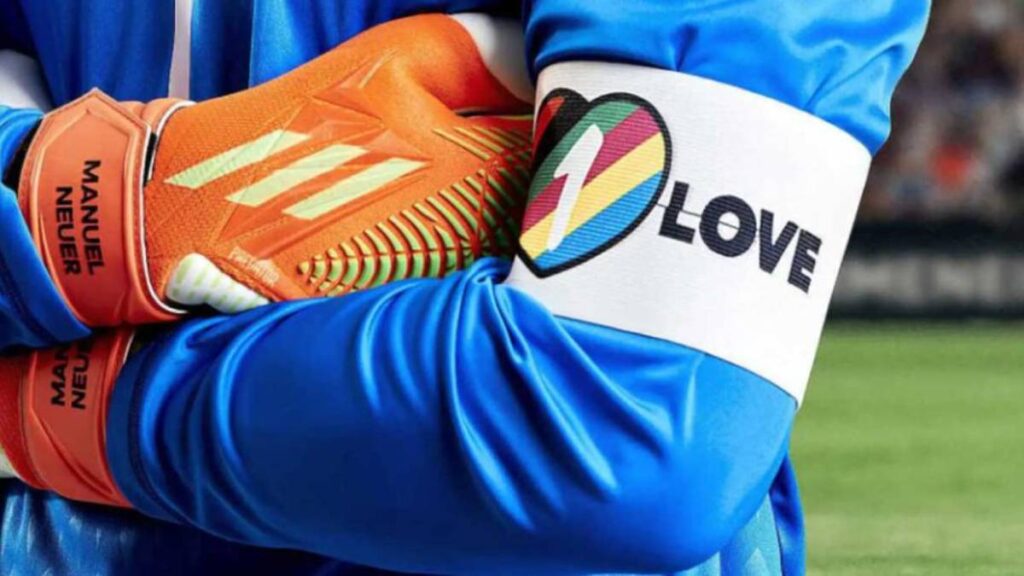
Unite for Inclusion was born as an institutional response to FIFA's censorship of the OneLove campaign launched by ten European national teams prior to the Qatar 2022 World Cup.
In June 2023, FIFA used the Unite for Inclusion during the Women's World Cup in Australia. The initiative was created in collaboration with the UN Office of the High Commissioner for Human Rights (OHCHR).
The campaign consists of various actions:
- Messages on stadium screens and banners.
- Use of the armband worn by the captains with the name of the campaign.
- Funding and stadium improvements for physical and sensory accessibility for people with disabilities.
- Development and application of software against cyberbullying and hate speech against footballers.
- I work continuously with the UN Human Rights agency.
What is the situation regarding LGBT+ rights in the host countries?
The host countries for the 2026 World Cup will be Mexico, the United States, and Canada. In the United States, under the current administration of Donald Trump, executive orders have been signed and state laws passed that restrict the rights of LGBT+ people, primarily the rights of transgender children, youth, and adults. These measures violate the right to gender-affirming healthcare, the right to participate in sports, and the recognition of non-binary and transgender identity on passports, among other rights.
Since the start of the Trump administration in January 2025, more than 167,000 people have been detained by ICE in the 11 U.S. host cities for the World Cup, according to data from the Deportation Data Project.
Mexico
In Mexico, the recognition of rights for LGBT+ people is progressing, though some issues remain unresolved. However, homophobia persists in the world of football. Among Mexican football fans, a homophobic chant directed at the opposing goalkeeper every time he takes a goal kick is well-known. From the stands, fans shout “eeeeeh puto” (a derogatory term for a faggot). In Mexico, some defend this chant as part of football folklore.
Two weeks before the start of the championship, Mexico City's mayor, Clara Brugada, presented a plan of "actions against homophobia during the World Cup." These include equipping tourist police with rainbow flag armbands and establishing 20 "safe spaces" in the Zona Rosa (a historically LGBT-frequented area). An LGBT+ soccer tournament is also planned, though no details have been released.
The governments of Guadalajara and Monterrey have not announced any plans in this regard. The National Human Rights Commission (CNDH) announced that it will deploy personnel to the three World Cup host cities in Mexico, especially at airports, bus terminals, and immigration checkpoints, “to guarantee, protect, and safeguard the human rights of those entering the country and, in general, all those attending the World Cup.”
Canada
Of the three host countries, Canada has the strongest legal protections for LGBT+ people. However, a study by Monash University concludes that “Canadian soccer has three languages: English, French, and casual homophobia.” They report that 9 out of 10 queer soccer players experience homophobia in the locker room.
And although the World Cup host cities, Toronto and Vancouver, did structure and publish human rights action plans required by FIFA, activists from the Vancouver Community Response Coalition warned that these actions against discrimination “are late and almost exclusively fall on the shoulders of civil society.”
We are present
We are committed to journalism that delves into the territories and conducts thorough investigations, combined with new technologies and narrative formats. We want the protagonists, their stories, and their struggles to be present.
SUPPORT US

FOLLOW US
Related notes
We are present
This and other stories are not usually on the media agenda. Together we can bring them to light.