

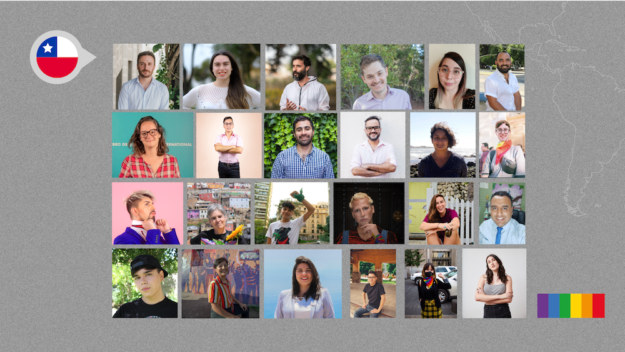
Who are the LGBT+ candidates who want to change the Chilean Constitution?
On May 15 and 16, Chile will elect constitutional convention delegates to draft the new Constitution. At least 47 candidates are LGBTQ+.
 Support us
On May 15 and 16, Chile will elect constitutional convention delegates to draft the new Constitution. At least 47 candidates are LGBTQ+.

The three-session workshop was held virtually from November 23 to 25, 2020, and was attended by journalists from media outlets in various parts of Latin America.

Micaela Catán was 27 years old and lived in Santiago del Estero. She died after eight days in the hospital with burns covering half her body. Her family and organizations denounce her death as a transfemicide. They demand justice with a gender perspective.
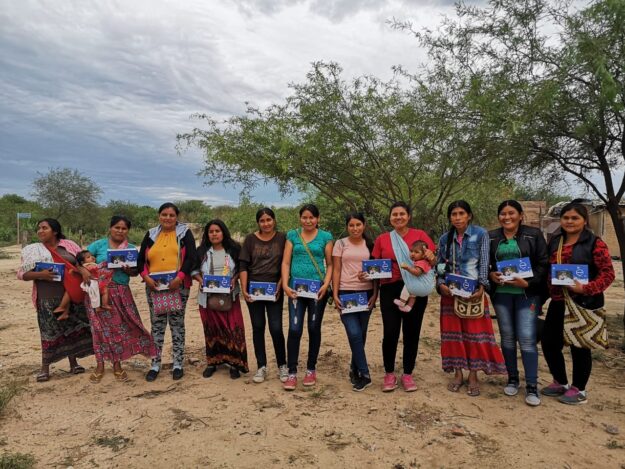
Through the collective brand Thañí, which in Wichí can be translated as "Comes from the mountain", indigenous women from the communities of Santa Victoria Este (Salta) sell their handcrafted textiles on the internet and within the framework of fair trade.
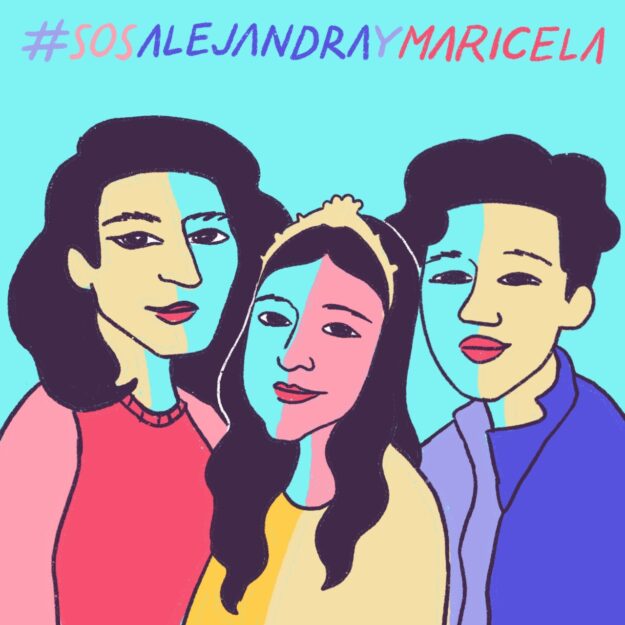
Maricela Rodríguez, her 12-year-old daughter, and her partner Alejandra arrived in Mexico a month ago fleeing the lesbian-hating attacks they suffered in Honduras, their native country. Along the way, they were scammed and assaulted, and now they hope to obtain asylum.
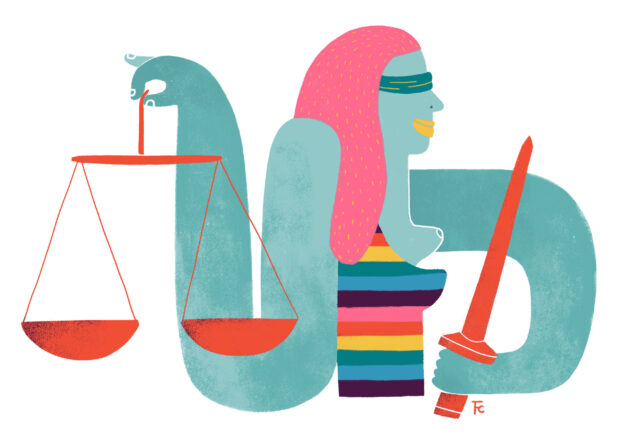
The courts have reopened an investigation into the online harassment of a gay couple who were physically assaulted in September 2020 in Buenos Aires. The police response will also be investigated.

It's been a month since Tehuel De la Torre was last seen. How is the judicial investigation progressing, and how is the search for the young trans man continuing? Why do we need a trans-feminist justice system and diverse media?

Activist Ese Montenegro analyzes the context of the disappearance and search for Tehuel de La Torre in Argentina and focuses on the structural violence suffered by trans men.

La Voz Indígena broadcasts from northern Salta, Argentina. It began as a project in a workshop for women focused on ethnic memory. It has been on the air for 12 years, and its role was crucial during the pandemic.

The National Court of Cassation acquitted Mariana Gómez of the charges of minor injuries and contempt of authority, for which she was convicted in 2019. The ruling acknowledges the lesbophobic discrimination of the Police and the Judiciary.