

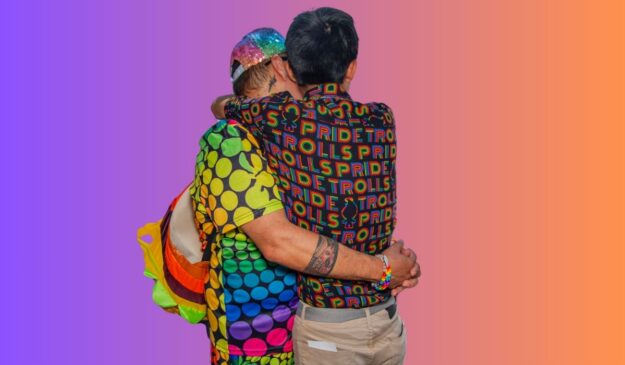
Four out of five countries lack laws protecting LGBT+ youth from bullying at school
A report published by ILGA Mundo reveals that there has been progress, but currently only six UN member states have adopted laws protecting LGBT youth and children.
 Support us
A report published by ILGA Mundo reveals that there has been progress, but currently only six UN member states have adopted laws protecting LGBT youth and children.
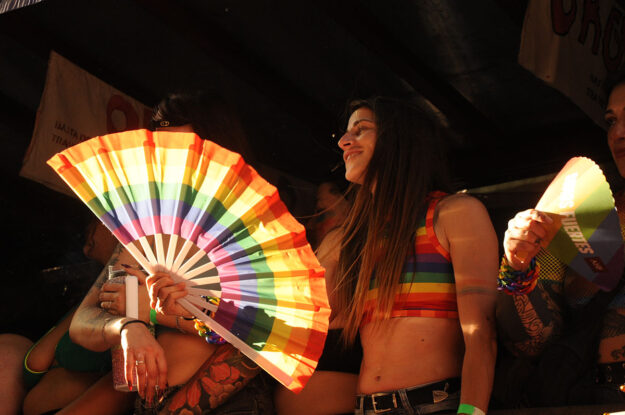
The LGBT Pride March is the most festive and diverse in Buenos Aires. It's also one of the largest. This year it was marked by demands against the Milei government and by the resistance of activists.
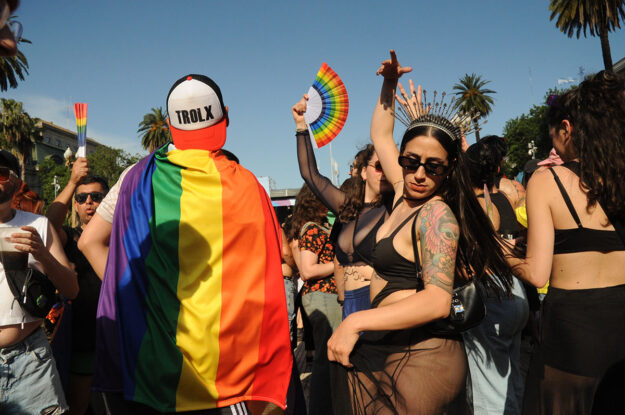
Pride celebrated and protested in the streets of Buenos Aires, in a march that called for people to put their bodies on the line to demand and to make visible the existence and resistance of sexual diversity.
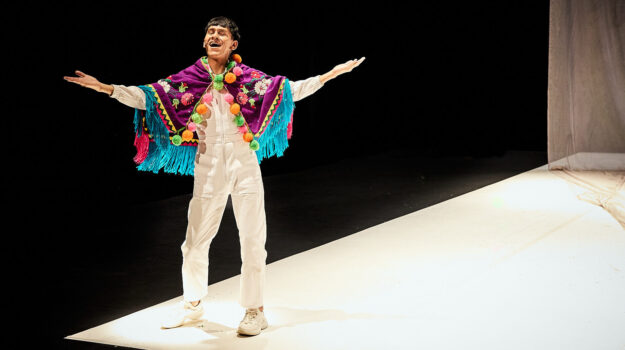
“I don’t do documentary theater, I do political theater,” says Tiziano Cruz, the Quechua, Aymara, and queer artist who challenges from stages around the world.
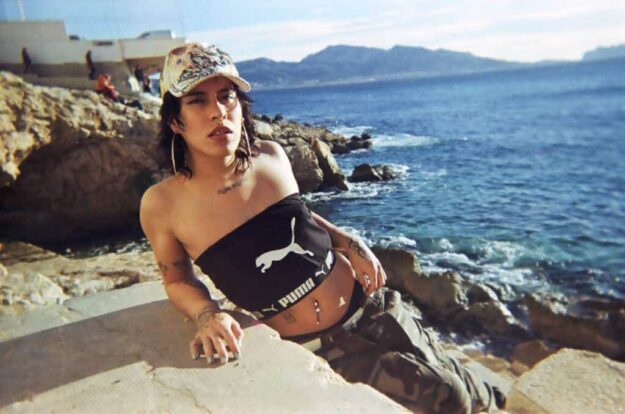
We present the artistic and chameleon-like journey of one of the most interesting musical proposals on the Bolivian scene in recent years.
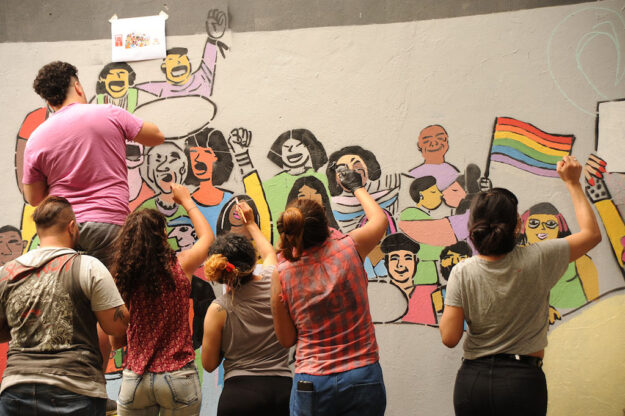
The Trans Mocha Celis Popular High School is about to celebrate its 14th anniversary.
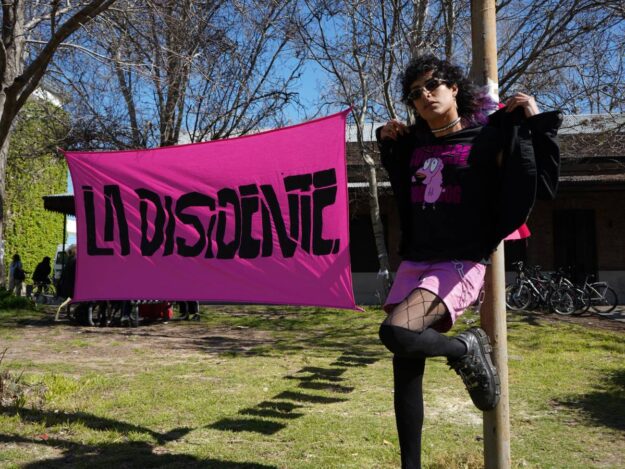
Libertarians went to provoke a Pride March in San Martín in 2023, and LGBT groups responded by dancing. Since then, Cris, a trans activist and communicator, has faced accusations of "sexual abuse" in a trial that keeps getting postponed, along with her criminalization.
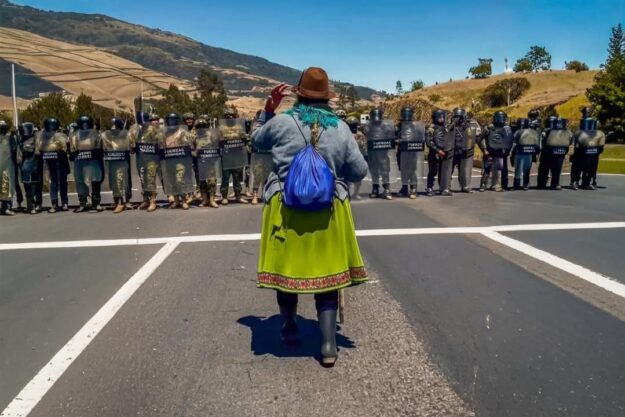
“Ecuador’s crisis stems from years of neglect,” says Lía Burbano, a lesbian activist. She and Víctor Carreño, a journalist and director of Edición 111, explain and analyze the current situation and how it affects sexual minorities.

Azul Semeñenko was a transgender state employee in the Violence Protection Unit in the province of Neuquén. After being missing for almost three weeks, she was found brutally murdered. Her coworkers formed a network and succeeded in bringing the case to light and mobilizing society behind the demand for justice.
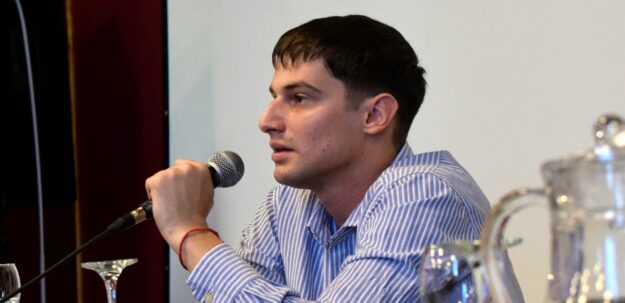
The double femicide of Luna Giardina and Mariel Zamudio at the hands of Pablo Laurta brings to the forefront the implications of antifeminism and political power. We spoke with Nicolás Pontaqarto, from the Institute of Masculinities and Social Change, about violence, identities, misogynistic discourses, and digital spaces.