

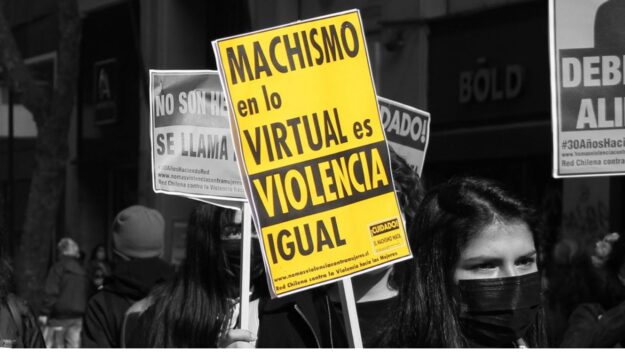
Digital gender violence exists: helplines in Bolivia, Ecuador and Brazil
Digital gender-based violence is real. It has an impact on the physical environment and vice versa, and recognizing this is crucial for our human rights.
 Support us
Digital gender-based violence is real. It has an impact on the physical environment and vice versa, and recognizing this is crucial for our human rights.
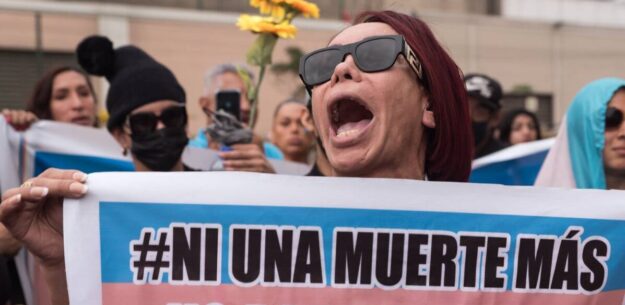
The Supreme Decree that pathologizes trans people remains in force in a year that will be remembered for its setbacks and a few victories, won through sheer LGBT persistence.

Edith Román was a 17-year-old Wichí girl from the Betania community in Salta.
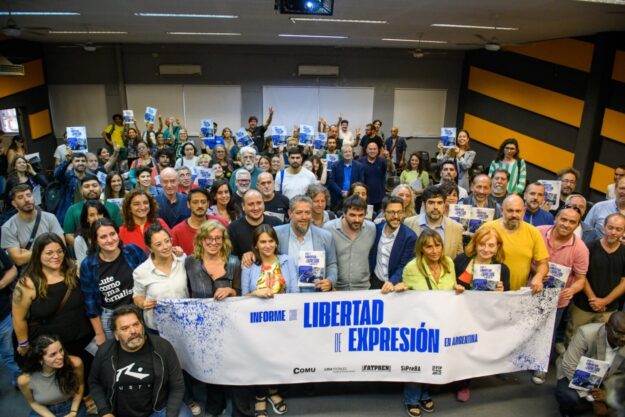
A report by the Federation of Press Workers (FATPREN), the Buenos Aires Press Union (SiPreBA) and the Communication Sciences Department of the UBA records and analyzes the attacks on freedom of expression in the Milei government.

Interview with the Mexican intersex artist Goodbye to the Future: the origin of a project that began as a personal quest and became collective.
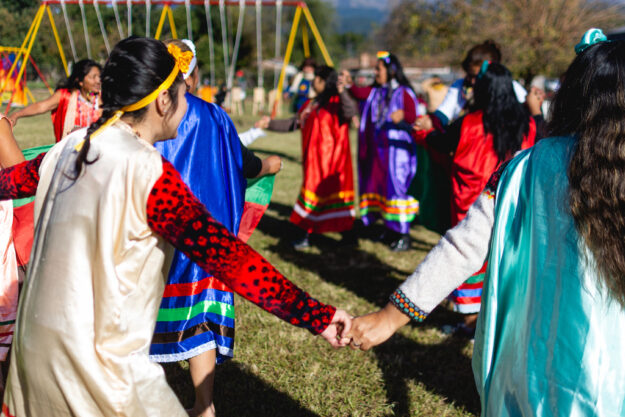
Decree 1073 of the Javier Milei government repeals a law that declared a territorial emergency until 2025 and forced the National Institute of Indigenous Affairs to conduct surveys and suspend evictions.

With a demonstration in front of the Buenos Aires Province House, activists denounce irregularities in the investigation of the transfemicide of Sofía Fernández in a police station in Derqui (Pilar).
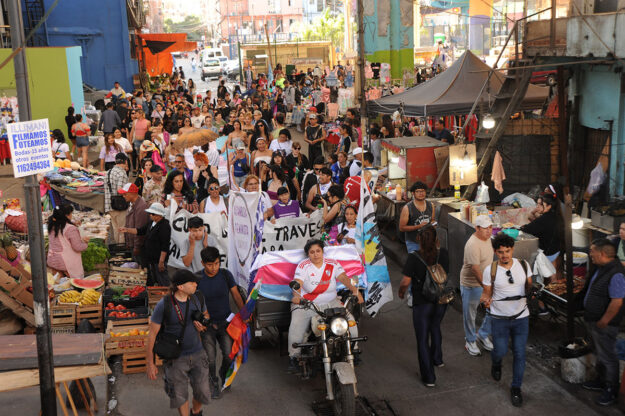
The sixth Transvillera Plurinational Diversity Pride March brought the LGBT demands of the Autonomous City of Buenos Aires to the Retiro neighborhood, specifically to the intersection of 31st and 1 Bis streets. A celebration and a show of resistance against the advance of the right wing.
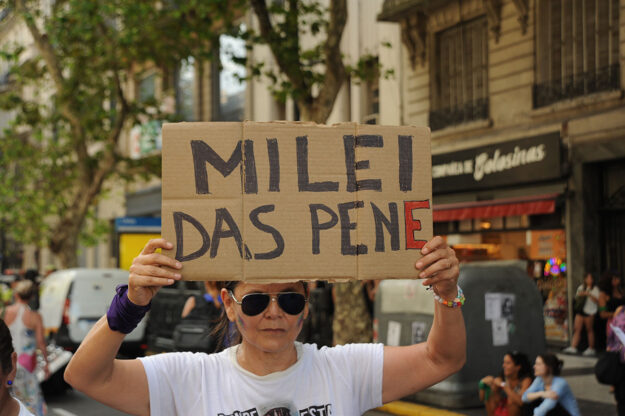
Lawyer Alejandro Mamani analyzes the setbacks in the twelve months that have passed since Javier Milei took office.
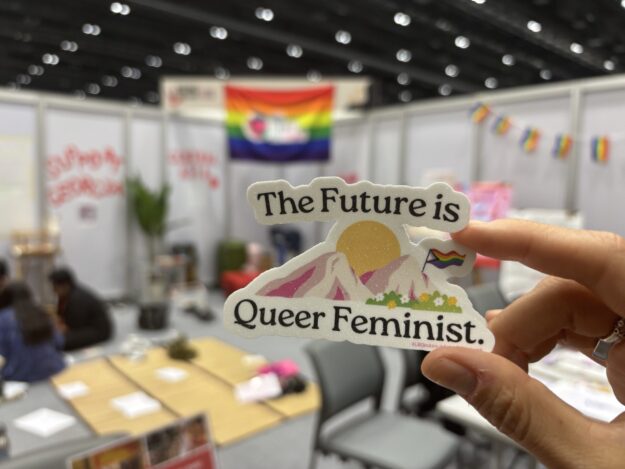
“This space is important for us to listen to each other, to express ourselves, to cry and to laugh together,” said an activist at the 15th AWID International Forum. The global event brought together more than 2,700 feminists, trans feminists, activists, human rights defenders, artists, LGBTQ+ individuals, and funders from around the world.