

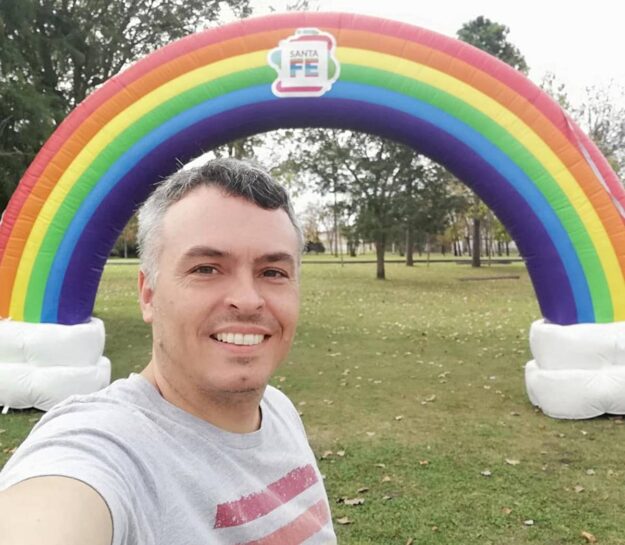
LGBT activist Esteban Paulón won a seat in Congress
Paulón obtained the votes to be a deputy representing his province, Santa Fe.
 Support us
Paulón obtained the votes to be a deputy representing his province, Santa Fe.

Heading into the runoff election, what are the main proposals of Sergio Massa (Union for the Fatherland) and Javier Milei (Freedom Advances) on gender and diversity?
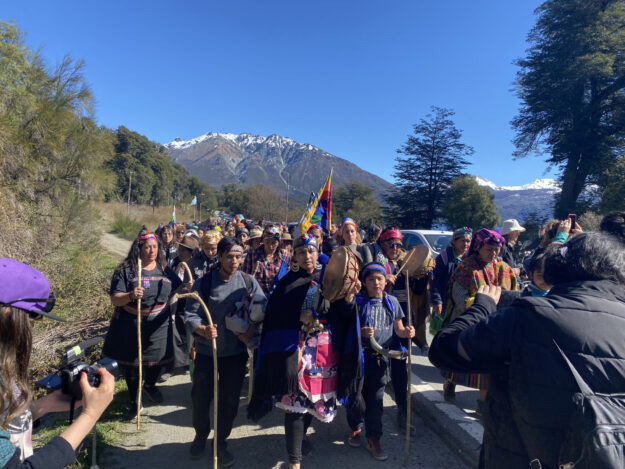
Chronicle of the visit to the Lof Winkul Mapu, 35 kilometers from Bariloche, where the machi Betiana Colhuán and her community resist.
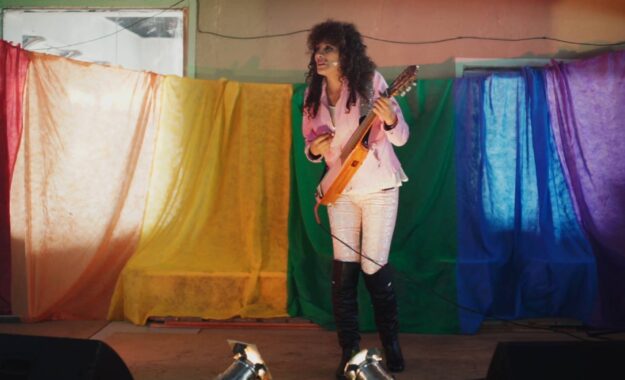
The film tells the story of Alma Cativa Sánchez, a trans woman from Córdoba.
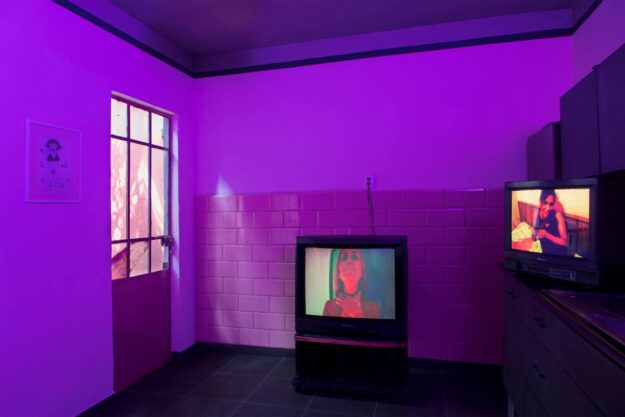
Trans memories, experiences, and stories are narrated through the work of 14 artists exhibiting at the Pandeo space in Mexico City.
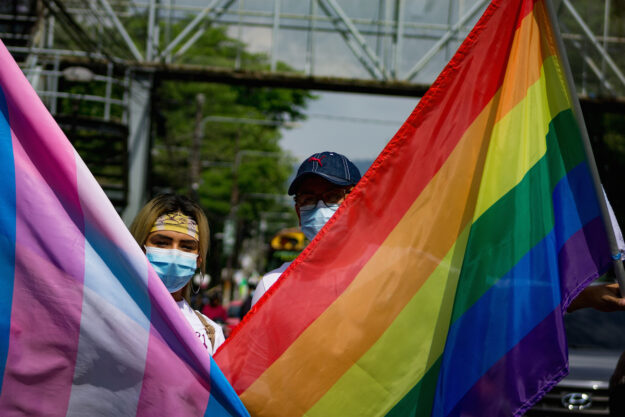
President Bukele's state of emergency reduced gang threats but increased human rights violations by the Police and Armed Forces.
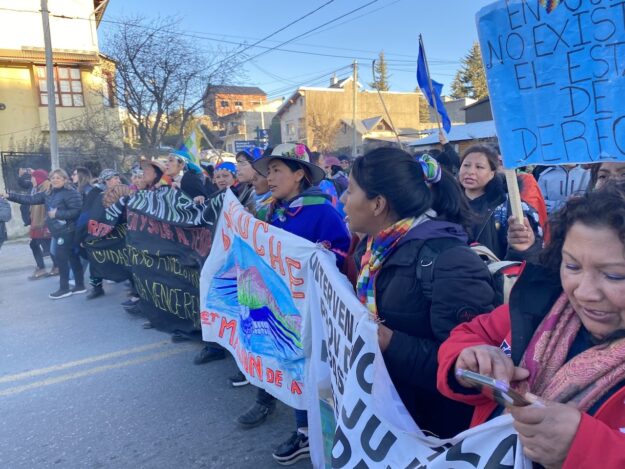
Chronicle of the march of the 36th Plurinational Meeting of Women, Lesbians, Transvestites, Trans, Bisexuals, Intersex and Non-Binary People in Bariloche.
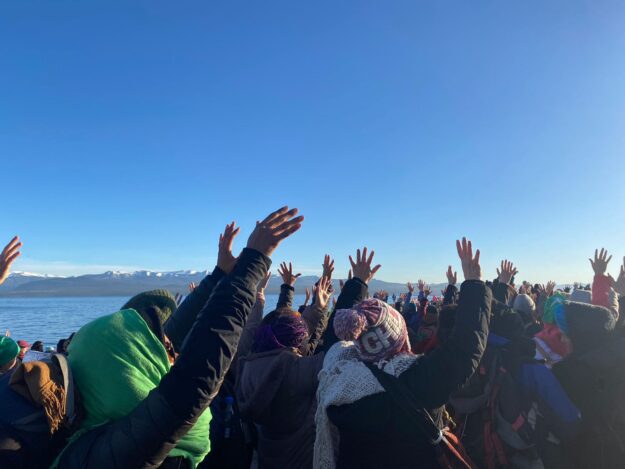
Chronicle of the 36th Plurinational Meeting of Women, Lesbians, Transvestites, Trans, Bisexuals, Intersex and Non-Binary People in Bariloche/Furilofche.
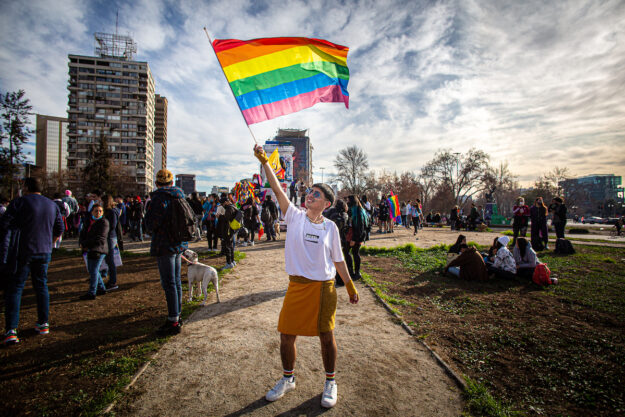
The ILGA LAC organization designed a training space that is now accepting registrations.
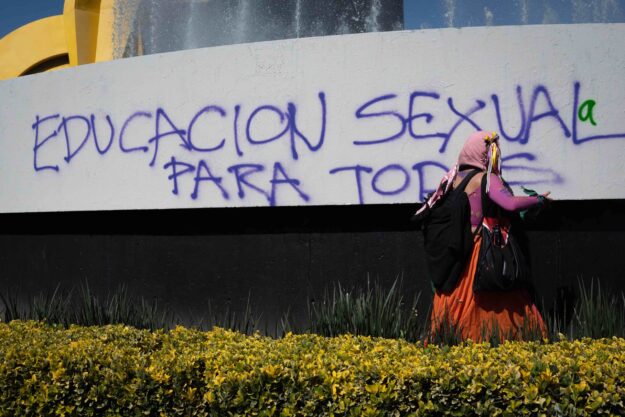
The Mexican Constitution includes provisions for Sex Education with a gender perspective, but the advance of conservative sectors seeks to halt any implementation.