

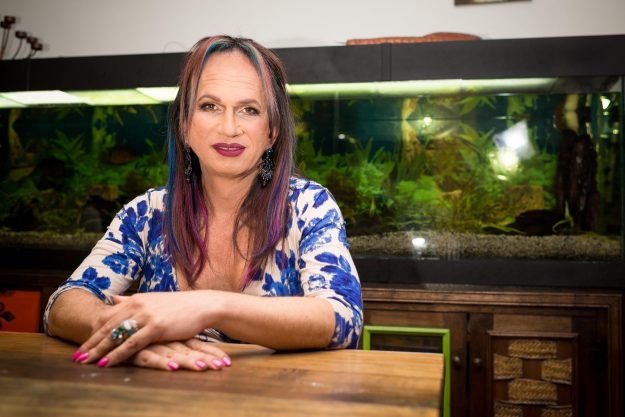
Brigitte LG Baptiste, trans biologist: "Science needs to be deconstructed"
Interview with the renowned Colombian biologist and ecologist Brigitte LG Baptiste.
 Support us
Interview with the renowned Colombian biologist and ecologist Brigitte LG Baptiste.

By Lucas Fauno Gutiérrez and Jon Amarillo. Every Thursday on Presentes, a new episode of Bicho y Yo: Bicho y Yo #54: Intimacy and HIV #BichoYYo53: “No toasts, no wishes: concrete actions to stop the pandemic!” #BichoYYo52: Can we support someone with HIV? #BichoYYo51: #LivingWithHIV 1 year of Bicho y Yo: Thank you for making us go viral! #BichoYYo50: Day of…

By Lucas Fauno Gutiérrez and Jon Amarillo. Every Thursday on Presentes, a new episode of Bicho and Me: #Bicho and Me54: Intimacy and HIV #Bicho and Me52: Can we support someone with HIV? #Bicho and Me51: #LivingWithHIV 1 year of Bicho and Me: Thank you for making us go viral! #Bicho and Me50: World AIDS Day: activism isn't just once a year #Bicho and Me49: Bicho…
By Lucas Fauno Gutiérrez and Jon Amarillo. Every Thursday on Presentes, a new episode of Bicho and Me: #BichoAndMe52: Can we support someone with HIV? #BichoAndMe51: #LivingWithHIV 1 year of Bicho and Me: Thank you for making us go viral! #BichoAndMe50: World AIDS Day: activism isn't just once a year #BichoAndMe49: Bicho and Me: Is she pregnant and…
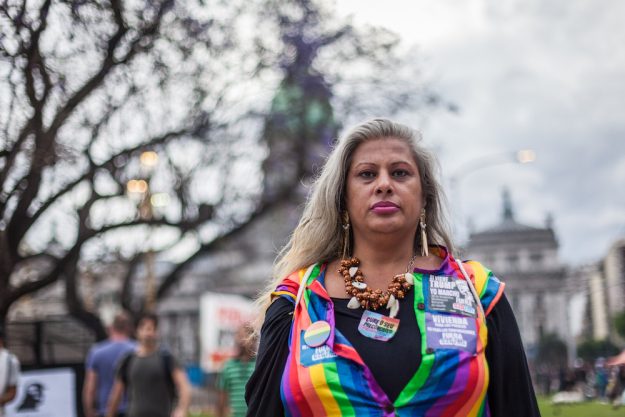
Interview with trans activist Indianare Siqueira, alternate trans councilwoman in Rio de Janeiro. "With Bolsonaro, the worst possible scenario is unfolding for LGBT+ people in Brazil; our lives are at risk."
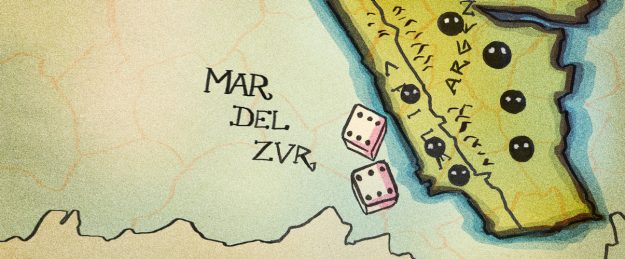
In Latin America, new cases of HIV+ are increasing, and to stop the pandemic, new laws protecting the rights of people living with the virus and ensuring an adequate supply of medication are key.
In Latin America, new cases of HIV+ are increasing, and to stop the pandemic, new laws protecting the rights of people living with the virus and ensuring an adequate supply of medication are key.
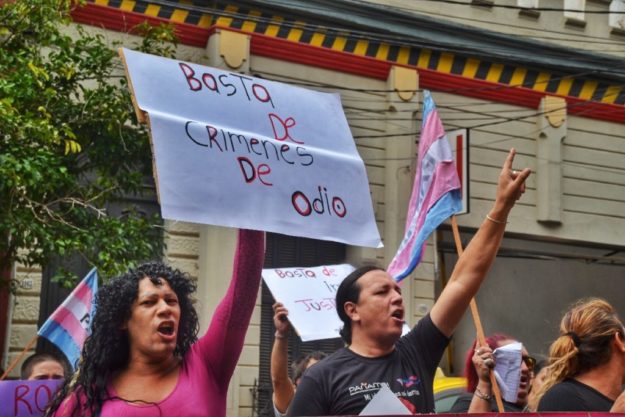
By Juliana Quintana. 2018 is another year that ends without the Paraguayan Congress addressing an anti-discrimination law. In the first year of Mario Abdo Benítez's government, no progress has been made in terms of legal regulations for the promotion and protection of the rights of lesbian, gay, transgender, and other LGBTQ+ people.

For many of us, trans or transvestites, these dates are a living reminder of not belonging to a family.

By Lucas Fauno Gutiérrez and Jon Amarillo. Every Thursday on Presentes, a new episode of Bicho and Me: #BichoAndMe51: #LivingWithHIV 1 year of Bicho and Me: Thank you for making us go viral! #BichoAndMe50: World AIDS Day: activism isn't just once a year #BichoAndMe49: Bicho and Me: Are you pregnant and have HIV? #BichoAndMe48: “We march for our…