

Comprehensive Sexuality Education in Mexico: a constitutional right hindered by conservative sectors
The Mexican Constitution includes provisions for Sex Education with a gender perspective, but the advance of conservative sectors seeks to halt any implementation.


Share

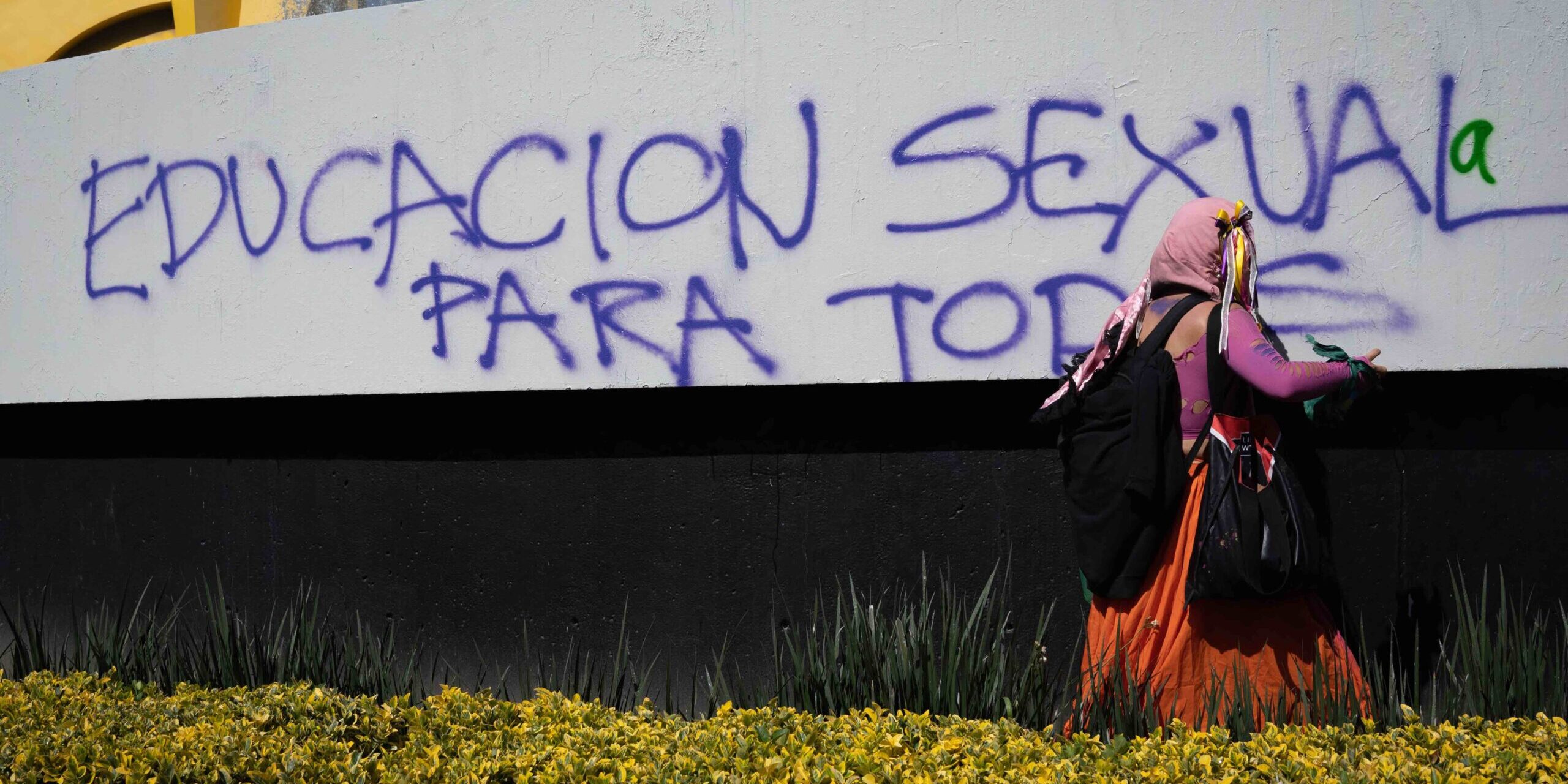
In Mexico, comprehensive sexuality education (CSE) is a right, but there is no specific subject dedicated to it, nor are there any established curricula. The limited content is restricted to reproduction and human development within subjects like civics and ethics, biology, and science. Why is its implementation important, and what are the outstanding issues and obstacles?
According to research and the 2023 National Survey on Comprehensive Sexuality Education in Adolescents conducted by ILSB, students in Mexico demand access to other topics about sexuality in their educational spaces beyond the focus on human reproduction, knowledge of the body and its development.
Since 2019, Article 3 of the Constitution stipulates that the right to education in Mexico "will have a gender perspective and an integral orientation (...) therefore, it will include knowledge of the sciences and humanities, (...) sexual and reproductive education."
Likewise, the General Law on the Rights of Girls, Boys and Adolescents states that education must "promote comprehensive sexual education according to their age, evolutionary, cognitive development and maturity."
The demands
According to research and the 2023 National Survey on Comprehensive Sexuality Education in Adolescents conducted by ILSB, students in Mexico demand access to other topics about sexuality in their educational spaces beyond the focus on human reproduction, knowledge of the body and its development.
According to the data, teenagers would like their schools to address topics such as violence and safety (48%), gender (44%), diversity (44%), sexuality (40%), and relationships (39%). Furthermore, they believe that comprehensive sex education should begin at the primary school level (ages 6 to 12).
“In Mexico, sex education exists, but we see that there are multiple reasons why comprehensive sexuality education is not yet being provided. We see, for example, that myths and prejudices about sexuality still persist in society, in families, and among teachers. The lack of allocated funding is another factor, but anti-rights groups that try to prevent it from being taught are also an obstacle,” Eugenia Likar, deputy director of the Simone de Beauvoir Leadership Institute (ILSB) , explained to Presentes
The Ministry of Public Education (SEP) has published new free textbooks for elementary school students, covering topics such as diverse family models, sexual abuse prevention, sexual diversity, and sexual health care. In Presentes , we analyze how anti-rights groups and politicians are using these educational materials to spread misinformation and take the content out of context.
42% of students do not ask questions due to shame and fear
In Mexico, 42% of high school students don't ask about sexuality due to fear and embarrassment. A smaller percentage don't ask because of societal myths and because it's a taboo subject in their families and communities.
It was also found that 46% of students have questions about sexuality, but only 4 out of 10 manage to resolve them. The students with the most questions are those of African descent (54%) and those living with a disability (58%).
Nearly half (41%) rely on friends to resolve these doubts. 25% turn to their teachers and 51% to their mother or father.
“We find it very concerning that fear and shame are the main reasons for not asking questions. We understand that this is enabled by an environment where prejudices persist, but also where there is a historical debt owed. For better or worse, young people most often turn to their parents and teachers for advice. That's why it's so important that comprehensive sexuality education (CSE) reaches both formal and informal educational settings with clear, truthful, scientific, and up-to-date information. It needs to be accessible to all generations because it's true that there's no specific age for having questions about sexuality,” Likar adds.
The impacts of CSE
According to the United Nations Educational, Scientific and Cultural Organization (UNESCO), comprehensive sexuality education is a curricular process of teaching and learning about the cognitive, emotional, physical, and social aspects of sexuality. Its objective is to provide children and young people with the tools, knowledge, skills, and attitudes that will allow them to live with well-being and dignity, and to guarantee the protection of their rights throughout their lives.
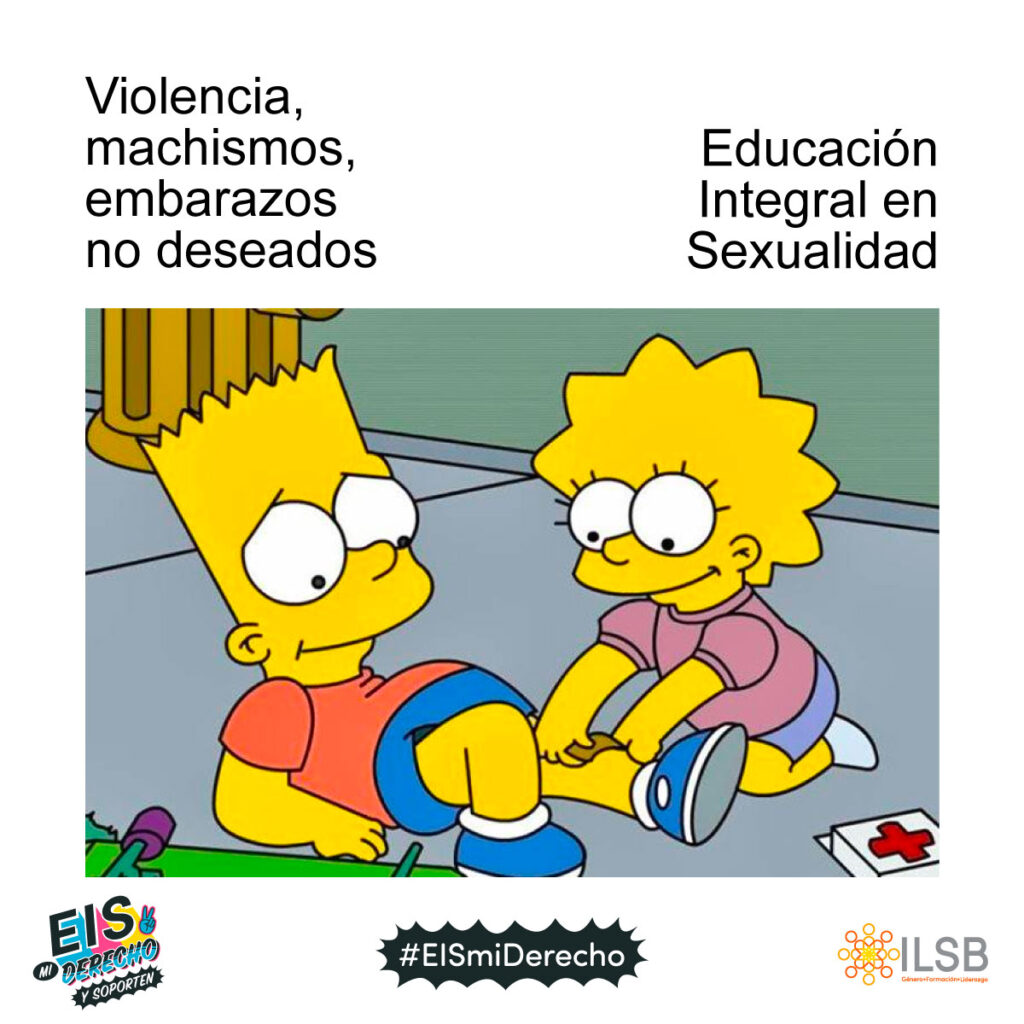
“Contrary to what conservatives say, CSE does not promote any sexual orientation. Nor does it promote early sexual activity; quite the opposite. Comprehensive sexuality education promotes healthy self-care behaviors and habits to enable informed decision-making. It is based on scientific information to foster a broad and positive understanding of sexuality as part of human development. CSE is beneficial for reducing unwanted pregnancies. But it is also crucial for exercising the right to autonomy, recognizing all forms of diversity, and acknowledging subtle but evident manifestations of aggression,” explains Likar.
Some benefits of CSE
- the increased use of condoms,
- increased use of contraceptive methods,
- the prevention of unwanted pregnancies and sexually transmitted infections,
- It strengthens critical thinking in decision-making and in recognizing direct and subtle manifestations of violence in relationships.
- It helps to recognize and prevent actions that violate their sexual and reproductive rights.
Liker argues that the comprehensiveness of sex education is subject to a series of variables that mean that less than half of the recommended content that should be explained regarding comprehensive sex education is actually being applied.”
Without sufficient budget or training on CSE
Recently, topics and approaches on sexuality and diversity were integrated into the new free textbooks .
Activists at the Simone de Beauvoir Leadership Institute's training center found that 10% of the Teacher Professional Development Program's budget is allocated to these issues. This equates to 587 pesos (US$35) annually per school. Furthermore, they discovered that this training is not mandatory.
Anti-ESI projects
Furthermore, the right-wing, religiously oriented political landscape, in alliance with organizations like the National Front for the Family, seeks to impose legislative barriers. This amounts to a veto granted to parents regarding educational content on sexuality.
In Mexico, there is a constitutional mandate for secular public education. However, right-wing political parties such as the National Action Party (PAN), the Institutional Revolutionary Party (PRI), and Christian-leaning parties like the PES (Solidarity Encounter Party, formerly the Social Encounter Party) are seeking to reform local education laws in nine states under the false pretense of "protecting" children and adolescents.
In 2020, the state of Aguascalientes was the only one where it was approved at the legislative level. However, the Supreme Court of Justice of the Nation declared unconstitutional the reform that required school authorities to notify parents when topics “related to morality, sexuality, and values” were discussed. Several UN agencies expressed their concern about the matter.
These types of proposals had a global impact after the Spanish far-right party, Vox, promoted parental consent in 2018. In 2020, the conservative politician, then belonging to the PES, Carlos Leal, was the first to propose this type of reform in Mexico.
Disinformation campaigns
This year, in the pre-election period, presidential candidate Eduardo Verástegui and congresswomen Lilly Tellez, América Rangel, and Teresa Castells have been using their social media platforms to spread disinformation. They share false information about comprehensive sex education, LGBTQ+ rights, and women's rights. They are echoing anti-rights narratives used by members of the Republican Party in the United States.
This link contains the ILSB's ESI campaign, including manuals with an intersectional approach.
We are present
We are committed to journalism that delves into the territories and conducts thorough investigations, combined with new technologies and narrative formats. We want the protagonists, their stories, and their struggles to be present.
SUPPORT US

FOLLOW US
Related notes
We are present
This and other stories are not usually on the media agenda. Together we can bring them to light.