

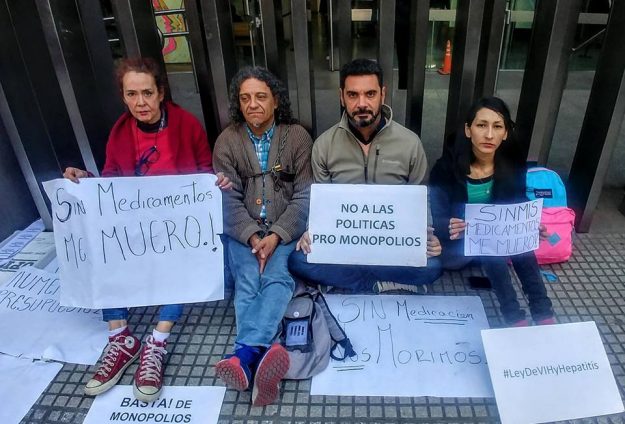
March against cuts in Public Health: there are already shortages of HIV medication
People living with HIV are facing uncertainty about what will happen to their medication and care, as the 2019 budget proposal will not be enough to cover it.
 Support us
People living with HIV are facing uncertainty about what will happen to their medication and care, as the 2019 budget proposal will not be enough to cover it.

We know that early detection of HIV prevents risky situations. So why aren't we getting tested?

In July of this year, UNAIDS and the World Health Organization (WHO) confirmed what many of us already knew: an HIV+ person on antiretroviral treatment who maintains undetectable viral load does not transmit the virus.

In Argentina, 6,500 new HIV diagnoses are registered each year. In 2017, the epidemiological bulletin published by the then Ministry of Health reported an increase in new cases among women aged 45 to 59. Of all those who know their HIV status, 81% are receiving treatment. Regular testing is crucial for early intervention. Regardless of age, getting tested is always a good idea.
In Argentina, 6,500 new HIV diagnoses are registered each year. In 2017, the epidemiological bulletin published by the then Ministry of Health reported an increase in new cases among women aged 45 to 59. Of all those who know their HIV status, 81% are receiving treatment. Regular testing is crucial for early intervention. Regardless of age, getting tested is always a good idea.
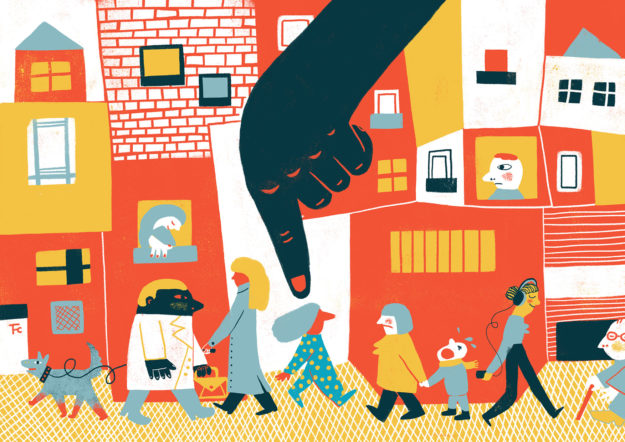
In Mendoza this Wednesday, the 12th, a reform to the Provincial Code of Misdemeanors will be voted on, criminalizing the transmission of HIV and STIs. The reform to the current code also punishes situations such as social protest and alleged offenses against public officials.
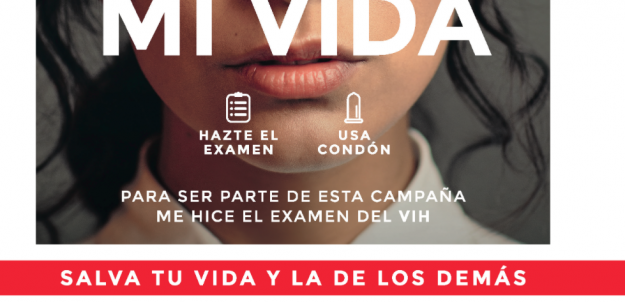
The new figures released by the Ministry of Health of the Government of Chile indicate that the upward trend in positive notifications - particularly among the younger population - continues to rise steadily.

This week, Argentina's President Mauricio Macri announced the reduction of half of the national ministries, including the Ministry of Health.

If three out of four people living with HIV in Argentina know their status, it means one out of every four doesn't. Worldwide, 25% of people living with HIV are unaware of their status. Testing is crucial for early detection. In Argentina, testing is free, safe, and confidential.

The neologism and technical term "cisgender" was introduced in 1991 by the German psychiatrist and sexologist Volkmar Sigusch. Since "trans" identities existed, there also needed to be a way to name people who identify with the sex assigned to them at birth. The prefix "cis" (which comes from Latin) means "this side" or "on this side."