

Justice for Zoe: the court considered it femicide but ruled out the aggravating circumstance of hate crime
The court ruled that the murder of Zoe López García—Gondolín's aunt and a human rights advocate for transgender and transvestite people—was aggravated by the familial relationship and the presence of gender-based violence, but dismissed the hate crime charge. Her partner, the perpetrator, was convicted.


Share

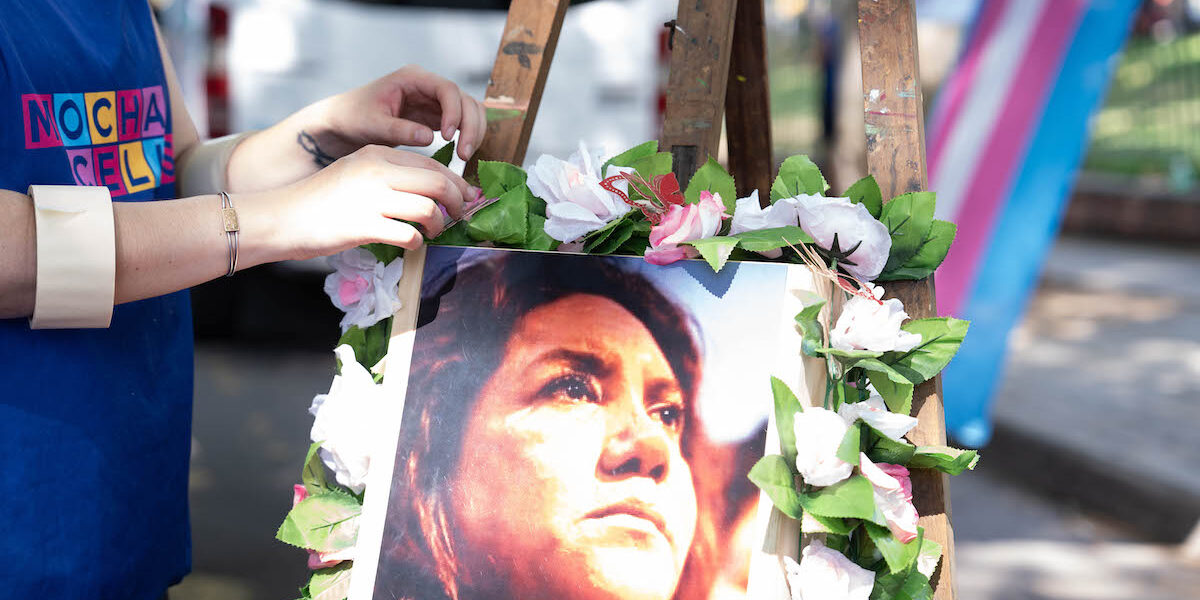
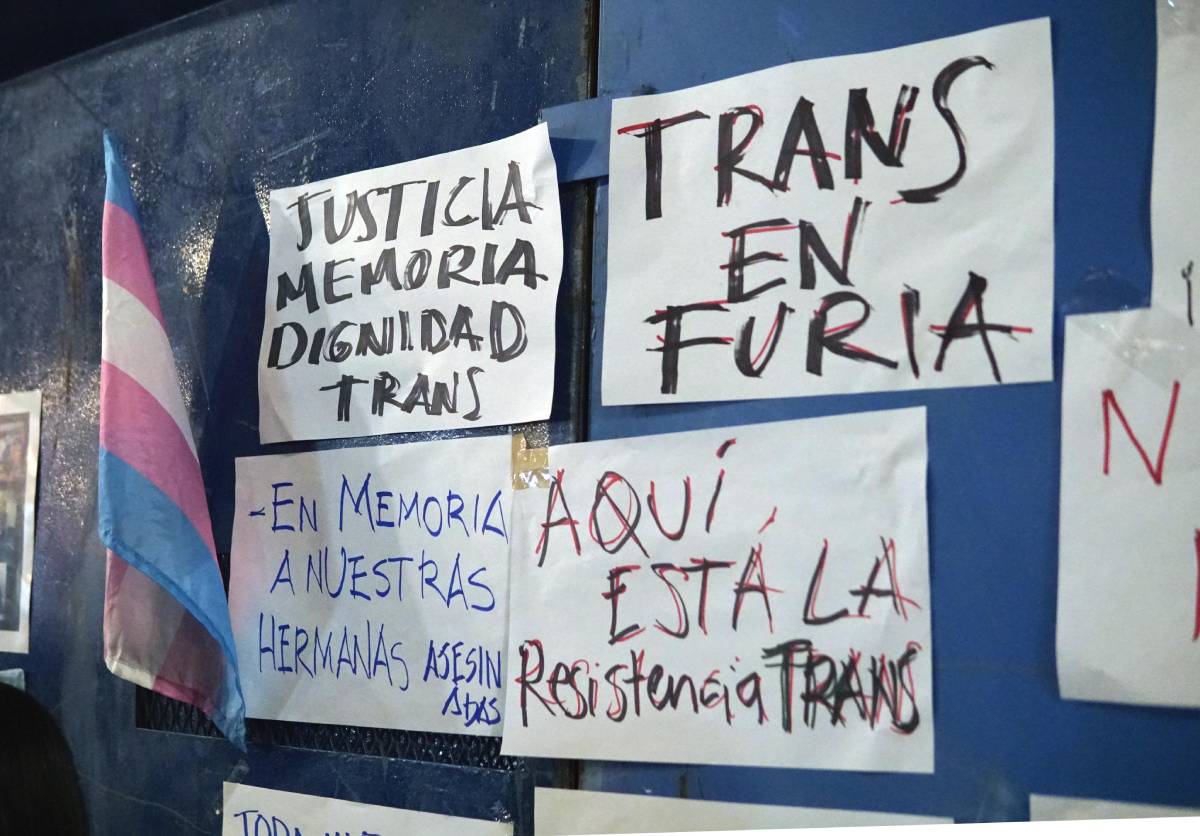
BUENOS AIRES, Argentina. The Oral Criminal and Correctional Court No. 4 unanimously convicted Norberto Fabián Villegas for the transphobic murder of Diana Zoe López García, a trans activist at the Hotel Gondolín. The court determined that the murder was doubly aggravated by the familial relationship between the victim and the perpetrator and by the fact that it was committed against a woman, with gender-based violence as a factor. Therefore, the court dismissed the claim that it was a transphobic murder, that is, a crime motivated by hatred of the trans identity of "Aunt Zoe."
Despite the evidence and testimonies presented throughout the trial, the court, composed of Pablo Laufer, Ivana Bloch, and Julio César Báez, rejected the request from the prosecution and the plaintiffs to consider the perpetrator's actions a hate crime based on gender identity. The grounds for the verdict will be released on Wednesday, April 29.
Aunt Zoe
Zoe López García was a great defender of the rights of trans and travesti people . In her activism for access to housing, she laid the foundation for the Hotel Gondolín. Today, the hotel houses more than 30 people from different provinces. She was murdered on Saturday, November 11, in a hotel located in the Balvanera neighborhood. Her murder encapsulates many of the forms of violence experienced by LGBT people in our country.
Without remedial measures
In their argument, the plaintiffs, represented by lawyer Luciana Sánchez, had requested a series of reparations for the trans and travesti community. These requests were also disregarded at this stage.
In an interview with La Retaguardia, the digital media outlet that broadcast the trial, Sánchez explained: “The reparations measures involved recognizing Zoe as a human rights defender, but also acknowledging that the Buenos Aires City Public Prosecutor's Office could have intervened but didn't because it shelved the case. Zoe was murdered by the person who said he was going to kill her. This could have been prevented,” the lawyer stated.
In the ruling, as requested by the defense, the court also declared Article 14, Section 1 of the National Penal Code unconstitutional with respect to life imprisonment. This means that, at some point during his sentence, the transvestite murderer may request parole. Such a request from the defense is common in many trials but is not always granted.
We are present
We are committed to journalism that delves into the territories and conducts thorough investigations, combined with new technologies and narrative formats. We want the protagonists, their stories, and their struggles to be present.
SUPPORT US

FOLLOW US
Related notes
We are present
This and other stories are not usually on the media agenda. Together we can bring them to light.