

The trial for the transvesticide of Zoe, nearing sentencing
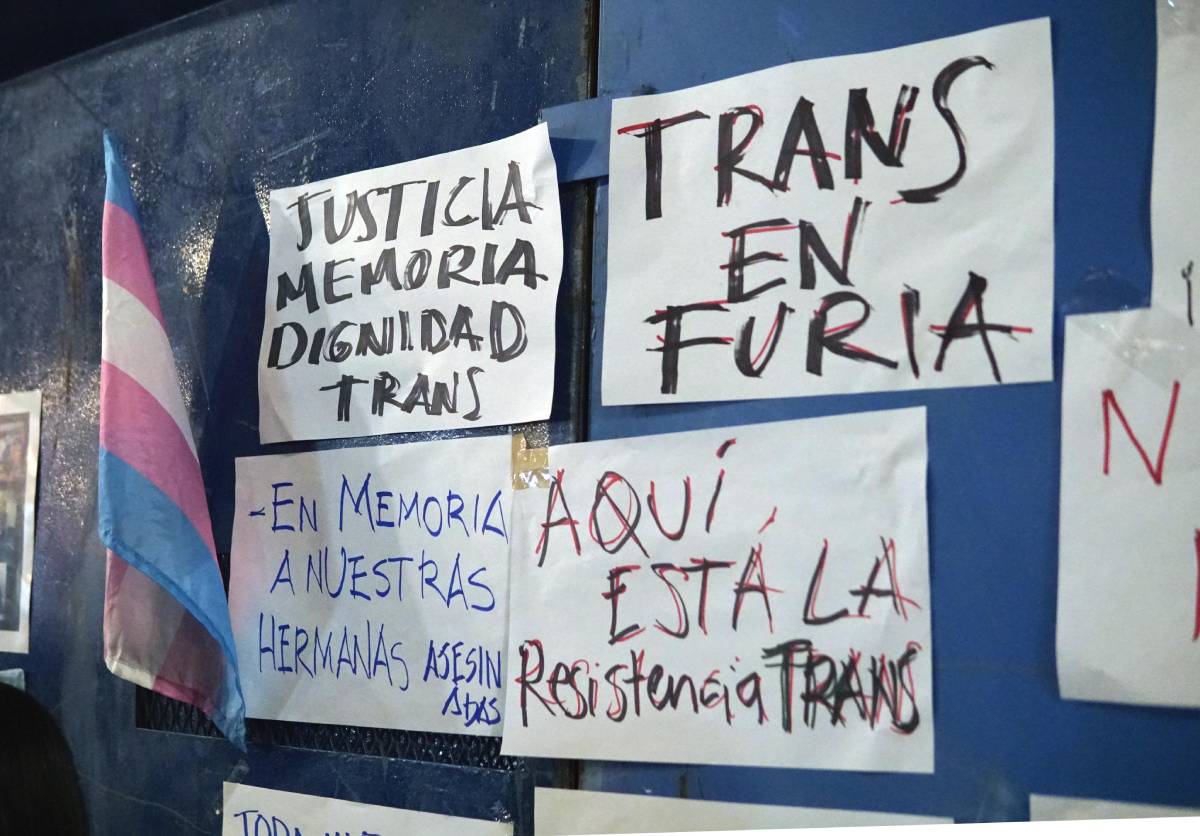
The trial for the transphobic murder of Zoe has entered its final stages. In their closing arguments, both the prosecution and the plaintiff emphasized the perpetrator's intent.


Share

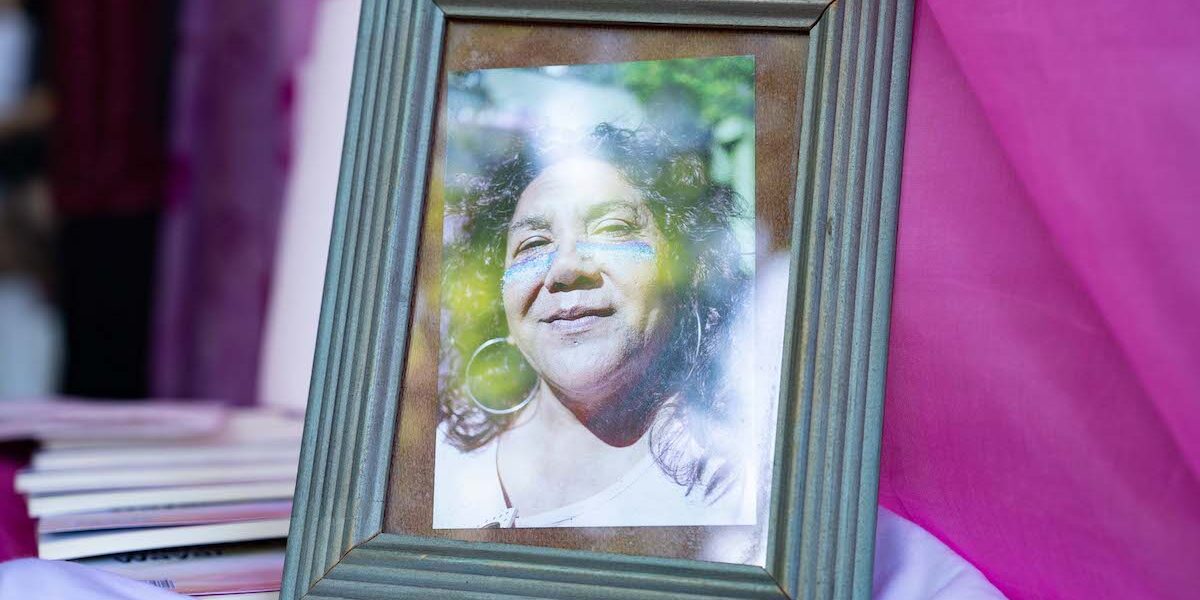
BUENOS AIRES, Argentina. The trial for the murder of trans activist Diana Zoe López García, who for years managed the Hotel Gondolín, will soon reach a verdict. Between April 13 and 15, two closing arguments were heard. In the first hearing, on Monday the 13th, the prosecution and the plaintiffs argued and reconstructed why it was a hate crime based on gender identity and requested the maximum sentence. The plaintiffs also demanded reparations for the trans community. Meanwhile, in the hearing on April 15, the defense, led by Santiago Ottaviano, requested the minimum sentence.
This trial began on March 27 before the Oral Criminal and Correctional Court No. 4. Located at Talcahuano 550 (CABA), the jury is composed of Pablo Laufer, Ivana Bloch, and Julio César Báez. Bloch and Báez were part of the jury that convicted the transvesticide of Diana Sacayan in 2018, when, for the first time, the murder of a trans woman was recorded in court records as a specific form of violence.
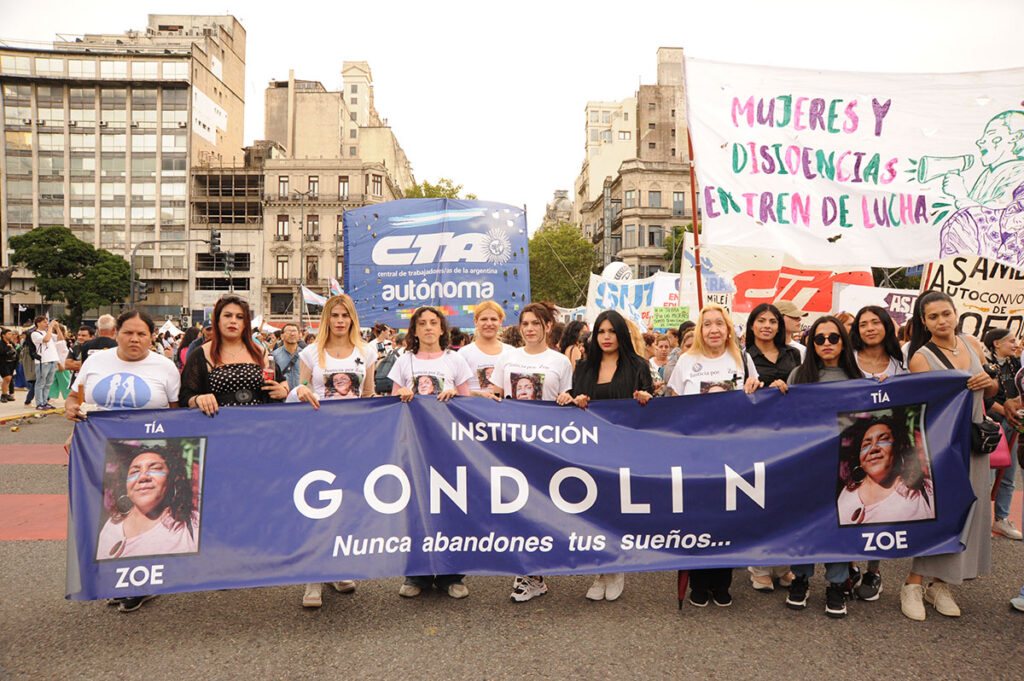
Although the hearings were not public (as requested by Zoe's friends and family), the day of arguments was conducted via videoconference and could be followed thanks to the broadcast by the independent media outlet La Retaguardia.
Throughout the trial, witnesses and experts demonstrated that Fabián Villegas, Zoe's partner, acted with cruelty and hatred toward the trans woman's identity. Villegas is being held in pretrial detention and has been in custody since the day of the murder of Aunt Zoe, as Zoe was known to her friends and fellow activists.
He is accused of “triple aggravated homicide” due to the relationship -Villegas was Zoe's partner for years-; because gender violence was involved -Zoe had a female identity- and because of hatred towards gender identity and expression -she was a trans woman and there was hatred towards her identity-.
As anticipated at the hearing, on Wednesday the 22nd the accused will be able to give his final words and then the court will announce its decision.
Complaint: Many years of violence
Attorney Luciana Sánchez, who represents Zoe's family and has also worked on other cases such as Sacayán's, emphasized: "The victim was subjected to violence for many years." Her presentation outlined the pattern of violence Zoe systematically suffered during her relationship with Villegas. She stressed that Zoe's death was the result of an escalation of violence that included mistreatment, yelling, beatings, and threats.
The lawyer retrieved testimonies heard at the trial from Zoe's friends, fellow activists, and colleagues from the Hotel Gondolin. She also traced the pattern of violence, which included mistreatment, remorse, and then more mistreatment.
“This situation of abuse fits within Leonore Walker’s concept of the cycle of violence,” Sánchez said, referring to the American psychologist and feminist activist. She described three stages: tension building, the aggressor’s acute outburst, and the honeymoon phase. In this cycle, Sánchez explained, “the aggressions become increasingly frequent and increasingly severe,” adding that it is necessary to analyze the incident within a trajectory of violence marked by this cycle in what was Fabián Villegas and Zoe’s relationship.”.
Sánchez also highlighted that the accused had a history of violence against another trans woman who had also lived in Gondolín. She noted that Villegas's violence against Zoe intensified when she began working in the Casa Rosada's dining hall in 2023. It was the first time Zoe had access to formal employment, and she obtained it thanks to the Transgender Employment Quota Law.
"Zoe couldn't defend herself"
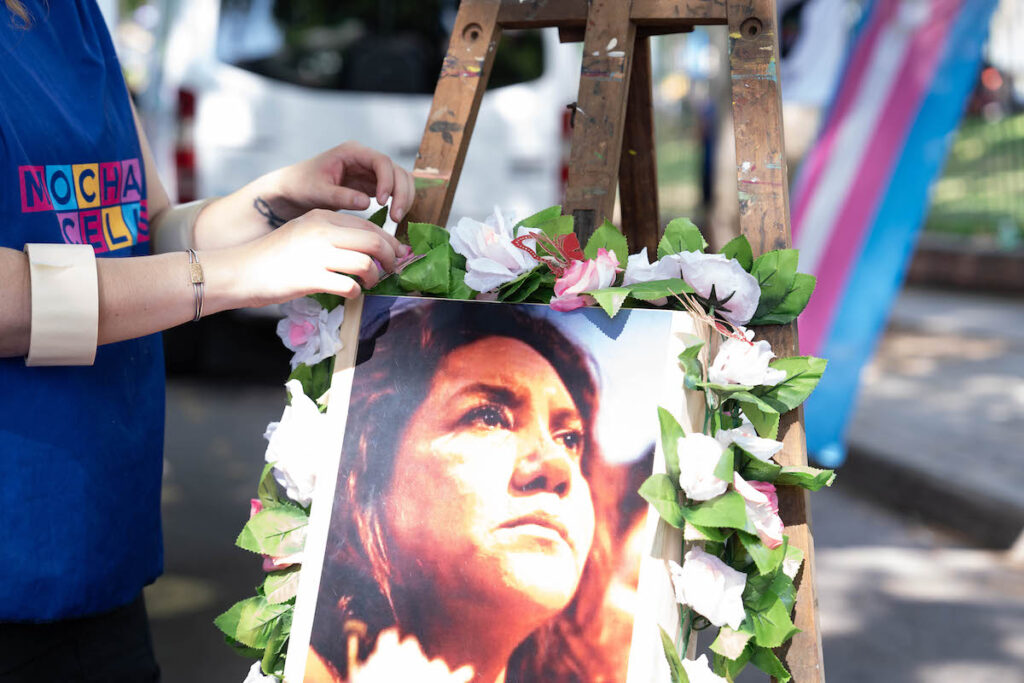
Sánchez emphasized that Zoe died, according to the forensic report, from internal and external bleeding caused by her injuries. “Zoe was unable to defend herself against both the blow to her head and the injuries inflicted with a large-bladed knife on her thigh.” He also noted as significant the fact that Villegas, once Zoe was dead, removed her clothing and left her naked and exposed on the bed. Furthermore, he cleaned the blood from the floor before calling 911.
During the proceedings, Villegas insisted that he “doesn’t care that she’s a trans woman.” However, Sánchez observed that the beatings, the injuries, the hate speech, his earlier statement to 911 that he had injured a trans woman, and the subsequent exposure of her body when the police arrived demonstrate contempt for Zoe’s trans body and life.
On the other hand, part of the argument emphasized that Zoe had filed a complaint against Villegas with the Domestic Violence Office of the Supreme Court.
Prosecutor: "He intended to end Zoe's life"
In his closing argument, prosecutor Eduardo Rosende dismissed the possibility that the murder of the woman was a case of self-defense. The evidence, he stated, clearly demonstrates that the accused had the intent to kill Zoe.
The prosecutor based the first part of his argument on the scene where Zoe was murdered. He explained that in less than nine minutes, Villegas called 911 for help. Initially, he said he had hit his wife and that she was unconscious. But throughout the recording, he admitted that she was actually injured.
She emphasized that throughout the hearings and through various testimonies, the accused was described on more than one occasion as a man with an aggressive, violent, and problematic personality. And that Zoe, the victim, “had a more harmonious, calm, and peaceful personality.” This was in addition to her work as a human rights and trans rights advocate. All the testimonies portrayed Zoe as a person concerned with caring for those around her, including the accused's family.
Rosende stated that during the process, two profiles emerged describing who was the perpetrator of violence in the relationship. “It is telling that all the evidence places Villegas in a completely and absolutely asymmetrical position in the power dynamic and in the personality dynamic, portraying him as the aggressor in the relationship, and Zoe as someone who always managed to minimize conflicts, overcome them, or be willing to care for her partner and his family.” She also mentioned that Zoe worked tirelessly to obtain medication for Villegas's mother, who was suffering from cancer.
The evidence, she said, exposed the situation of gender-based violence that targeted not only her as a partner but also her social role as a leader in the Gondolín community. This included insults and derogatory remarks against members of the trans and travesti community, particularly against Zoe's colleagues at the hotel.
Prosecutor Rosende dismissed any hypothesis of a fight or confrontation. He added that there is no evidence to suggest that Villegas "was even close to defending himself." He also explained that "it's often said that if Villegas had a relationship with a trans woman, how can anyone justify wanting to kill her because of who she was? And the answer is, for the same reasons and methods we're used to seeing, the same reasons why men kill women they claim to have loved.".
After the presentation and description of the crime scene in the hotel room at 2300 Mexico Street, Prosecutor Rosende requested life imprisonment for triple aggravated homicide.
The defense's argument
At the second hearing of the week, on Wednesday, April 15, attorney Santiago Ottaviano presented his closing argument as Fabián Villegas's defense lawyer. He insisted on the hypothesis of "self-defense" in the context of a fight that escalated into violence. He reviewed the forensic evidence and presented an alternative account of how the violence unfolded. "There was an attack by Ms. García against him, which Villegas responded to," Ottaviano emphasized. He added that the intention was to prevent Zoe from injuring him, and that it was in this context that she ended up being injured.
The lawyer stated that the legal proceedings attempted to create a negative image of Villegas, despite the fact that he called 911 and cooperated fully with the law. He also denied that the accused harbored any animosity toward the trans and travesti community.
Regarding the requests from the prosecution and the plaintiffs, based on the evidence, about why it was a gender hate crime, the defense attorney said that it was a “forced” analysis.
To conclude his argument, the lawyer requested the minimum sentence due to alleged mitigating circumstances. He also questioned the requests for life sentences for his client.
At the end of the hearing, the court announced that the proceedings will continue on Wednesday, April 22, at 9:00 a.m. The defendant is scheduled to speak that day, should he choose to do so. Following the hearing, the court will deliberate and reach a verdict.
We are present
We are committed to journalism that delves into the territories and conducts thorough investigations, combined with new technologies and narrative formats. We want the protagonists, their stories, and their struggles to be present.
SUPPORT US

FOLLOW US
Related notes
We are present
This and other stories are not usually on the media agenda. Together we can bring them to light.