

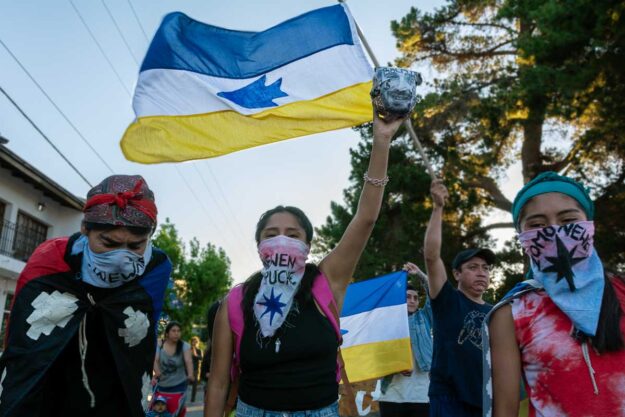
Eviction of a Mapuche community: The failure of the repressive state
Mapuche weychafe Moira Millán writes about the government's deployment and media show to evict the Lof Pailako in Chubut.
 Support us
Mapuche weychafe Moira Millán writes about the government's deployment and media show to evict the Lof Pailako in Chubut.
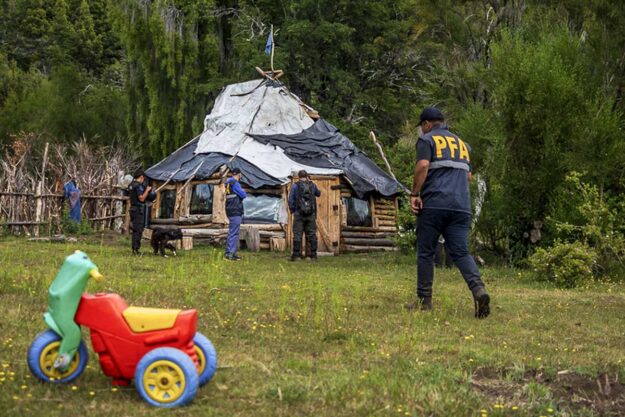
The spectacular deployment by the National Ministry of Security did not have the desired effect: by the time the Federal Police and the Gendarmerie arrived to evict Lof Pailako (Chubut), the community had already left peacefully. A political-judicial web of dispossession and human rights violations.
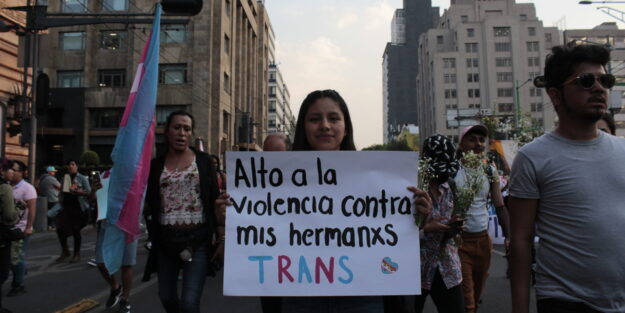
The attack occurred on December 31st in the municipality of Monterrico. Three men assaulted a 22-year-old transgender woman, breaking her jaw.
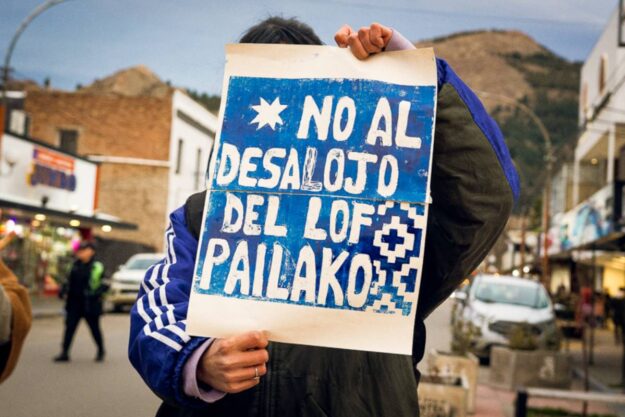
The Lof Pailako community faces another eviction attempt. What is it like and who lives there?.
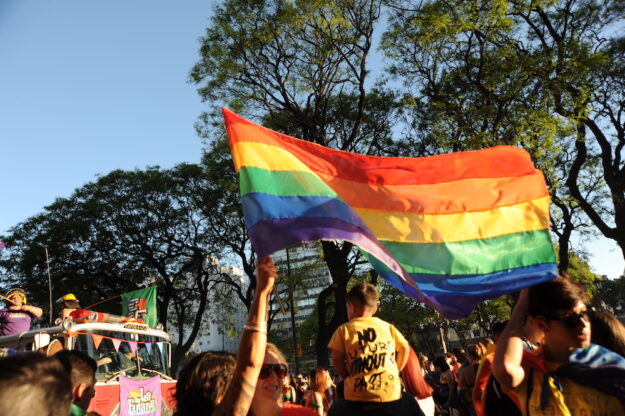
Repository of products and services carried out by people of sexual diversity.
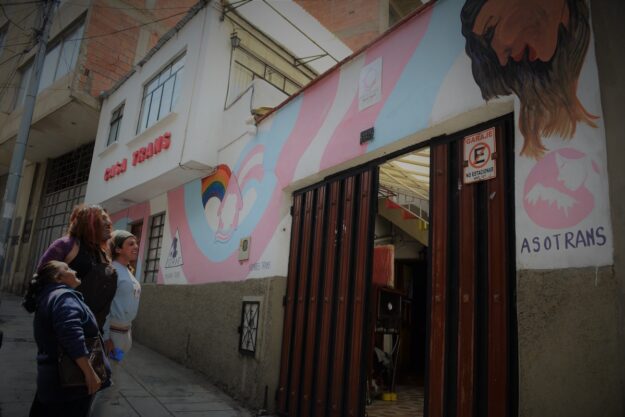
Casa Trans Pamela Valenzuela is a shelter for trans people that has been operating in Bolivia since 2022 and provides multiple forms of support in addition to accommodation.

A 15-year-old boy has been arrested for the transphobic murder of Micaela Arévalo.
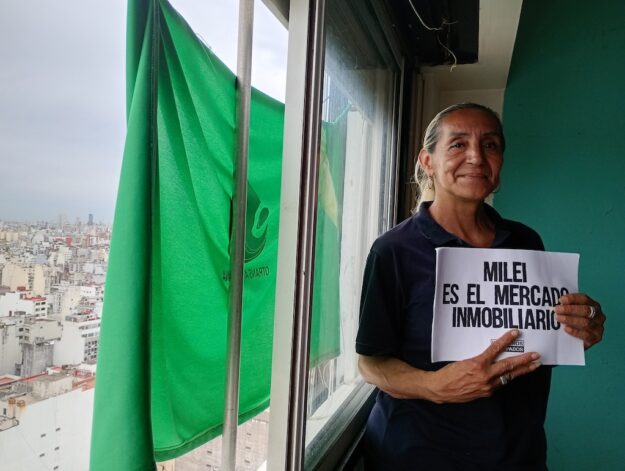
Jem Rodríguez Lozano is a trans activist, migrant, and survivor. At age 12, she left her home in Guayaquil. She is one of the founders of the first trans organization in Ecuador. As a young woman, she was forced into exile in Madrid, Spain. She eventually continued her activism in Buenos Aires. Now facing eviction, she urgently needs help finding a roof over her head and resolving the housing crisis, which has an even more drastic impact on trans and travesti communities.
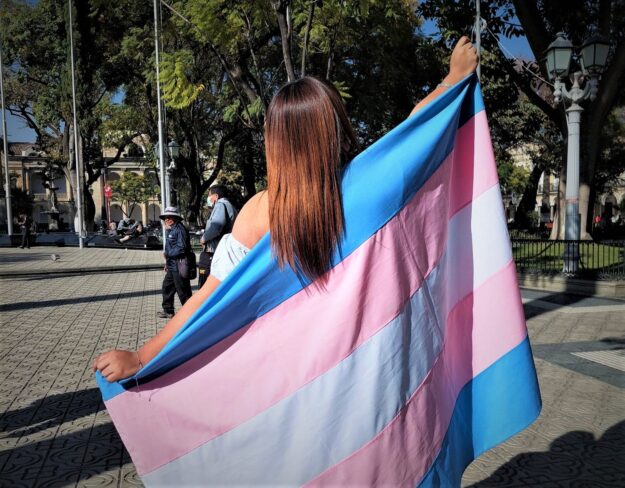
2024 is the year with the highest number of publicly recorded hate crimes in Bolivia. Concern over regulatory stagnation.
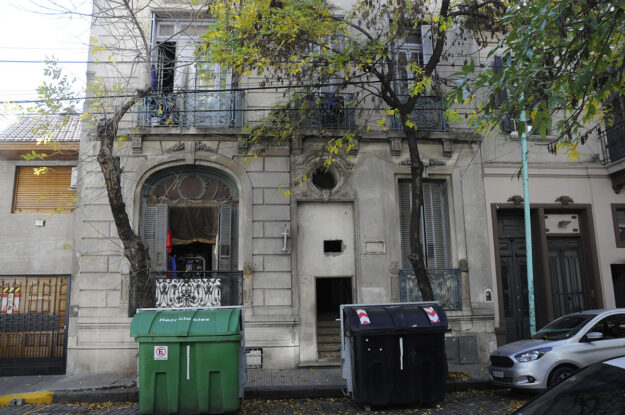
A court ruling orders the Buenos Aires City Government to guarantee decent housing for Sofía Castro Riglos, victim of the triple lesbicide in a family hotel in Barracas.