


Sport must respect trans people: another law was needed in Argentina
The law passed in the Province of Buenos Aires originated with Saira Millaqueo, a trans hockey player from Bahía Blanca, who took legal action to be accepted as a professional.
 Support us
The law passed in the Province of Buenos Aires originated with Saira Millaqueo, a trans hockey player from Bahía Blanca, who took legal action to be accepted as a professional.
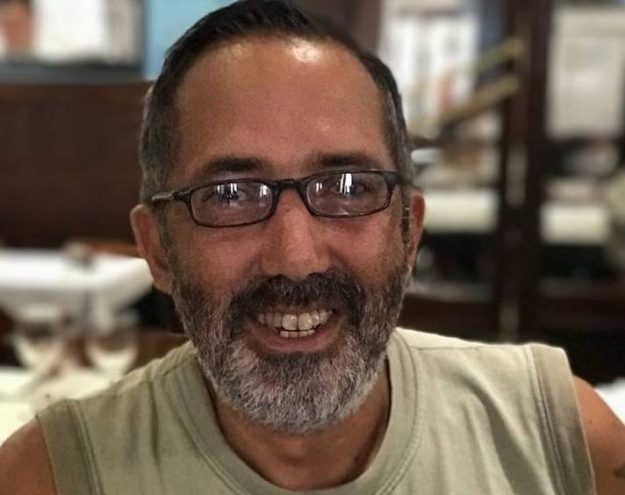
Pablo Pérez is a writer who has lived with HIV since the 1990s. In his work, writing and the virus merge to narrate and raise awareness. De Parado Publishing House decided to compile several of the texts Pérez published every Friday in the SOY supplement of Página/12 into the book POSITIVO, chronicles with HIV. These texts, written between 2010 and 2013, are now brought together in this viral, pornographically sensitive journey, written with fluids and ink.
Pablo Pérez is a writer who has lived with HIV since the 1990s. In his work, writing and the virus merge to narrate and raise awareness. De Parado Publishing House decided to compile several of the texts Pérez published every Friday in the SOY supplement of Página/12 into the book POSITIVO, chronicles with HIV. These texts, written between 2010 and 2013, are now brought together in this viral, pornographically sensitive journey, written with fluids and ink.
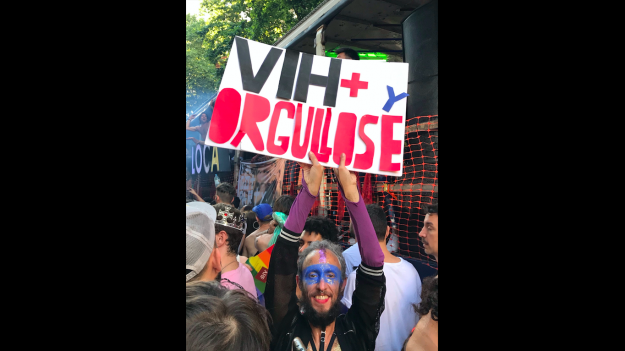
"Pride is a spit in the face of those who await us defeated. I am not proud to live with a virus, I am proud to survive this hypocritical society that only talks about HIV once a year."
"Pride is a spit in the face of those who await us defeated. I am not proud to live with a virus, I am proud to survive this hypocritical society that only talks about HIV once a year."

By Lucas Fauno Gutiérrez and Jon Amarillo. Every Thursday on Presentes, a new episode of Bicho and Me: #BichoAndMe49: Bicho and Me: Is she pregnant and has HIV? #BichoAndMe48: “We march for our Pride” #BichoAndMe47: “We have rights, we will assert them” #BichoAndMe46: Report discrimination in the healthcare system #BichoAndMe45: BichoAndMe: Let's live until the cure for HIV…

Why is this media outlet, which does not usually cover issues of violence against LGBTIQ+ groups, and is not interested in the human rights of these people, now making news of an activity at the Ministry of Foreign Affairs framed within Pride Week?

What you need to know about pregnancy and HIV.

This November 17th we marched under the slogan #StopTransMurders, for a Transgender Employment Quota, for a Law on HIV, Hepatitis and STIs, and against budget cuts to HIV and AIDS.
This November 17th we marched under the slogan #StopTransMurders, for a Transgender Employment Quota, for a Law on HIV, Hepatitis and STIs, and against budget cuts to HIV and AIDS.