

Arguments in trial for triple lesbicide and attack: “The crime was motivated by hatred of the victims”
The prosecution and the plaintiffs' arguments concurred in requesting the maximum sentence and the aggravating circumstances of lesbicide and femicide for the accused in the Barracas massacre. They considered the prior hatred and harassment based on the victims' sexual orientation to be proven and expect the court to explicitly state this in the sentence.

Share

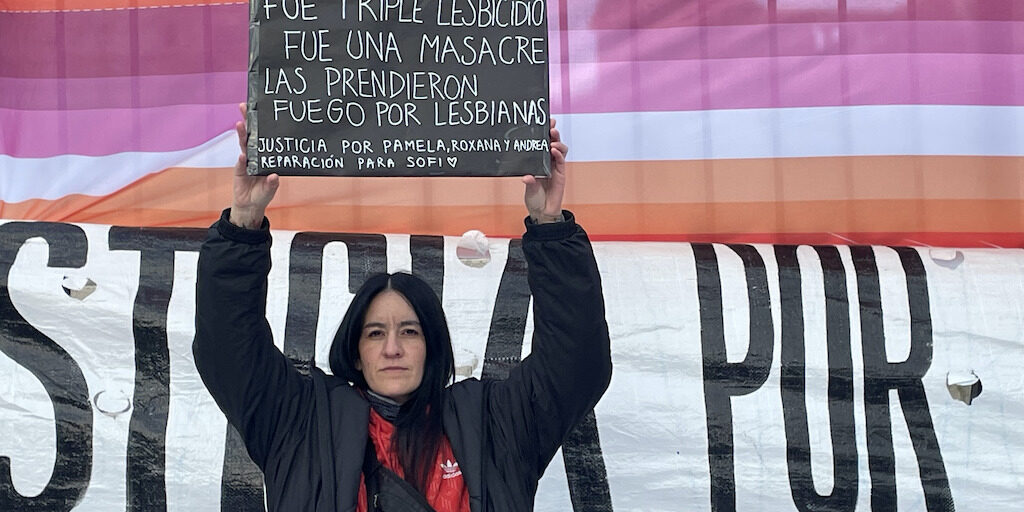
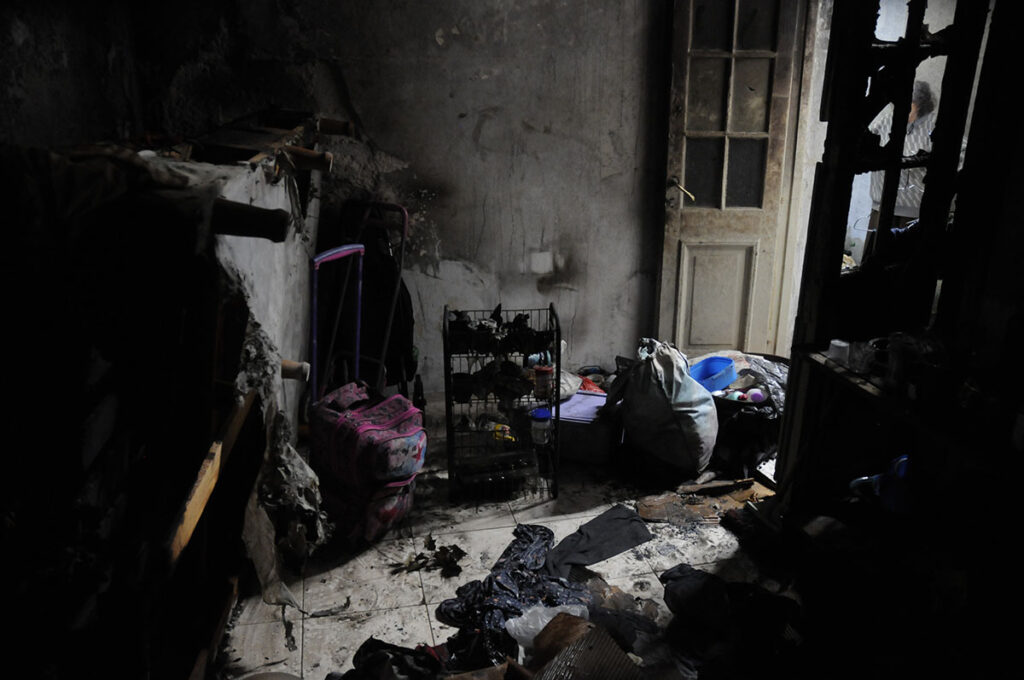
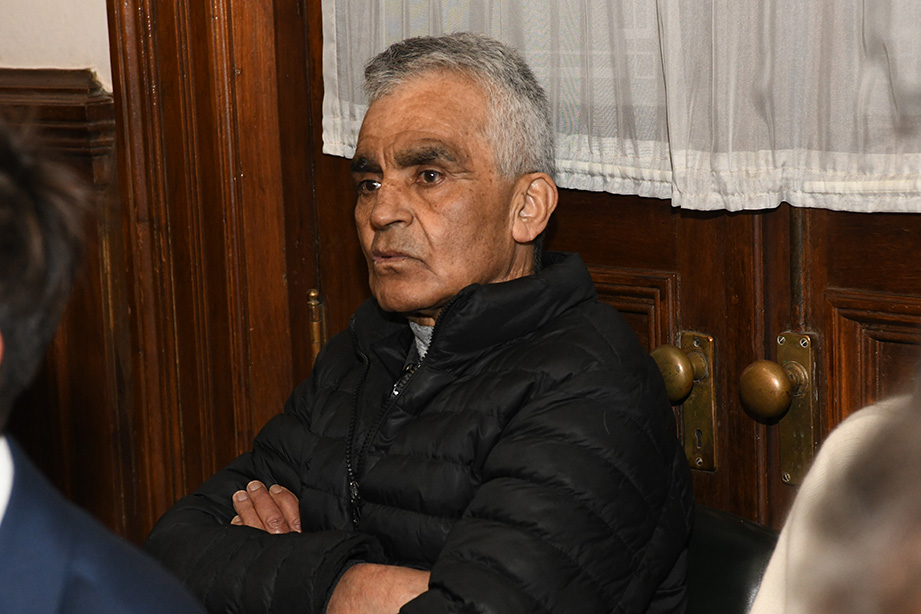
BUENOS AIRES, Argentina. The trial for the triple lesbian murder in Barracas, in which Pamela Cobbas, Roxana Figueroa, and Andrea Amarante were killed, and which left Sofía Riglos Castro, the sole survivor of the attack, with serious injuries, is nearing its end. This week, the victims' families and the prosecution agreed to request that the crime be considered a case of lesbicide and femicide, seeking the maximum sentence of life imprisonment for Justo Fernando Barrientos, the only defendant. The 69-year-old man lived in the same boarding house as the four lesbian women and on the night of May 5, 2024, attacked them by throwing an explosive device into the room where they were sleeping.
The closing arguments were presented on October 26th and 28th. The plaintiffs and the prosecution presented their arguments, reconstructing step by step the brutal attack and its background. Based on this, and considering jurisprudence in Argentina and the international human rights system, they asked the court to consider the maximum sentence for Barrientos and to classify the crime as gender-based violence and a hate crime motivated by the victims' sexual orientation. Thiswas something the investigating court initially refused to acknowledge. However, thanks to the persistent work of lawyers and activists, the legal classification as a hate crime was finally recognized, as stipulated in Article 80, Section 4 of the Argentine Penal Code.
“The crime was motivated by hatred of the victims”
Yesterday, Attorney General Manuel Fernández Buzzi assured the judges of the Oral Criminal and Correctional Court (TOCC) No. 5 that there is sufficient evidence to conclude that “the crime was motivated by a very deep and visceral feeling: the hatred he felt for the victims. He not only burned them alive but did so at night, inside his bedroom, where they lived together.” He emphasized that Barrientos felt “contempt and aversion” toward them for being lesbians. Based on what was heard in the courtroom during the hearings, the prosecution—as well as the plaintiffs—considered it proven that Barrientos's hatred did not originate the day he attacked his victims, but rather that there was a prior history of harassment, as we reported in this agency in May 2024.
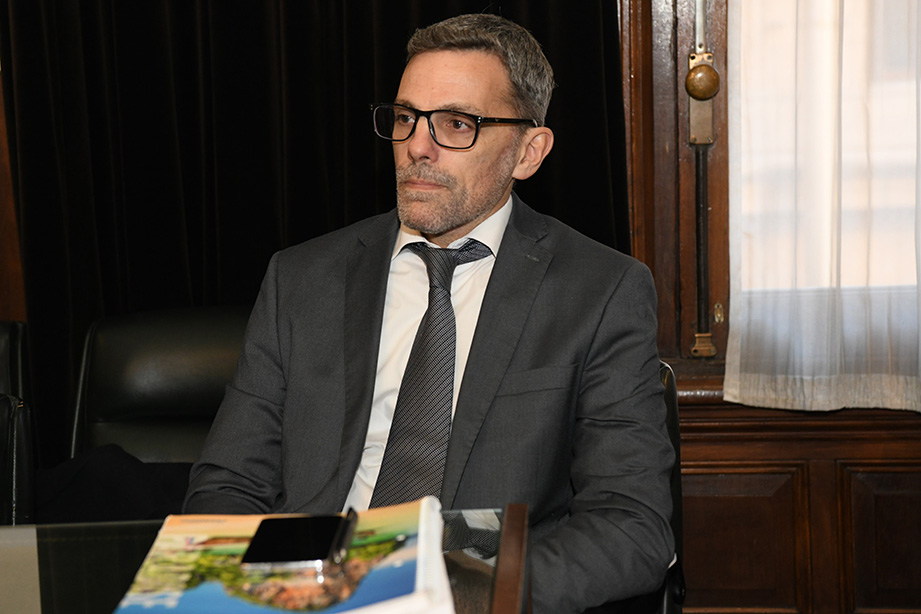
The victims “lived harassed and discriminated against by Barrientos for being lesbians and for being women,” the prosecutor said. He added that Barrientos took advantage of their vulnerability to attack them. “He believed himself superior, allowing himself to discriminate against and despise these women because they didn't conform to the stereotype society assigns them. The motive for the crime was hate. It wasn't just any homicide: he deliberately set them on fire, intending to burn them alive, to make them suffer and agonize.”.
The prosecutor requested that the sentence take into account that the crimes were aggravated by cruelty, gender-based violence, and hatred based on sexual orientation in the cases of Pamela, Roxana, and Andrea, and attempted homicide in the case of Sofía, thus addressing the crimes as femicides and lesbicides. The prosecution also made it clear that “this crime expresses the worst of social interaction: sexism, intolerance, discrimination, and hatred.”.
“We need the State to take care of us”
Before the prosecution, the collective lawsuit filed by the Argentine Federation of Lesbians, Gays, Bisexuals, and Transgender people presented its arguments yesterday. The legal team consists of attorneys Samanta Pedrozo and Flavia Massenzio, and legal assistant Sofía Saavedra Chávez.
Pedrozo opened the 18th hearing with an introduction: “We often say that we are a collective plaintiff, and although you are listening to me, I am part of a group that is eagerly awaiting this trial.” Pedrozo recalled that FALGBT had been repeatedly denied the opportunity to be plaintiffs. “And we kept insisting until December 2024, when we reached the Court of Cassation. From that moment on, we were able to participate in this process, and it is historic to be here. What happened to Andrea, Pamela, Roxana, and Sofía didn't just happen to them; it happened to all of us who, from birth, have to learn to live with hatred and discrimination.
Pedrozo emphasized that the fire started by Barrientos not only consumed their bodies, “leaving them skinless and hairless. It took their lives and their hopes of living in a better society. I am a criminal lawyer, but first and foremost, I am a woman and a lesbian, and I need the State to protect me. We need to ask the State to protect our identities. We cannot live in fear that someone like Barrientos will decide to set us on fire for who we are and how we live,” Pedrozo stressed before presenting her assessment of the evidence and the legal framework.
The victims “lived harassed and discriminated against by Barrientos for being lesbians and for being women,” the prosecutor said. He added that Barrientos took advantage of their vulnerability to attack them. “He believed himself superior, allowing himself to discriminate against and despise these women because they didn't conform to the stereotype society assigns them. The motive for the crime was hate. It wasn't just any homicide: he deliberately set them on fire, intending to burn them alive, to make them suffer and agonize.”.
In addition to reviewing the facts and jurisprudence related to hate crimes, she recalled that the victims, besides being lesbians , "were four poor women, who came from living on the street, surviving from the aggressors and also from state violence."
The collective lawsuit filed by FALGBT requested life imprisonment, considering that it was a doubly aggravated homicide committed out of hatred for the victims' sexual orientation and due to gender violence, and in the degree of attempted homicide in relation to Sofía.
At the end of the argument, they pledged to deliver in writing an annex with the relevant jurisprudence on hate and a document with the support of more than 200 organizations from all over the country accompanying the trial, including the Mothers of Plaza de Mayo Association, Mothers of Plaza de Mayo Founding Line and the Cromañón Movement -Andrea Amarante was a survivor-.
Repair for Sofia
On Monday it was the turn of the lawsuit of Pamela Cobas and Roxana Figueroa, in the hands of the Public Defender's Office for Victims, and that of Sofía, in charge of Luciana Sánchez.
The first defense, represented by lawyers Carolina Cymerman and Pablo Rovatti, reiterated in its arguments the testimonies heard and the evidence gathered after the attack, demonstrating the cruelty of the perpetrator's actions, the context of discrimination against the victims' sexual orientation, and the implicit premeditation. They requested that the accused be sentenced to the maximum penalty, applying the provisions that recognize femicide and lesbicide, with the aggravating circumstances of cruelty and treachery. They also requested that the court order reparations for Sofía as a survivor.
The prosecution, led by attorney Luciana Sánchez, presented Sofía Castro Riglos's case, highlighting the prejudices and stereotypes socially constructed about lesbians. Sánchez questioned the lack of evidence preservation and argued that Barrientos's behavior after the crime (attempting to inflict injuries upon himself) is part of the same pattern often seen in femicide perpetrators. Sánchez requested that Barrientos be convicted of aggravated homicide, specifically for the crime committed by a man against three women with gender-based violence and discriminatory violence based on their perceived lesbian identity, and for attempted homicide in the case of Sofía.
She emphasized the historical necessity for the sentence to explicitly address the aggravating circumstance of hatred based on sexual orientation and to name the crime as lesbicide, since no sentence has been handed down since the reform of the Penal Code that considers the specific nature of this violence against lesbians. Among the reparations requested for Sofía, she asked for free comprehensive care, financial compensation, and a widow's pension.
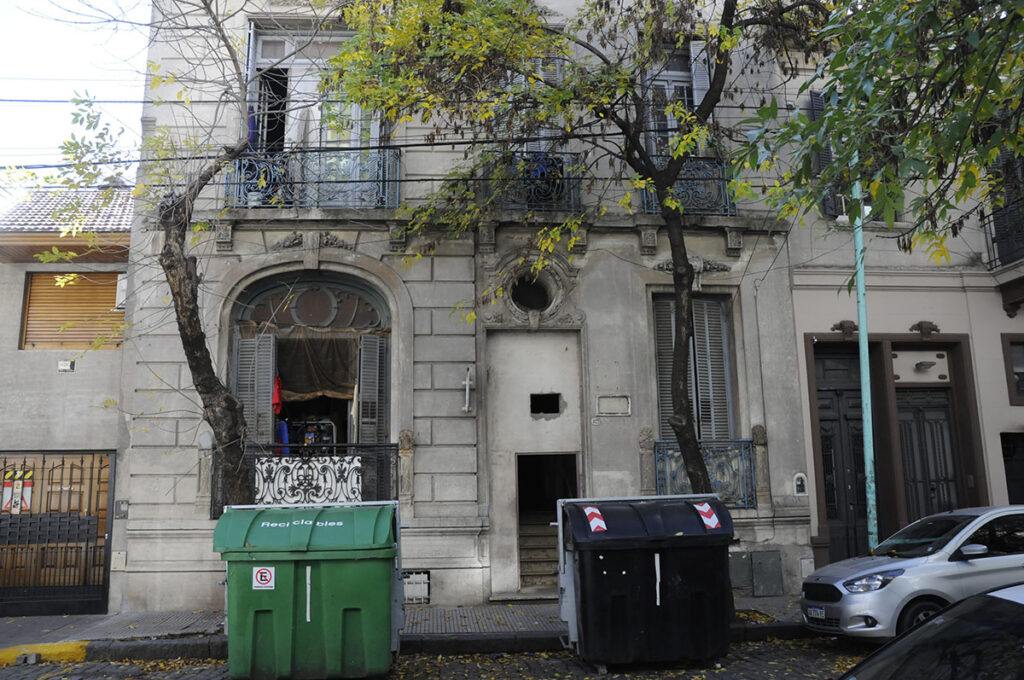
He also requested the court to take measures such as the public recognition of the act as a lesbicide by the national State, the expropriation of the Barracas hotel to convert it into a memorial space with the victims' names, and the creation of housing solutions for LGBTIQ+ people by the City of Buenos Aires.
The trial: inside and outside the courts
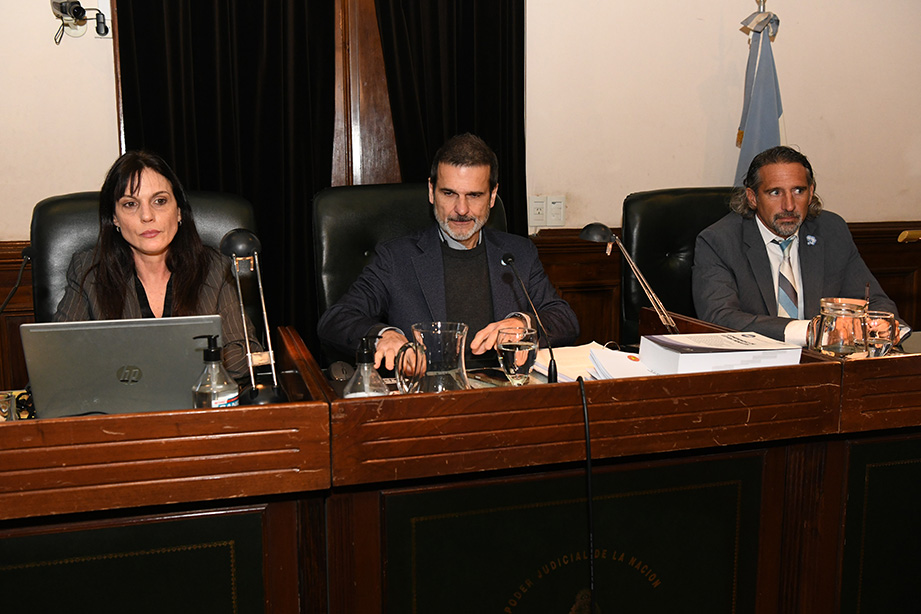
The trial began in May and since then there have been 18 hearings before the Oral Criminal Court No. 5, made up of judges Adrián Pérez Lance, Juan Manuel Grangeat and Cinthia Oberlander.
Each hearing is accompanied by days of activism outside the courtroom. These take place just a few meters from the courtroom where the oral arguments are being held, in Plaza Lavalle, in the heart of Buenos Aires. There, organizations and activists provide support through open radio broadcasts, readings, and other artistic and cultural activities.
The next hearing will be on November 11th, with the defense's closing arguments. The court will announce the sentencing date that day.
We are present
We are committed to journalism that delves into the territories and conducts thorough investigations, combined with new technologies and narrative formats. We want the protagonists, their stories, and their struggles to be present.
SUPPORT US

FOLLOW US
Related notes
We are present
This and other stories are not usually on the media agenda. Together we can bring them to light.