

In 2025, hate crimes increased by 70 percent in Argentina, and institutional violence against LGBT people grew.
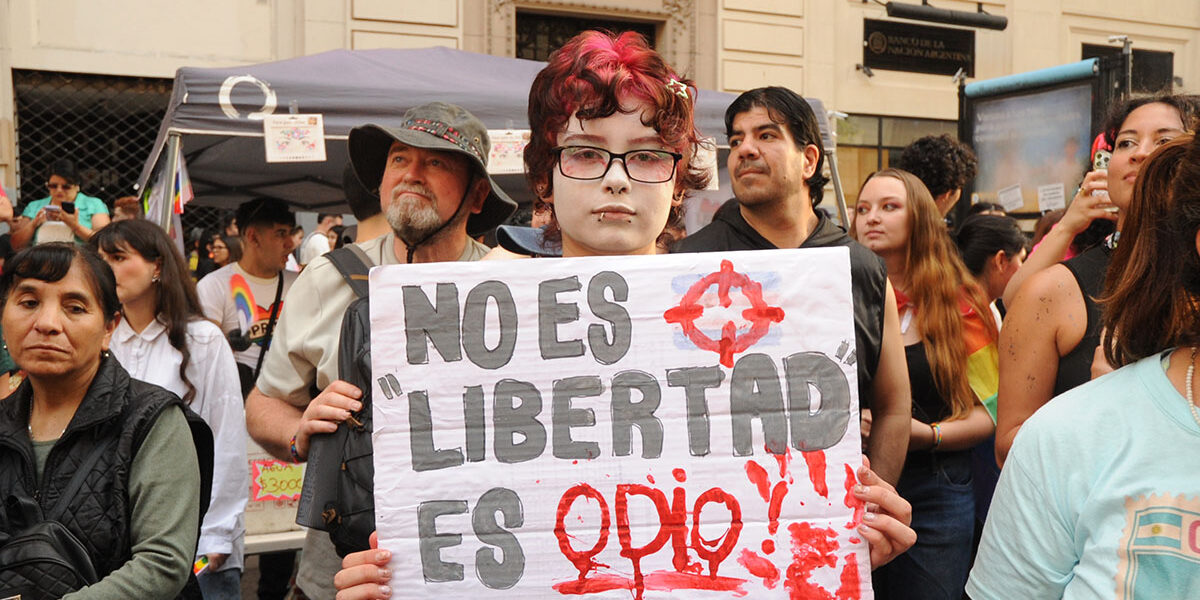
In the second year of Milei's government, violence against LGBTIQ* people increased. Feminist and LGBTQ+ movements responded to the hatred, the dismantling of public policies, and the erosion of freedom of expression by taking to the streets.


Share

2025 was the year of increased violence against LGBT+ people in Argentina. It was also the year of the attack by Javier Milei's government on the Gender Identity Law, a landmark piece of legislation worldwide. After dismantling gender and diversity policies, the La Libertad Avanza (Freedom Advances) government focused its second year in office on reinforcing its "cultural battle" based on hate speech and disinformation. The result: every day there are more reports of attacks and hate crimes, as the hard data reflects. In the first half of this year alone, hate crimes increased by 70 percent compared to the same period in 2024.
The year began with Milei's speech at the Davos Economic Forum on January 23, in which he attacked sexual diversity before the international community using the same rhetoric employed by anti-rights and far-right lobbies worldwide when discussing "gender ideology ." Among his lies, disinformation, and manipulations , he compared homosexuality to pedophilia. He also spoke of a supposed gender agenda that imposes "that women are men and that men are women."
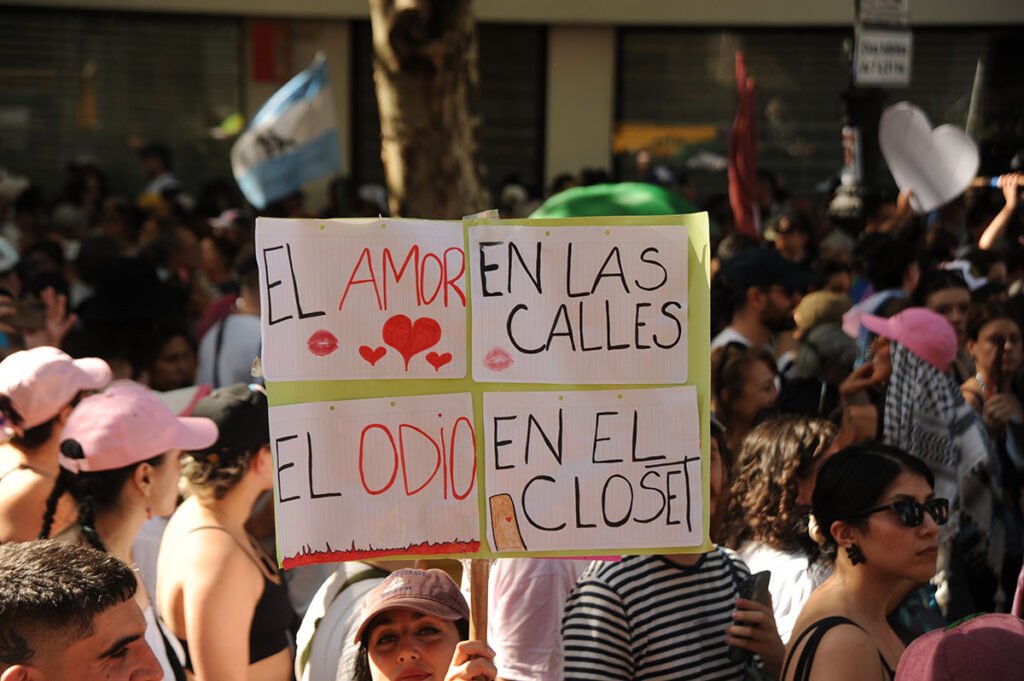
The social response to that speech was overwhelming. LGBTIQ+, feminist, human rights, and student organizations; social movements and unions joined a massive Federal Antifascist and Antiracist Pride March on February 1st, which resonated in plazas and streets throughout the country and in several cities around the world. Nearly 500,000 people participated in the march in Buenos Aires alone; while in the rest of the country, more than 1.5 million people joined in.

Regressive changes to the Gender Identity Law

That same week, on February 5, the Executive Branch carried out another attack against the rights of LGBTQ+ people, particularly the trans and travesti community. Through an Emergency Decree (DNU), President Milei modified the Gender Identity Law (No. 26,743) . This law, enacted in 2012, was the first in the world to not require diagnoses or treatments to respect gender identity.
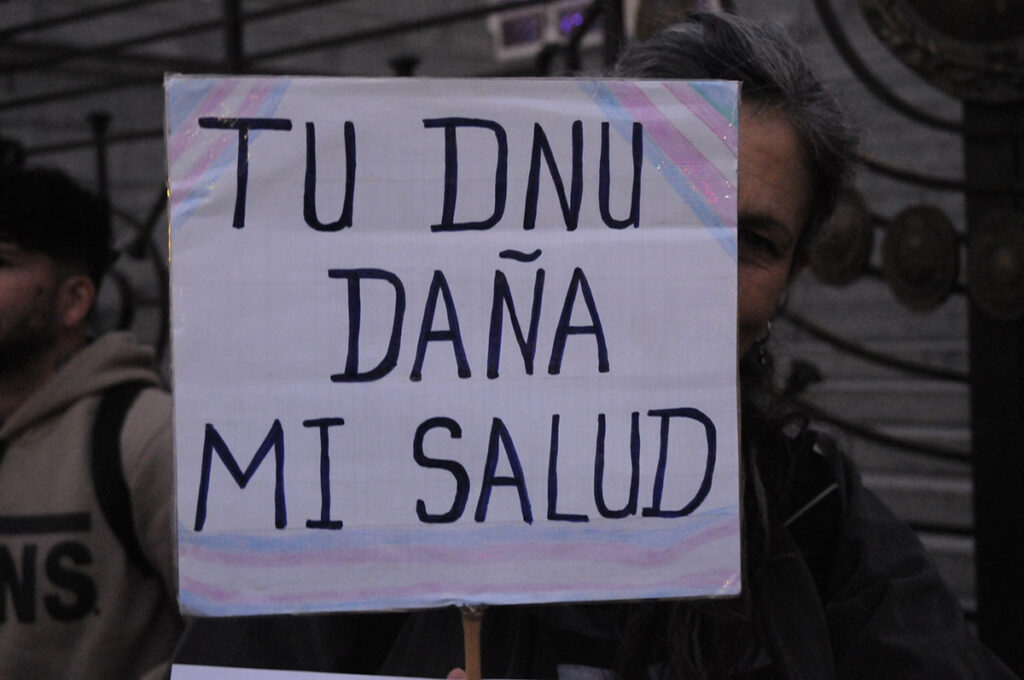
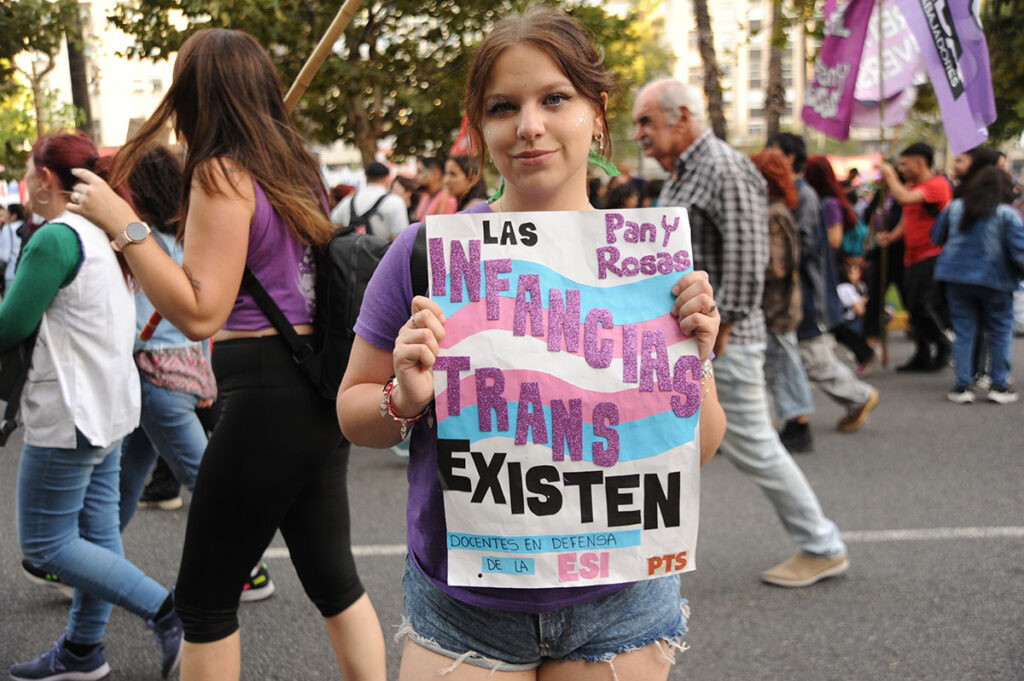
Decree 62/2025 – currently in force – replaced Article 11, which expresses the right to free personal development, with a text prohibiting treatments and interventions on minors. The law stipulated that, for access to comprehensive hormonal treatments, minors had to present consent through their legal representatives. However, for total or partial surgical intervention, they also required the approval of the competent judicial authority.
The president lied at the time, saying that in 240 centers in the province of Buenos Aires, “children’s genitals are being amputated .” No gender identity law—as has been shared in other articles on Presentes—seeks to “mutilate,” “hormone-treat,” or “operate” on transgender children. Families and specialists agree: in Argentina, no surgeries are performed on transgender children, and hormone therapy, when it is administered, is only given from the age of 16. Even today, they are calling on the National Congress to address and reject this decree.
Another decree published that day, 61/2025, addressed trans people deprived of liberty, prohibiting those who made a legal gender change from being housed in women's pavilions, in case they are detained for committing sexual offenses or exercising gender-based violence.
A long list of hate crimes 2025
Following Milei's speech in Davos, and within the short period of two weeks, four hate attacks against visible lesbians .
During the early morning hours of January 29, Orlando Alcides Lutz Fogar set fire to the home of a lesbian couple. They had decided to leave the house they had built because the man had been harassing them and their 5-year-old daughter since 2022.
That same day, a young, visibly lesbian woman committed to the defense of human rights—whose name she prefers to keep private—was stalked by Juan José Juárez, who attacked two homeless people and killed a 63-year-old woman as she returned from an Anti-Fascist Assembly in La Plata.
On Wednesday, February 5, YQ and AD, a lesbian couple aged 26 and 24 respectively, were attacked in broad daylight in the Recoleta neighborhood of Buenos Aires. “Why are you dressed like men if you’re women?” a man asked them as he crossed paths with them on his bicycle and immediately began hitting one of them.
In the early hours of Tuesday, February 11, Juan Marcelo Córdoba broke into Mariana Oliver's house while she was sleeping. He tried to suffocate her with a pillow, and when she woke up, he stabbed her seven times. Mariana and her teenage daughter managed to pull him away, and he fled. He was later arrested.
According to the latest report from the National Observatory of LGBT+ Hate Crimes , between January and June of this year, 102 hate crimes motivated by the victims' sexual orientation, gender identity, or gender expression occurred in Argentina. This figure represents a 70 percent increase compared to the same period last year. The report also recorded four murders in the first half of the year: three gay men and one lesbian.
Ariel Castillo, a 47-year-old man, died on May 15th after being attacked in his home following a fake Tinder date. The man entered Ariel's house in the San Martín district of Buenos Aires province. With the help of three accomplices, he drugged him and stole his belongings. Ariel was hospitalized in intensive care and spent several days in a coma after falling down the stairs, a consequence of the impaired reflexes caused by the drugs he had been given.
On June 3, Gabriel Fernando Danielo went to the gym of his ex-partner, Anabella Florentín, in the Buenos Aires town of Moreno. She had reported him for domestic violence, and he had been issued a restraining order. At the entrance to the gym, Marcela Fabiana Heredia , his ex's current partner, blocked his entry. Minutes later, Danielo killed her.
The Observatory's report shows that, as in previous years, trans women are the most affected groups. This year, they accounted for 70.6 percent of hate crimes (which include murders, social transphobic hate crimes, suicides, attacks, and attempted suicides). Next were cisgender gay men (17 percent); lesbians (seven percent); transgender men (five percent); and non-binary people, with one percent.
Leyla Alejandra Parra was found dead on July 27th in her home. The autopsy determined that the cause of death was mechanical asphyxiation due to external pressure. The court ordered the arrest of her partner, Juan Ceferino Cristaldo. The Functional Unit of Instruction No. 11 of Merlo classified the case as femicide.

Azul Mía Natasha Semeñenko , a state employee, was about to turn 49 on the very day her cell phone signal was last lost near the Neuquén River, September 25. Various search operations were launched to find her, and marches and other events were held to raise awareness of the case. A couple walking their dogs along the riverfront promenade, northwest of the city of Neuquén (near the border with Río Negro province), spotted her body on the afternoon of Tuesday, October 14. Reports revealed that she had been brutally murdered.
The 25-year-old drag queen and artist, known as La Queen , recounted on her social media that a bald, bearded man attacked her in broad daylight on December 8th in Plaza Villa Real. The attacker punched her in the face, yelling “die, you faggot,” causing several injuries.
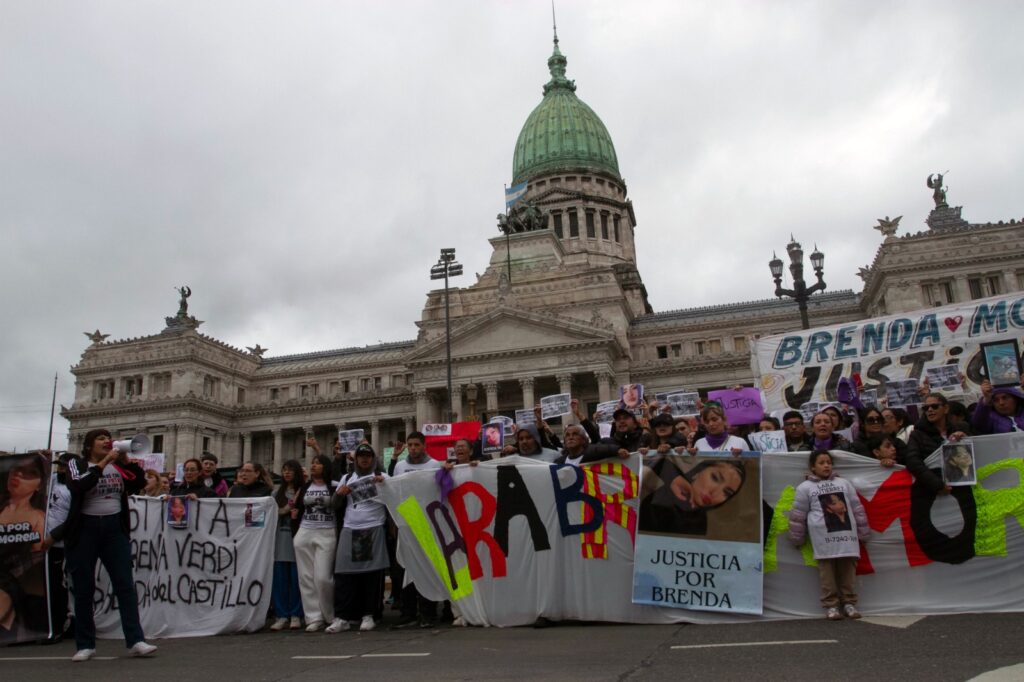
Other crimes motivated by gender-based violence particularly shook Argentine society. The brutal triple femicide of Morena Verri (20), Brenda Loreley Del Castillo (20), and Lara Morena (15) Gutiérrez , in Florencio Varela, spurred demonstrations demanding justice in various parts of the country, with the epicenter in the city and province of Buenos Aires. On Wednesday, September 24, after a search lasting several days, their dismembered and buried bodies were found. The triple murder occurred in a context of drug trafficking. That day, a large crowd spontaneously gathered in Plaza Flores, and days later, another demonstration took place at the National Congress.
Meanwhile, the double femicide of Luna Giardina and Mariel Zamudio in the province of Córdoba, at the hands of Pablo Laurta, a men's rights activist , added to the long list of gender-based violence. The case gained particular attention because the perpetrator had ties to far-right figures such as Agustín Laje and Nicolás Márquez, friends of President Javier Milei. He also posted anti-feminist messages on his account, Varones Unidos (United Men), the organization he founded in Uruguay.
More institutional violence
Institutional violence against LGBTIQ+ people also increased, according to the same report. Police and security forces were involved in 52.9% of all hate crimes, compared to 23.8% the previous year.
In late November, three LGBT+ people were killed in Argentina at the hands of security forces . The deaths occurred between November 18 and 26 in Córdoba, Salta, and Buenos Aires. The victims were Daniela Fernanda Arias (34 years old), Samuel Tobares (34), and Treinti (29). Additionally, eight prison guards from Bouwer Prison (Córdoba) were arrested following allegations of beating a transgender inmate.
On the other hand, migrants and sex workers reported experiencing increased police persecution and harassment. This was exacerbated by the publication of Decree of Necessity and Urgency (DNU) 366/2025, which substantially modifies the Migration Law . As a result, many transvestite and transgender migrants who came to Argentina to live freely as themselves now face the daily risk of deportation to their countries of origin, from which they fled years ago.
The pros and cons of Justice
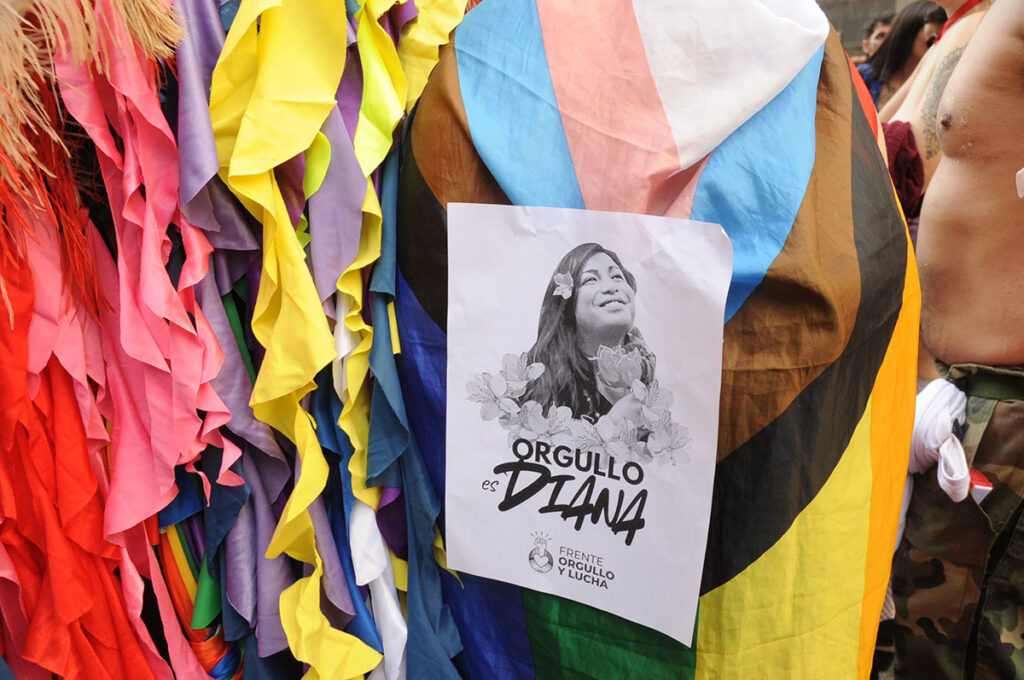
The Supreme Court of Justice of Argentina missed an opportunity to take a stand in favor of the rights of the trans community. In April of this year, it dismissed an appeal filed in the trial for the transphobic murder of Diana Sacayán. The appeal sought to uphold the legal classification of transphobic murder, which was used for the first time in that investigation and became a benchmark for local courts and international organizations. But the Court chose not to rule on the matter .
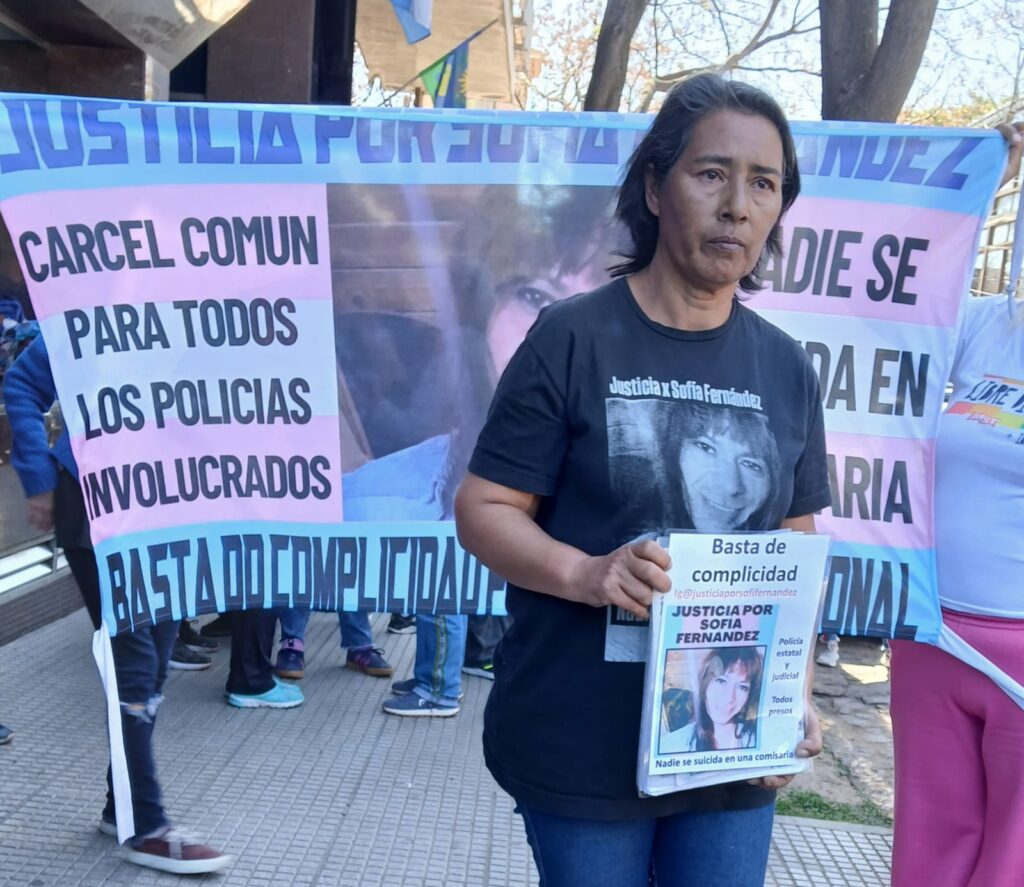
However, after numerous marches and demands for justice, the murder of Sofía Fernández, the trans woman who was found dead at the 5th Police Station in Derqui (Pilar, Buenos Aires Province) in April 2023, will finally see ten police officers brought to trial . The First Chamber of the Court of Appeals and Guarantees of San Isidro rejected the dismissal granted by Judge Walter Saettone (7th Court of San Isidro) to nine of the ten officers accused of Sofía's murder and its cover-up. The officers will now face trial for aggravated homicide motivated by hatred of gender identity, abuse of their police power, and the premeditated participation of two or more people.
Regarding the triple lesbian murder in Barracas, perpetrated in 2024, although the courts had been refusing to classify the crime as "lesbicide," a decision by another judicial body called things by their name and could change the course of the investigation. On May 15, the National Criminal and Correctional Appeals Court, through its Chamber 7, ordered Judge Edmundo Rabbione to expand the investigation of Fernando Barrientos to include the charge of lesbian murder .
With repression there is no freedom of expression
Freedom of expression was increasingly curtailed by the State. Information gathered following complaints filed by the Buenos Aires Press Union (SiPreBA) and the Argentine Federation of Press Workers (FATPREN) showed that by the end of October 2025, a total of 83 journalists had been victims of repression while covering protests.
During the March 12th march alone, when photojournalist Pablo Grillo was injured, there were at least 20 documented cases of police violence against journalists, including tear gas poisoning, rubber bullet wounds, beatings, and other forms of mistreatment. This represents a 66% increase compared to the 50 cases documented in 2024. This information is highlighted in the 2025 Report on Freedom of Expression in Argentina , prepared by SiPreBA, the Communication Sciences Department of the University of Buenos Aires, FATPREN, and the International Federation of Journalists (IFJ).
Cuts in sexual health
Argentina's 2026 budget anticipates a 38% reduction in the purchase of supplies for HIV/AIDS care, most of which are acquired internationally. The budget plans to provide care to approximately 71,500 people living with HIV, compared to 79,170 in 2024.
Furthermore, Argentina is experiencing an exponential increase in cases of syphilis (38.5% more than in 2022) and other sexually transmitted infections. The current situation is far from conducive to addressing this problem. In addition to the cut in the distribution of 23 million condoms, there is a lack of production of educational materials and the almost nonexistent implementation of the Comprehensive Sex Education Law.
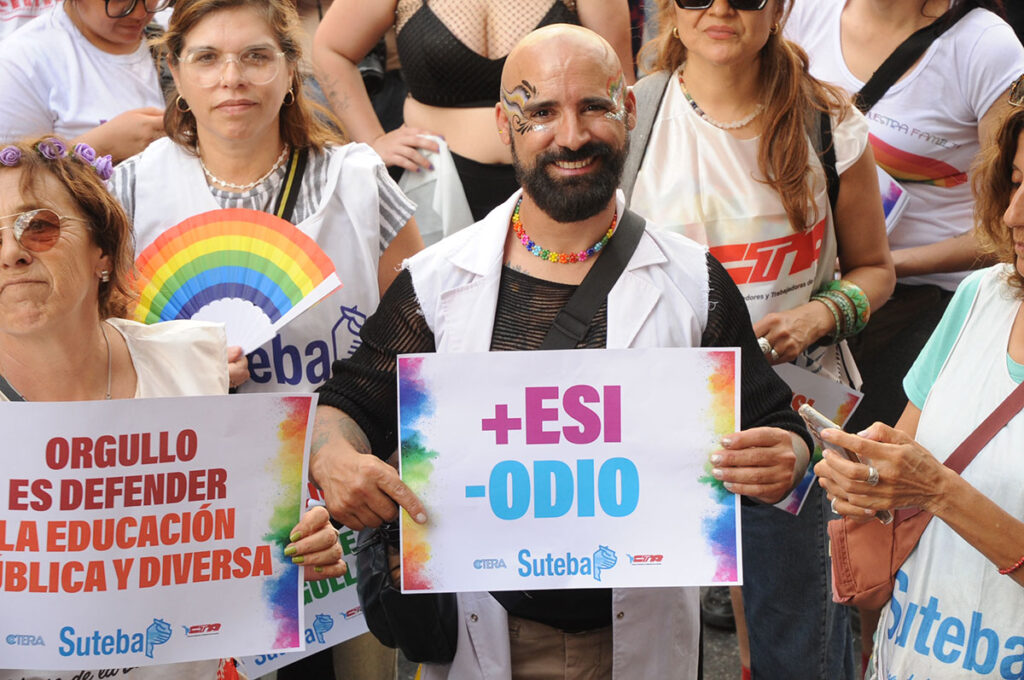
The local situation aligns with some trends on the international agenda. In presenting its latest report, UNAIDS highlighted that international aid for HIV and AIDS response programs worldwide has decreased drastically. According to forecasts from the Organisation for Economic Co-operation and Development, external funding for health could fall by between 30 and 40 percent in 2025, compared to 2023.
Encounters and resistances
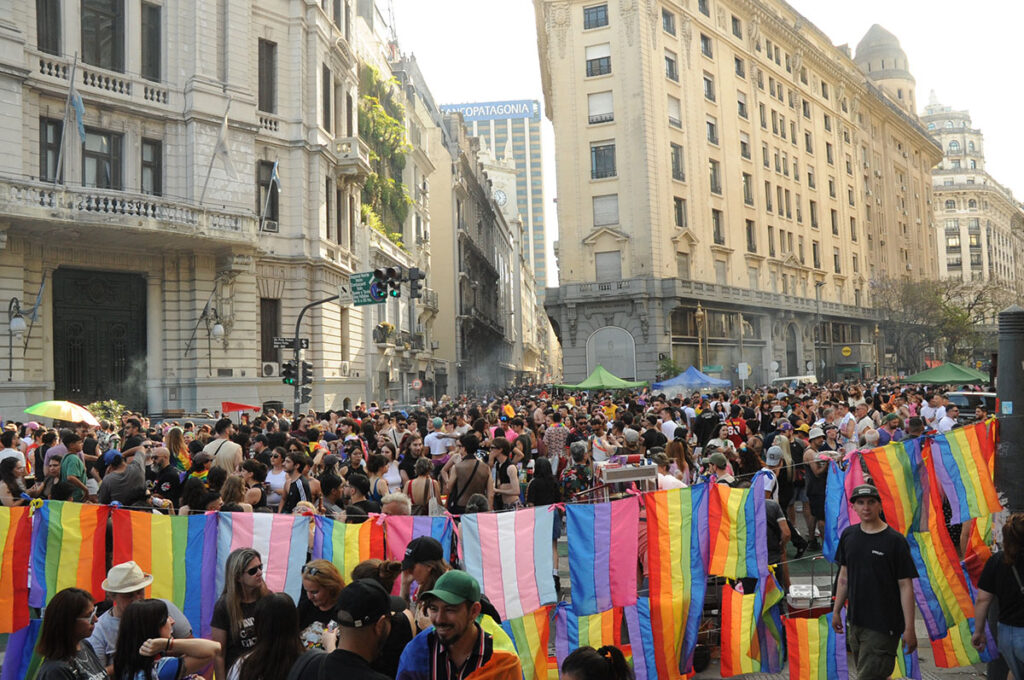
The banner of free, quality public education united the Argentine people this year in a common cry. The three Federal University Marches succeeded in overturning the presidential veto of the University Funding Law. In that context, at the end of last September, the Mocha Celis Trans and Non-Binary Travesti High School, along with other organizations, promoted the 4th Trans and Non-Binary Travesti Education Meeting in the city of La Plata, Buenos Aires province.
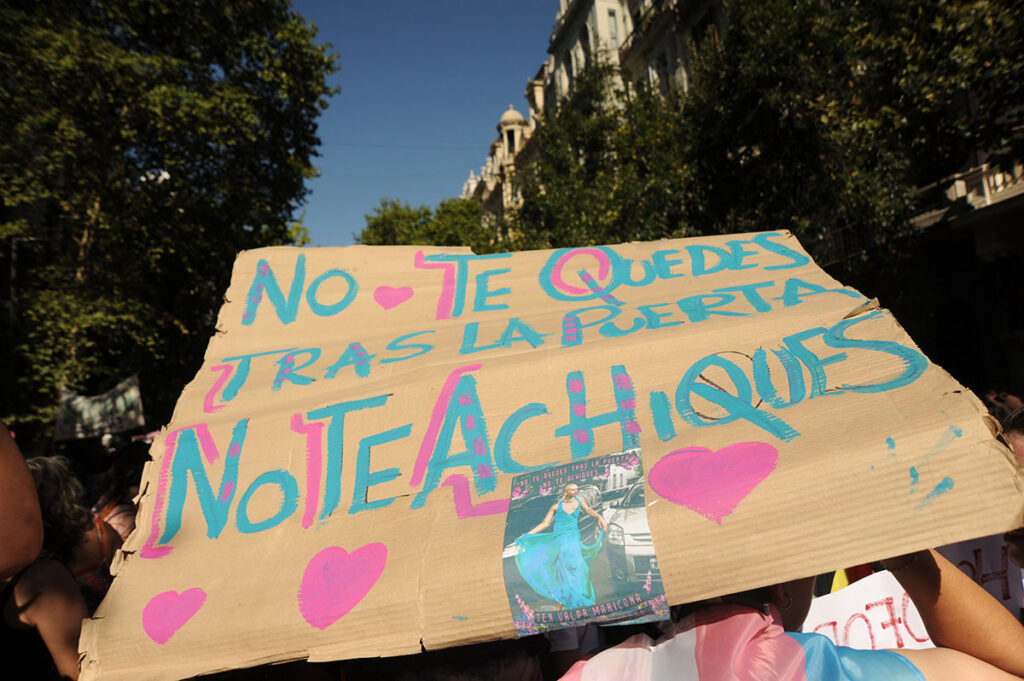
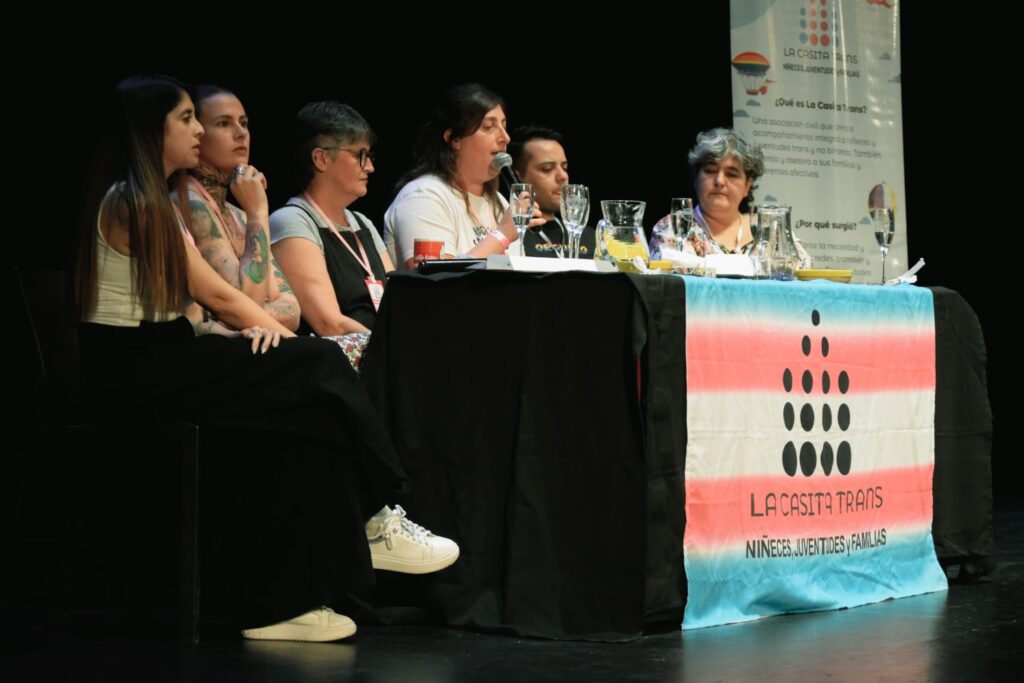
Anti-gender groups organized to boycott various events related to transgender children. Despite these groups' attempts to sabotage it, the 2nd National Congress of Transgender Children and Youth took place in Córdoba . It had a record turnout: 600 registered participants. However, organizers reported experiencing an unprecedented climate of harassment, violence, and misinformation. Anti-gender groups had previously boycotted another event, the Global Congress of Transgender Children , which was scheduled for October 18th in the province of Tucumán, but had to be canceled due to "harassment and aggression," according to its organizers.
Organized by Las Históricas Argentinas, the event, dubbed “Trans Homeland Day,” took place on May 24th for the third consecutive year, on the eve of the anniversary of the May Revolution. Trans and travesti collectives gathered in Plaza de Mayo to demand the passage of a reparations law for trans and travesti survivors of state terrorism and police edicts.
The Pride March and the 38th Plurinational Meeting of Women, Lesbians, Transvestites, Trans, Bisexuals, Intersex and Non-Binary People were two other massive gatherings and focal points of resistance against the anti-feminist agenda.
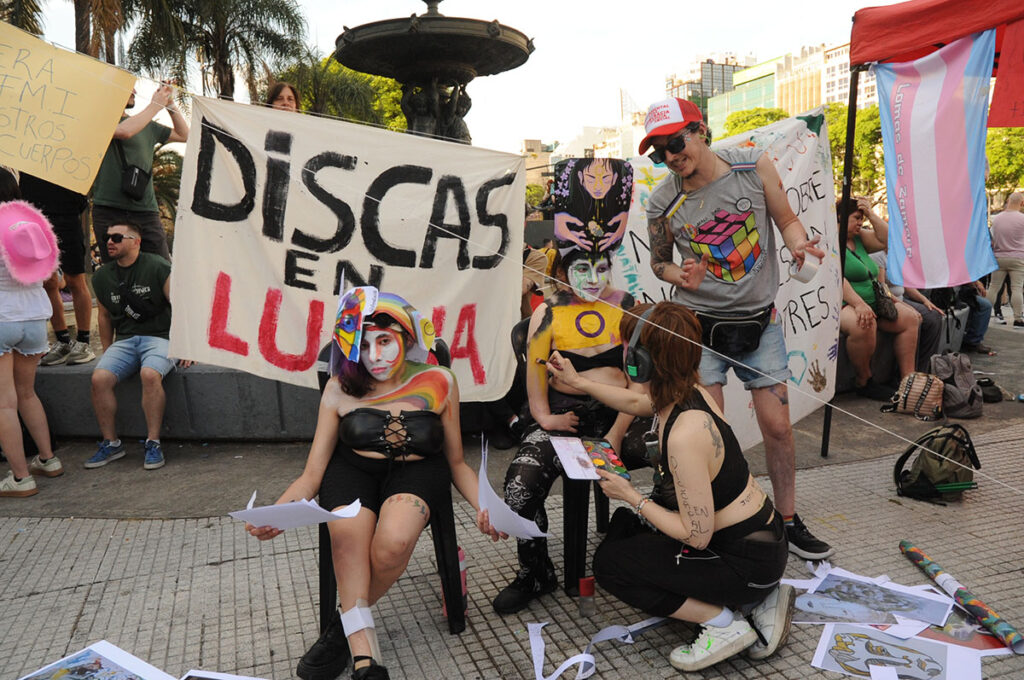
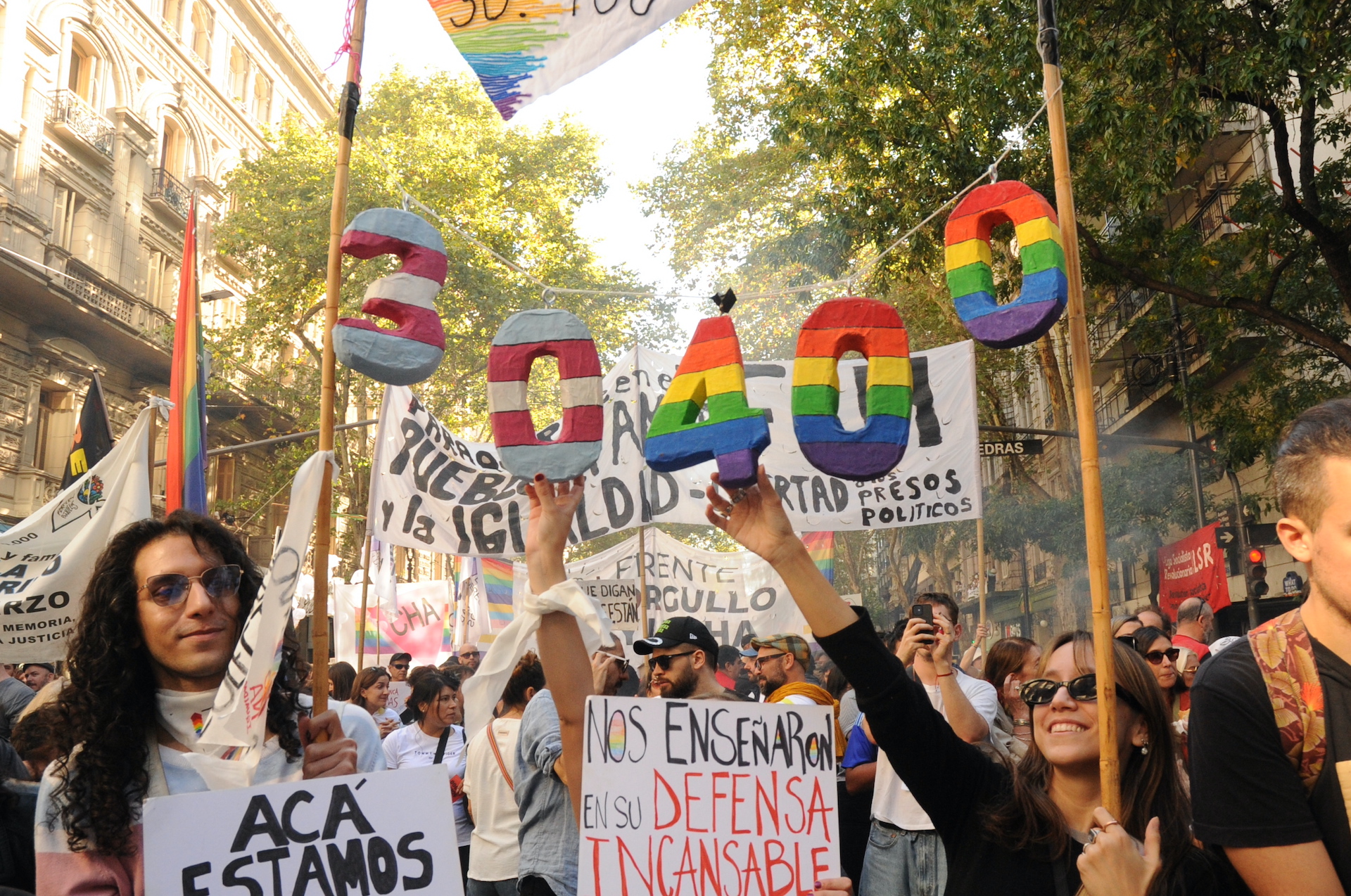
During the 34th LGBTIQ+ Pride March, the streets of downtown Buenos Aires were once again filled with hundreds of thousands of people—ordinary citizens, activists, children, and families—who celebrated their existence and demanded an Argentina where Pride triumphs over hate. Throughout the country, various Pride celebrations took place from October to December.
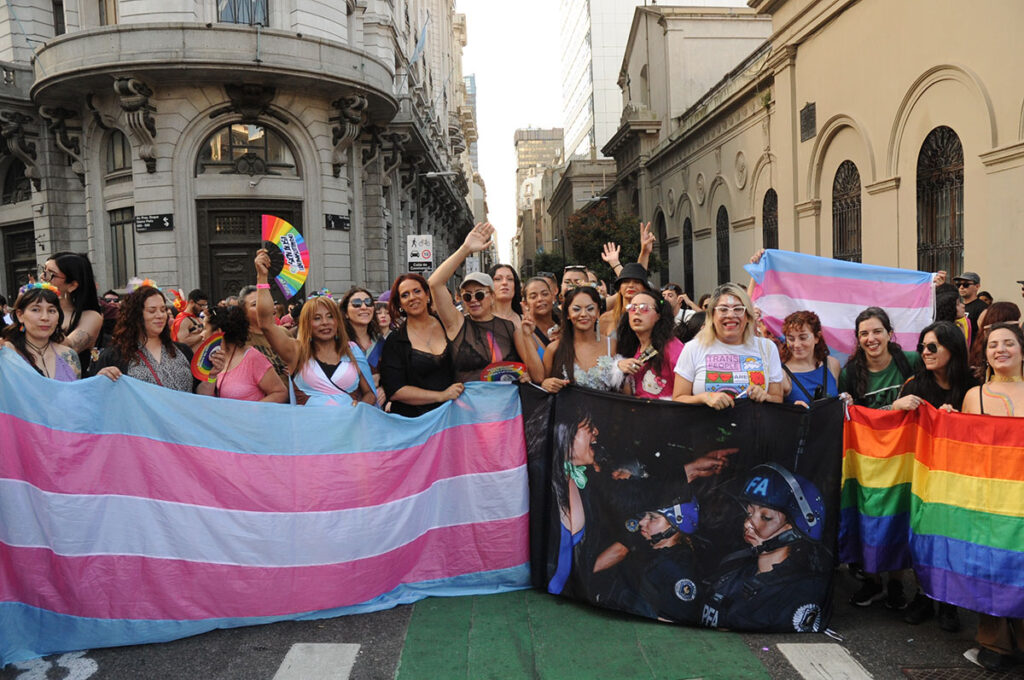
Meanwhile, the Plurinational Gathering in the province of Corrientes this year was marked by several demands: against femicides, for an end to hate speech, against attacks on gender policies and the lack of funding. It also demanded the safe return of Loan (the boy who disappeared in June 2024) and spoke out against extractivism and the exploitation of the Paraná River.
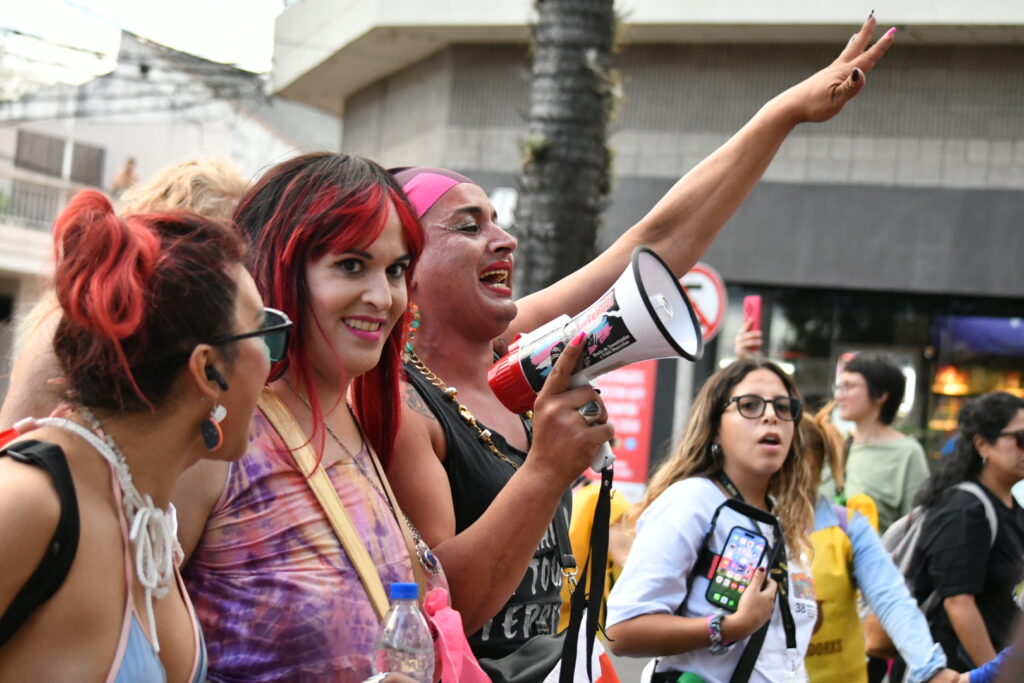
Culture as a refuge
Art served as a meeting point and a symbol of resistance for diversity throughout the year. Plays such as Saraos Uranistas and Viento Blanco , directed and co-directed by Juanse Rausch, premiered (and were restaged); Le Frigó , Copi's play starring Manu Fanego; El David Marrón , written and performed by David Gudiño, actor and member of Identidad Marrón; and Rogelio después de la siesta , the second part of a theatrical trilogy by Mau Vila; among others. There were also highly anticipated musical releases. BIFE, the leading band of sexual diversity, returned to the stage after a necessary hiatus No pudos this year . Adding to the list is the latest album from lesbian artist Marilina Bertoldi: Para quien trabajas vol. 1 , in which she denounces the injustices and monstrosities of contemporary reality.
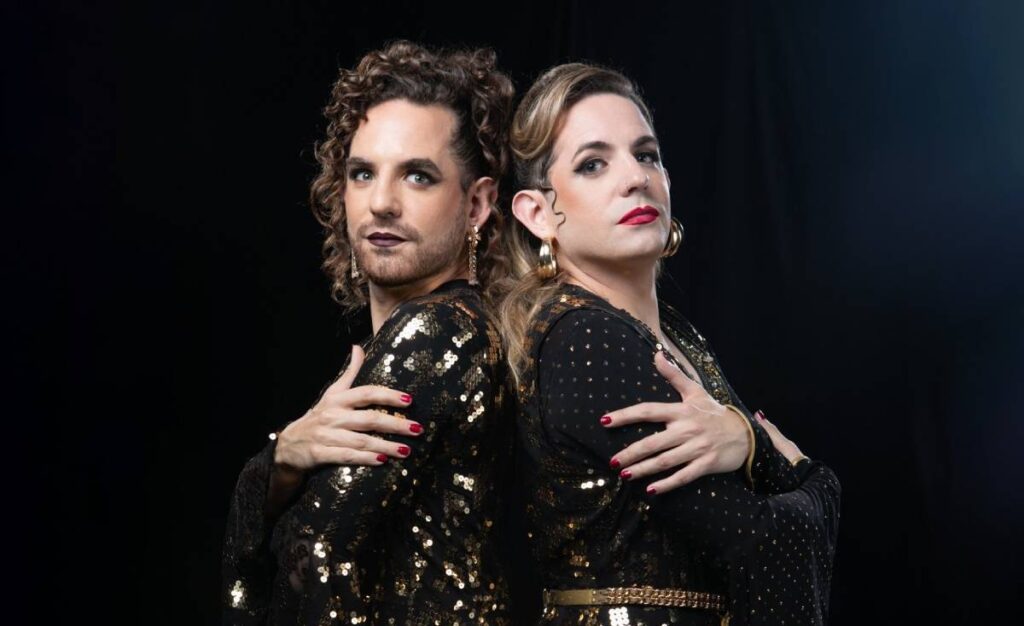
With a fusion of artistic elements that combine music and staging, the artistic project of the twins Luchi and Ferni de Gyldenfeldt, Queer Opera , arrived on the Buenos Aires theater scene to expand the limits of a genre with a binary tradition.
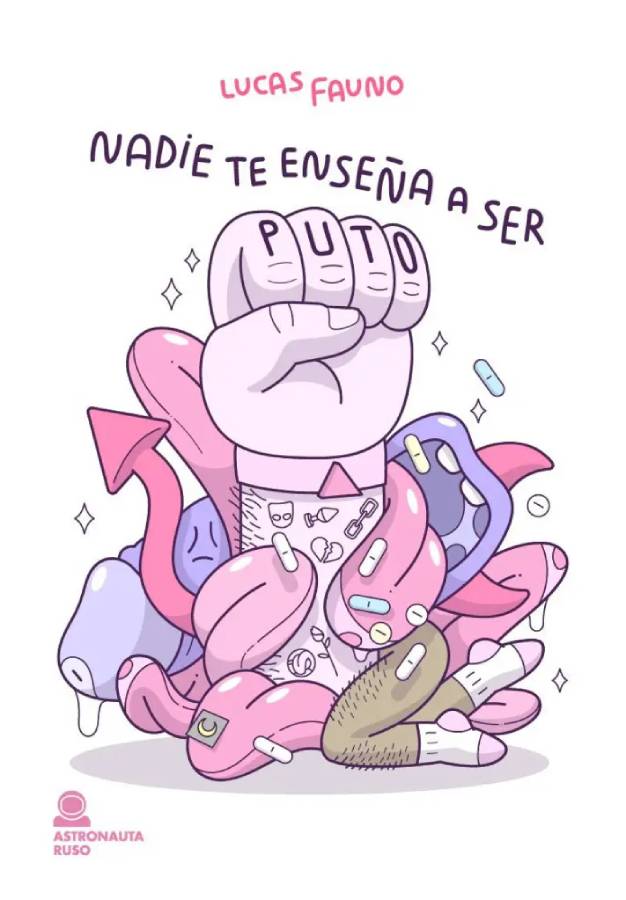
The local sexual diversity scene also featured the publication of books such as What Does It Mean to Be a Faggot , by journalist and editor of Audiencias de Presentes, Lucas “Fauno” Gutiérrez; and Belén, María Belén , the photobook by the founder of the Trans Memory Archive, María Belén Correa.
We are present
We are committed to journalism that delves into the territories and conducts thorough investigations, combined with new technologies and narrative formats. We want the protagonists, their stories, and their struggles to be present.
SUPPORT US

FOLLOW US
Related notes


We are present
This and other stories are not usually on the media agenda. Together we can bring them to light.