

Argentina 2022: LGBT+ victories and outstanding debts
With small victories and many outstanding issues, 2022 was a year of ups and downs for justice and rights for LGBT+ people in Argentina. A review and assessment of what happened.


Share

BUENOS AIRES, Argentina. 2022 in Argentina was a year of many ups and downs regarding LGBT+ rights. The demand for a trans-feminist and gender-sensitive justice system is an increasingly strong call, and one of the outstanding issues. Despite some small but significant victories, violence and hate did not diminish. As a summary, here are reports from organizations and some of the best and worst news stories we shared throughout the year.
According to data from the Argentine Federation of Lesbians, Gays, Bisexuals and Trans (FALGBT) , hate crimes in Argentina increased in 2022: there were 129, compared to 120 the previous year. The most affected people, as shown in each of their reports, are always trans women.
Of the total deaths of LGBTIQ+ people in the country, 17 were murders, 71 died from structural violence, and one from institutional violence. There were also 40 cases of physical violence that did not result in death.
According to the report, in most cases, the responsibility lay with the State (due to structural violence), followed by private individuals (mostly strangers to the victim, then people known to the victim, and also clients, boyfriends/girlfriends, or other family members). There were also 7 cases of violence perpetrated by security forces.
The full report will be published by the Federation on its website .
Higui acquitted
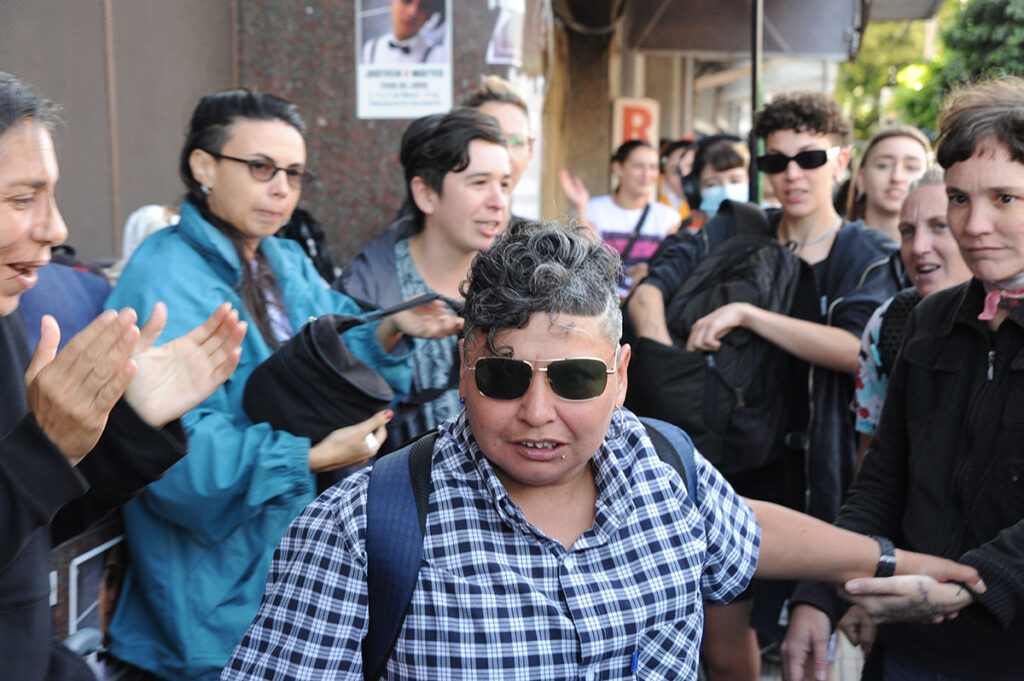
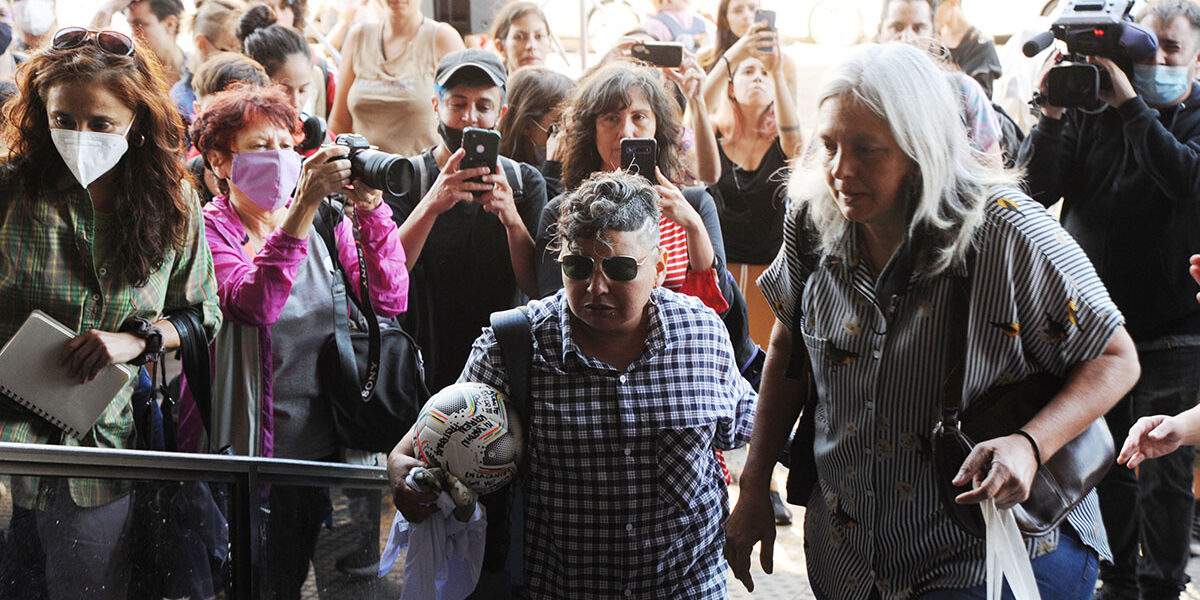
Three months into the year, a legal victory roused the LGBTIQ+ feminist movement in Argentina: Higui de Jesús, who had been attacked for being a lesbian and accused of self-defense, was acquitted . On October 16, 2016, she had gone to visit her sister in Lomas de Mariló (San Miguel) and was attacked in a neighborhood alley by a group of men who harassed her because of her gender expression and sexual orientation. She defended herself and fatally wounded one of them. Denied access to justice, she was imprisoned for eight months and then placed under house arrest until her acquittal.
Four convictions for transvesticide and transfemicide
This year there were four convictions of transvestite murderers in different parts of the country: Chaco, Misiones, Mendoza and the City of Buenos Aires.
Justice for the transfemicides of Evelyn Rojas (Misiones) and Melody Barrera (Mendoza)

In March, the first hate crime sentence in the province of Misiones was handed down: the Criminal Court No. 1 of Posadas sentenced Ramón Da Silva to life imprisonment for homicide, femicide, and a hate crime based on gender and expression against Evelyn Rojas. Ramón Da Silva was Evelyn's partner. "This is a very important precedent, especially for the LGBTQ+ community: a before and after here in Misiones," the prosecutor of the Court, Martín Rau, told Presentes at the time.
This is the first hate crime sentence in the province of Misiones..
A jury in Mendoza convicted former police officer Darío Jesús Chaves Rubio of aggravated homicide motivated by hatred of gender identity. In September, he was sentenced to life imprisonment for the 2020 murder of 27-year-old Melody Barrera, a trans woman. This trial, like the one in Misiones, was a landmark case for the province of Mendoza.
Justice for Fabiola Ramírez (Chaco) and Alejandra Salazar (Caba)
In May, the Chaco Justice system sentenced Ramiro and Hernán Rodríguez to 16 and 19 years in prison for simple homicide for the murder of the young trans woman and LGBTIQ+ activist, Fabiola Ramírez.
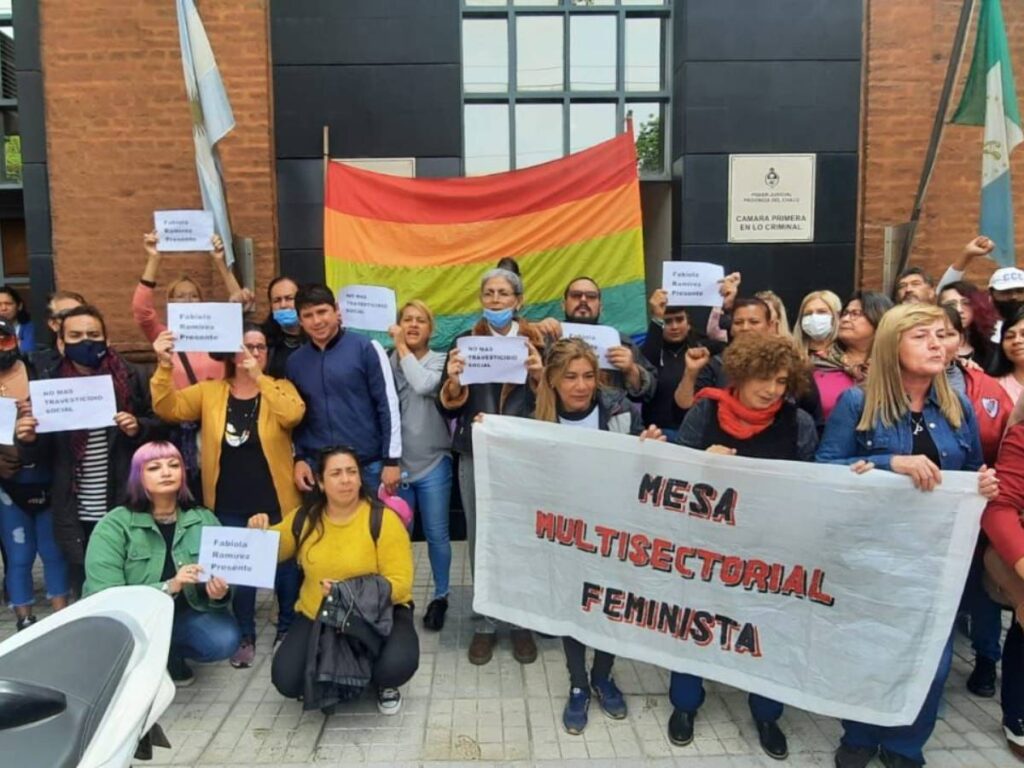
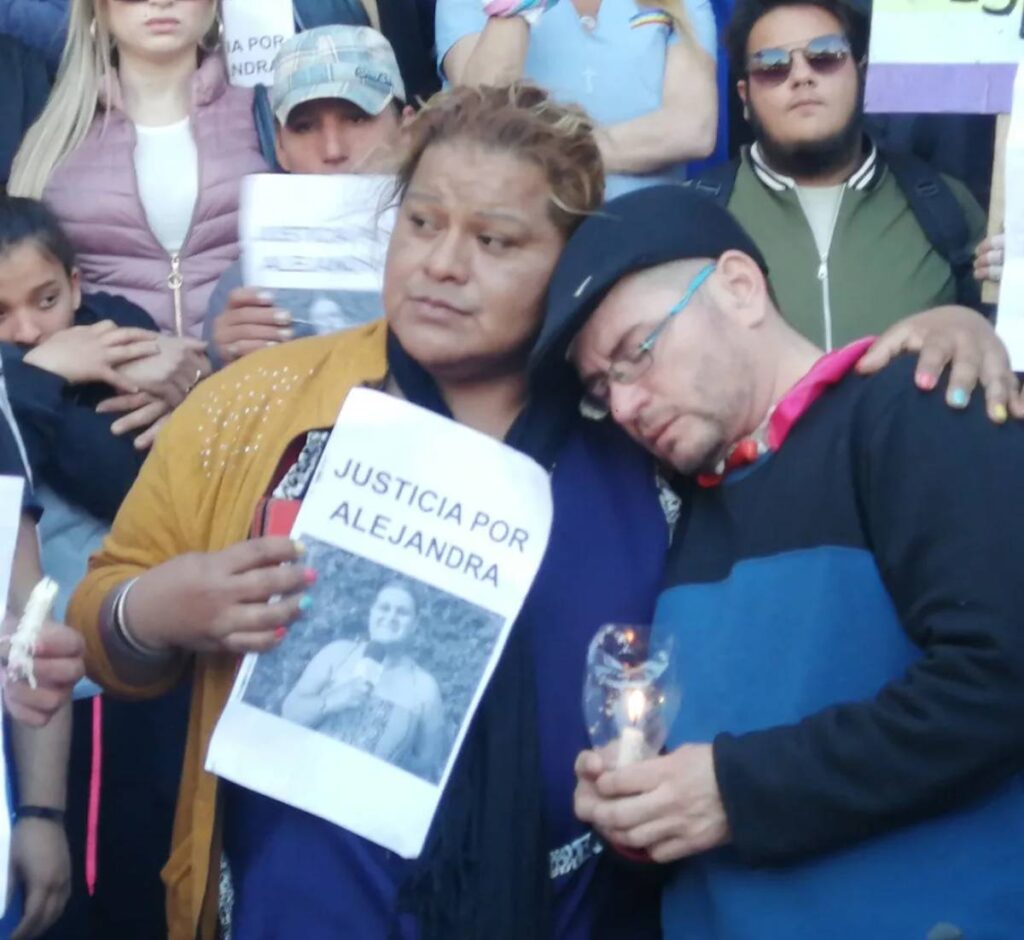
At the end of November, the Oral Criminal and Correctional Court No. 26 of the City of Buenos Aires sentenced Rodrigo Keilis to life imprisonment, guilty of the murder of Alejandra Salazar.

However, neither in Alejandra's case nor in Fabiola's was the term transvesticide or the aggravating circumstance of hate crime included.
Finally: a new law on HIV, hepatitis, tuberculosis and other STIs
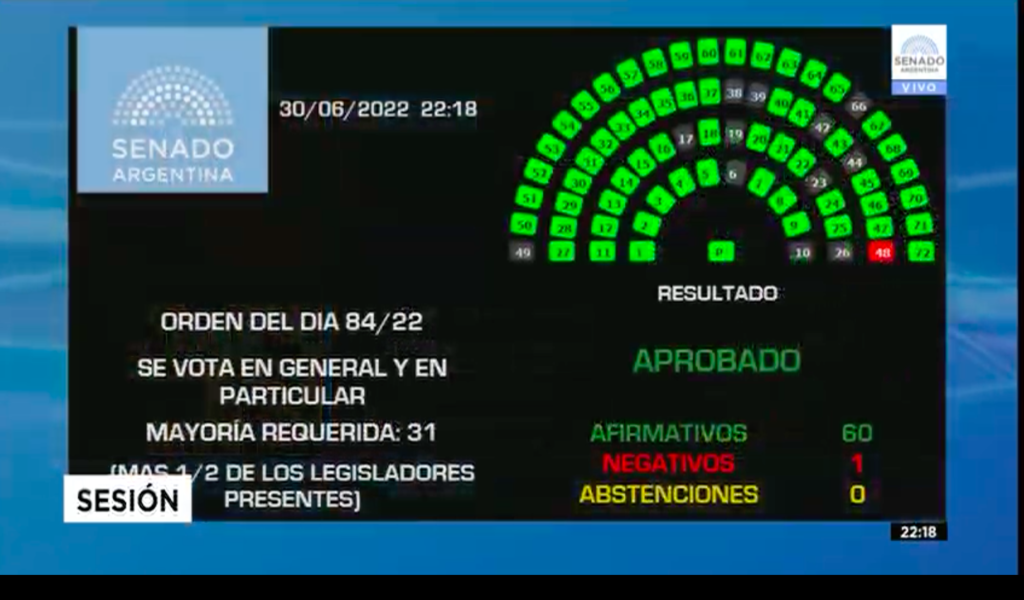
In terms of legislative progress, after five attempts over six years, the new law on HIV, Hepatitis, Tuberculosis, and other STIs was finally passed . “This law is going to change my life forever. I found out about my diagnosis through a pre-employment test when I was trying to get a job that I ultimately didn't get. I know that this is still happening to many people. And now we're going to have a legal framework to protect us,” said Manuel Ferreiro, provincial coordinator for the City of Buenos Aires of the Network of Positive Youth and Adolescents (RAJAP), at the time.
A slap in the face in Córdoba
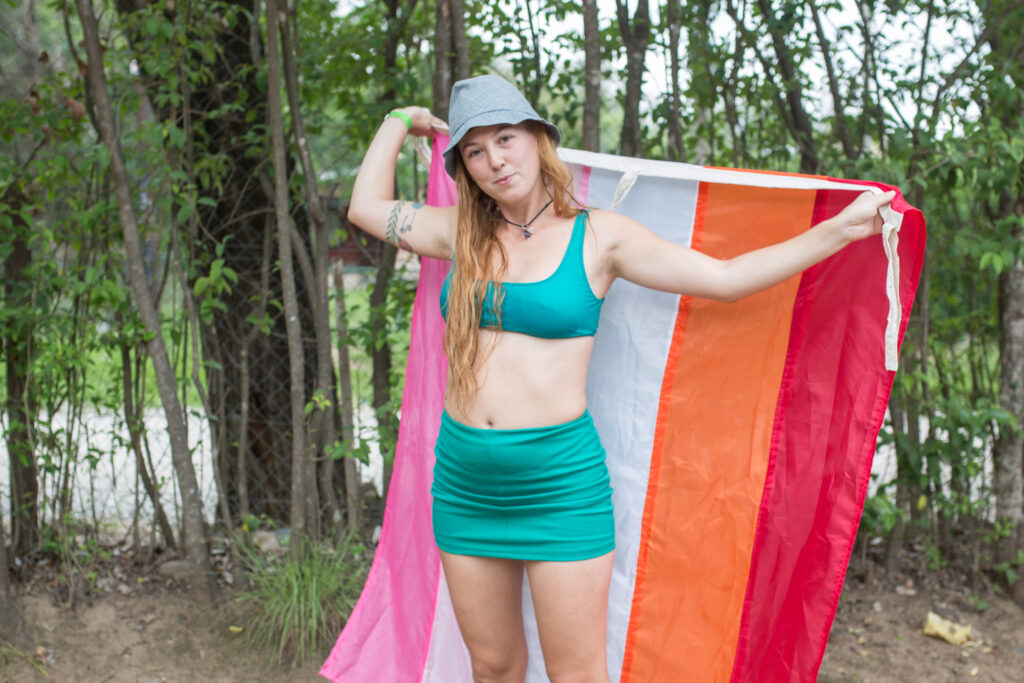
The "Tortazo" took place on the weekend of February 26th and 27th in La Bolsa, Córdoba. It was a gathering of lesbian identities organized by Alerta Torta, featuring two days of camping, debates, dancing, workshops, food, and swimming, with the goal of building a Tortx agenda.

Hate crimes and social transvesticide in numbers
In 2022, the transvestite and trans organization La Rosa Naranja , based in Buenos Aires, recorded more deaths than the previous year: 67 social transvesticides—deaths at a young age from preventable causes—of trans women, transvestites, and transgender people, and 3 of trans men. Meanwhile, at least 7 transvesticides were linked to lethal violence.
- Aldana Lorenz died at the beginning of 2022. She had been attacked on December 22, 2021, and was admitted to Cullen Hospital in Santa Fe three days later, where she died on January 3. Months later, the Santa Fe court charged her brother with the crime and ordered his pretrial detention. Her mother is also under investigation for "abandonment of a person" and the hospital staff who notified the police 10 days after the young woman was admitted with a head injury.
- A week after Aldana's death, police in San Isidro found a 46-year-old trans woman, surnamed Giacobbi, stabbed to death. The murder took place in a house in the town of Beccar, in the San Isidro district of Buenos Aires province.
- At the end of March, Fernanda López, a 33-year-old trans woman living in Concordia, a city in northeastern Entre Ríos province, was the victim of a knife attack. As in San Isidro, neighbors alerted the police that there was a wounded person on the ground. Fernanda was taken to the Delicia Masvernat Hospital, where the medical report indicated that she had arrived deceased.
Winter with an increase in LGBT+ violence
Winter was especially violent for trans and transvestite people. Pancha Quebracho , an iconic drag performer from Mar del Plata, was murdered in that city in August.
In Santa Fe, Alejandra Ironici , a pioneer of the trans and travesti rights movement in the city, was also murdered that month. Ironici was 43 years old and the coordinator of the Movement for Social, Ethnic, and Religious Integration (MISER) in Santa Fe. She was also a driving force behind significant human rights advancements for the trans and travesti community, and the first to receive her national identity document (DNI) with the legal gender change and to obtain a teaching position in the Santa Fe provincial government.
Meanwhile, in Río Negro, Sofía Vera , a 42-year-old trans woman, was shot and killed. The media did not respect her gender identity. “We see this as a hate crime. And we condemn the way it was reported. It still upsets me that they continue to refer to us as male, completely ignoring our self-perception,” Amira Cerda, an activist and member of the Association of Trans and Sex Workers (ATTS) of Cipolletti, Río Negro, told Presentes.
In Salta, Carina Guzmán . At the beginning of September, in La Plata, another trans person, Nicol Ruiz, was killed by her brother-in-law, who struck her on the head .
That harsh winter, a trans woman died from lack of medical attention in a Mar del Plata prison. Sasha had lost over 30 kilos recently, was losing her vision, and had almost no mobility when she was taken on a stretcher to receive care outside the prison walls. The Provincial Commission for Memory (CPM), which had been monitoring her situation, demanded an investigation into the causes of her death and the impact of the lack of access to healthcare.
Attacks on LGBT+ people in the streets, on apps, and in nightclubs
In 2022, there were several hate crimes committed both on the streets and in nightclubs across the country. There was also a fire at the iconic Hotel Gondolín.
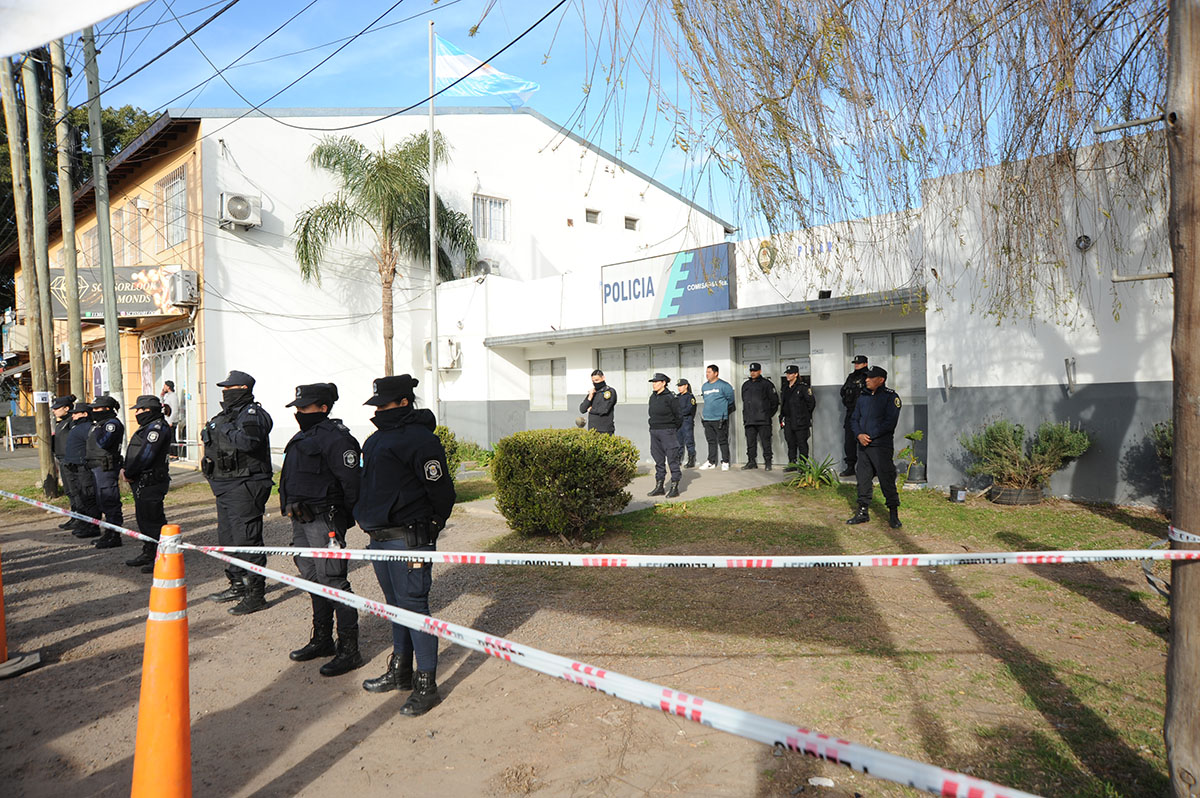
In April, a trans woman was abused in a police station in Buenos Aires during a riot.
A transgender sex worker was attacked in San Martín, Buenos Aires province, in October.
attacks against trans women were reported
I hate through dating apps
In the last months of the year, there began to be concern about aggression in relationships through dating apps like Grindr .
Pablo Delía, 34, was attacked in his home in Buenos Aires by two men he had met through a dating app. They choked him, tried to drug him, and beat him. This was neither the first nor the only case in which the same perpetrator was identified. “He meets people on gay dating apps simply to hurt them: in many cases, to drug and injure them,” Delía, a theater director, playwright, and teacher, told Presentes. In his Instagram stories, he recounted that “there are more than five testimonies from people who were drugged, robbed, and assaulted by this same aggressor.”
Attempted lesbian murder in Caba
Shortly afterward, also in Buenos Aires, there was an attempted murder in Almagro. Marta and Josefina had been reporting harassment for some time: shouting, mistreatment, and violent incidents. But their previous complaints had been dismissed.
On October 30, a man forced his way into Marta Zelaya's home, beat her unconscious, and suffocated her with acrylic paint. Her partner, Josefina Flores, found her.
They filed the complaint at Police Station 3A and the police recorded it as "minor injuries".
2022 Census with gender identity
One of the advances in Argentina's 11th Census, conducted this year, was the inclusion of a question within the "Population" section regarding gender identity . When asked about the sex assigned at birth, three options were offered: female/feminine; male/masculine; and/none of the above. A second question then addressed how the person identified according to their gender identity, with eight options: woman; trans woman/transvestite; man; trans man/trans masculinity; non-binary; other identity/none of the above; prefer not to answer; ignored. Both questions were intended for the entire population being counted in the census.
Justice with its ups and downs

- The acquittal of Higui de Jesús was the legal landmark of the year. But there have been highs and lows in the Argentine justice system regarding LGBTQ+ cases, with both convictions and acquittals.
- Praxedes Candelmo had reported to various courts that Bambino Veira had raped her in the 1980s. In June of this year, the Inter-American Commission on Human Rights stated that the Argentine state failed to protect the victim on at least two of the countless occasions on which her rights were violated . This is an acknowledgment that the Argentine judiciary treated Candelmo the same way as stadium fans or radio and television commentators who, to this day, continue to laugh at Veira's exploits, as Franco Torchia pointed out in this article .
- In July, in a landmark ruling, the Justice system acquitted twenty trans women and the husband of one of them of the crime of drug trafficking in a landmark ruling , developed with a gender perspective and from an intersectional approach.
- That same month, trans actress Zulma Lobato won a lawsuit against Crónica TV for filming her without her consent while she was suffering a breakdown during an interview in 2011.
- In October, a court ordered that a teacher in Misiones, who had been discriminated against because of his sexual orientation, receive compensation. The young man had been fired from the school where he worked when he revealed he was marrying a man. He said he would donate the money to an LGBT organization.
Outstanding debts
The justice system still has very significant debts to the LGBTIQ+ community.
- The search for Tehuel De la Torre, the young trans man who disappeared in March 2021, but there is no trace of his body. In March 2022, Judge Martín Rizzo of the Cañuelas Guarantee Court ordered to proceed to trial for aggravated homicide motivated by hatred based on sexual orientation and gender identity. A trial date has not yet been set. The two defendants are Luis Alberto Ramos and Oscar Alfredo Montes, both of whom are in custody and facing charges.
- In September, in Tucumán, was acquitted . Due to a flawed investigation, the murder of the young woman from Tucumán, who was killed in 2018, remains unpunished.
- The judge who in 2019 had been denounced and suspended for aggravating the sentence of a trans woman for being a foreigner was also acquitted
Fighting is useful
-Schools in Buenos Aires province added the trans, transvestite and non-binary categories to their registrations.
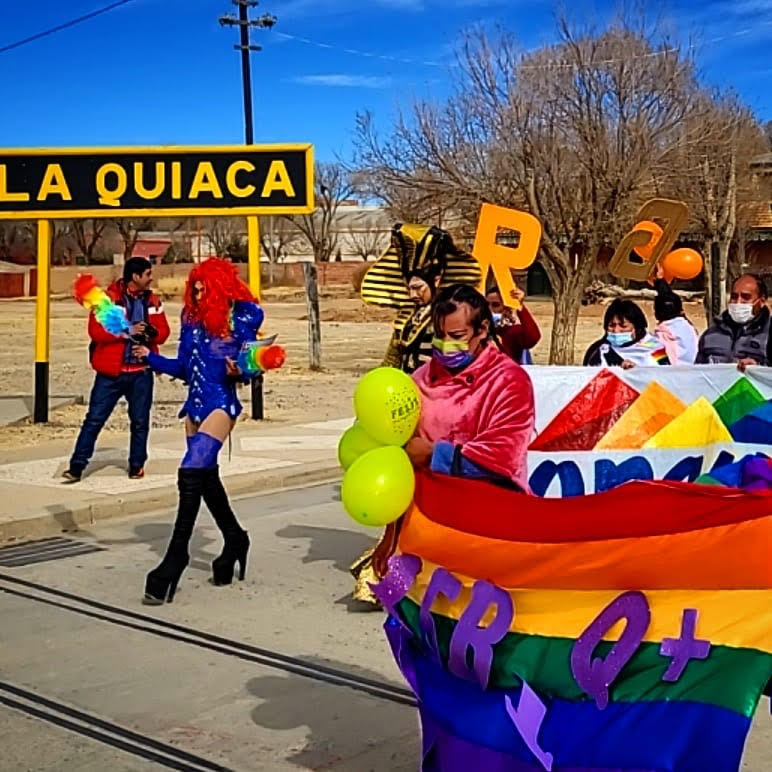
Pride march took place march in the Calchaquí Valleys.
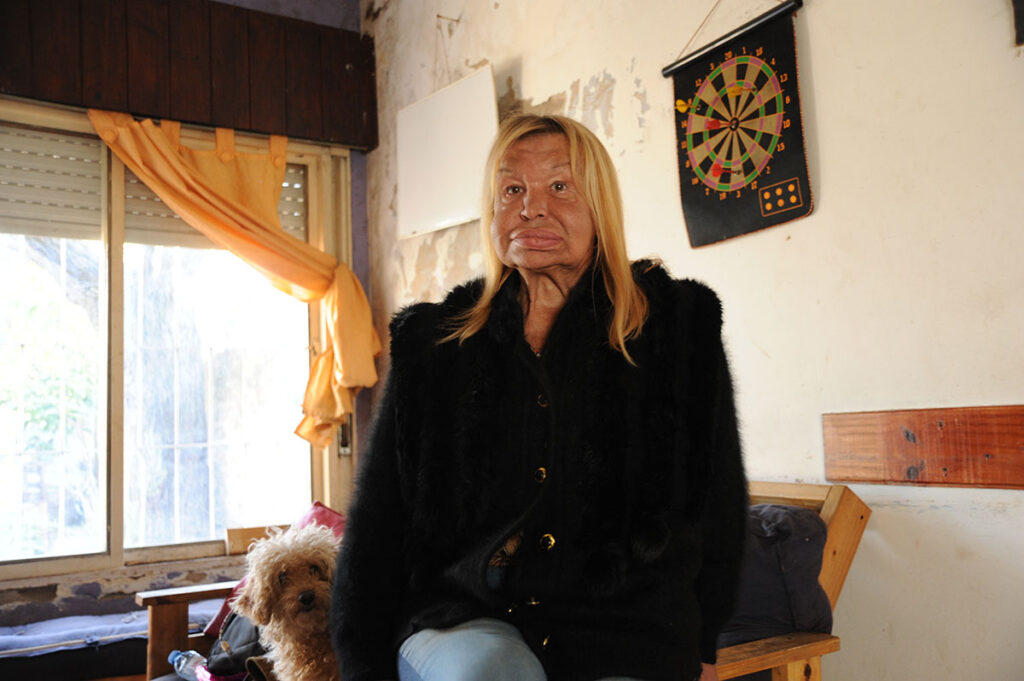
-This year, the Trans Memory Archive arrived at the Bicentennial Museum with an exhibition .

The Argentine State also acknowledged its responsibility for failing to meet international standards in the investigation of the murder of Prefect Octavio Romero, committed eleven years ago, and signed a historic agreement. For the first time in the history of Argentina and the Inter-American Commission on Human Rights, an amicable settlement agreement was reached regarding a hate crime. “This sets a precedent to try to prevent it from happening again. So that there is no other Octavio Romero, no more cases of discrimination. This opens doors and soothes a pain that has lasted for many years,” said Gabriel, his partner, at the ceremony, which he attended wearing Octavio's clothes.
-The State created a new line of economic support for transvestites and trans people over 50 years of age, and for the first time a trans survivor of the dictatorship (Karina Pintarelli) received reparation from the National State.
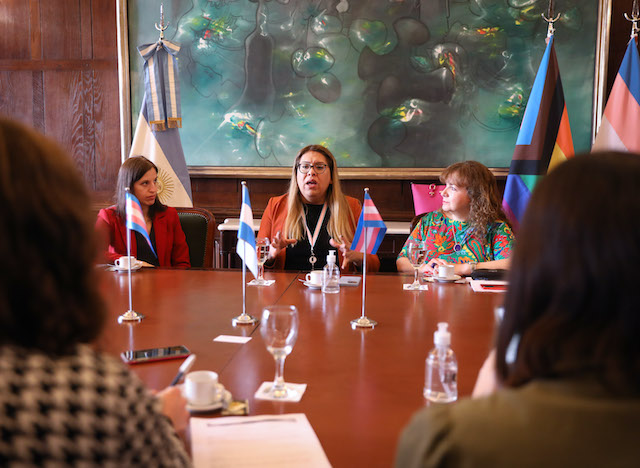
And this year, trans activist Alba Rueda was appointed Special Representative on Sexual Orientation and Gender Identity at the Ministry of Foreign Affairs, International Trade and Worship. Only five countries in the world have this role: Argentina, the United Kingdom, Italy, the United States, and Germany. Rueda was also recognized by Time magazine as one of the 100 leaders of the future.
We are present
We are committed to journalism that delves into the territories and conducts thorough investigations, combined with new technologies and narrative formats. We want the protagonists, their stories, and their struggles to be present.
SUPPORT US

FOLLOW US
Related notes

We are present
This and other stories are not usually on the media agenda. Together we can bring them to light.