
 Support us
Two medical protocols from Peru's National Institute of Child Health , from 2015 and 2020, recommend harmful, irreversible, and medically unnecessary genital surgeries for intersex children. Together with intersex activists from Peru, Argentina, Mexico, and the US, we analyzed the documents that promote mutilating and non-consensual surgical procedures. Several UN agencies have condemned these harmful practices, even classifying them as torture .
Peru promotes female genital mutilation of intersex children
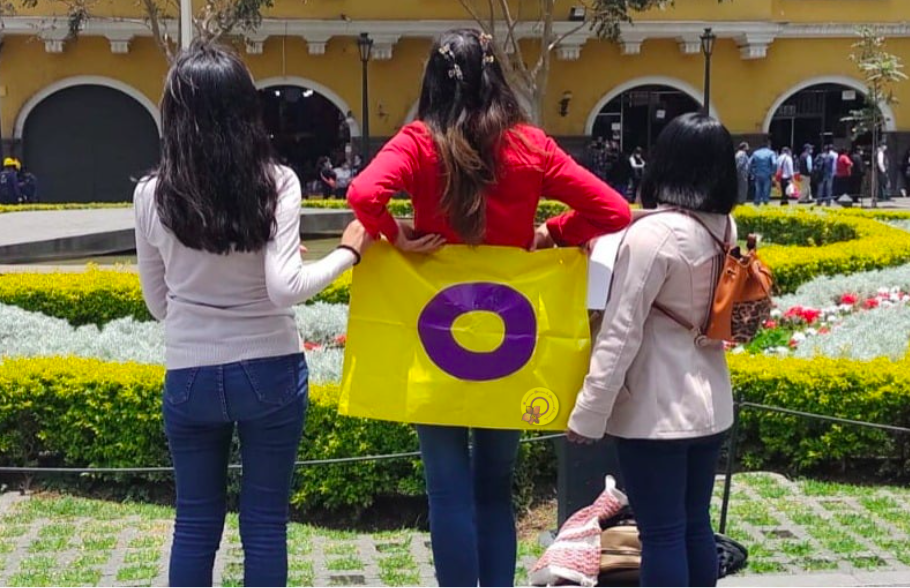
Chapter 2: The 2015 Guide
Peru, bucking the trend of other countries' efforts to eradicate female genital mutilation, has a guide that actually recommends it. This is the Clinical Practice Guideline for "Diagnosis and Treatment of Anomalies of Sexual Differentiation ," belonging to the National Institute of Child Health (INSN) – an entity attached to the Ministry of Health – and approved by Director's Resolution in 2015.

Peruvian State Medical Protocol (2015) that legitimizes so-called Intersex Genital Mutilations in childhood.
“ This Peruvian clinical guide is irrefutable proof of how they see us and how they seek to “cure” us by cutting our bodies. It is proof of the torture that doctors commit against many intersex children in Peru ,” Bea tells Presentes .
The intersex activists and specialists interviewed assert that this medical protocol, still in effect in Peru and based on a 2006 consensus, is promoting intersex genital mutilation. Some demand its immediate annulment, while others call for its updating, emphasizing the prohibition of intersex genital mutilation and the prior, full, free, and informed consent of intersex patients .
“When you are a doctor, you have your own conscience and the obligation to decide, based on your knowledge and your ideas, whether something is right or wrong, regardless of what you are told. But the truth is, if the Peruvian guidelines say this, the surgeon is, at some point, doing what the Peruvian state tells them to do,” explains Dr. Elichiry, warning about the danger of this medical guideline continuing to be used.
“From page 1 to 20, Intersex Genital Mutilation is promoted. It is horrifying to read how a body with a natural variation is pathologized. How a minor is subjected to such an atrocious intervention,” , director of the Intersex Committee of the International Lesbian, Gay, Bisexual, Trans and Intersex Association for Latin America and the Caribbean of Argentina Intersex , told .
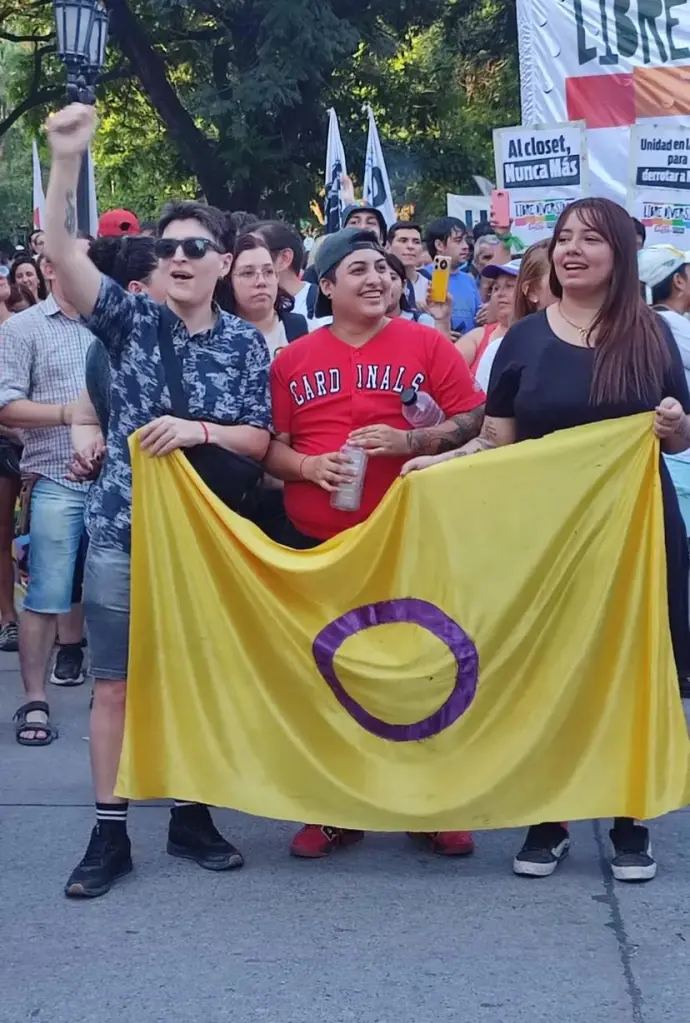
Ale López Bemsch, an intersex man and director of the Intersex Committee of ILGALAC. He is also the founder of the NGO Argentina Intersex. Credit: Argentina Intersex
Brenda Álvarez is a lawyer with Proyecta Igualdad . In her master's thesis at the Pontifical Catholic University of Peru, "The Unconstitutionality of Non-Consensual Sex Reassignment Interventions in Intersex Infants" (August 2020), she addresses, among other issues, the aforementioned guide. She warns that this medical protocol "promotes sex reassignment surgeries in intersex children without guaranteeing their informed consent, which violates fundamental constitutional principles and rights. These practices contravene the right to the free development of personality, as they impose a sexual identity without the person being able to self-determine it. Furthermore, the rights to physical and psychological integrity are affected by allowing irreversible procedures that do not respond to a medical emergency, but rather to criteria of bodily normalization based on binary social expectations," she tells Presentes.
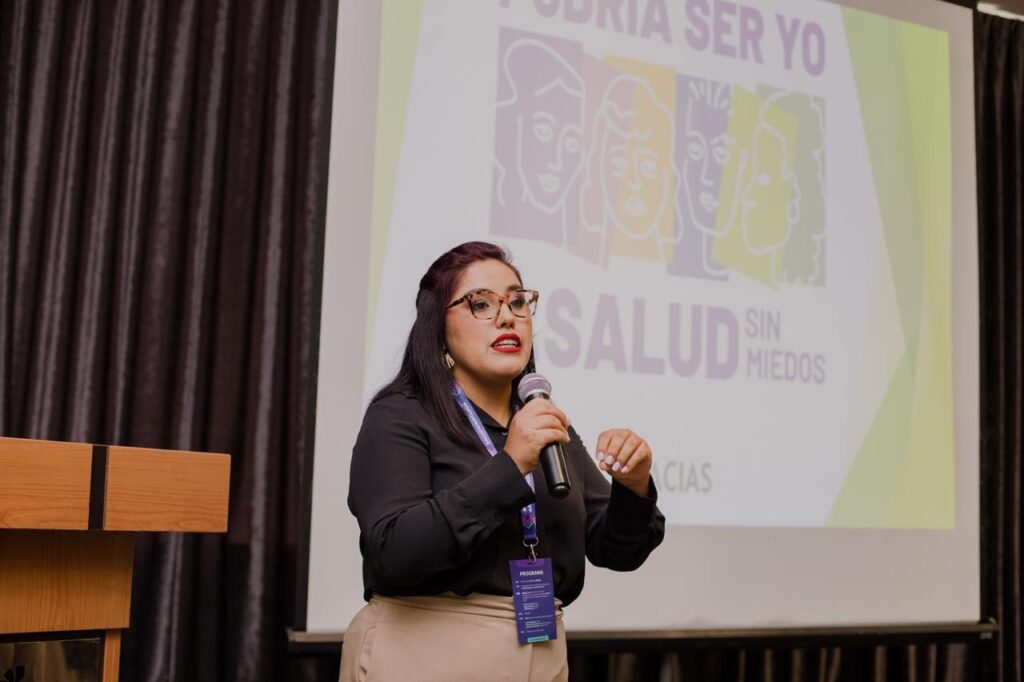
Brenda Álvarez, lawyer for the Peruvian NGO Proyecta Igualdad
Intersex activists and specialists consulted entirely question the Clinical Practice Guideline for “Diagnosis and Treatment of Anomalies of Sex Differentiation ,” belonging to the National Institute of Child Health (INSN) —but particularly pages 15, 16, and 17, where the recommended therapeutic procedures are outlined. These are divided into three parts: medical treatment, psychological treatment, and surgical treatment. Here, genitoplasty is recommended for intersex children; that is, plastic surgery on the genitals.

Peruvian State Medical Protocol (2015)
The activists denounce that this is promoting the performance of vaginoplasty, clitoroplasty and phalloplasty – three forms of genitoplasty – in intersex children.
Elichiry explains that the most frequent complications of vaginoplasty are “scarring, stenosis (which is the closure of the newly created vagina) very common if it is not dilated enough, chronic pain or pain with penetration (dyspareunia), loss of sensation in the vagina (hypoesthesia or anesthesia), fistulas, dissatisfaction with the aesthetic results, urinary incontinence, psychological trauma from the non-consensual intervention followed by vaginal dilations that in children are systematically performed by the family and medical team.”

Marina Elichiry, an Argentinian physician and ally of the intersex movement, is an expert in Gender and Sexualities. Credit: Jose Nicolini.
They assert that, moreover, for various medical procedures, the patient's prior, full, free, and informed consent is not being taken into account; instead, the focus is on that of their parents . “It's not the parents' body. It's the person's body. The person has the right to decide what they want to do with their body when they are old enough to do so, when they are sufficiently aware of the consequences of those procedures. Every person has the right to autonomy in their decisions and to integrity. That is what has been at the heart of the intersex movement all this time,” states Frida Flores, an intersex woman and activist with Brújula Intersexual (Intersex Compass).
The document states: “Genitoplasty should only be performed when there is a precise diagnosis of the type of ADS (anomaly of sex development) and a gender has been assigned considering the expected sexual outcome in the post-pubertal stage. If there is insufficient certainty, genitoplasty should be postponed until it is obtained, as it includes irreversible procedures such as phallus reduction and castration in patients raised as female and the resection of uterovaginal tissues in patients raised as male…”.
Dr. Elichiry points out to Presentes that, in this paragraph, the National Institute of Child Health (INSN) is recommending genitoplasty (genital plastic surgery) only when the type of intersexuality or bodily variation in a child is known with certainty. She asserts that this is completely unnecessary and calls it "an aberration against childhood." Furthermore, she emphasizes that the INSN itself "is making it clear that these genital surgeries are irreversible and cause significant harm."
Clitoroplasty “is often followed by loss of sensation, chronic pain, and an inability to have an orgasm due to damage to the sensory nerves,” Elichiry maintains. She explains that phalloplasty is the “creation” of a phallus or penis, and that “it is technically very difficult, which is why in cases where the phallus is very small, it is usually decided to assign the female sex.”
Vaginoplasty and sexual abuse
Frida Flores, an intersex woman and activist with the NGO Intersex Compass , warns of the dangers of performing vaginoplasty on children, as they then have to undergo vaginal dilations to keep the artificially created opening open. “They insert tubes into the created opening quite frequently to keep it open. That is sexual abuse. Obviously, all of this causes trauma,” she maintains.
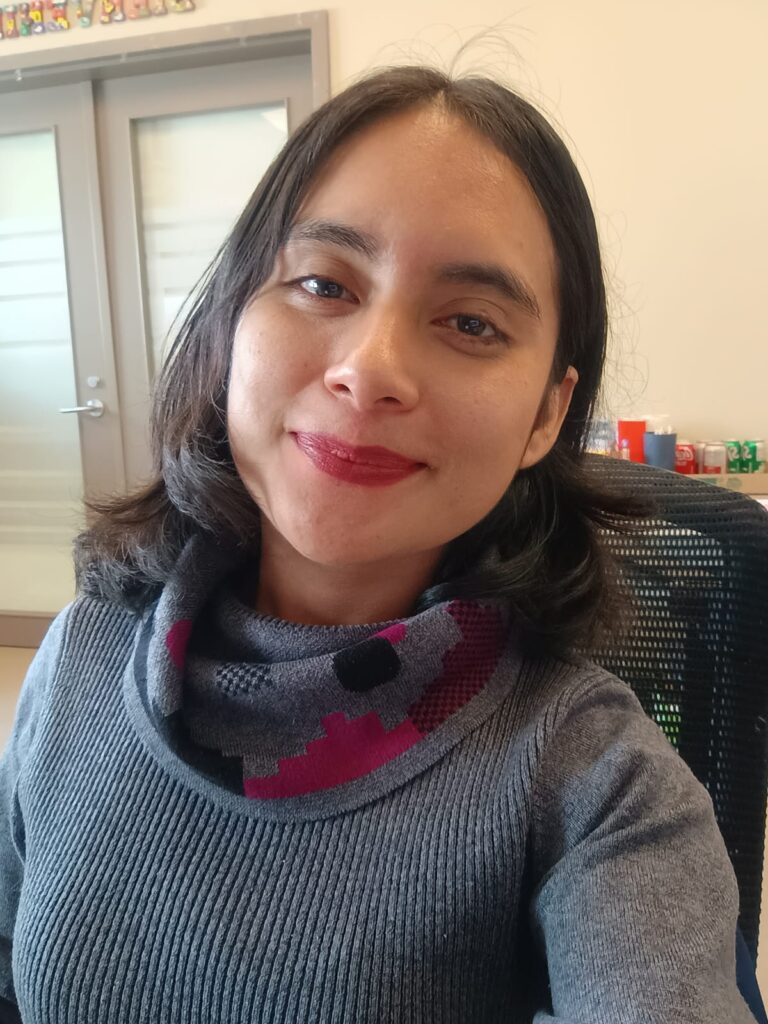
Frida Flores, an intersex woman and activist with the Mexican NGO Brújula Intersexual. Frida Flores' personal archive.
Dr. Marina Elichiry states that it is an aberration to perform vaginoplasties in childhood, when the vagina has no use whatsoever.
The same paragraph of the document states: “…In general, functionality should be given more importance than aesthetics, and surgeons with experience in this type of surgery should be used…”.
Elichiry and Flores explain that when the word “functionalities” is used in these types of clinical guidelines, it refers to the possibility of penetration for men and penetration for women. “They are thinking about the functions of the genital organs in extremely heterosexist, cissexist, and conservative terms,” says Elichiry.
Flores emphasizes that there are multiple ways to express sexuality. Furthermore, it's unknown whether these intersex children will even be interested in this type of sexual practice in the future.
Elichiry, for her part, also questions the recommendation that functionality should prevail over aesthetics. “Who are they to decide whether functionality is more important than aesthetics, or vice versa, in a person's genitals? It's not their body,” she says. She reveals that the few serious studies that examine the functionality and aesthetics of these surgeries conclude that the results are terrible.
The doctor cites an example from Presentes , a recent 2024 study, Perspectives on conducting “sex-normalising” intersex surgeries conducted in infancy: A systematic review , involving researchers from various departments of the World Health Organization (WHO). This study uses a rigorous methodology to review these surgeries in intersex children to determine whether or not they offer any benefits. “The result is that there is no evidence in favor and that these genital interventions are a disaster,” she says.
The evidence is clear
Kimberly Zieselman, an intersex woman and Senior Advisor for Global Intersex Rights at the NGO Outright International , says she finds it striking that this clinical guideline outlines some of the devastating consequences of these surgeries and admits they can cause irreversible damage. For example, sterilization, nerve damage in the genitals, sprains, decreased genital sensitivity, and further “corrective” surgeries throughout life, among others. “This document is proof. Proof of the harm these surgeries cause.” Typically, these kinds of medical protocols don't acknowledge harm. I wish we had something like this in the United States, because we could say, “Look, you, from the public medical system, from an official government document, are admitting the terrible harm.”

Kimberly Zieselman, an intersex woman and Senior Advisor for Global Intersex Rights at the NGO Outright International. Credit: Personal archive
Zieselman does not believe there was any intention to harm patients when this guide was created, but he affirms that there is very serious negligence on the part of the Peruvian State for not having updated it in ten years.
Intersex organizations that have been receiving complaints and documenting evidence – Brújula Intersex , Vivir y Ser Intersex , and StopIGM.org/Zwischengeschlecht.org – agree that Intersex Genital Mutilation practices include non-consensual, medically unnecessary, irreversible cosmetic genital surgeries and other harmful medical procedures based on prejudice, which would not be considered appropriate for “normal” children . Furthermore, there is no evidence of any benefit to the affected children, and these practices are based on social and cultural beliefs and norms.

June 19, 2025

Melissa Goytizolo Castro

Peru Intersex
 Edited by: Ana Fornaro, María Eugenia Ludueña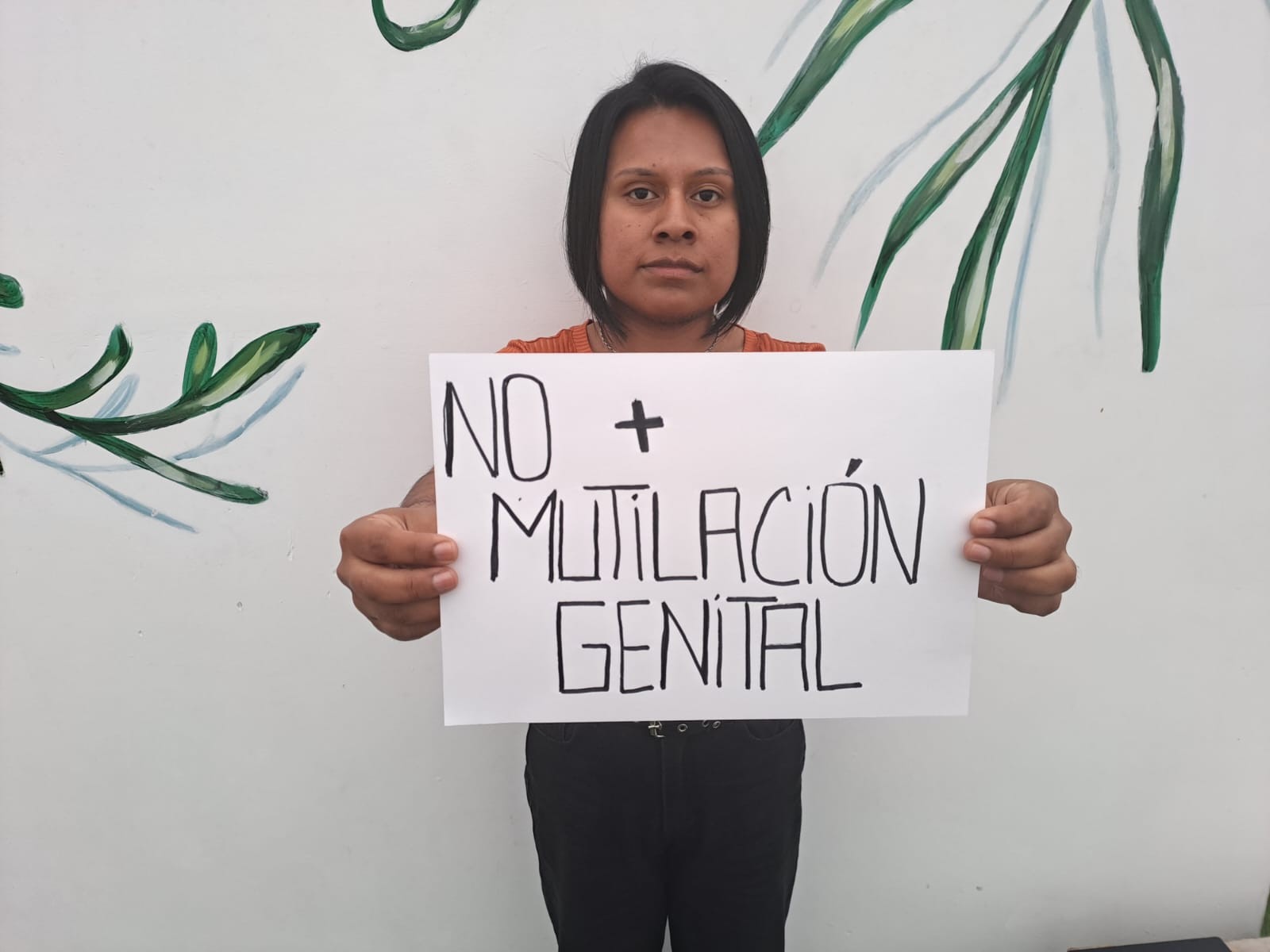
Keep reading about intersexuality

We are present
We are committed to journalism that delves into the territories and conducts thorough investigations, combined with new technologies and narrative formats. We want the protagonists, their stories, and their struggles to be present.
SUPPORT US
