
 Support us
Two medical protocols from Peru's National Institute of Child Health, from 2015 and 2020, recommend harmful, irreversible, and medically unnecessary genital surgeries for intersex children. Together with intersex activists from Peru, Argentina, Mexico, and the US, we analyzed the documents that promote mutilating and non-consensual surgical procedures. Several UN agencies have condemned these harmful practices, even classifying them as torture.
Peru promotes female genital mutilation of intersex children
Chapter 3: The 2020 Guide
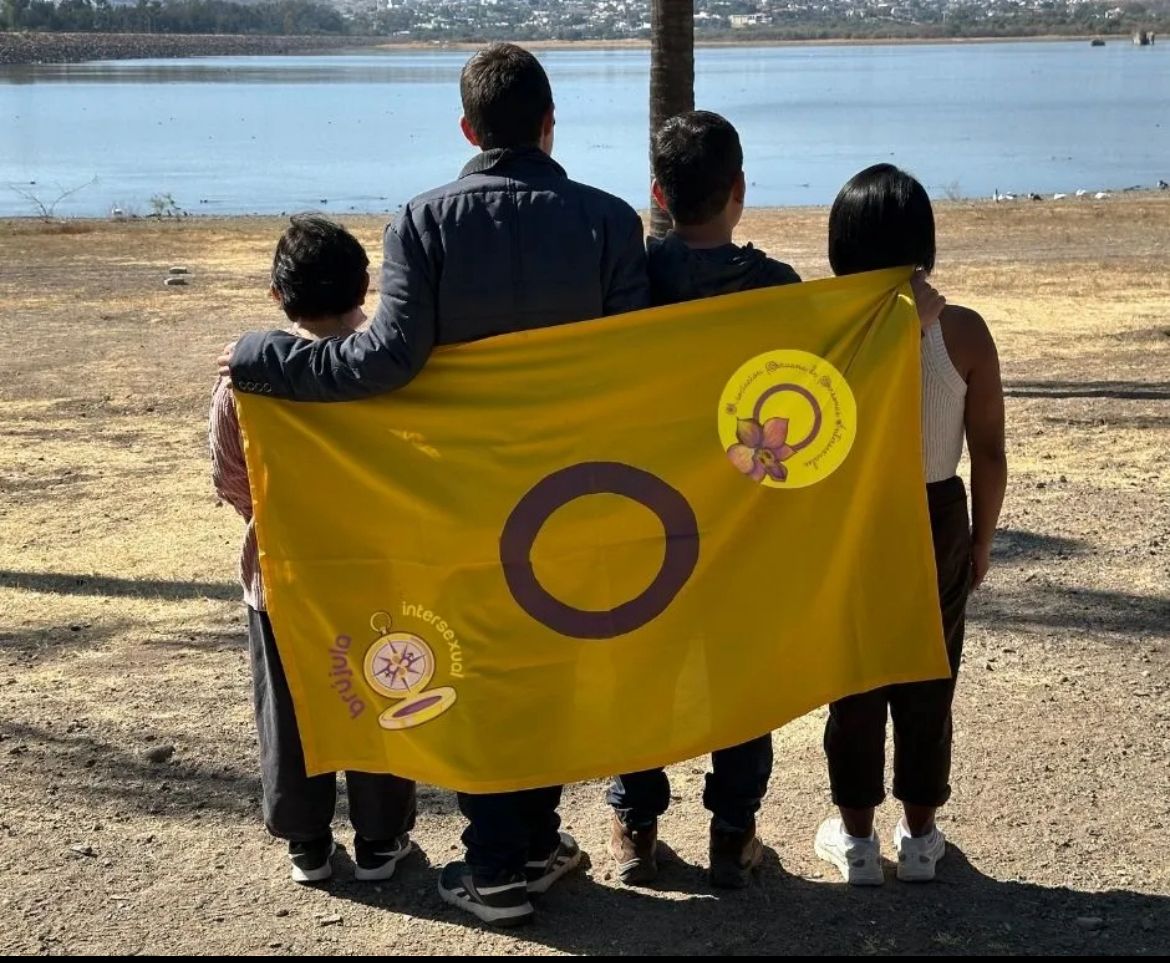
Mishel, Vico's mother, remembers the day her daughter first asked her, at age five, why her vagina was different from other girls'. She replied that God had also sent special children into the world, children with a star, just like her. Vico readily accepted the explanation. Their experiences as the mother of an intersex child, born with Congenital Adrenal Hyperplasia (CAH), are shared on the Peru Intersex website.
She recounts that being her mother gives her no right to make such sensitive decisions about her daughter's body. She firmly believes that Vico has no problems and that, had she given in to the doctors' pressure and threats to undergo the surgeries, she would have condemned her little girl to mutilation. “A geneticist at the Children's Hospital in Lima told me that Vico had to have the surgery, and when I refused, his response was: ‘Then take pictures of her medical records and go find another place to have her treated.’”

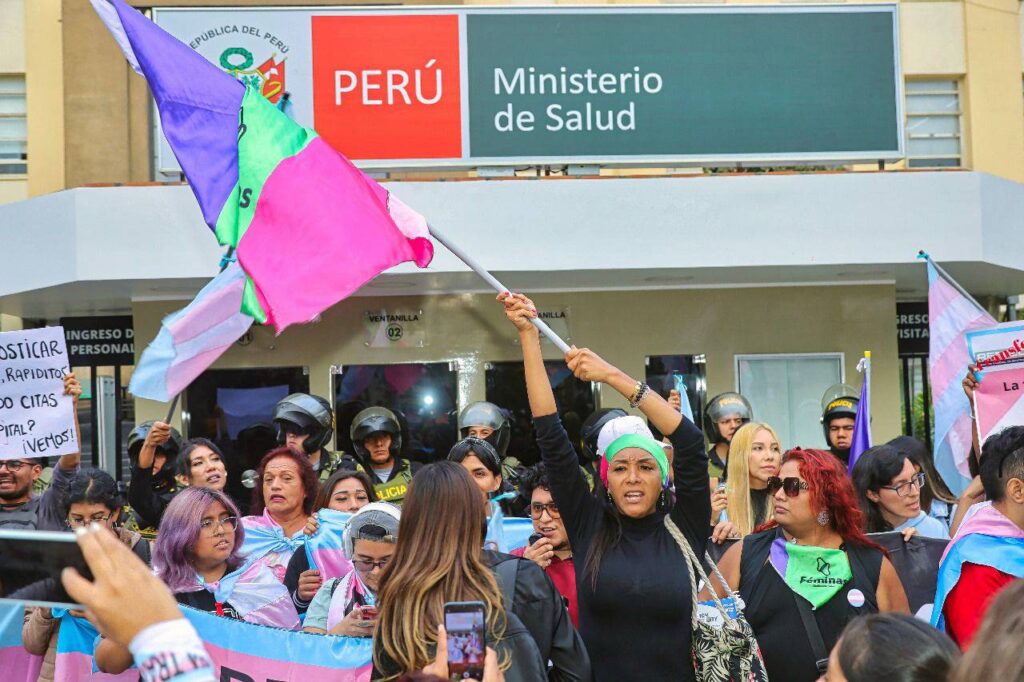
The Peruvian Ministry of Health indicates that non-consensual, cosmetic “surgical corrections” should be performed on the genitals of intersex children.
Vico, now eight years old, was fortunate that his mother stood firm in her decision not to have his genitals altered, despite pressure from the Peruvian medical system. Unfortunately, not many children are so lucky. Many doctors recommend these surgeries, and their parents agree, believing it will be best for their children. Such was the case of Karen—whose story was told in the first chapter of this investigation—the girl with congenital adrenal hyperplasia (CAH) who underwent vaginoplasty and clitoroplasty at the age of two.
Since 2020, Peru has had a specific protocol for this: “Technical Guide: Diagnosis and Treatment of Congenital Adrenal Hyperplasia,” belonging to the National Institute of Child Health of Peru (INSN)—an entity attached to the Ministry of Health—and approved by Director's Resolution. This document suggests that doctors perform “surgical correction” on the genitals of intersex children with CAH, which has been described by the intersex activists and specialists interviewed as further evidence that Intersex Genital Mutilation is being promoted by the Peruvian State. Furthermore, this guide, which is almost six years newer than the previous one, makes no mention of the physical and mental health repercussions of these surgeries on intersex children.

Peruvian State Medical Protocol (2020) that legitimizes so-called Intersex Genital Mutilations in childhood.
There are more than 40 intersex variations, with CAH being one of the most common. Marina Elichiry explains that CAH can be non-salt-wasting, which is the most frequent and poses no health risks, or salt-wasting (“occurs when, in addition to a lack of cortisol, there is also low production of a hormone called aldosterone, which helps maintain adequate levels of sodium and potassium in the body”), which does pose a risk to the person's life and therefore requires medical treatment, but in no way surgery on the genitals.
In the medical therapies section of this medical guide (page 8) it says: “In the case of female patients, who present ambiguous sex, they require surgical correction, which is done in due time and by an experienced pediatric urologist.”
“If surgical corrections are recommended, it constitutes Intersex Genital Mutilation. This appears to be concrete evidence that these human rights violations are being promoted in Peru. Congenital Adrenal Hyperplasia (CAH) is one of the most common intersex conditions, and there is global outrage over surgeries performed on the phallus (usually the clitoris) of infants and young children,” states Kimberly Zieselman.
“By stating that surgical corrections are required, it is inciting and suggesting the performance of Intersex Genital Mutilation procedures. A person can have genital variations throughout their life, and that doesn't mean they are ill. It doesn't mean they will die. Absolutely nothing will happen to them. It is important to remember the repercussions that these surgeries have on people's physical and mental health,” says Frida Flores, emphasizing that the NGO Brújula Intersexual has various support groups for intersex people, the largest of which is for people with CAH, made up primarily of women. “It has more than 800 members. We have heard the testimonies of all these people and we are aware of the repercussions,” she notes.
Flores stresses that the statement “requires surgical correction which is done in a time frame…” means that most of the time, the children who undergo these procedures are subjected to more than one surgery. He mentions that some people undergo more than ten surgeries, which means they spend practically their entire childhood and adolescence in hospitals.
“This 2020 Guide is even more complex than the 2015 one. It does not clearly establish the contraindications for the procedure, nor does it present a protocol to facilitate the determination and decision-making process. In this sense, this new medical protocol offers fewer guarantees than the previous one and, once again, fails to guarantee the rights of intersex children,” argues lawyer Brenda Álvarez.
“It is urgent to establish medical protocols focused on human rights and legislation that respects the integrity of intersex people,” demands Warmy XY, an intersex woman and activist in Peru Intersex.

June 19, 2025

Melissa Goytizolo Castro

Peru Intersex and Intersex Compass

Edited by: Ana Fornaro, María Eugenia Ludueña
Keep reading about intersexuality

We are present
We are committed to journalism that delves into the territories and conducts thorough investigations, combined with new technologies and narrative formats. We want the protagonists, their stories, and their struggles to be present.
SUPPORT US
