
 Support us
Two medical protocols from Peru's National Institute of Child Health, from 2015 and 2020, recommend harmful, irreversible, and medically unnecessary genital surgeries for intersex children. Together with intersex activists from Peru, Argentina, Mexico, and the US, we analyzed the documents that promote mutilating and non-consensual surgical procedures. Several UN agencies have condemned these harmful practices, even classifying them as torture.
Peru promotes female genital mutilation of intersex children
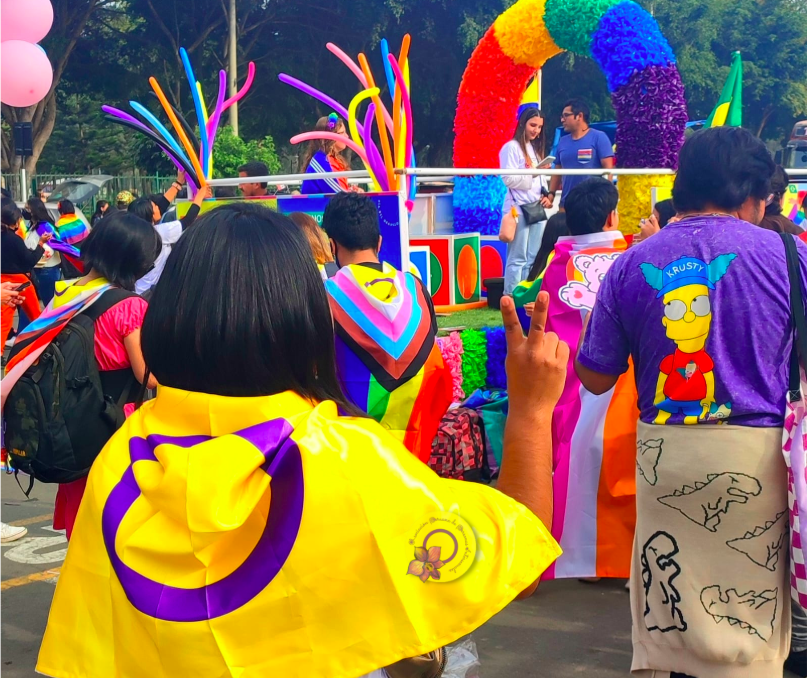
Chapter 4: International Condemnation of Torture
Since 2013, several UN agencies have condemned Intersex Genital Mutilation (IGM), even classifying it as a form of torture . In 2016, the Office of the United Nations High Commissioner for Human Rights called for an end to IGM and urged all countries to prohibit these practices. “States must investigate human rights violations against intersex people, hold those found guilty of perpetrating such violations accountable, and also provide reparations and compensation to intersex people subjected to abuse,” it states.
Meanwhile, in 2015 the Inter-American Commission on Human Rights (IACHR) classified these practices as medical violence and recommended that OAS Member States make the necessary legislative and public policy modifications to prohibit unnecessary medical procedures on intersex peoplewhen they are performed without the prior, free and informed consent of the intersex person.
Around the world, there are hundreds of reports from intersex people who have suffered Intersex Genital Mutilation at the hands of the medical system. Their testimonies are found in books, media outlets, and intersex organizations. As a result of advocacy led by the intersex community, these unnecessary, harmful, and non-consensual practices have already been banned in Greece, Malta, Spain, Germany, Iceland, and Portugal. In the latter three countries, intersex activists argue that the law is still insufficient.
Meanwhile, within the region, in Chile, the Ministry of Health issued Circular No. 15, “Necessary Measures to Guarantee the Best Interests of Children and Adolescents with Variations in Sexual Characteristics”, warning that these surgeries should not be performed.
Similarly, in Mexico, there is the "Guide of Recommendations for the Care of Intersexuality and Variation in Sexual Differentiation," produced by Brújula Intersex and published by the Ministry of Health. While neither document is legally binding, they represent a significant step forward for the intersex community, as they educate the medical system about the health and rights of intersex children.
In Argentina, there is a bill, the "Comprehensive Protection of Sex Characteristics Bill," promoted by the NGO Intersex Justice, which even demands reparations for victims for the multiple consequences caused. Unfortunately, in Peru, there has not been a single legal attempt to prohibit Intersex Genital Mutilation in infants.
“The Peruvian guidelines deviate from international human rights standards that recognize that children’s evolving capacities must be respected and that interventions of this kind should be postponed until the individual can fully participate in the decision. They instrumentalize the principle of the best interests of the child to justify invasive practices without urgent medical justification or the participation of bioethics committees with a human rights approach. Their application represents a threat to human dignity and must be repealed or reformulated in accordance with constitutional standards and international treaties ratified by Peru,” argues lawyer Brenda Álvarez.
“It is very serious that we still have to read these kinds of medical protocols knowing that the patients undergoing these procedures are minors. These are minors who are given anesthesia, who are cut open, who have vaginas created for them, and who have dildos inserted into their vaginal cavity. This is inhumane. It is torture,” states Ale López Bemsch, director of the ILGALAC and founder of Argentina Intersex.

Credit: Argentina Intersex
In this regard, the intersex appendix of the Second LGBTIQ+ Mental Health Study by the Peruvian NGO Más Igualdad reveals serious mental health problems among intersex people. The figures are alarming and much higher than those for the rest of the LGBTIQ+ community regarding depressive disorders (100% of respondents) and anxiety disorders (63%). Rates of suicidal ideation (32%) and self-harm (23%) are also significantly higher than for the rest of the community. “There is a great deal of invisibility surrounding intersexuality, and this also generates these mental health problems. It's a topic that isn't discussed. For example, for other LGBT issues, at least bills have been introduced, there's a working agenda, and there's an established community. It's crucial that intersex people feel they are not alone,” says Alex Hernández, an activist with Más Igualdad and one of the researchers of the aforementioned study.
Nothing to correct
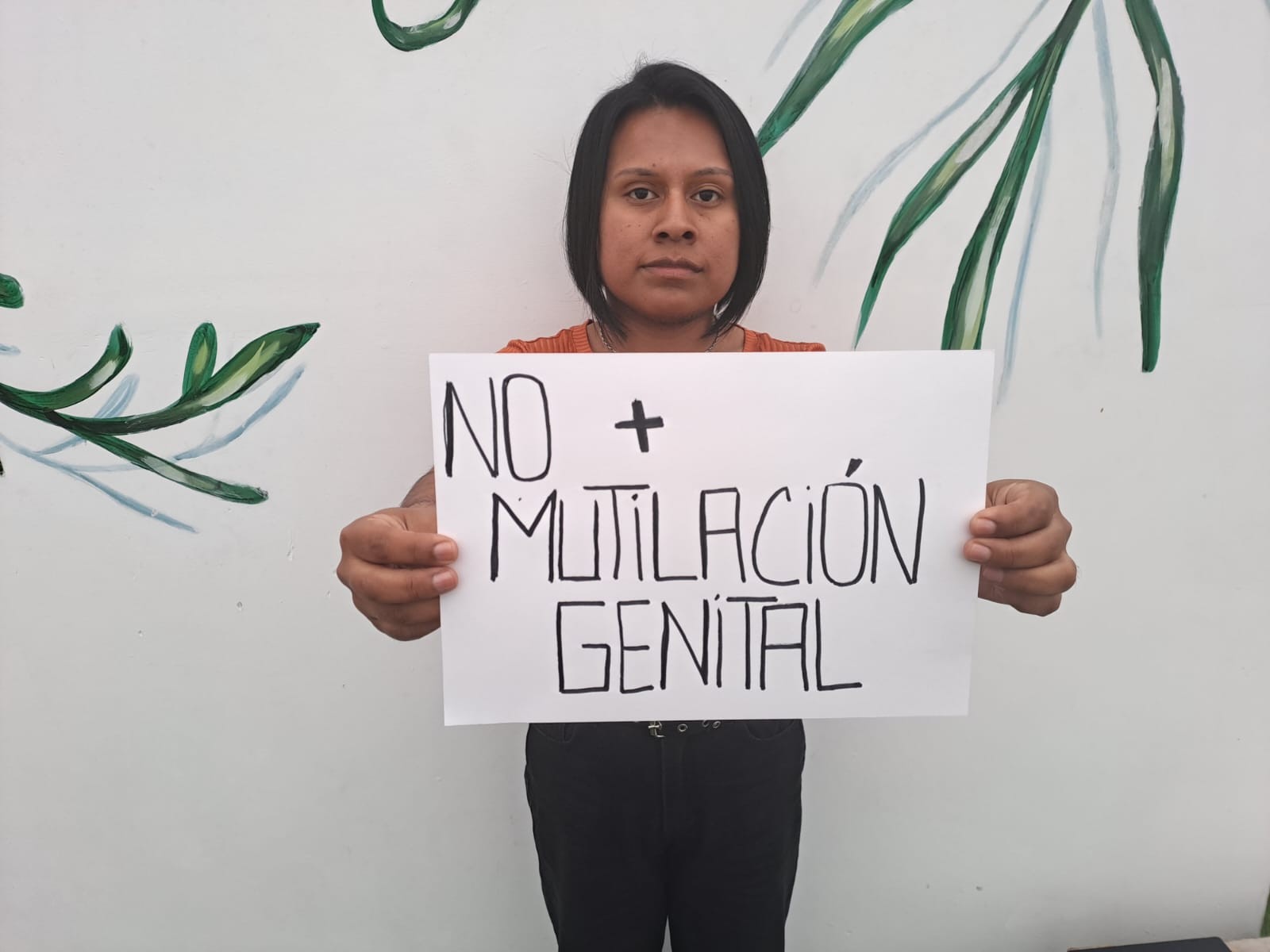
“I didn’t have surgery thanks to my mother’s wise decision. I didn’t undergo any surgical procedures on my genitals, and I currently live peacefully. Without any pain. Without any discomfort. And I can enjoy my sexuality without any problems,” Bea emphasizes.
This social activist is currently studying sociology at the University of Buenos Aires (UBA), with the firm purpose of strengthening her NGO, Brújula Intersexual (Intersex Compass), and contributing to the study of intersexuality in Peru and Latin America. “I want intersexuality to be recognized as an lived experience of people who exist here and now, and who will continue to exist. They are people like anyone else, who study, who want to get ahead, who want to work, who want to connect with others, and who deserve a full and happy life,” she shares, and leaves a message for the doctors who read this article: “Make space to learn about our experiences in a kind and respectful way. Listen to us and let's create an alliance to protect intersex children so they can have a better tomorrow.”

Bea, a 29-year-old intersex woman, is the founder of Peru Intersex.
And a message for intersex people: “I want to tell you that you are beautiful people and that your body is valid just as it is. Being born with this bodily diversity is wonderful. Join our community to support and accompany each other.”
Presentes requested a statement from the National Institute of Child Health, but received no response.

June 19, 2025

Melissa Goytizolo Castro

Peru Intersex

Edited by: Ana Fornaro, María Eugenia Ludueña
Keep reading about intersexuality

We are present
We are committed to journalism that delves into the territories and conducts thorough investigations, combined with new technologies and narrative formats. We want the protagonists, their stories, and their struggles to be present.
SUPPORT US
