
 Support us
Two medical protocols from Peru's National Institute of Child Health , from 2015 and 2020, recommend harmful, irreversible, and medically unnecessary genital surgeries for intersex children. Together with intersex activists from Peru, Argentina, Mexico, and the US, we analyzed the documents that promote mutilating and non-consensual surgical procedures. Several UN agencies have condemned these harmful practices, even classifying them as torture .
Peru promotes female genital mutilation of intersex children
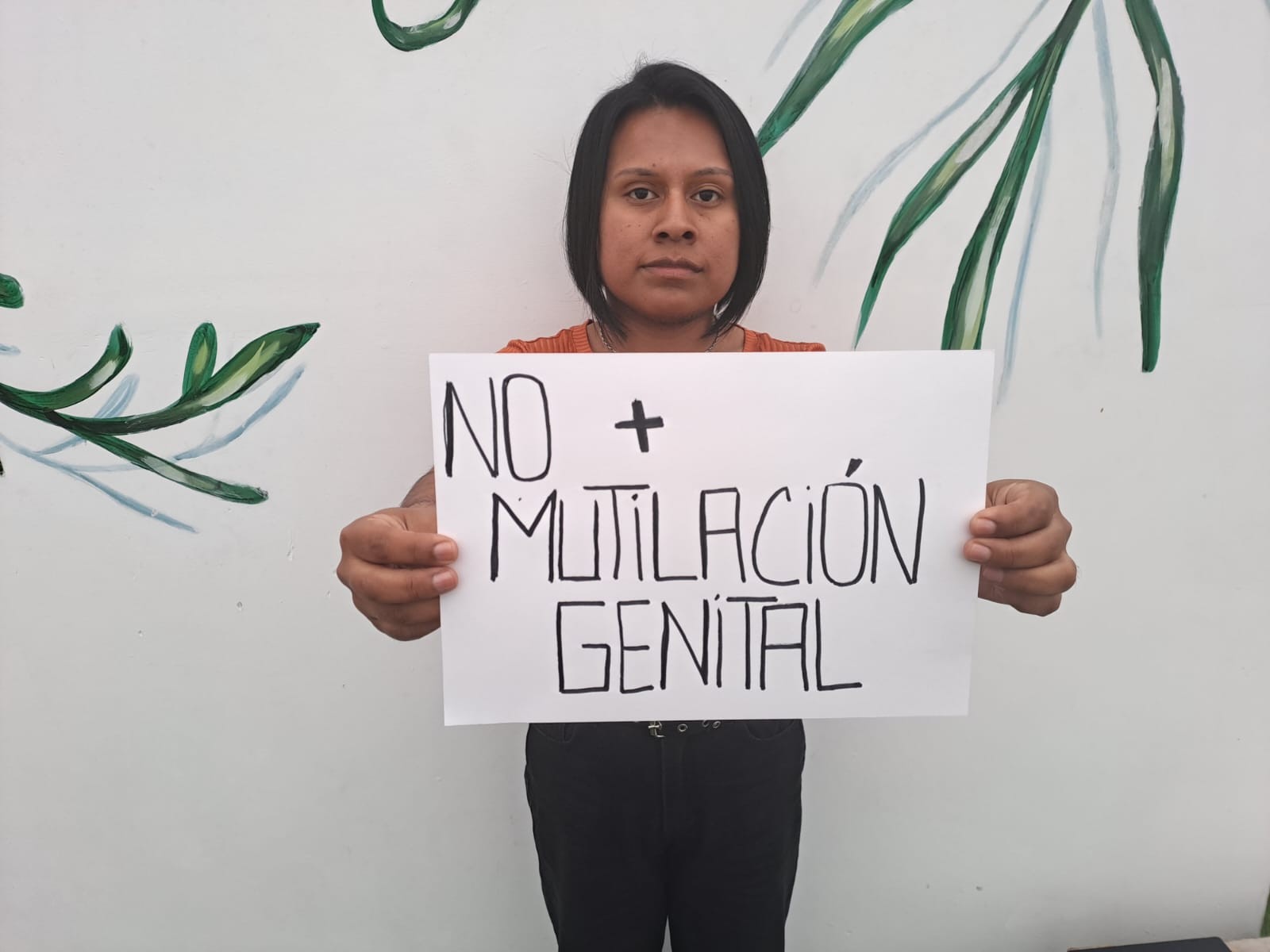
Chapter 1: Bea and Karen
What does it mean to be intersex? It's the "I" in the acronym LGBTQ+. "Intersex people are born with sex characteristics (such as sexual anatomy, reproductive organs, hormonal and/or chromosomal patterns) that do not fit typical binary concepts of male and female bodies. For some intersex people, these traits are evident at birth, while for others they emerge later in life, often during puberty . This definition comes from the United Nations (UN), which estimates that 1.7% of the world's population is born with intersex characteristics. It explains: "That makes being intersex as common as being a redhead."
There isn't just one type of intersex body, but rather more than 40 types of intersexuality or bodily variations. Furthermore, an intersex person may identify as female, male , or neither. They may also be heterosexual, lesbian, gay, or bisexual.
Bea is a 30-year-old intersex woman and founder of Perú Intersex , the only NGO in Peru working for the rights of this community since 2020. As she reviews the organization's support chats, she recalls the anguish of mothers who don't know what to do because their children's bodies are different from those of other children. Bea understands that sadness. She knows the depth of that pain and the pain of those who have undergone mutilating surgeries on their genitals to "correct" their bodies to fit within the binary concepts of female or male. She grew up in a very poor family in the Lima district of Villa El Salvador and managed to steer her path toward activism. In each of the stories she hears, she relives her own.
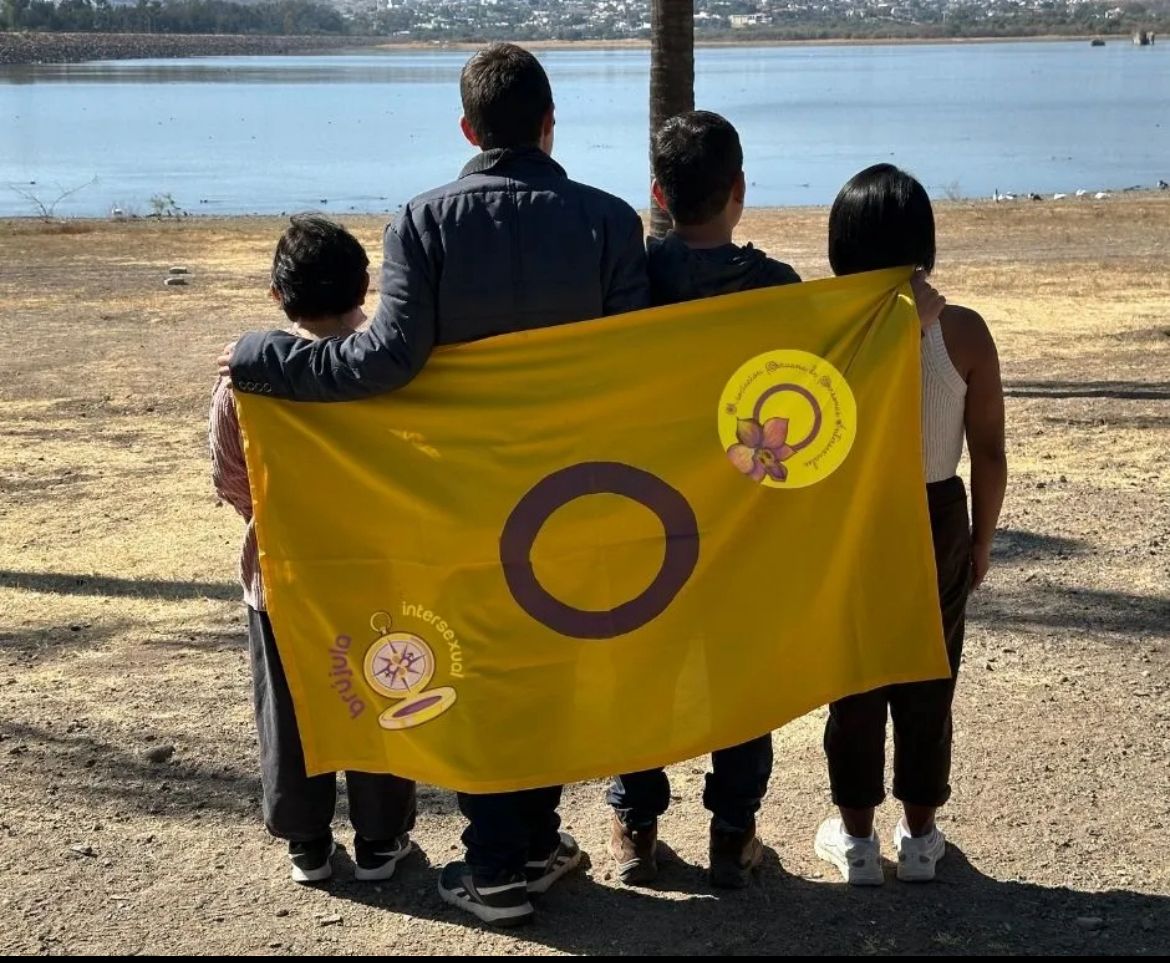
Bea was born with Congenital Adrenal Hyperplasia (CAH). This causes, among other things, an increase in testosterone levels. “The increase in testosterone levels in people with CAH and XX chromosomes can cause the person to be born with variations in genital shape or ‘ambiguous’ genitalia, which may include a clitoris larger than what is considered ‘acceptable for a woman’ and/or having a common opening where the urethra and vagina meet,” explains the website of Brújula Intersexual, a Mexican NGO founded in 2013 that works with intersex people, activists, and communities in Mexico, Latin America, and Spain.
“My mother decided against me having genital surgery. I think her decision was based on her own experience as a person with a disability. People with disabilities are often subjected to surgery, and the results are frequently terrible.”
That's why, when the doctors suggested it, she decided to leave the medical center. This prevented them from mutilating me , but at the same time, it prevented me from exercising my right to health like any other child, since the intentions to operate on me were very persistent,” she shares.
Bea's mother didn't know how to support her daughter through her experience. Bea herself didn't understand why her body was different until she was 23, during a trip to Argentina for her university studies. During her adolescence, unlike her friends, her breasts didn't develop, she didn't menstruate, and she had more body hair than what was considered "normal" for a woman. "I grew up in fear. Covering myself as much as possible at school. Exposing myself to the danger of walking alone on streets to avoid being mistreated. I thought there was something wrong with me. I believed my body was sick. I hated myself. This can happen to any intersex child and adolescent if they don't have a kind guide who embraces their bodily diversity and validates their existence," she explains.
For just over five years, Bea, along with Warmy XY and with the support of intersex colleagues from Mexico and Argentina, has been working at Perú Intersex, a space that has become a place of listening, support, and containment for intersex people in Peru. Since 2023, this NGO has organized in-person wellness spaces so that intersex people can have a place where they feel safe and free from judgment. There are also spaces for intersex children and their mothers, who share experiences, doubts, emotions, and sometimes catharsis. “For people to be able to share their experiences in these spaces is a very slow process, because it is painful and often confusing. Intersexuality is very invisible in Peru.”
Bea reads the chats and thinks about the desperation of Karen*, a seven-year-old intersex girl, and her mother, who wrote to Peru Intersex because her daughter was experiencing “a lot of discomfort” in her genital area. They live in a northern region, and to get treatment at a public hospital in Lima they would have had to wait months, so they urgently requested help from the organization founded by Bea.
Karen's Story
Karen, like Bea, was born with Congenital Adrenal Hyperplasia (CAH). In 2020, when she was two years old, she underwent surgery at a public hospital in Lima. The doctors considered Karen's clitoris to be larger than average for her age. Without her consent, they performed a clitoroplasty, meaning they cut off her clitoris to "improve" its appearance. They also performed a vaginoplasty to create a vaginal canal that would allow penetration. In other words, they created a vaginal opening where there wasn't one or where the opening was smaller than average. "Both are unnecessary, irreversible, invasive surgeries that cause significant physical and mental harm when performed on children Marina Elichiry, an Argentine doctor and ally of the intersex movement, an expert in Gender and Sexualities, told Agencia Presentes
As a result of the surgery, Karen was unable to walk properly or perform her daily activities normally. Upon learning her story, Perú Intersex arranged an emergency virtual appointment with Mexican doctor Carlos Narváez Pichardo—a specialist in internal medicine and advisor to Brújula Intersex. The doctor provided guidance on how to alleviate the pain and burning sensation in the area where she had undergone the surgery years earlier.
“ This medical system makes sick bodies that were completely healthy before those mutilating surgeries ,” Bea tells Presentes .
What they did to Karen is called Intersex Genital Mutilation and has been denounced by the international intersex community for years before human rights organizations in different parts of the world.
“Intersex Genital Mutilation practices include non-consensual, medically unnecessary, irreversible cosmetic genital surgeries and other harmful medical procedures based on prejudice, which would not be considered for “normal” children. Furthermore, there is no evidence of any benefit to the affected children, and these practices are based on social and cultural beliefs and norms. Typical forms of IGM include the “masculinization” and “feminization” of sex characteristics, “corrective” genital surgery, sterilization procedures, hormone imposition, forced genital revisions, vaginal dilation, medical exposure, human experimentation, and the refusal to provide necessary medical care,” define four intersex NGOs: Brújula Intersex; Vivir; Ser Intersex; and StopIGM.org / Zwischengeschlecht.org
“How is it possible that a child’s clitoris has to be cut because they think it’s too big? What right do they have? Some people, when they read about mutilation, think it’s something that only happens in Africa. Intersex Genital Mutilation happens in hospitals in Peru and it’s legal. Why does this happen if it’s clearly considered torture internationally?” asks Bea, the founder of Peru Intersex.
*Karen is a pseudonym used for privacy and security purposes.

June 19, 2025

Melissa Goytizolo Castro

Melissa Goytizolo Castro
 Edited by: Ana Fornaro, María Eugenia Ludueña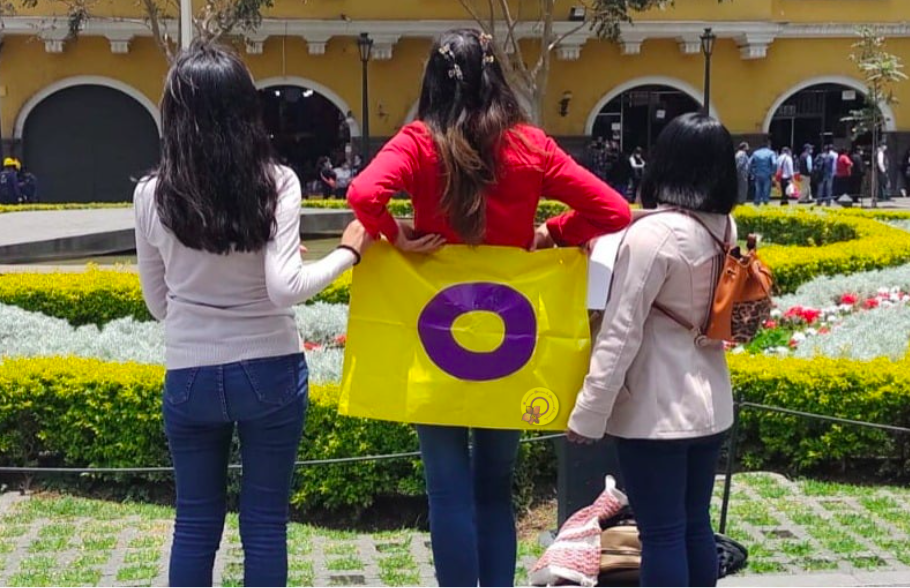
Keep reading about intersexuality

We are present
We are committed to journalism that delves into the territories and conducts thorough investigations, combined with new technologies and narrative formats. We want the protagonists, their stories, and their struggles to be present.
SUPPORT US
