

World Cup 2026: Seven documentaries about football, resistance and human rights
In a 2026 World Cup fraught with political and economic controversies, we recommend seven documentaries to learn more about the relationship of peoples with this momentous sporting competition.


Share

MEXICO CITY, Mexico. Football is better understood when you look beyond a game of eleven against eleven. In a 2026 World Cup marked by political debates and demands, Presentes recommends seven documentaries that address football, resistance, and human rights.
From how Guatemalan sex workers formed a team and joined the local league to break down the stigma, to how a Brazilian team defended democracy and indirectly defeated a dictator. To how a group of refugee footballers fleeing the civil war in the Darfur region of Sudan made history.
We visit different parts of the world where neurodivergent footballers are making a difference in their communities. We learn how the Samoan national team is training after the worst defeat in football history, a team that includes the first indigenous trans woman. We also visit the United Kingdom, where a team is made up entirely of trans and non-binary people of different ages. And we discover how a women's national team brought the discussion and fight for recognition, equality, and fair wages to the forefront in the 1970s.
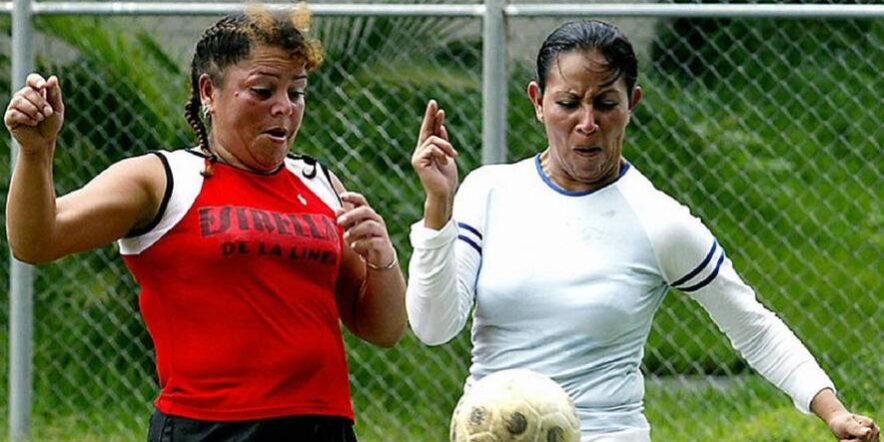
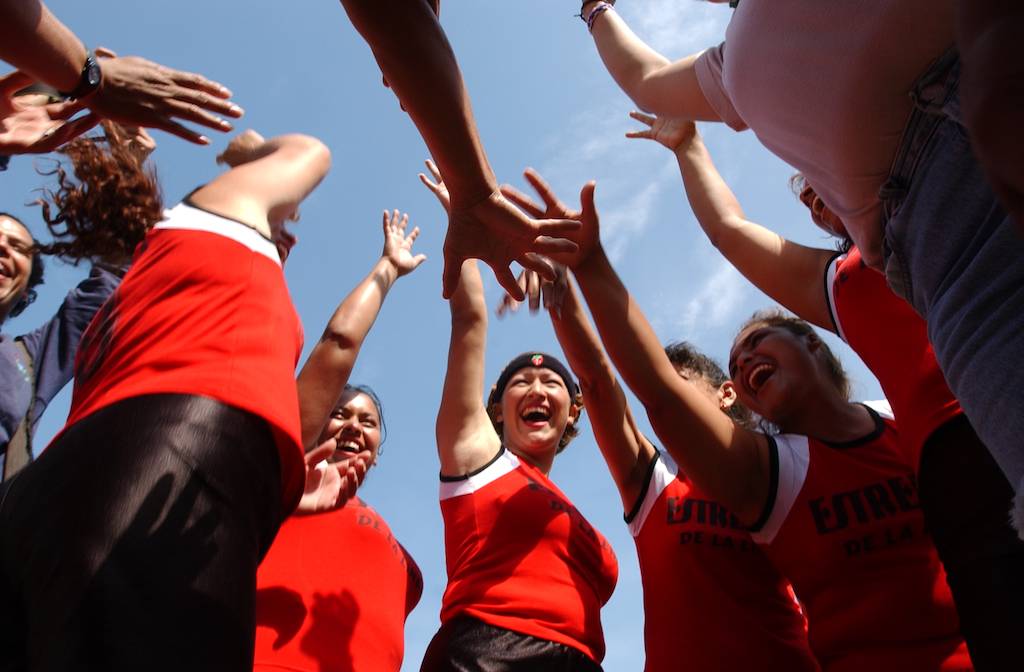
Stars of the Line, by Chema Rodríguez, Guatemala (2006)
It follows a group of women who work as sex workers in "La Línea," a marginalized area along the train tracks in Guatemala City, as they decide to form a soccer team to enter a local tournament. This documentary champions dignity and exposes the stigma, homophobia, and criminalization that sex workers face. And amidst this intensity, there is also humor, wit, and reflections on life.
This team is also led by Kimberly, a gay coach who also faces prejudice. And if you need any more convincing, there's a memorable scene where they play a game against police officers.
Next goal wins, Mike Brett and Steve Jamison, American Samoa (2014)
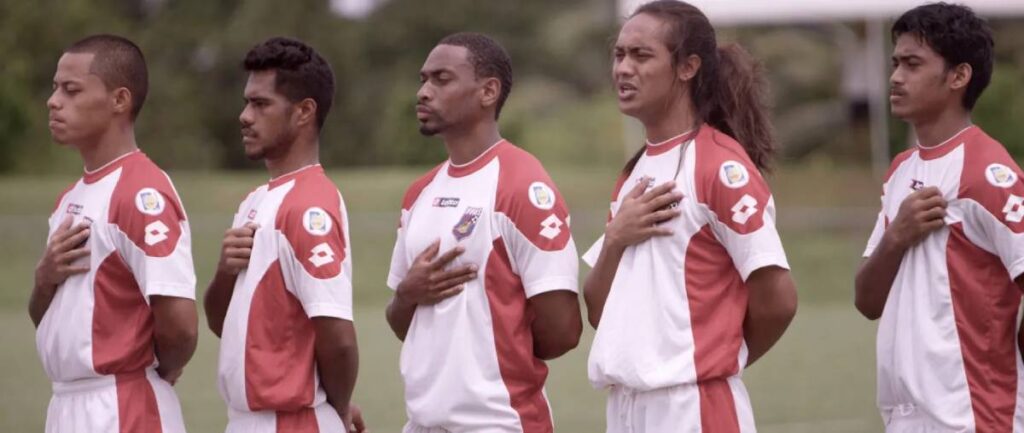
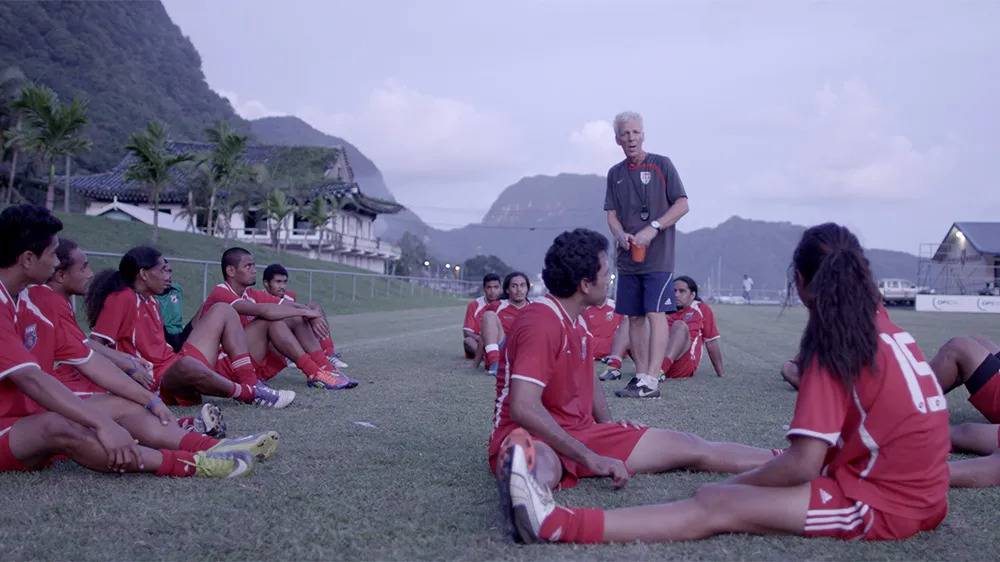
Following a humiliating 31-0 defeat to Australia, the worst result in the history of international football, the American Samoa national team began training for the 2014 World Cup qualifiers. One of the team's stars was Jaiyah Saelua, a precise defender who is faʻafafine, literally meaning "in the manner of a woman," a third gender in Polynesian society. In the process, she became the first transgender woman, as the press dubbed her, to play in a FIFA World Cup qualifier.
This documentary presents a cultural and unequal portrait of a small unincorporated territory of the United States, which has the highest rate in the world of young people joining the US military.
You can watch it here, with English subtitles.
Democracy in Black and White, Pedro Asbeg, Brazil (2014)
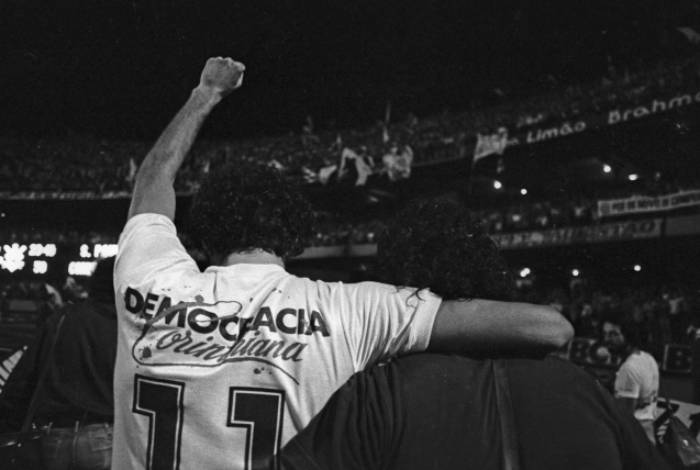
Socrates is not only the name of a philosopher who guided others to find the truth for themselves through constant questioning. In football, his namesake, Sócrates Brasileiro Sampaio de Souza Vieira de Oliveira, also did so. This Brazilian footballer, along with the powerful Corinthians forward line of Wladimir and Casagrande, helped to overthrow the military dictatorship in Brazil.
When no one in Brazil could elect their leaders, a football team debated every aspect of their club, from the president to the equipment managers. Corinthian Democracy became a movement, a form of organization and resistance, and the impact of this sports movement mobilized millions and awakened the democratic conscience of the Brazilian people during a dark time.
You can see it here, in good quality for $5.
Not just football, Paolo Casalis (2018)
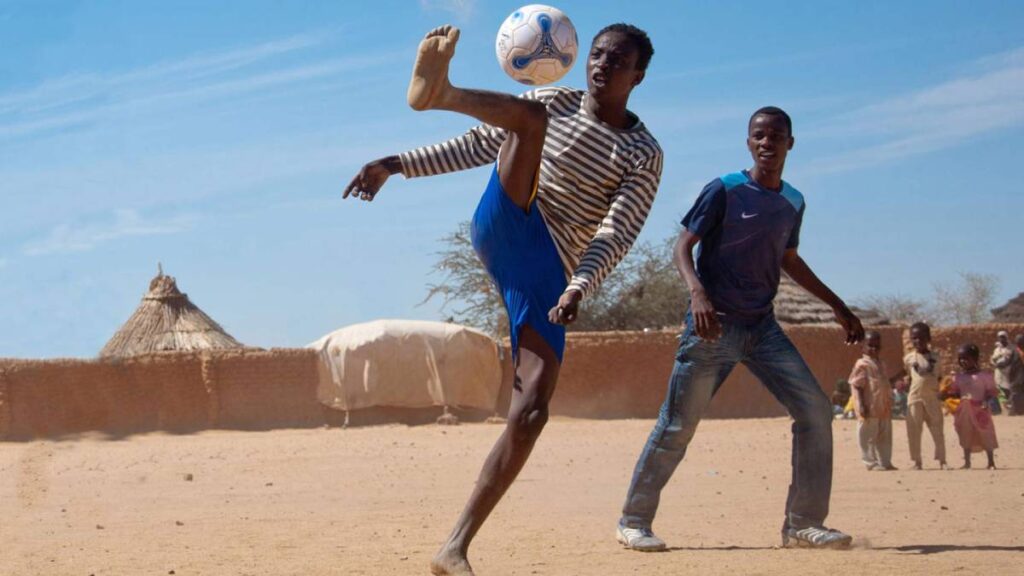
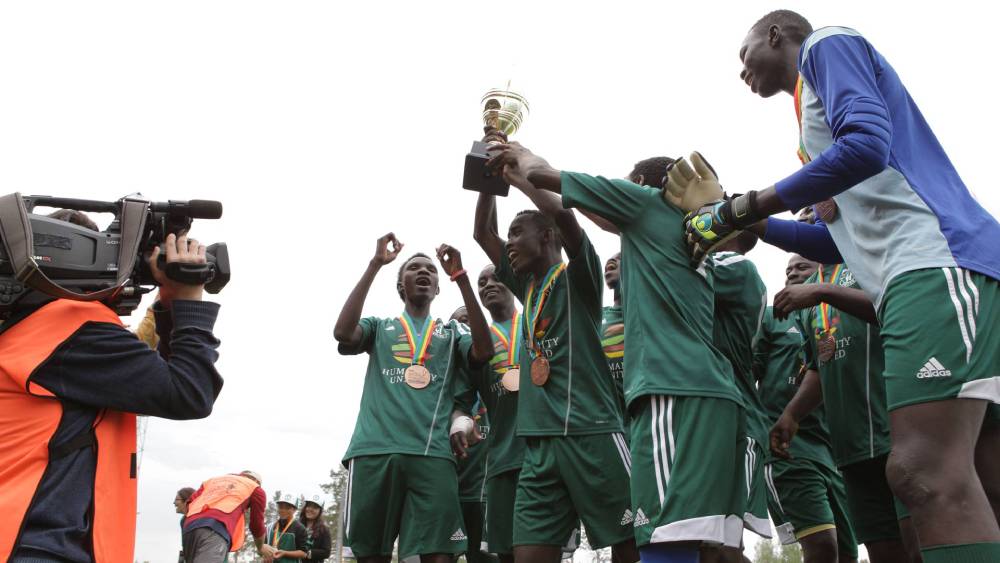
The genocide and war in the Darfur region of Sudan reached their peak between 2003 and 2005. During those years, more than 2.5 million people were forcibly displaced, and over 200,000 were killed. In 2012, a young activist realized that international aid was no longer focused on the refugees in this region and decided to create Darfur United, a football team to provide hope, dignity, and emotional support to the inhabitants of the refugee camps in eastern Chad.
Soon support for the team grows and the footballers go from playing in refugee camps to the bright lights of the VIVA World Cup, an amateur football tournament in which teams from refugees and territories not recognized by FIFA participate.
You can watch it here in good quality for less than $5
So close to the clouds, Manuel Cañibe, Mexico (2023)
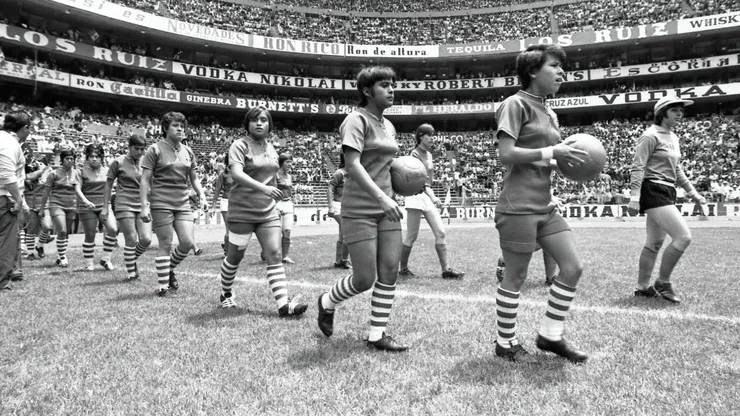
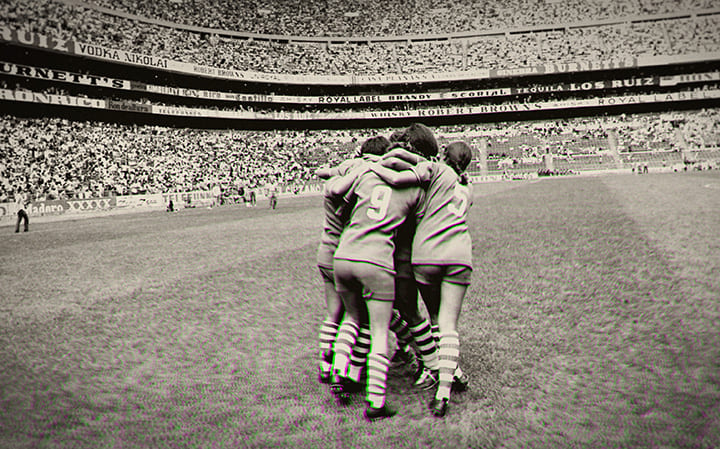
Mexico has hosted four World Cups, but you probably don't know much about one of them. The first Women's World Cup in history was held in 1971, with eight teams participating and Mexico finishing as runners-up. This documentary portrays that World Cup, which is not recognized by FIFA, and highlights the lack of institutional and financial support for female footballers.
Amidst that goal-fest, there were others who benefited from it. That Mexican team, in a way, pioneered the movement that decades later was spearheaded by American women with the equal pay, which addressed labor rights, working conditions, and fair wages and had a global impact on women's national and club soccer teams. And on that topic, we also recommend the documentary Let's Fucking Go.
The soul of football, Rubén López, United Kingdom (2026)
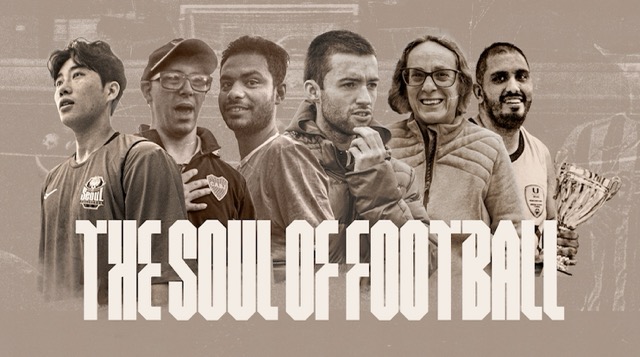
This short documentary portrays the story of six neurodivergent soccer players participating in the Genuine Cup, a tournament that celebrates inclusion and the soccer played, enjoyed, and endured by athletes with intellectual disabilities. This year, the tournament is being held in Houston, USA.
These six footballers not only support Boca Juniors, but also represent Athletic Club, Inter Miami, Manchester United, FC Seoul, and the Bangladesh national team. From Athletic Club, we'll meet defender María José Paul and Leandro Gras, also a defender who represents Boca.
We'll go down in history, Cameron Richards and Charlie Tidmas, UK (2025)
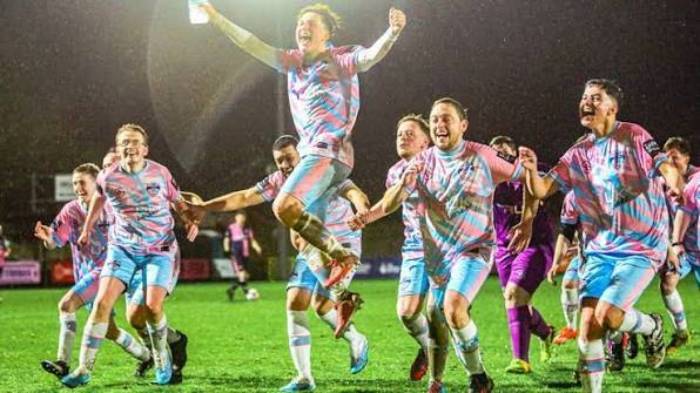
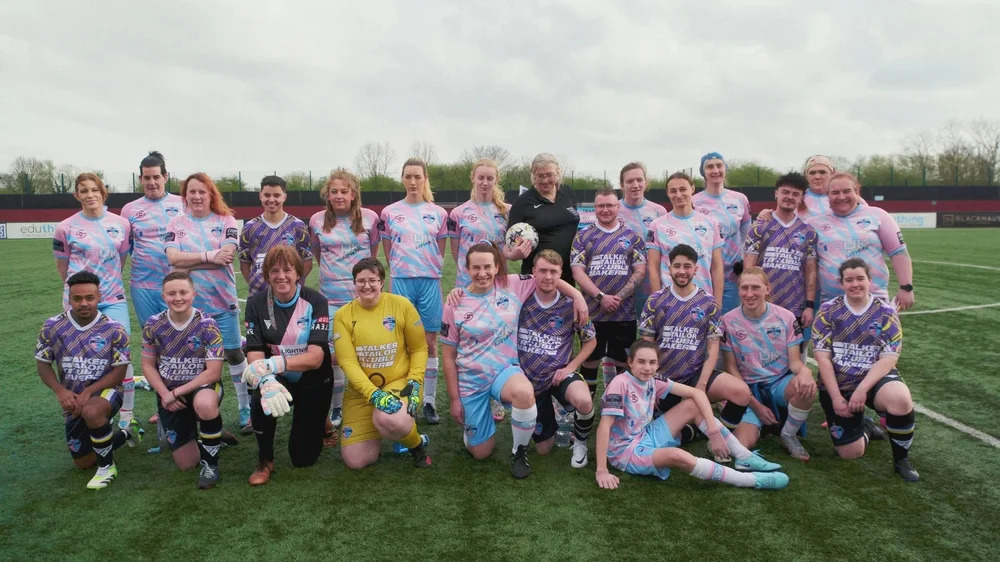
This short documentary follows Truk United FC for two years, considered the UK's first all-trans and non-binary football team. Truk is made up of people of different ages and backgrounds who share a common passion: football.
The documentary shows how wonderful it is to meet up with peers to kick the ball, but also the obstacles they face, especially in a territory where the advance of anti-trans policies, particularly regarding the right to sport, is excluding them from being able to practice what they love.
The bright lights of million-dollar stadiums often obscure what happens on the margins, but it is there that football recovers its true human and grassroots dimension. From community pitches in Guatemala to the UK, to the corners where the game defies exclusion, these seven documentaries we've selected demonstrate that the ball is never neutral. In a world determined to erect barriers, the simple act of coming together to kick a ball remains a space of resistance that no corporation can take from us.
We are present
We are committed to journalism that delves into the territories and conducts thorough investigations, combined with new technologies and narrative formats. We want the protagonists, their stories, and their struggles to be present.
SUPPORT US

FOLLOW US
Related notes

We are present
This and other stories are not usually on the media agenda. Together we can bring them to light.