

Mexico: Four trans femicides in one week alarm activists
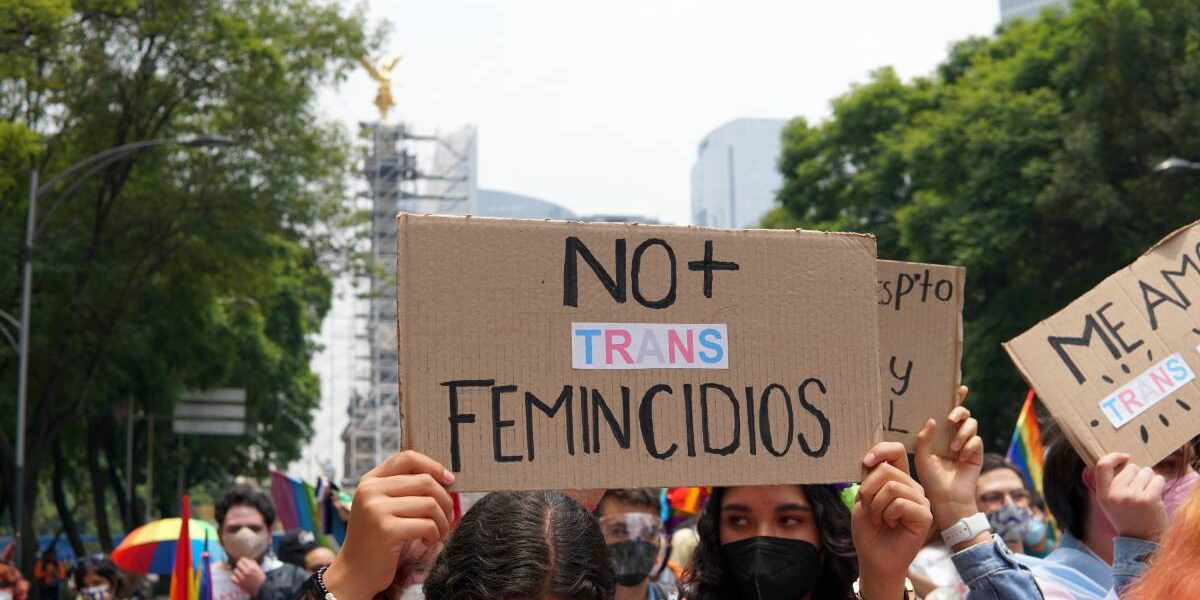
Activists report four trans femicides in one week in Mexico. At least 18 trans women have been murdered this year.


Share

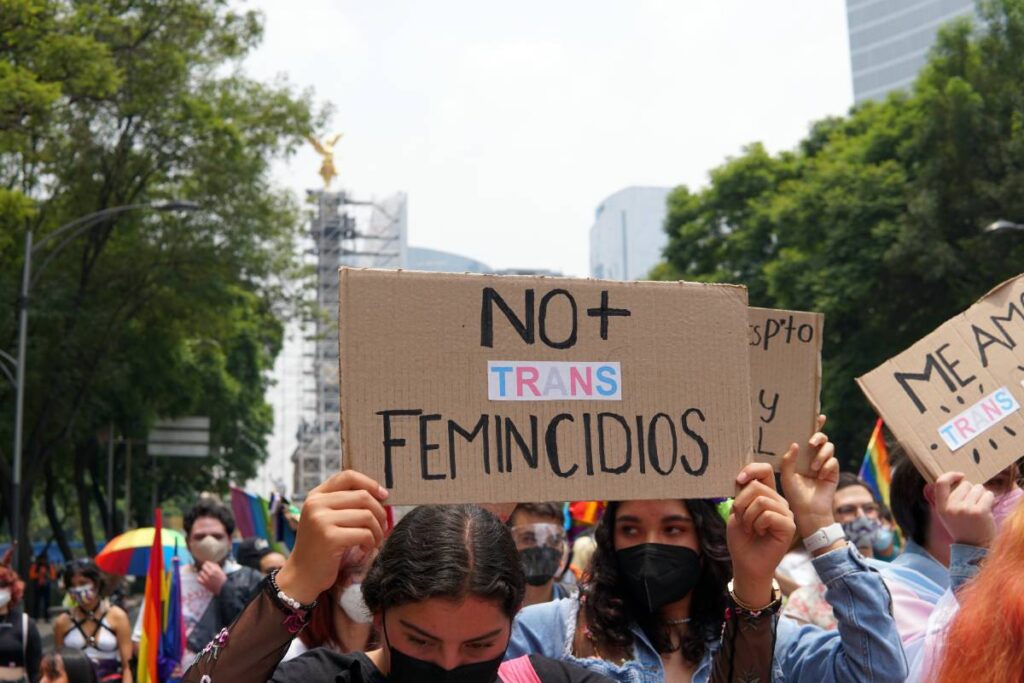
MEXICO CITY, Mexico. In one week, four trans women were victims of transfemicide in Mexico. Vega Mojarro was murdered in Mexicali, and her body was found in an irrigation canal. In Mexico City, Queta Palafox and Abiel García, both sex workers, were murdered. In Sonora, the murder of Samantha Rivas was reported inside her home. Only one of these cases is being investigated under the femicide protocol.
The activists who document these acts of violence report that in all cases there is a high degree of cruelty towards the victims.
Jey Fernandez of the Anti-Trans Lethality Observatory (OLAT) and Rocío Suárez of the Center for Support of Trans Identities (CAIT) have been documenting trans-feminicidal violence in Mexico for over a decade. This year, both are observing recurring patterns in cases and identifying new ones. These include the exposure of victims' bodies in rainy areas, as well as the erasure of their work as sex workers.
The Mexican state continues to fail to collect disaggregated data on these hate crimes. Furthermore, activists denounce that some media outlets reporting on these incidents continue to misgender the victims and reveal their legal names.
According to data from CAIT and OLAT, so far in 2026, at least 18 trans women have been murdered in Mexico.
Vega Mojarro was recognized by her social family
On July 16, the body of Vega Mojarro, a trans woman between 45 and 50 years old, was found on the bank of an irrigation canal in the Mexicali Valley area. Her body showed signs of extreme violence.
According to Jey Fernandez, the victim was recognized by his social family on July 17 thanks to the identification of his tattoos.
Queta and Abiel, murdered in Mexico City
On July 18, Abiel García was murdered in Coyoacán. Her sister identified her body, and the Prosecutor's Office opened a case as a "femicide by other causes." A few kilometers away, 58-year-old Queta Palafox was found dead in her apartment in Iztapalapa. Both women worked as sex workers.
The activists denounced the extreme violence and torture inflicted on their bodies. They also pointed out that some media outlets reported the events by misgendering them and revealing their legal names.
In the case of Queta Palafox, there is a man detained in preventive detention, Luis 'N'.
Samantha Rivas murdered in Sonora
On July 21, Samantha Rivas, an elderly transgender woman, was murdered in her home. The local press reported the incident using the victim's legal name and mentioned that her body showed signs of violence, but argued that "according to official data from the Prosecutor's Office, she died from hypovolemic shock due to a lung injury."
There is no statement on this matter yet on the Sonora Attorney General's website.
New patterns
Rocío Suárez of the Center for Support of Trans Identities (CAIT) denounces a phenomenon of "whitewashing" sex work in the narratives of the media and some organizations. "Almost all the victims are labeled as activists. There is an erasure of the victims' work and their context," Suárez points out.
“It seems that saying 'she's an activist' will help the investigation or bring about justice faster. But saying she was a sex worker isn't the same… we're ignoring the contexts of vulnerability,” she says.
By omitting the fact that many of the victims of transfeminicide were sex workers, the specific risks and lack of safety in the spaces where they work are made invisible.
The analysis of cases by activists has allowed them to identify forms of violence that were not previously so clear. One of the most frequent this year is the murder of trans women entrepreneurs and the discovery of the victims' bodies dumped near bodies of water or in water infrastructure.
“Furthermore, the profile of the victims is changing; we are seeing more cases of trans women entrepreneurs who are being targeted by attacks and extortion,” adds Jey Fernández.
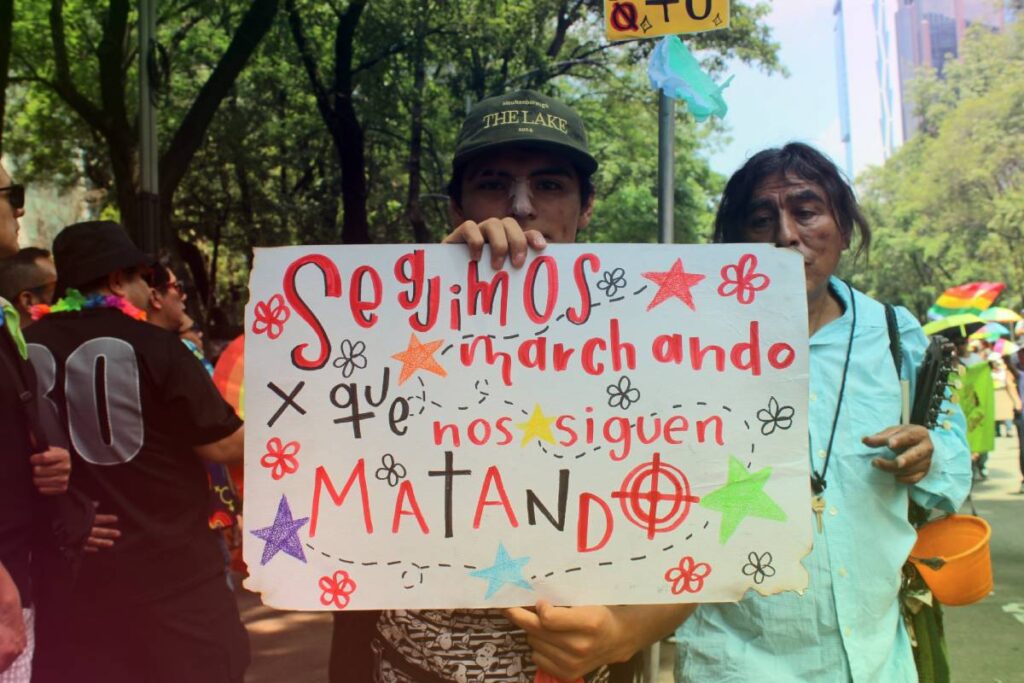
“Classifying transfeminicide as a crime does not guarantee that there will not be more cases.”
As violence escalates, institutional support dwindles. In Mexico City, boroughs like Iztapalapa, where Queta Palafox was murdered, canceled their programs supporting sexual diversity this year, according to information gathered by Rocío Suárez.
The criminalization of transfeminicide in some states seems insufficient if it is not accompanied by preventive policies and "life tools," as Suárez calls them.
“The criminalization of sex is not stopping the violence, and it doesn’t guarantee that there won’t be more cases. We need life skills tools and real prevention programs for the most vulnerable populations, which in this case are sex workers. That’s why removing that information when registering cases doesn’t help contextualize the violence and better focus those resources and support,” says Suárez.
And remember that Mexico City, despite the classification (in 2024), has since then ranked among the top places in transfeminicides at the national level.
We are present
We are committed to journalism that delves into the territories and conducts thorough investigations, combined with new technologies and narrative formats. We want the protagonists, their stories, and their struggles to be present.
SUPPORT US

FOLLOW US
Related notes
We are present
This and other stories are not usually on the media agenda. Together we can bring them to light.