

Why is the ruling on the transvesticide of Nicol Ruiz important?
The verdict in the transphobic murder of Nicol Ruiz in La Plata strengthens the path opened by the trials for Diana Sacayán and Tehuel de la Torre. Lawyers and activists explain its relevance and also the crucial contribution of organizations to incorporating a gender and diversity perspective into the justice system.


Share

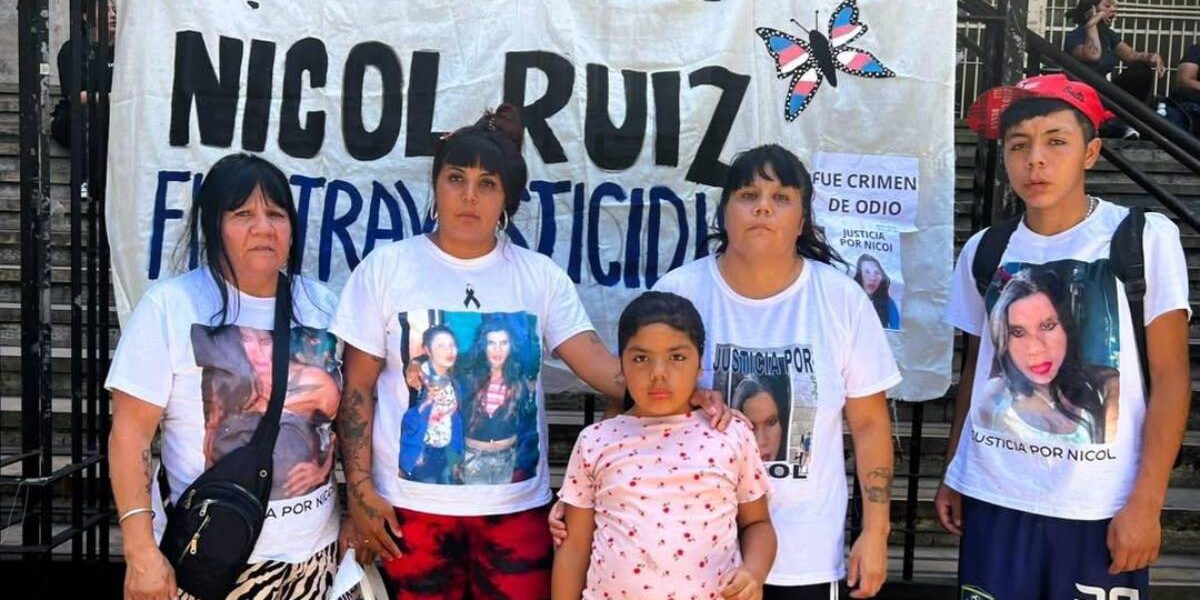
BUENOS AIRES, Argentina . “It was a transphobic hate crime,” declared the court in a ruling that brought a measure of justice for Nicol Ruiz, a 36-year-old trans activist who died from a blow to the head inflicted by her brother-in-law . The case shocked La Plata in September 2022. Nicol, who was raising two teenage children, received the fatal blow when she tried to defend her sister and stop a situation of gender-based violence at the couple's home in Los Hornos.
The verdict, which ruled the murder a transphobic hate crime, was read on December 29 by Judge Analía Carrillo, who, along with Silvia Hoerr and Claudio Bernard, is part of Court No. 2 of La Plata, which tried Daniel Sibestrelli. The perpetrator received a life sentence for aggravated homicide, motivated by gender violence and hatred based on gender identity. This comes amid a rise in hate crimes in Argentina.
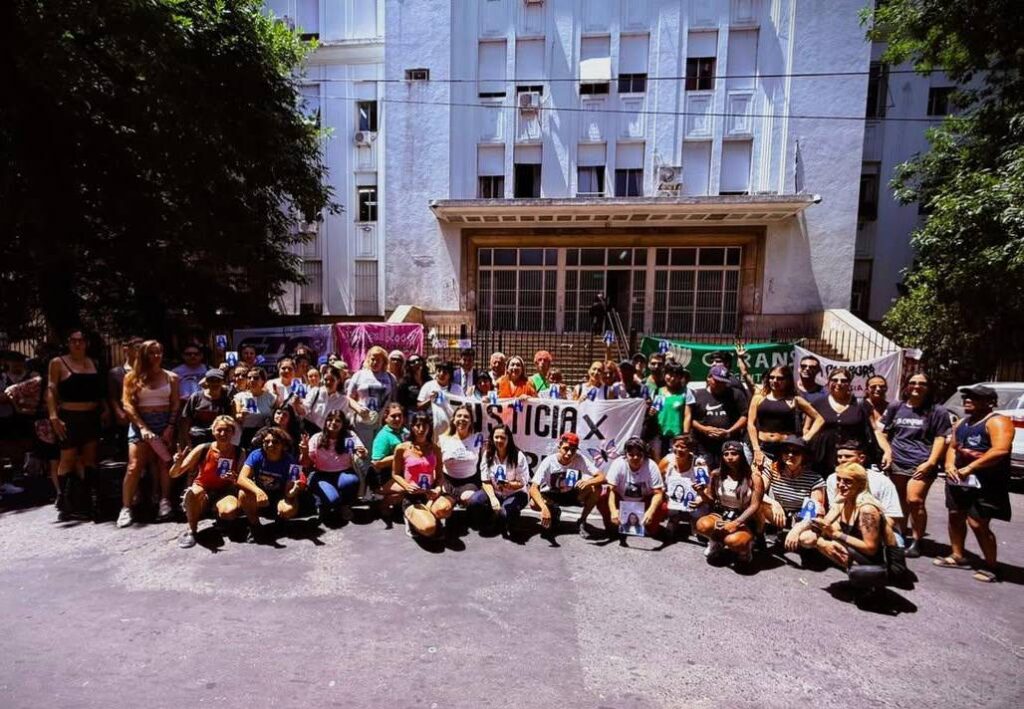
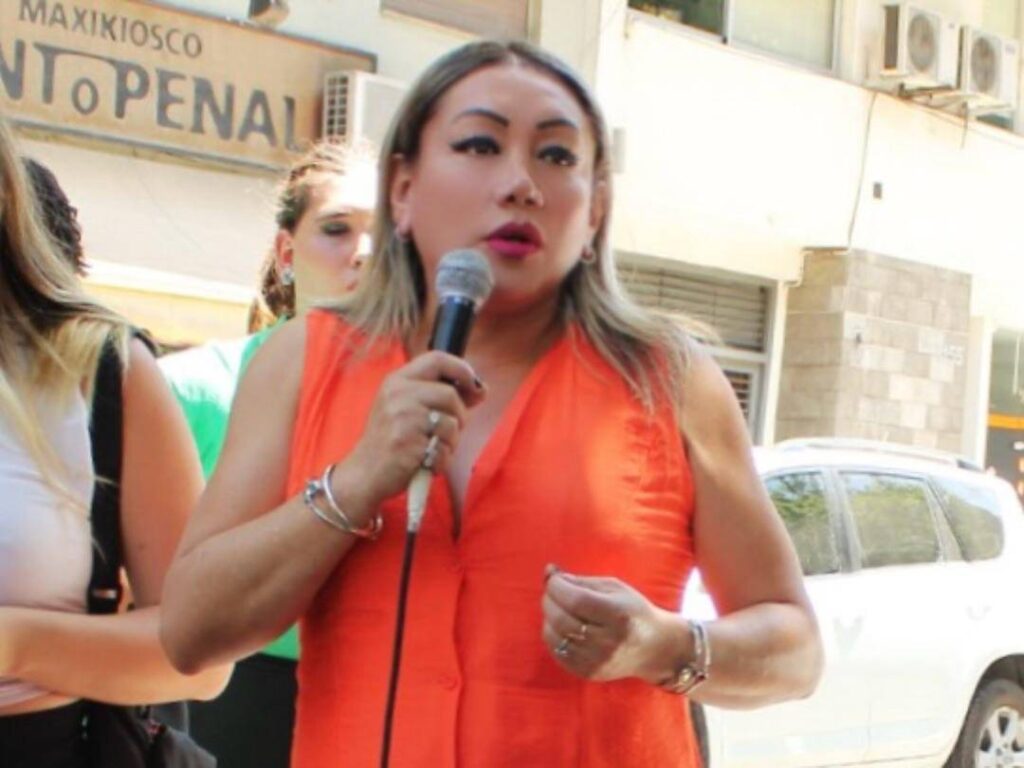
“The ruling reflects a material reality inscribed on the bodies of transvestites and trans people. And it has to do with hatred toward gender identity. It is the antithesis of a discourse from the national government, propagated by President Javier Milei himself, which increases and promotes hate speech. It demonstrates that the justice system must judge from a transfeminist, intersectional perspective, and with a clear understanding of the transvestite-trans genealogy itself,” Claudia Vásquez Haro, a representative of Otrans, the organization Nicol was an activist with and which supported her family, Agencia Presentes
Understanding trans lives
The arguments, Vásquez Haro adds, highlighted the violations suffered by transvestite and trans people throughout their lives. “From birth, transvestites are deprived of their rights in all areas, both institutional and informal. This translates into exclusion from the State and the legitimization of these practices that exterminate and, above all, dehumanize,” she explained.
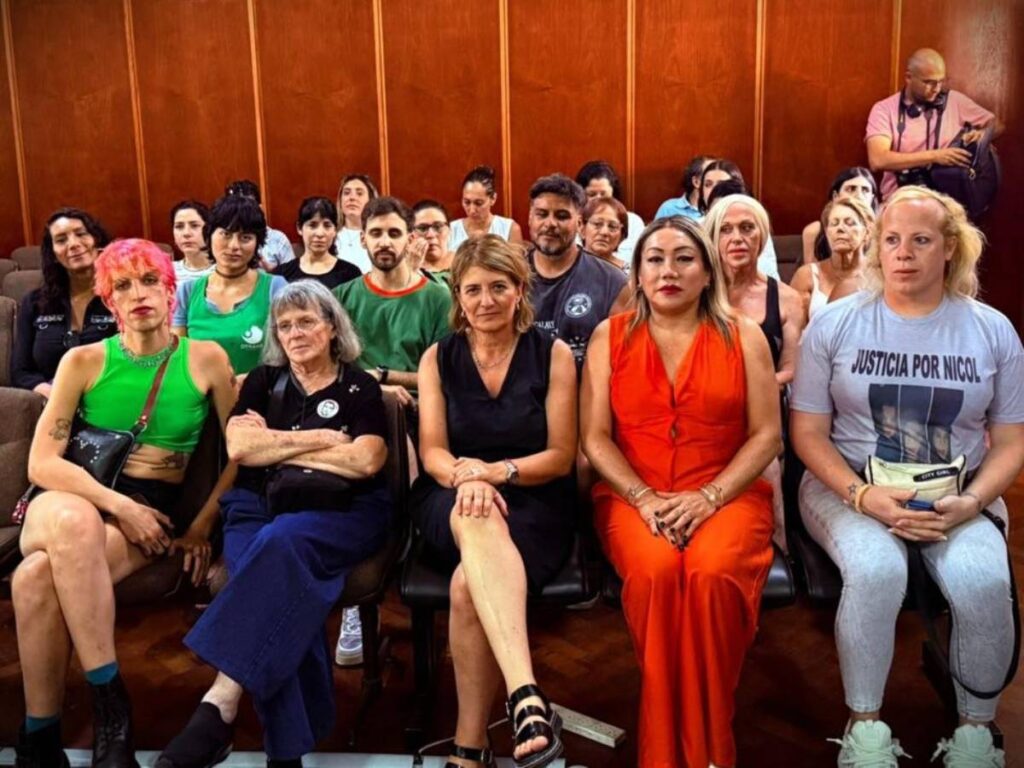
Vasquez Haro believes the justice system should improve its methods for investigating cases of violence against transvestite and transgender people. She argues that there is still a need to "understand and judge from a transvestite-trans phenomenology that stems from an epistemology of dispossession.".
For her part, lawyer Aramis Amari, who works on cases involving trans and travesti identities, such as the accusation against Cris Godoy , analyzes: “It is often forgotten that while these types of legal processes require a great deal of work and interaction with the judicial system, they also involve building a narrative that transcends legal and penal boundaries , creating spaces for encounters between activists, and building solidarity networks, which are more than necessary. We need to construct explanations about the conditions that contribute to the deaths of travesti, trans, and transvestite people, as well as poor and racialized individuals .”
“It’s important,” she adds, “to point out, to highlight, that a comrade was killed for being a transvestite, for being gay, for being a lesbian, for being a faggot, and probably for other conditions or characteristics. But it’s also important to consider that we are demanding justice from the same penal system that imprisons, persecutes, mistreats, and guarantees the deterioration of the lives of so many comrades. ”
“It was transvesticide”
In September 2022, Nicol's sister was arguing with her partner, Daniel Sibestrelli. The argument escalated, and he began assaulting her. Nicol intervened, and Sibestrelli, without hesitation, grabbed a stick and brutally beat her. She was hospitalized for three days and died from her injuries.
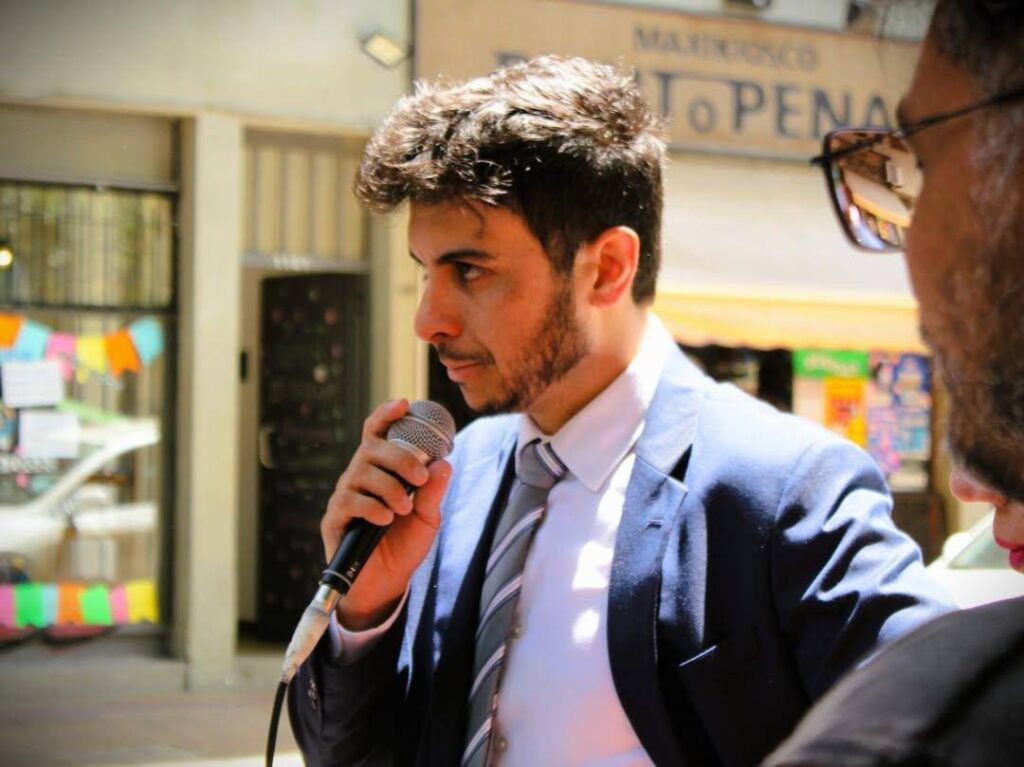
According to the family's lawyer, Sebastián Bouvet, several factors were decisive in the court's decision. "There are often discussions in the legal field about when a homicide occurs in the context of gender-based violence or due to hatred based on gender identity." In this trial, "the testimonies of family members and third parties were crucial, as they recounted events that included derogatory remarks toward women and trans people. The defendant himself testified on the final day, and his hatred, rejection, and contempt for women and trans women like Nicol were evident," the lawyer explained to Presentes .
The prosecution, led by Martín Chiorazzi, and the plaintiffs had requested that Sibestrelli's case be classified as transphobic murder and that he be sentenced to life imprisonment. “We are very satisfied with the prosecutor's work; it was a very serious and thorough job.”.
Diana and Tehuel: two crucial rulings
The ruling in the Nicol Ruiz transvesticide case strengthens the demand to the justice system regarding the importance and urgency of naming crimes against transvestites and trans people in their unique context. This runs counter to the 2025 decision by the Supreme Court of Justice, which chose not to rule on the Diana Sacayán case.
In 2018, the Oral Criminal Court No. 4 of the City of Buenos Aires (comprised of judges Adolfo Calvete, Julio Báez, and Ivana Bloch) set a crucial precedent in the justice system by convicting David Marino of aggravated homicide motivated by hatred of gender identity—the first time a transphobic murder had been recorded as such in court records—and by the presence of gender-based violence. In October 2020, the Court of Cassation overturned the aggravating circumstance. In April 2025, the country's highest court declined to issue a ruling.
Activists and lawyers are working to overturn this decision in international bodies. Even so, that ruling was an important precedent and was applied in other cases.
“That ruling opened a path, beyond what happened afterward. As also happened in the case of Tehuel de la Torre —the first sentence for trans homicide—there is something of a learning process involved in producing theoretical knowledge. It is necessary to explain why we are killed for being transvestites. What is the point of killing bodies that society has historically established as disposable, as not mattering? Therefore, they have no political or legal consequences,” says Vásquez Haro.
Bouvet also highlights the significance of the Sacayán ruling: “It paved the way for national jurisprudence, which, very slowly but progressively, has been addressing these issues with the seriousness they deserve. It was a watershed moment. Along with other rulings from international bodies, it forms the core of essential legal input.” The lawyer also added the Tehuel case, “important for local and national jurisprudence, and as a fundamental litigation tool.”
Contributions from activism and organizations
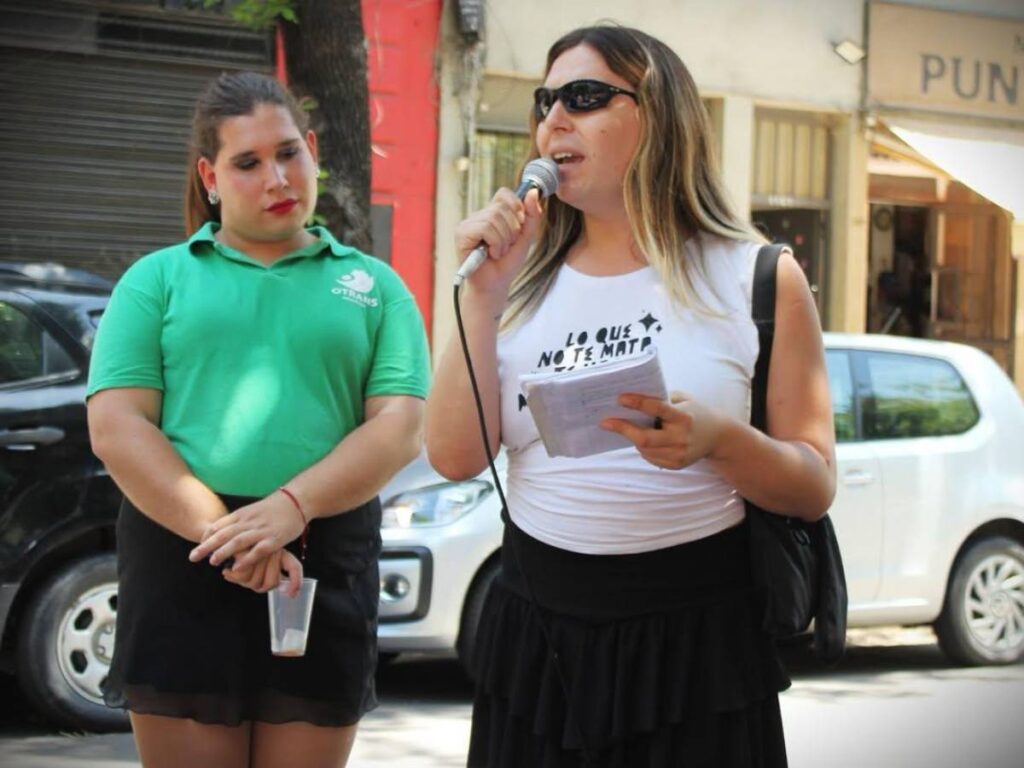
The rulings don't happen on their own. They are part of the demands of activists for justice, and the enormous work of organizations to participate and be heard in this process
Sebastián Bouvet emphasizes this support. “We have a system that operates automatically and doesn't provide adequate solutions for gender-based violence. It demands paying close attention to the root causes of the complaints: cultural patterns that fuel hatred based on gender identity. In this case, the intervention of the organizations was also very helpful to the family,” said the lawyer, who came through Otrans.
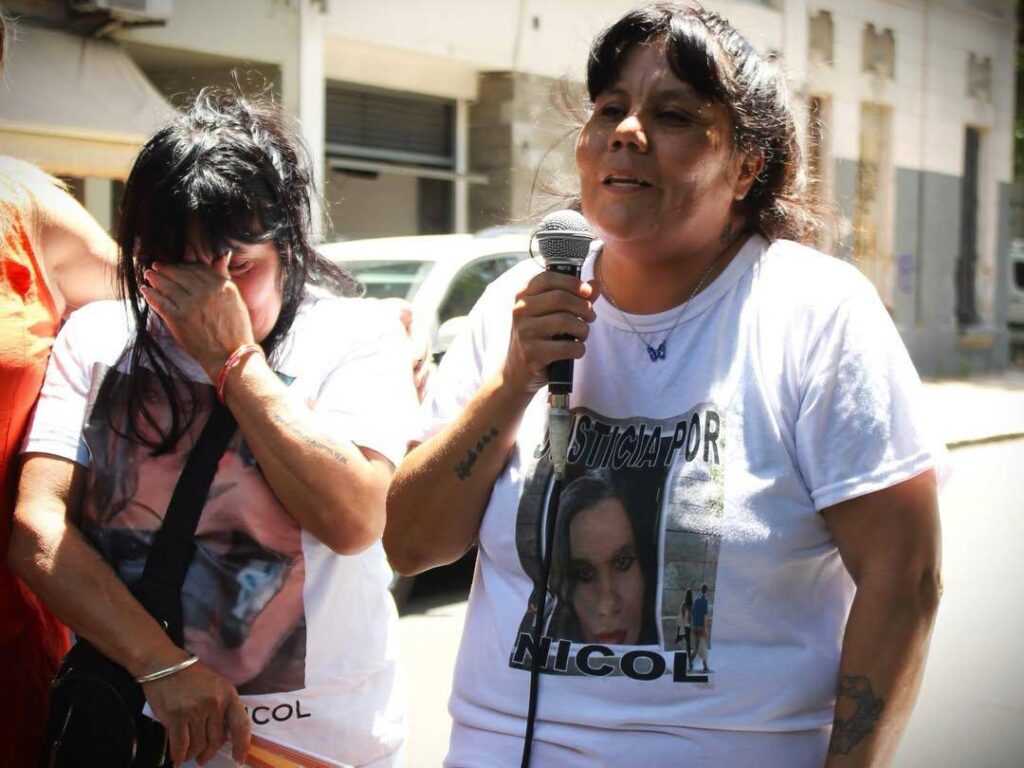
In November it was revealed that hate crimes in Argentina had increased by 70%.
Aramis Amari states that this represents a challenge "to activists who believe that those who kill our comrades are not isolated individuals but agents who feed off the social, cultural, and economic framework that positions our transvestite and trans existences as worthy of being annihilated.".
Bouvet summarizes the importance of Nicol's sentence in this context: “When violence is fostered by political and governmental sectors, finding a ruling that addresses hatred based on gender identity and that has convicted someone for such hatred is of utmost importance for the health of our democracy. We celebrate it because it makes us think that, despite the times we live in, violence does not go unpunished and some justice can be achieved.”.
We are present
We are committed to journalism that delves into the territories and conducts thorough investigations, combined with new technologies and narrative formats. We want the protagonists, their stories, and their struggles to be present.
SUPPORT US

FOLLOW US
Related notes

We are present
This and other stories are not usually on the media agenda. Together we can bring them to light.