

The court ruled in favor of transgender adolescents: Milei's decree that changed the Gender Identity Law is unconstitutional
Since Milei changed the Gender Identity Law by decree, some health insurance providers have denied treatment to transgender adolescents. A ruling in Entre Ríos ordered the continuation of the process for a young transgender person and declared the decree unconstitutional.


Share

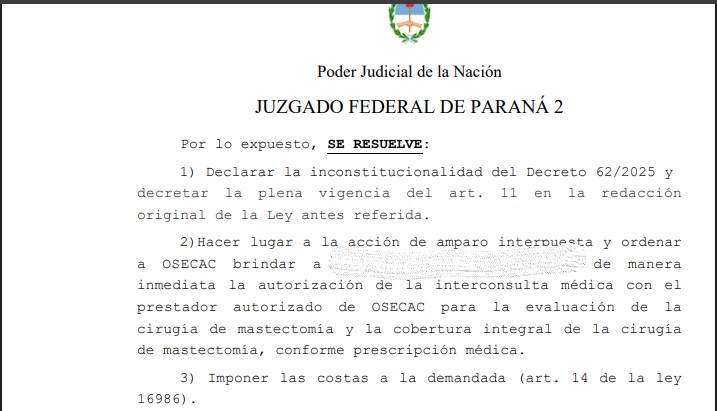
BUENOS AIRES, Argentina. Federal Court No. 2 of Paraná (Entre Ríos) declared Decree of Necessity and Urgency (DNU) 62/2025 unconstitutional. This decree, issued by Javier Milei , modified the Gender Identity Law and prohibited hormone treatments for minors under 18. The ruling ordered the health insurance provider to continue the treatment process for a teenager whose treatment had been interrupted.
Judge Edgardo Alonso ruled that the national government cannot infringe upon the rights acquired through the Gender Identity Law. He declared “the full validity of Article 11,” which the Executive Branch had modified by decree in February. “It was a surprise to us, although we knew that professional support for this injunction was important. The ruling is impeccable,” Ariel Villanueva, a member of the organization Equal, which filed the lawsuit, told Agencia Presentes.
Unlike the ruling by the Buenos Aires City Court—issued in March and signed by Judge Elena Amanda Liberatori—in response to a collective injunction filed by the Argentine Federation of Lesbians, Gays, Bisexuals, and Trans (FALGBT), this ruling addresses an individual case. That Buenos Aires ruling served as an important precedent for this new federal court decision. “The strategy was to proceed individually, emphasizing the subjective experience of our clients,” Villanueva explained.
Why and how did we get to justice?
Judge Edgardo Alonso, head of Federal Court No. 2 in Paraná, analyzed the case of J, a 17-year-old who was undergoing a transition process. J was being treated by specialists, providers of the Social Welfare Organization for Commercial Employees (OSECAC). When the Emergency Decree (DNU) came into effect, the social welfare organization reversed its authorization for a consultation in the City of Buenos Aires to coordinate surgery as part of his treatment and canceled the travel authorization. All of this was done the day before the scheduled appointment.
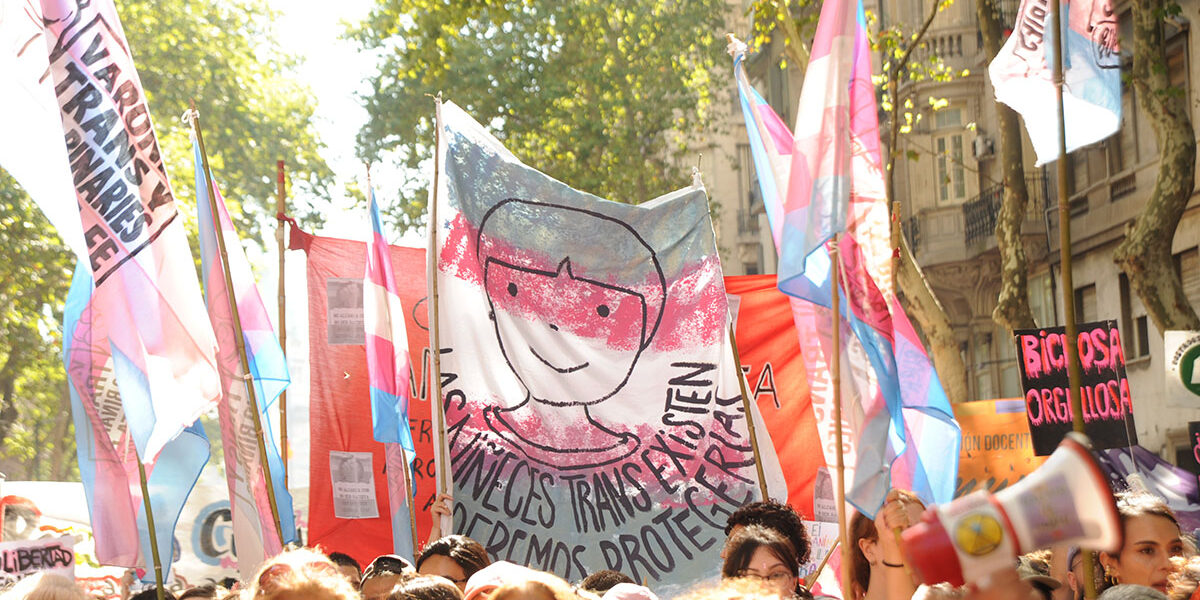
“There are different ways to discuss positions regarding the Emergency Decree. The first reaction from society was a march expressing discontent, but later we also opted to pursue legal action,” the lawyer explained.
“Many times, social service organizations, even without an emergency decree, fail to provide all kinds of treatments in a timely manner. It was logical that, given this emergency decree, there would now be (one more) argument for refusal. That is where Judge Alonso, with excellent judgment, declared this emergency decree unconstitutional. It sets a precedent,” he emphasized.
Equal's lawyer pointed out that, in addition, when the refusal was reported, the health insurance company addressed the teenager by his birth name, even though until then it had been providing treatment using his self-perceived name.
The legal process is never easy. “It’s tedious for those going through it and somewhat incomprehensible for teenagers who shouldn’t have to bear this oppressive negativity. They were simply exercising their right to identity. We’re talking about teenagers of different ages, and families doing the work of supporting them and protecting their mental health.”.
A precedent-setting case
Collective injunctions are being filed in different parts of the country. In Paraná, three individual injunctions have been filed, and others are still under review. “Those we filed received either explicit or implicit refusals from their health insurance providers. The request was made to the federal court since these are union-affiliated health insurance providers; therefore, the jurisdiction is federal,” the lawyer explained.
“The Gender Identity Law is progressive, impeccable. It guarantees care for everyone. But I want to emphasize that the three injunctions we filed in the Federal Court of Paraná are against union-affiliated health insurance providers. That famous phrase 'not with mine' doesn't apply. In these cases, it's the contributions that the parents of these young people (there are three cases of trans youth) make every month to their health insurance plans through their work,” says Villanueva. By law, parental support is not a requirement, but the lawyer affirms that, in these three cases, the teenagers are supported by both parents. “It's important to make it clear that people in the gender and sexual minorities community also have families, and that they support us in our decisions.”.
“We felt that at this historical, social, and political moment, it was important to highlight and elevate the individuality of patients. Arguing each particular case was more complex, but when it came to making a decision, the subjectivity became clearer. We still haven't fully grasped everything that has been achieved. It's a team effort, but it also reflects the consistency and firmness of a judge who provides legal support,” he emphasized.
Right to identity for all adolescents
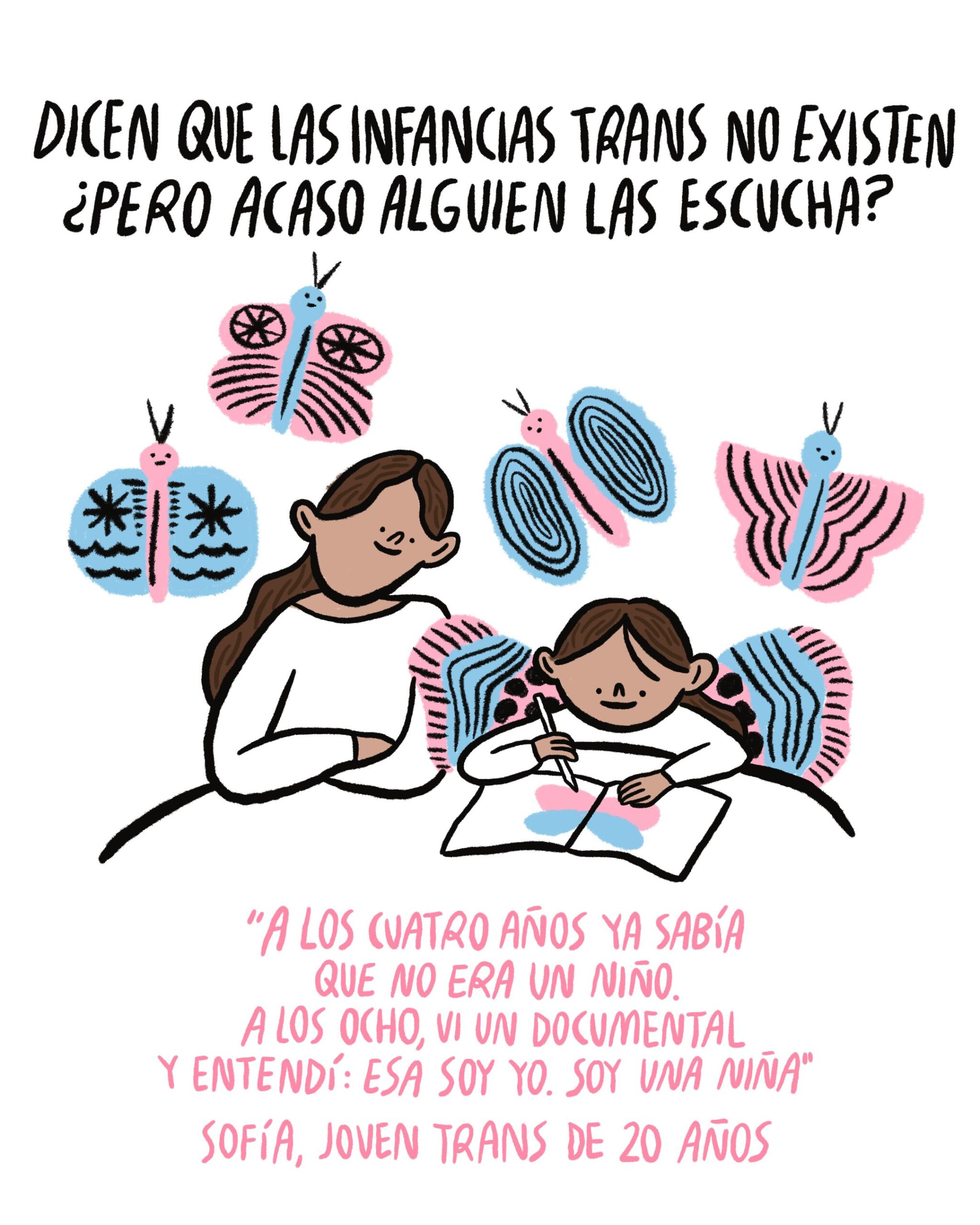
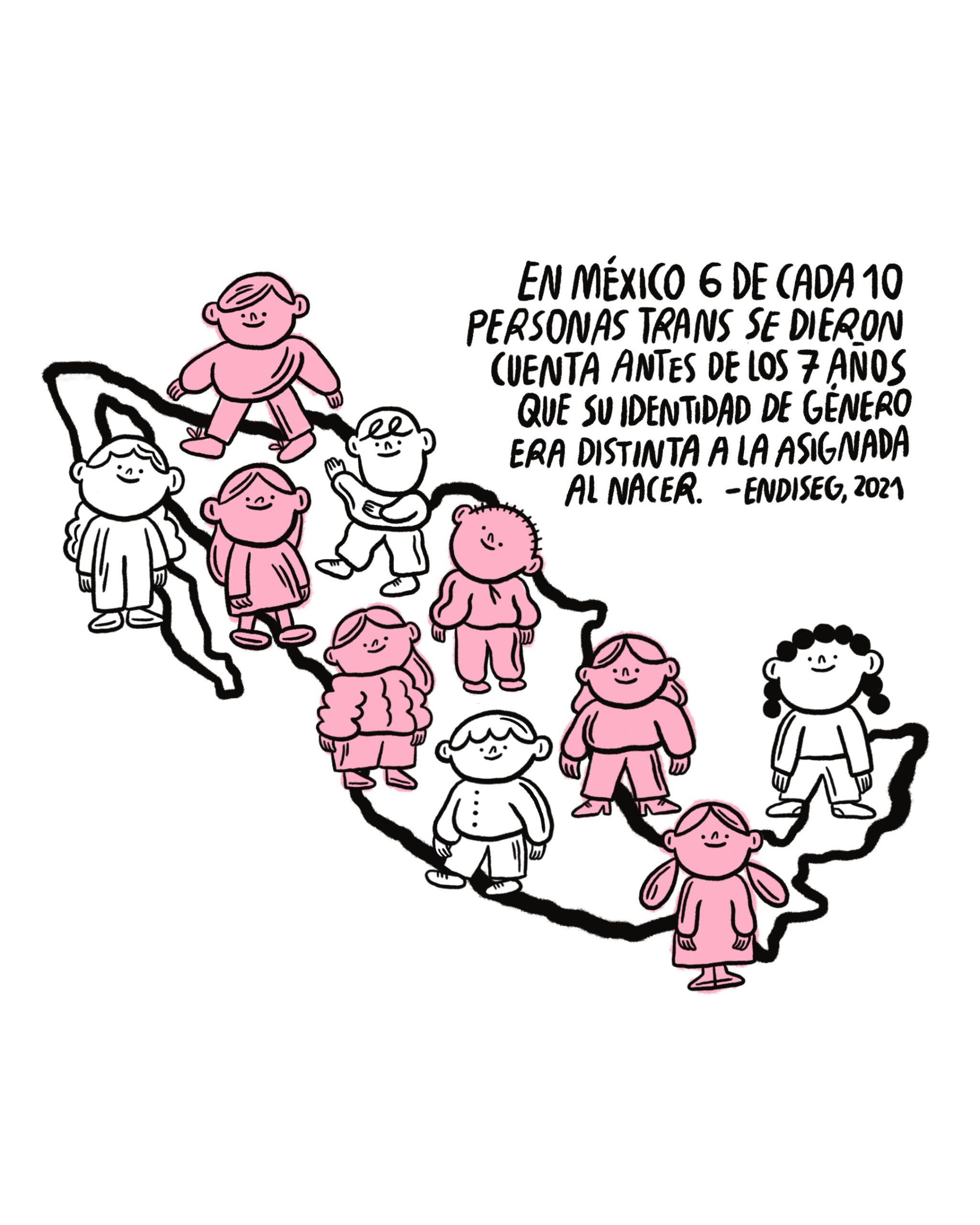

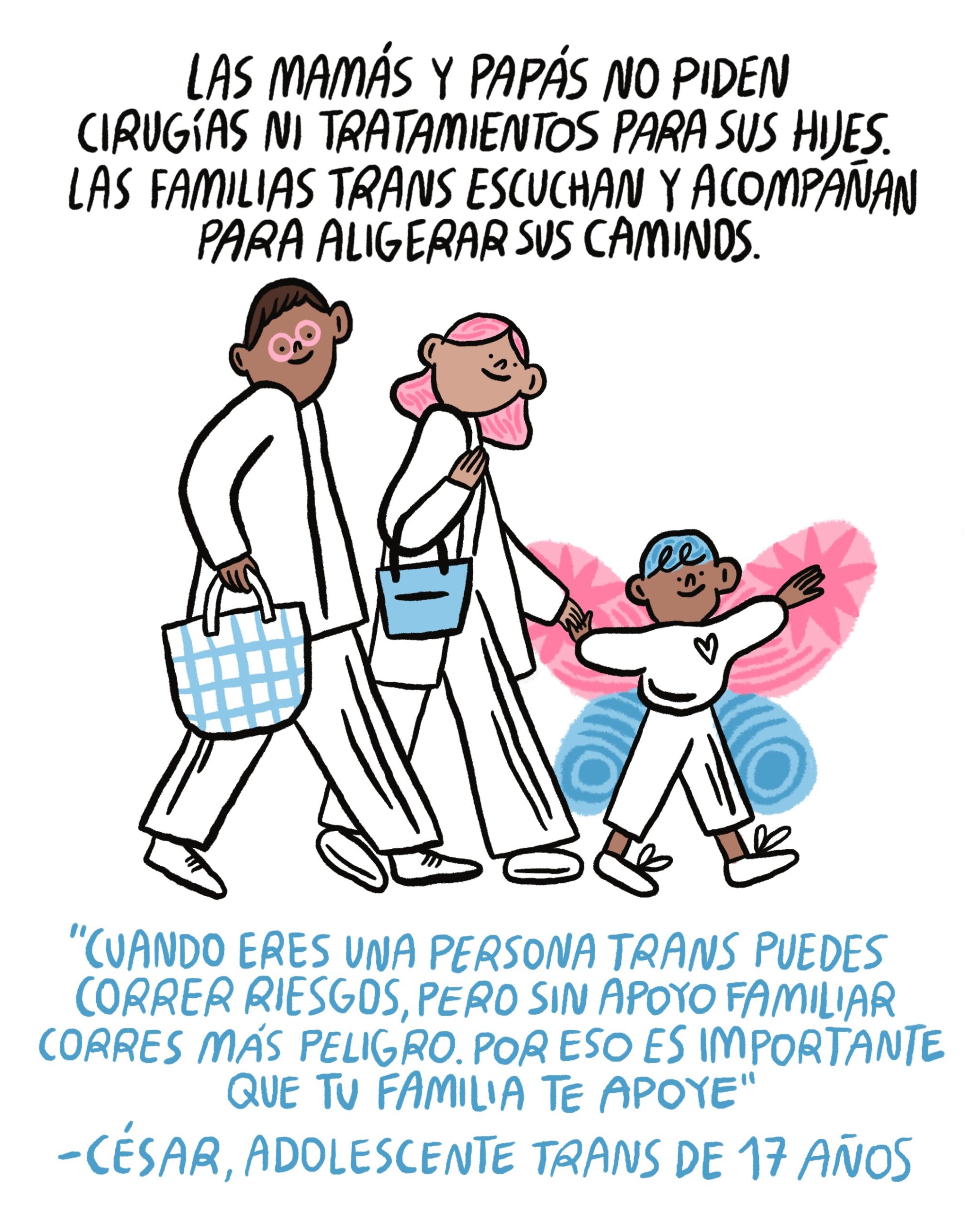
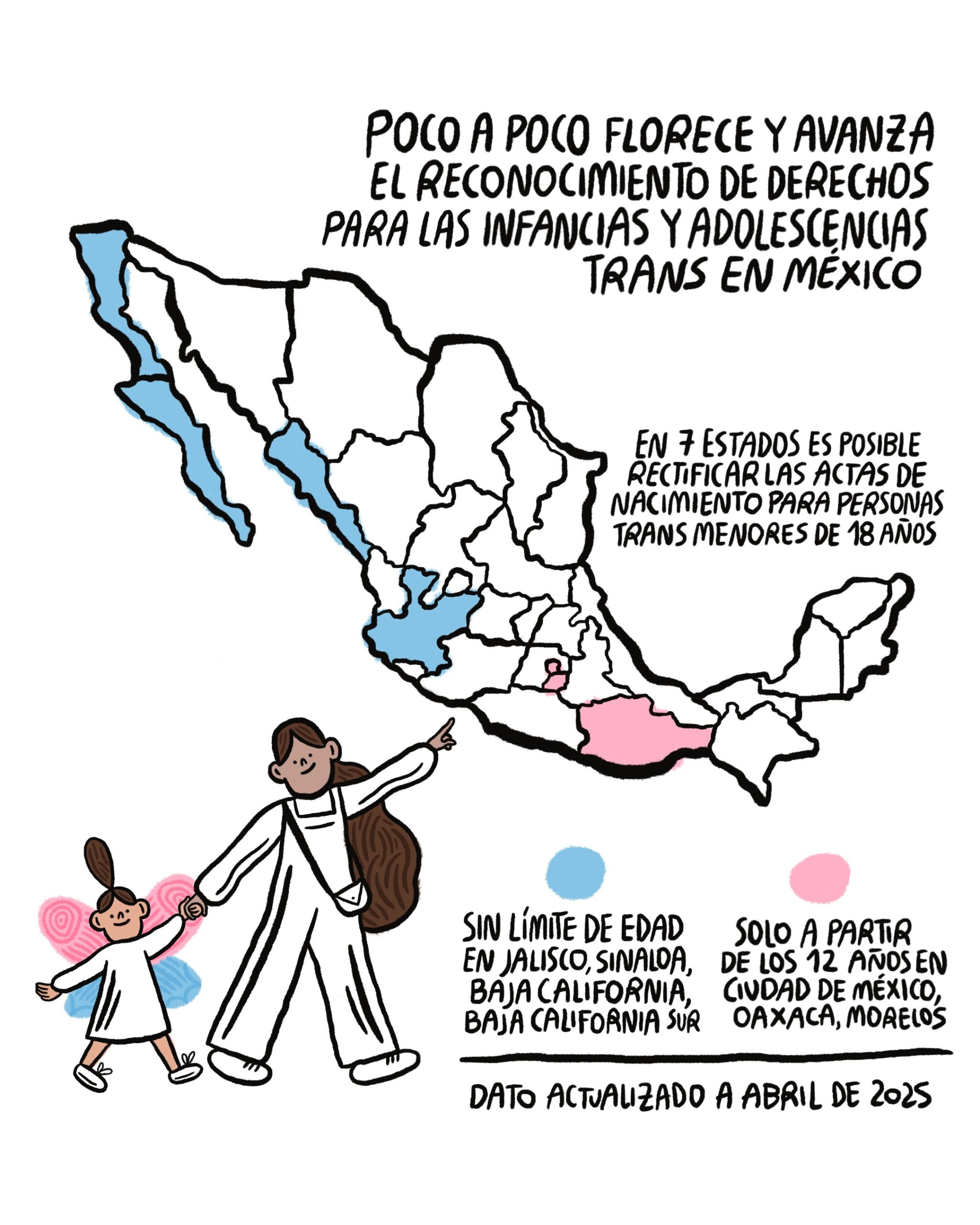
Judge Alonso's ruling was preceded by the opinion of the Federal Court's public defender, Noelia Quiroga. She emphasized gender legislation "and guarantees the only argument the Emergency Decree has, which is the protection it provides to children and adolescents," the lawyer commented.
That support was fundamental. “The ombudsperson is the one who has the obligation to look after the interests of minors under 18. And then comes the ruling of a judge who listens to this claim from a subjective standpoint.”.
Gynecologist and obstetrician Gustavo Terra works alongside psychologist Romina Benardis in comprehensive and inclusive healthcare. Together, they support and advise patients who come to the diverse clinic with their various concerns. The professionals' evaluation was fundamental to the ruling. "While this case involves OSECAC, there were other health insurance providers that denied continued treatment after the Presidential Decree. The ombudsperson, Quiroga, had ruled in our favor, and that gave us hope," Terra told Presentes.
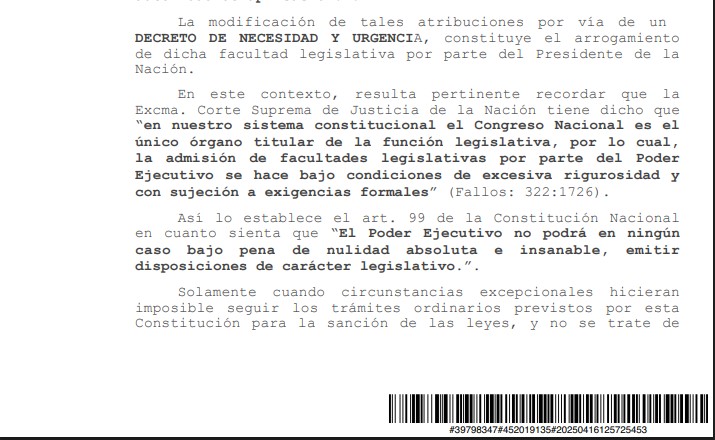
The ruling not only allows for the continuation or initiation of treatment, but also recognizes the significance of the Gender Identity Law. “The judge does not question the Executive Branch’s power to issue decrees, but sees neither the need nor the urgency to repeal part of a law that was debated, passed, and discussed in Congress, in both chambers, with experts on the subject. The Executive Branch is attempting to restrict this right of adolescents and children,” the lawyer said.
The emotional impact
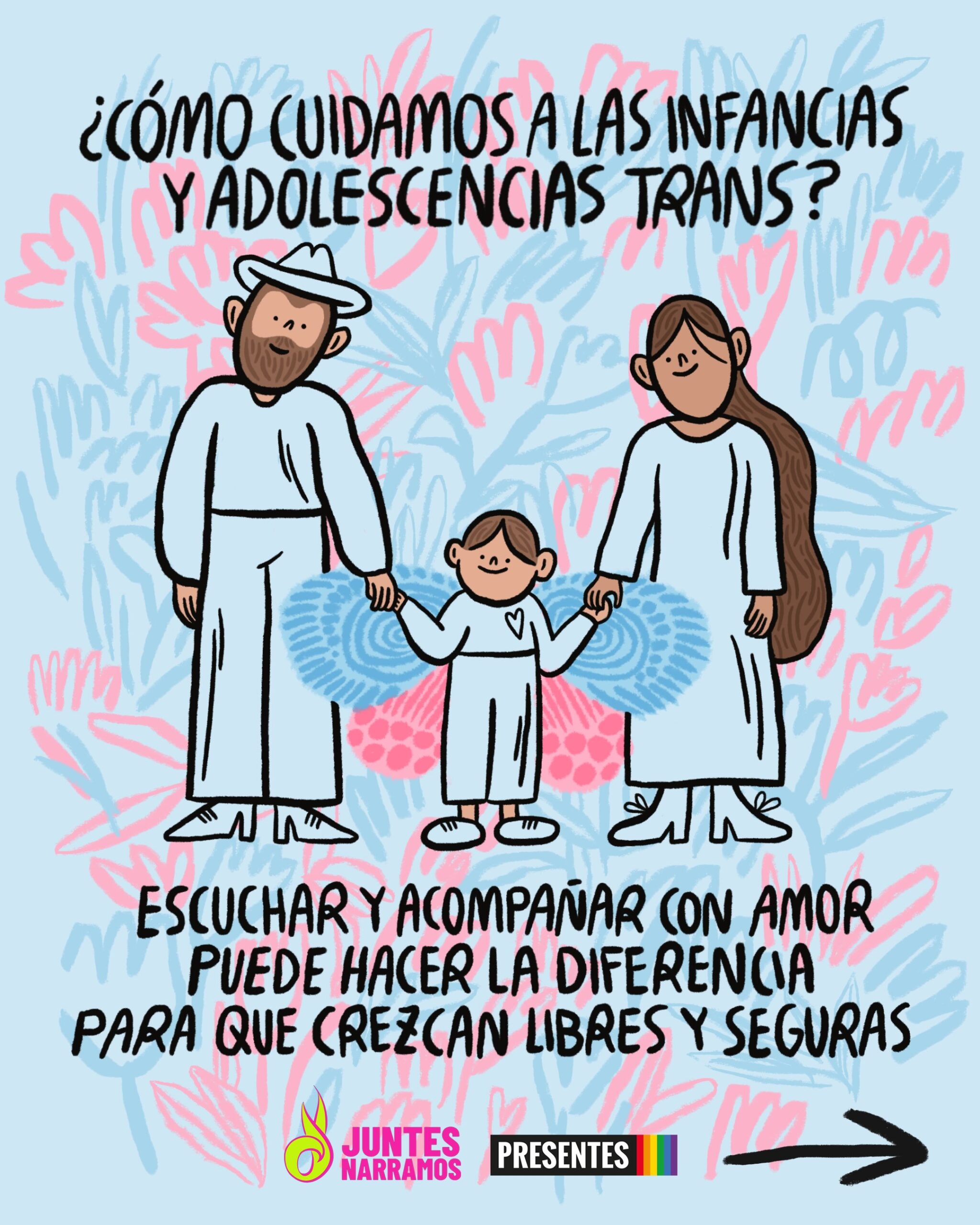
The defunding of supplies following Javier Milei's rise to power impacted therapies for transgender people in various parts of the country. However, both Terra and Bernardis tried to continue providing support. "That decree was preceded by a lot of misinformation and fake news spread by the government, in a political strategy rooted in anti-gender ideology, fear, and violence," Bernardis told Presentes. "This ruling gives legal standing to what we refused to give up on, which is the possibility of continuing to transform these realities.".
Both professionals agree: the lack of funding has a physical and emotional impact. “Not knowing if there will be supplies next month generates a lot of anxiety in adolescents and in the parents who support them through these processes, affecting their mental health,” they said.
The Argentine Federation of Lesbians, Gays, Transvestites and Trans (Falgbt) celebrated the ruling and contacted the professional who carried it out to continue developing strategies against the irregular DNU 62/2025.
We are present
We are committed to journalism that delves into the territories and conducts thorough investigations, combined with new technologies and narrative formats. We want the protagonists, their stories, and their struggles to be present.
SUPPORT US

FOLLOW US
Related notes
We are present
This and other stories are not usually on the media agenda. Together we can bring them to light.