

Transfemicide in Mexico City: Natalia González was 29 years old, a sex worker and mother
Natalia's colleagues report that the aggressor tried to bribe the police to let him go free and that hotel staff prevented them from helping their friend while she was still alive.


Share

Natalia González Santiago (29 years old), a trans woman, mother, and sex worker, was murdered on June 5th at the Hotel Condesa, located on Calzada de Tlalpan in the Benito Juárez borough of Mexico City. Authorities from the Mexico City Secretariat of Citizen Security responded to the scene and arrested the alleged assailant, Axel N. Natalia's colleagues report that the assailant attempted to bribe the police officers to let him go and that hotel staff prevented them from helping their friend while she was still alive.
Natalia left behind a three-year-old daughter and her family in Poza Rica, Veracruz, without financial support. The LGBTI+ community and human rights advocates expressed their outrage and demanded justice for Natalia.
Initial reports indicate that Natalia entered the hotel with a client, and hours later, her colleagues found her dead inside one of the rooms of the place, located next to the Villa de Cortés Metro station.
According to a statement from Casa de las Muñecas Tiresias, her body had bloodstains and a knife in her left side. The organization demanded justice in the case and that "the murder of our sister Natalia not go unpunished."
The hotel denied entry to the colleagues.
Daniela Galleta, a sex worker and friend of Natalia, told Presentes that around 10:00 p.m. on July 5, her colleagues began receiving alert calls. “When we were all notified, we started taking taxis to the hotel. The place was already secured by police from the Secretariat of Citizen Security. A colleague told us that Natalia had asked for help and that the hotel manager wouldn't let them in,” she reported.
On several occasions, Daniela recounts, the manager of the Hotel Condesa has done the same thing. "One of my coworkers even filed a complaint against him because he tried to strangle her, and when she asked for help, they wouldn't let anyone in. All the other women intervened, and thankfully, they saved her life. They tried to do the same to Natalia, but they couldn't," she says in an interview.
Iveth Hernández, another of Natalia's friends, posted on social media: "The hotel staff didn't want any trouble. They wouldn't let anyone in to help her. We need to be responsible; if you hear someone screaming for help, you do something. Why didn't they do anything?"
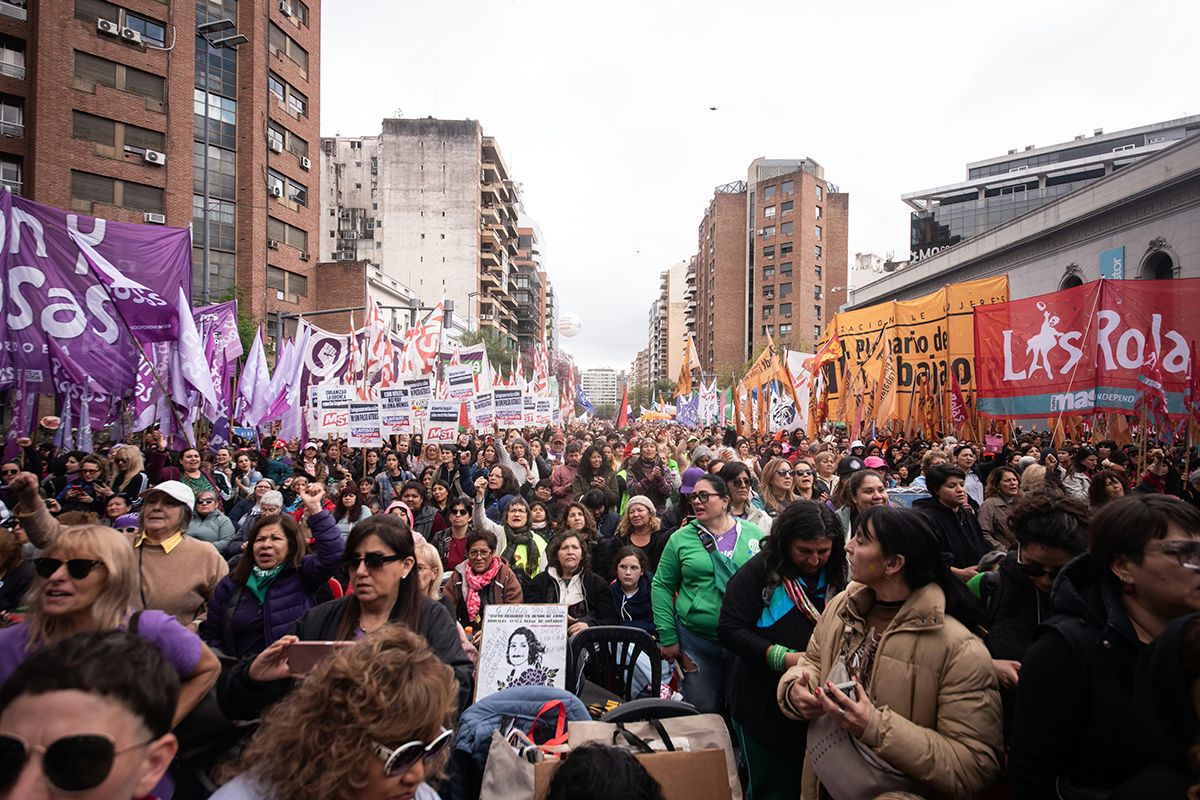
Shortly after midnight, about 50 sex workers, friends and acquaintances of Natalia, protested and blocked the intersection of Dr. Río de la Loza and Niños Héroes avenues to demand justice, then moved to Digna Ochoa street, outside the capital's Prosecutor's Office to continue the protest that lasted approximately two hours.
Axel N will remain in custody for 48 hours while the investigation file is compiled, after which he will have a hearing before a judge who will determine his legal status.
Natalia was a migrant and a single mother
Daniela describes Natalia as a woman devoted to her daughter. "She was a hard worker and always tried to help her friends. She didn't like problems," she explains. She had been living in Mexico City with her daughter for at least three years—the length of time Daniela has known her—and was a single mother and the breadwinner for her family.
Natalia had her legal gender identity change, a procedure that has been possible in the country's capital since 2014 and that until 2021 could only be requested through an injunction in Veracruz, from where she migrated.
Natalia's transphobic murder can be understood within a context of widespread violence against trans women who engage in sex work. According to official figures from the Mexico City Specialized Prosecutor's Office for Femicides—updated to 2020—56% of trans women who were victims of violent deaths were not originally from the capital, but rather came from Veracruz, the State of Mexico, Chiapas, Morelos, Puebla, and other states.
"This is the life we trans women live: we migrate from our home states to be able to provide for our families," says Daniela Galleta.

Underreporting of violent deaths
According to the annual count by the Letra S organization, at least 87 violent deaths of LGBTI+ people were recorded in Mexico in 2022 related to the sexual orientation and gender identity of the victims; 2 of them occurred in hotels, 8 in the victims' workplace, and 29 in public.
Letter S explains that there is underreporting and that hate crimes amount to more than two hundred.
Trans women are the primary victims year after year: 48 trans femicides represented 55.2 percent of all cases. The average age at which they were attacked is below 33, an age that Natalia also did not reach.
According to the registry, 6 trans women who were engaged in sex work in 2022 suffered a transfeminicide.
The Street Brigade for Women's Support estimates that the number of people engaged in sex work in Mexico City is 15,200. That's almost double the number before the Covid-19 pandemic.
Iveth Hernández expressed her dismay during a live broadcast on social media. "I heard what happened, but when I got home I never imagined it was her... she leaves immense pain for all of us who knew her," she said. The two had known each other since they lived in Veracruz.
Natalia was going to have her birthday next week and had arranged for Iveth to do her makeup and hair for a photo shoot she had planned.
“It hurts not only because she’s my friend; all trans women are vulnerable. It could have been me or anyone else,” she said. Iveth also denounced transphobic violence on social media, urging people to speak out and strengthen unity within the trans community.
Background: cyclical violence
Daniela Galleta affirms that violence against sex workers is frequent. "Not femicides, but violence, beatings, assaults, robberies. The police have started paying a little more attention now. There's still a long way to go," she says, recalling the case of Natalia Lane, a human rights defender and sex worker. She survived an attempted transfemicide in the early morning of January 16, 2022, at the Hotel Diana on Calzada de Tlalpan.
Natalia Lane was stabbed in the back of the neck, slashed on the cheek, and suffered a hand injury. She has described the process of seeking justice as exhausting and revictimizing.
In April of that year, another attempted trans femicide was also recorded in downtown Mexico City. Human rights defenders denounced that the police released the aggressor and intimidated the young woman to discourage her from seeking justice.
Another case occurred on May 25, 2023. Paulette Cárdenas, also a trans activist and sex worker, survived an attempted trans femicide while working on the same road in Mexico City. The assailant fled after hitting Paulette with his car on Tlalpan Avenue. More than 10 hours passed before the Mexico City Attorney General's Office opened an investigation.
Paulette denounced institutional violence on the part of the Prosecutor's Office and also the medical staff of the IMSS General Hospital of Xoco.
In 2021, the Council to Prevent and Eliminate Discrimination in Mexico City (Copred) conducted a survey of 117 transgender women and 87 cisgender women. Sixty-nine percent reported having been assaulted by a client, but only 22% had filed a complaint. Among the reasons they cited were impunity, lack of time, and discrimination by authorities.
Transphobic hotels: How to make hotels safer?
Gender-based violence in hotels is not exclusive to the trans population. The journalistic investigation " Femicidal Hotels" revealed that between 2015 and the first quarter of 2020, 278 femicides were committed in Mexico City, 39 of them in hotels. However, there are no official figures on how many trans femicides occur in hotels, whether the authorities properly register the victims, and what happens to the perpetrators.
The crime of transfeminicide is not codified in Mexico City, and this gap prevents us from understanding the true extent of the phenomenon.
Daniela Galleta says they have demanded increased security and panic buttons in hotels so that sex workers can call for help if needed. She also speaks of the unequal power dynamic between hotel staff and sex workers. "A hotel is our workplace, these situations happen, and they become violent towards us, they deny us entry; it's like retaliation," she explains.
Besides being their source of work, many sex workers who live day to day find shelter in those places, as they do not have access to housing.
We are present
We are committed to journalism that delves into the territories and conducts thorough investigations, combined with new technologies and narrative formats. We want the protagonists, their stories, and their struggles to be present.
SUPPORT US

FOLLOW US
Related notes


We are present
This and other stories are not usually on the media agenda. Together we can bring them to light.