

Cuqui Bonetto's transphobic murderer was sentenced to life imprisonment in Santa Fe
In 2018, the murder of Cuqui Adriana Bonetto, a trans woman, shocked Rincón. Her killer was sentenced to life imprisonment. The court treated the crime as femicide, not as transfemicide, something that organizations had demanded.


Share

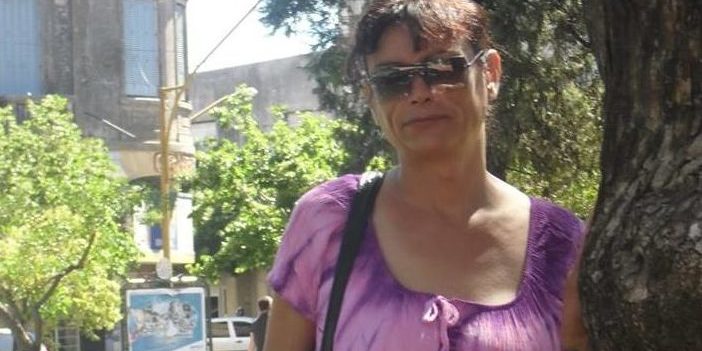
On Thursday, February 8, 2018, Adriana Cuqui Bonetto was murdered in her home in Rincón (Santa Fe)by Gabriel Gallay. More than five years after the crime, the perpetrator—with whom the victim had a long-term relationship—was sentenced to life imprisonment.
The Santa Fe court considered him the perpetrator of aggravated homicide (due to the relationship and because it was committed by a man against a woman with gender violence - femicide), and aggravated theft of a vehicle belonging to the victim (because it was perpetrated with a stolen real key).
The transfemicide that caused her to leave in Rincón
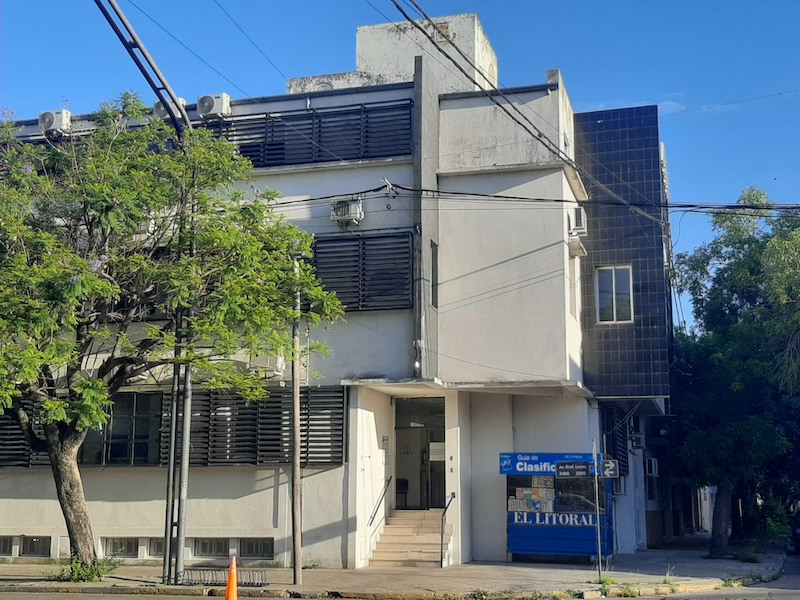
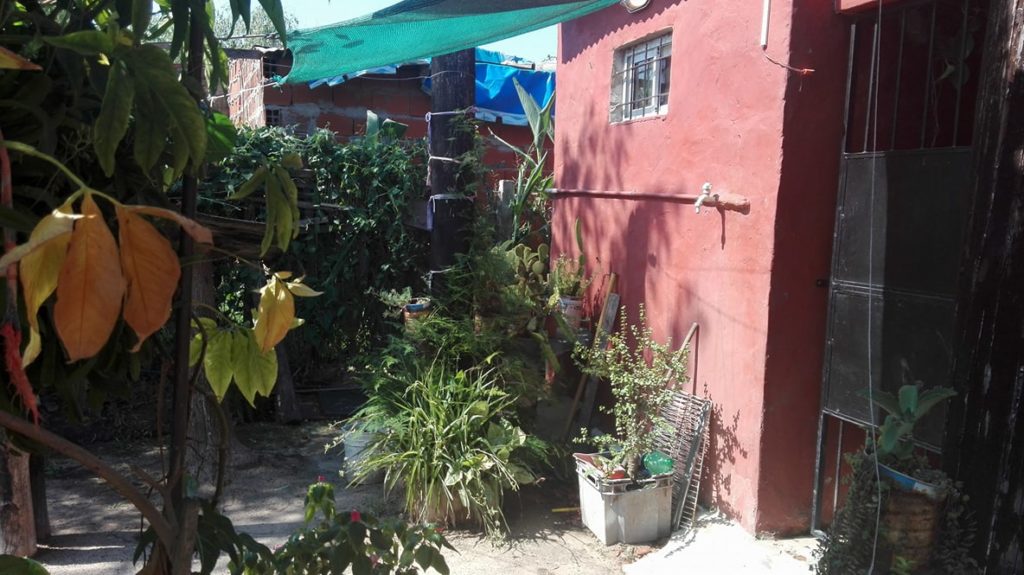
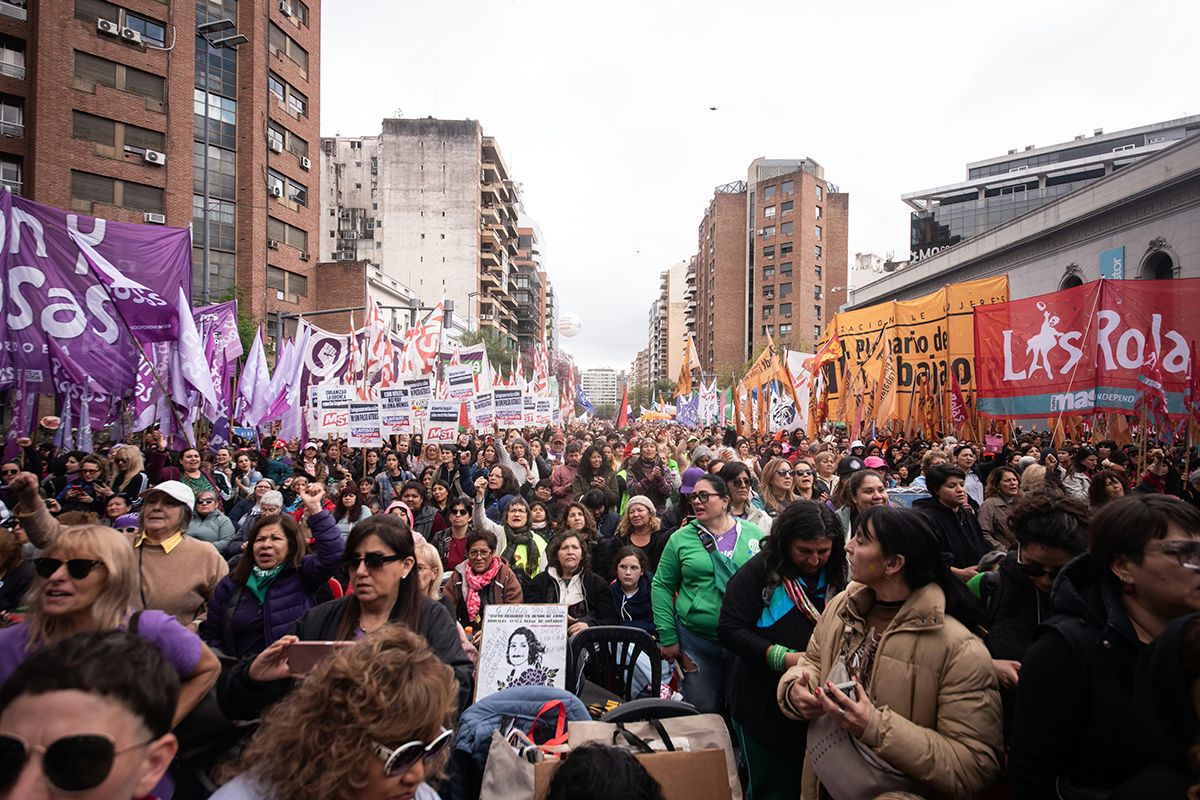
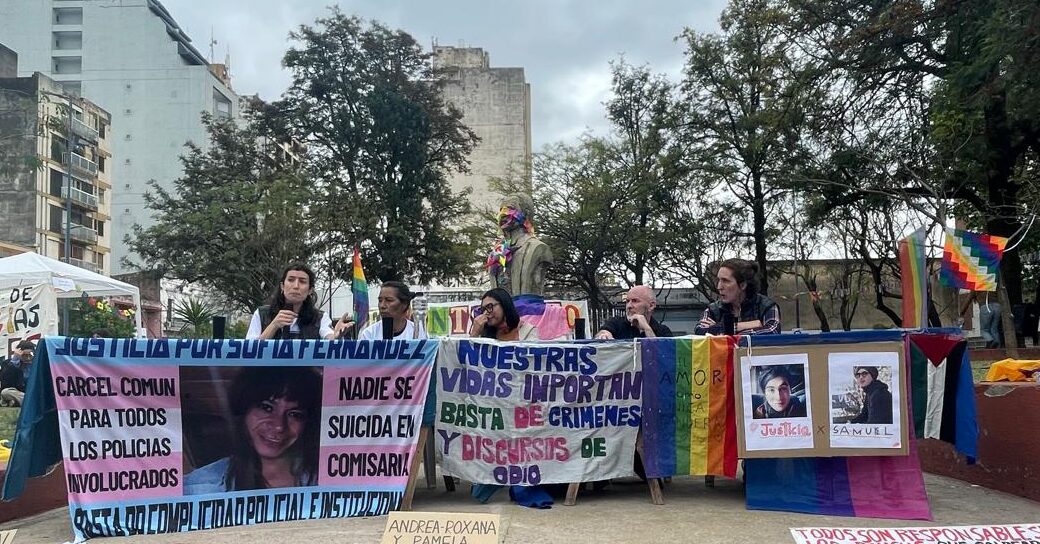
In Rincón, the crime caused shock, and people marched to demand justice for Cuqui. In the Los Espinillos neighborhood of San José del Rincón—a small city in the Santa Fe metropolitan area—everyone knows each other. The sandy paths, small houses, and gardens full of plants withstand the summer heat of over 40 degrees Celsius and shelter a close-knit community, where there is always someone ready to lend a hand or watch over the children playing in the streets without sidewalks.
That's why, in 2018, when they heard a door slam and a motorcycle revving, they quickly went to check if everything was alright. The first signs weren't good. The door was open, and it was completely dark inside. Cuqui's seven pampered dogs were outside, and she wasn't responding.
One of her neighbors was the first to enter the house and see the trail of blood Gallay left when he fled on Cuqui's motorcycle. They immediately called for help, but it was too late. The murderer stabbed her repeatedly in different parts of her body until she was dead.

With cruelty and excessive force
Judges Jorge Patrizi, Lisandro Aguirre and Gustavo Urdiale sentenced the femicide perpetrator in the context of the oral and public trial that ended on Wednesday in the courts of the city of Santa Fe.
During the trial, the prosecution proved Gallay's attack, and prosecutor Ana Laura Gioria emphasized the brutality with which the convicted man acted. "The stab wounds were in different parts of the body and caused the victim's death through a combination of factors," it was detailed. The Public Prosecutor's report specified: "It was a case of what is known as overkill : the number of injuries inflicted by the aggressor exceeded what was necessary to cause death."
It was also confirmed that Cuqui and her killer had a relationship, which she had kept hidden from her loved ones, and that he subjected her to gender-based violence. Although LGBTQ+ organizations, the Ni Una Menos Rincón collective, and Cuqui's friends and family requested that the charge be changed to "transvestite" to highlight the specific violence suffered by the trans community, the Santa Fe justice system did not take up the request.
After the verdict was announced on July 5th, María José Campos, a long-time trans activist from Santa Fe, told Presentes : “I’m so happy that, finally, the justice system hasn’t let this trans murder go unpunished. I hope that Alejandra Ironici ’s killer will now be convicted .”
“He always visited her with his hood or helmet on, because he had a family and didn’t want anyone to find out. We saw his face at the trial, when she was already dead,” says Patricia Otogalli, her close friend. She met Cuqui in the Police Quarter, in the city of Santa Fe, she estimates about 28 years ago.
“A trans woman from the neighborhood asked me at that time if I could rent a small room I had vacant to a friend of hers. Her name was Cuqui. I had three young children, the youngest about 40 days old and the oldest 4 years old. My husband and I both worked a lot. I ran a domestic service and he worked for the municipality. She started waiting for us to eat and then, she took care of my children. They were like her own, because she cared for them their whole lives. We mothered them together,” she tells Presentes.
Due to life's circumstances, many years later, the two of them went to live in the city of San José del Rincón—bordering the capital of Santa Fe province. They lived in small houses separated only by a wire fence. Among plants (Cuqui loved them) and poodle puppies, they shared mate and conversations on either side of the wire fence.
“She said he was her boyfriend (laughs) and they had been seeing each other for a long time. He always came at night. Even the night he killed her, they got off the bus together around midnight, because that's what the security cameras showed,” Patricia recalls. One of her sons, Ariel (Cuqui's “favorite”), and a neighbor across the street were the first witnesses who, when they suspected something bad had happened, went into the house with the police.
The first trans secretary of the Santa Fe courts

Patricia held a very important place in Cuqui's life, not only because she was her "sister for life," but also because she shared her roof, a family, and brought her closer to her first job, when she recommended her to a lawyer friend, Marisa Ahumada, for administrative tasks.
“I still remember her on her first day, when she came to pick up the papers at the office to take to the courthouse. She was wearing red pants and a white t-shirt. It was the early 2000s. It wasn't news, but she was the first trans woman to enter the courthouse as a secretary,” says Marisa, in an interview with Presentes.
And she recalls that “at first they looked at her strangely at the reception desk, but then they got used to it and were even very kind to her.” She also remembers that Cuqui wasn't afraid, she didn't think about what they were going to say: “She was aware that she was a person and deserved respect as such.”
Cuqui worked a lot as a secretary, but she started having problems with her legs. “She explained to me that it was because of the methacrylate and that, having to walk a lot running errands, it would shift and cause her pain. Then she got a job at the nursing home in Rincón, and that's why she left. But it was wonderful working with her,” Marisa says.
As a lawyer, regarding the case and its development, she recalled the beginning of the investigation and highlighted the approach with a gender perspective: “The prosecutor herself, in an initial meeting, said that she was going to charge him with aggravated homicide due to the relationship and with femicide, because she was a woman. The ruling is what we expected.”
In any case, her feeling is the same as that of many loved ones in these situations: “You can’t come back from these events. He really took away from us the whole future we could have had with her. And today, well, there’s just an emptiness.”
We are present
We are committed to journalism that delves into the territories and conducts thorough investigations, combined with new technologies and narrative formats. We want the protagonists, their stories, and their struggles to be present.
SUPPORT US

FOLLOW US
Related notes
We are present
This and other stories are not usually on the media agenda. Together we can bring them to light.