

The Mapuche women who were under house arrest were released
The Mapuche spiritual leader Betiana Colhuan, Romina Rosas, and Luciana Jaramillo were released from prison and signed their freedom papers. Hours earlier, Celeste Ardaiz Guenumil had been freed by a ruling of the Court of Cassation. "They will never be able to imprison our ancient spirits. Free women and free territories deserve to live.".


Share

The news was announced by the women themselves through their Instagram account. Last night, the machi Betiana Colhuan and the lagmien Romina Rosas and Luciana Jaramillo—who had been under house arrest in Bariloche since October 2022—were released and signed their freedom papers.
"They will never be able to imprison our ancient spirits. Free women and free territories deserve to live," they wrote.
A few hours earlier, Celeste Ardaiz Guenumil, who was also under house arrest, but in Carmen de Patagones, had been released. In her case, this followed a ruling by the Court of Cassation on Thursday, June 1, granting her request for release. The women had requested it five times, but each time the ordinary court in Bariloche denied it. The news was confirmed by other sources who are closely monitoring other pending issues.
The signing of the release order for the three women came after an agreement was reached on Thursday between a delegation of Mapuche authorities and the State. The pact stipulated that both parties would present a settlement agreement to the court to end the case that had kept them—until that day—deprived of their freedom, along with their nine children. On Monday, June 5, the Federal Oral Court of General Roca ordered the release of the three women who remained detained (in case 16149/2022).
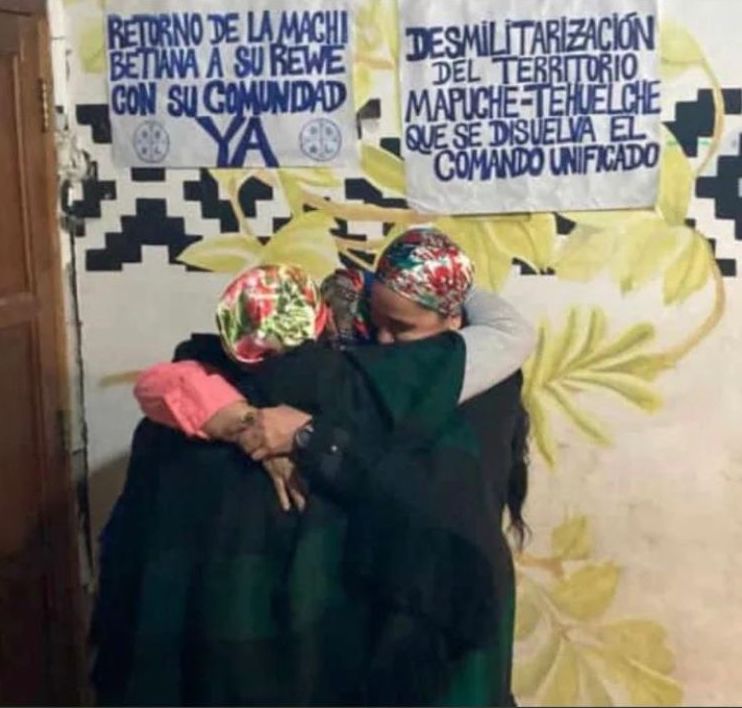
"Their cases were rejected five times in Bariloche by different judges, but the same prosecutors, demonstrating the deep hatred and unbridled racism towards the Mapuche people on the part of the federal courts and prosecutors in Bariloche. Only this hatred explains the differences in criteria between the judges in Bariloche and Roca, clearly expressed in this release order," stated La Gremial, the lawyers' association representing the three released women.
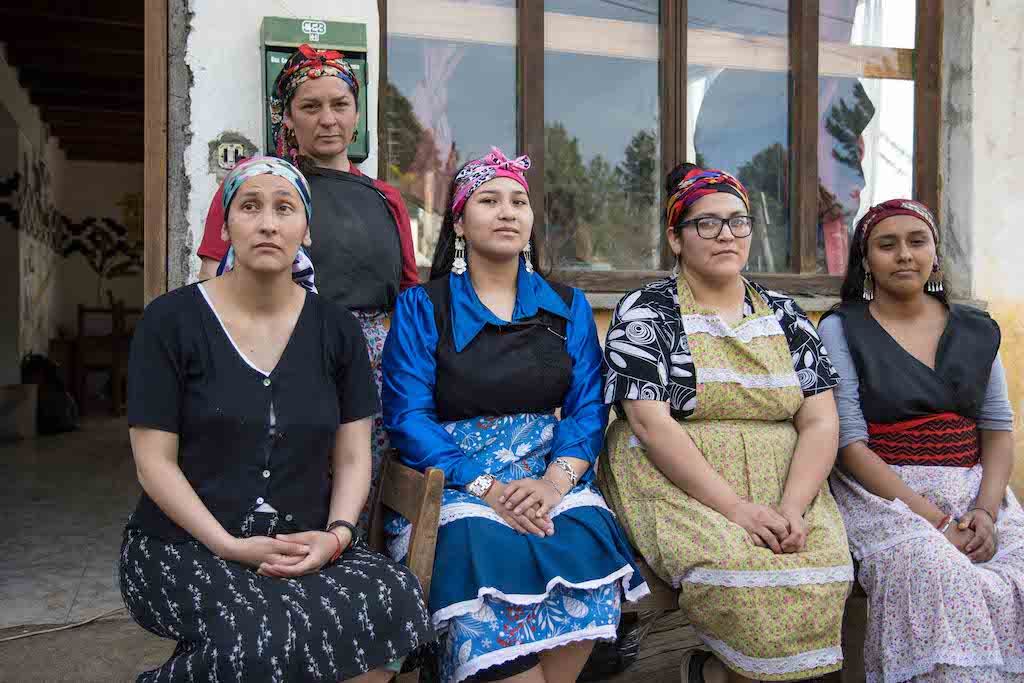
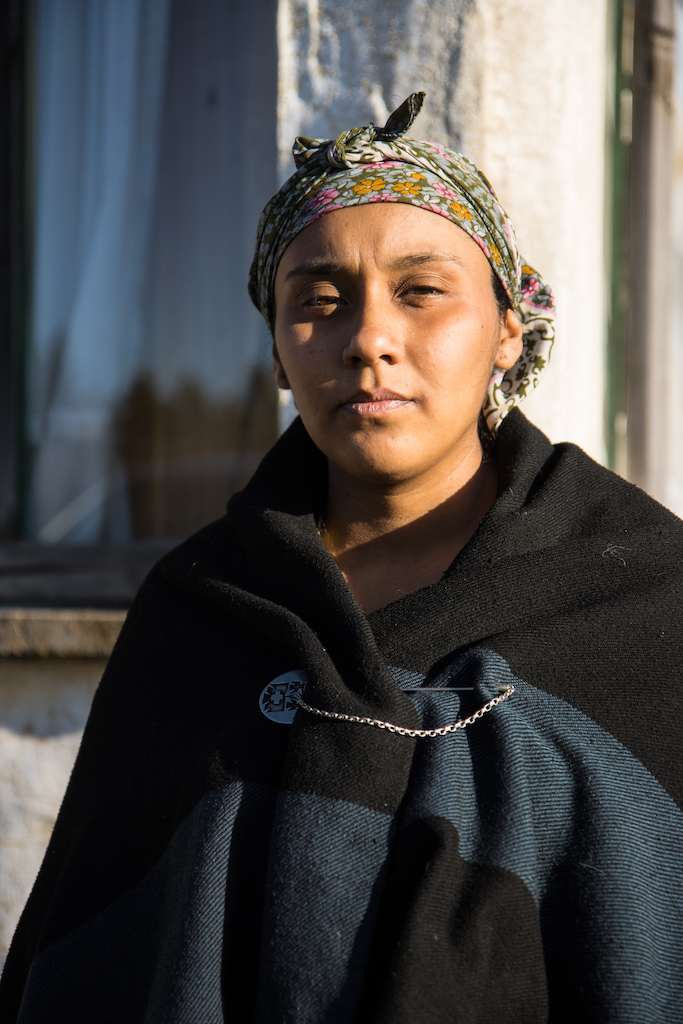
Eight months prisoners
After spending 243 days in prison, they expressed their gratitude to everyone who sent them strength. “Eight months as political prisoners, we resisted alongside our children. We also fought, we defended our territories, we put our bodies on the line, thank you,” the Mapuche sisters said in a video posted on the account @winotupemachinirewe. They added: “Our freedom will not be complete until we set foot on the land from which we were taken.”
“Eight months of unjust imprisonment, with fabricated charges, with stigmatization, with all the violence that the State exercised and demonstrated it can exercise. Our children enduring this imposed violence. Eight months of complicit silence, of constant mockery, of denial, and of provocations to demonstrate power. But in these eight months, we also had the company of our lamngen, of traditional authorities from different territories. And of people who are beginning to understand that there is a system that threatens the lives of our people and that seeks to see us as a threat, as beings of lesser value, as disposable bodies. However, here we are, now signing our freedom. A freedom achieved thanks to the long history of our people who once again set out to engage in dialogue, through words, struggle, and organization,” they wrote on their Instagram account.
From there they also expressed their gratitude: “To all the people who mobilized and responded to our call. Mañum kom pu che! May the defense of the territories be a collective path, for this is the time. Enough of racist violence! Enough of killing the territories, for the return to our rewe and for the protection of all territories from extractivism. Marichiwew!!” says the text they shared on their official account where they have been sharing news related to the cause.
The notification document they signed last night at 9:20 p.m. indicates that, for now, they must appear on the first day of each month "before the DUOF of Bariloche of the Federal Police for the periodic control" of the address, which is stated in the document.
What happened in Lafken Winkul Mapu
The four Mapuche women had been in pretrial detention since October 2022, accused of land grabbing. There were more of them, but some were released in recent months. At the time of their arrests, four were transferred to Ezeiza prison and later returned to Bariloche.
The case began when the community reclaimed the territory in 2017. At that time, a violent operation resulted in the death of 22-year-old Rafael Nahuel. The young Mapuche man was killed by the Argentine Naval Prefecture in Lafken Winkul Mapu in 2017; he was the cousin of the machi (Mapuche spiritual leader) Betiana. However, no arrest warrants were issued against them at the time.
On October 4, 2022, the newly formed Unified Command of federal and provincial security forces stormed the community, violently evicting and imprisoning its residents. They then proceeded to demolish all the houses. For the past eight months, the area has maintained a constant security presence.
The demand for freedom
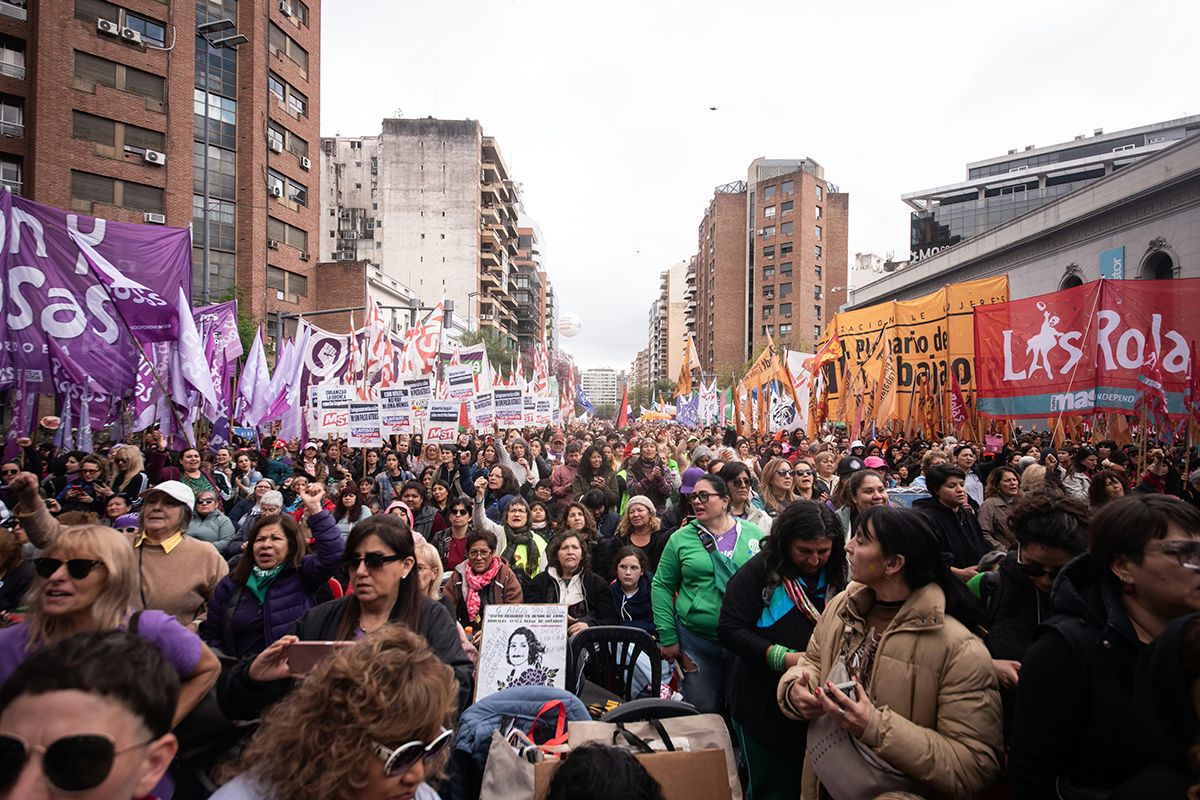
The moment they were arrested, a campaign was launched to demand their release. The call for the freedom of the Mapuche prisoners was one of the loudest and most urgent cries at the 35th Plurinational Gathering of Women, Lesbians, Trans, Transvestites, Bisexuals, Intersex, and Non-Binary People in San Luis, Huarpe, Ranquel, and Comechingón territory. "Freedom for those imprisoned for fighting," was heard loudly in the streets, at the opening ceremony, and at the closing march.
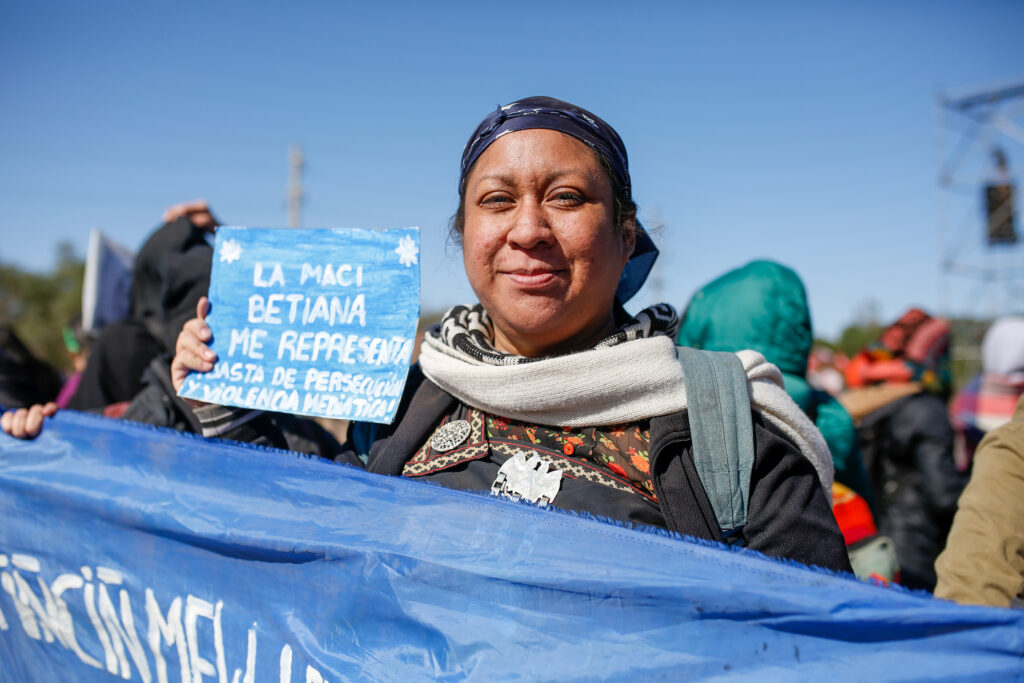
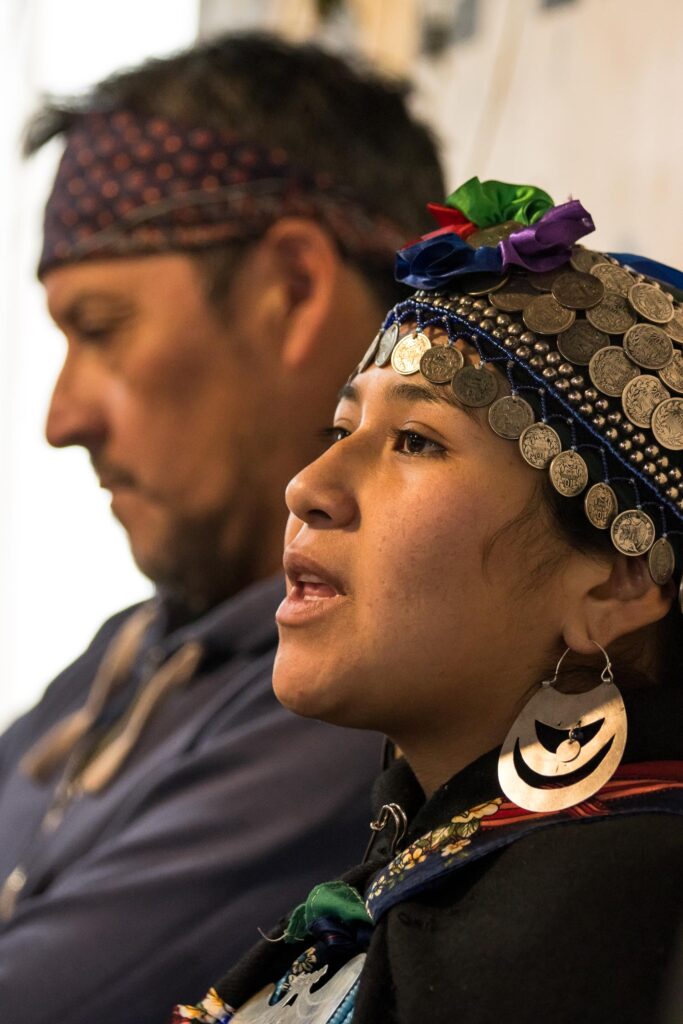
One of the campaign's demands emphasized the role of one of those arrested, the machi Betiana Colhuan, in the Mapuche worldview. It had been 100 years since there had been a machi on this side of the Andes. Betiana is also the mother of a baby who was three months old at the time of her arrest. The machi's return to the rewe— the ceremonial territory—was also a crucial point of the meeting where the agreement was signed.
The agreement
The signed agreement formally recognized the rewe (ceremonial space) from which the community was evicted as a sacred site for the Mapuche people, and where they will be able to return. The State committed to building three houses there: one for the machi (shaman) and her family, one for her assistants, and one for her patients and the storage of medicines. The rest of the community will be relocated to land near Lake Guillelmo, to a site to be determined in the coming days.
The State will also open offices in the area for various government agencies (Access to Justice Center, Secretariat of Human Rights, Ministry of Security). Given concerns that this would essentially be a military checkpoint, it was agreed that these offices would not be located in the immediate vicinity of the rewe(sacred site). The community will continue the registration process with the National Institute of Indigenous Affairs until it is completed and they obtain legal status.
Who participated
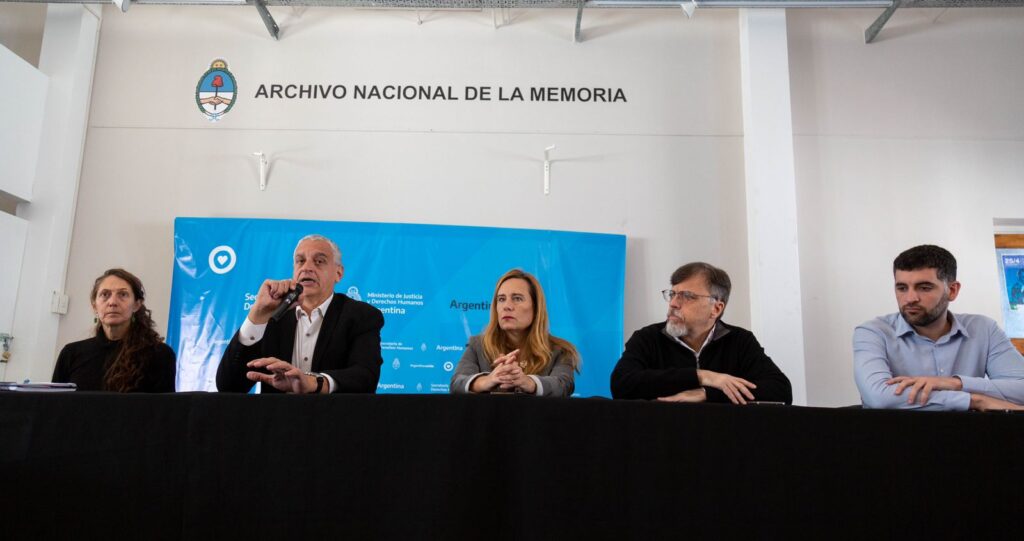
This third Dialogue Table included the participation of the Human Rights Secretariat, headed by Horacio Pietragalla Corti, and also various sectors of the government: Alejandro Marmoni from the National Institute of Indigenous Affairs (INAI), Federico Granato, president of the National Parks Administration, Carolina Varsky, undersecretary of Special Programs for Gender-Based Violence of the Ministryof Women, Gender and Diversity, and Silvia La Ruffa, secretary of Federal Coordination of the Ministry of Security.
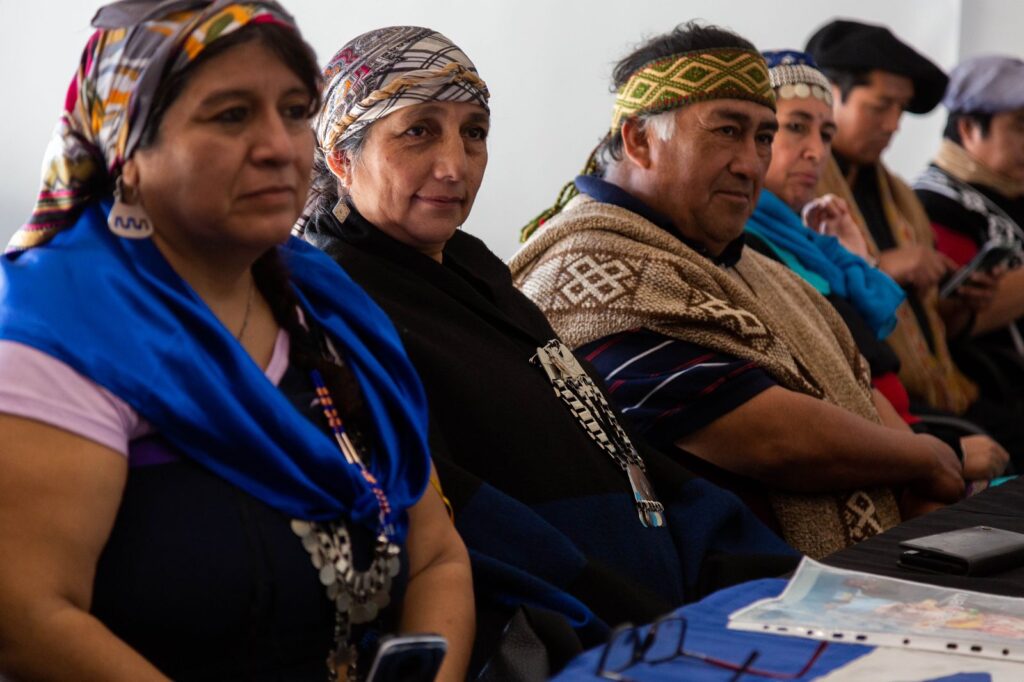
Representatives from Mapuche communities in the provinces of Río Negro, Chubut, and Neuquén participated: Mauro Millan, Carlos Curruhuinca, Maria Nahuel, Gabriel Nahuelquir, Isabel Huala, Soraya Maicoño, Juana Antieco, Eusebio Antieco, Daniel Loncon, Soledad Cayunao, Andrés Dinamarca, Leticia Curruhuinca, Javier Nahuelpan, Fernanda Neculman, and Orlando Carriqueo
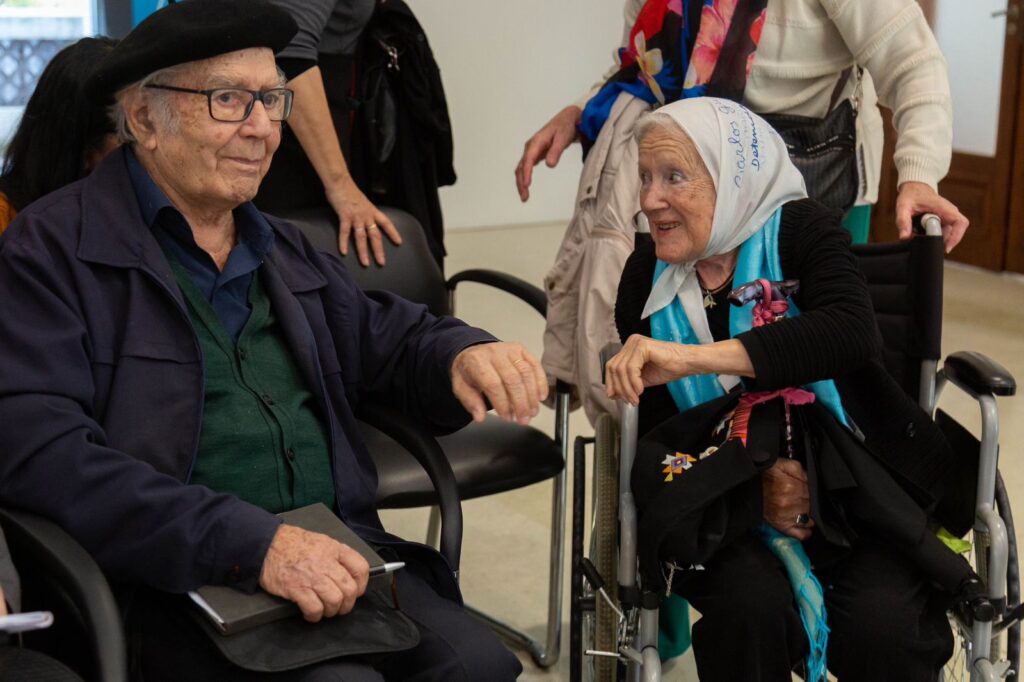
The meeting was attended by observers: Nora Cortiñas, from Mothers of Plaza de Mayo Founding Line, Adolfo Pérez Esquivel, Nobel Peace Prize laureate and Mariana Katz, SERPAJ, along with other representatives of human rights organizations.
Share
We are present
We are committed to journalism that delves into the territories and conducts thorough investigations, combined with new technologies and narrative formats. We want the protagonists, their stories, and their struggles to be present.
SUPPORT US

FOLLOW US
Related notes

We are present
This and other stories are not usually on the media agenda. Together we can bring them to light.