
 Apoyanos
Serafina Dávalos: la primera abogada de Paraguay, feminista y lesbiana
El 9 de septiembre se conmemora el nacimiento de Serafina Dávalos, primera mujer en graduarse de la Facultad de Derecho de la Universidad Nacional de Asunción, lesbiana y feminista.
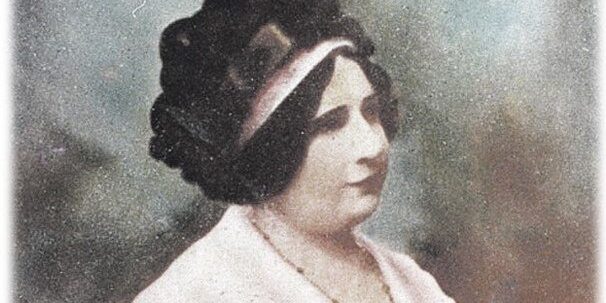


ASUNCIÓN.- Hoy se cumplen 139 años del nacimiento de Serafina Dávalos, la abogada que cuestionaba la maternidad obligatoria y discutía con intelectuales de su época como Manuel Domínguez, Arsenio López Decoud, Juan E. O’leary y Fulgencio Moreno. La que allanó el camino para que las mujeres en Paraguay pudieran estudiar, enseñar, doctorarse, dirigir centros de formación, representar al país en el extranjero y adelantarse a su época en la lucha por la igualdad de géneros. ¿Quién fue esta lesbiana que a principios del siglo XX planteaba que el matrimonio es la esclavitud de la mujer?
Eran tiempos en que las mujeres ricas participaban de reuniones sociales, en su universo de vestidos largos, enaguas, peinados endurecidos, abanicos, medias, peinetas y tacos. Las mujeres pobres trabajaban en tareas de cuidado para otras familias y prácticamente no tenían derechos.
Serafina Dávalos torció ese camino y abrió otro. Fue la primera abogada paraguaya, en un momento en que el trabajo intelectual no era una actividad de la mayoría de las mujeres. Recién en 1870, Adela y Celsa Speratti, hermanas y educadoras paraguayas establecieron la primera escuela normal en Asunción, paso crucial para el desarrollo del sistema educativo del país. La inserción de las mujeres en decisiones políticas llegó mucho más tarde, con el voto femenino en 1961.
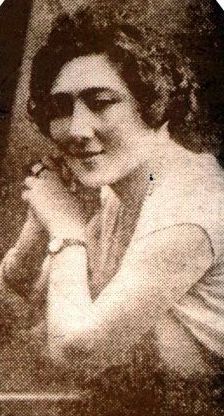
Hija de Gaspar Dávalos y Teresa Alfonso, y hermana de Nicasio, Serafina nació el 9 septiembre de 1883 en la ciudad Ajos, de Coronel Oviedo. Se mudó sola a Asunción para hacer la secundaria. Estudió en la Escuela Normal de la Asunción, donde obtuvo diploma de maestra en 1898. Fue la primera mujer en graduarse de la Facultad de Derecho de la Universidad Nacional de Asunción en 1907.
“No creo que sea un mito de mi familia, pero antes nos sentábamos en las veredas. Y cuando ella caminaba orgullosa por la ciudad, plantada ante la sociedad, porque tenía muy claro qué quería hacer, las mujeres entraban corriendo a sus hijas para que Serafina no les pase al lado como si tuviera la lepra, la peste. El rechazo social. Pero ella muy orgullosa, se compró un auto, manejaba”, cuenta Rosemary Dávalos, sobrina nieta de Serafina en entrevista con la conductora de televisión Pelusa Rubín.
La élite y la clase media paraguaya eran muy europeizantes en su forma de actuar. Paseaban entre el teatro y los salones donde se realizaban piezas teatrales, cantos se tocaba el piano. El instituto paraguayo -un centro cultural que se creó en 1895- ofrecía clases de dibujo, piano, esgrima. La Sociedad Italiana de Socorros Mutuos y la Unión Club eran los salones más elegantes de la época.
En estos espacios se encontraban la élite y la clase media. Los sectores populares se reunían en las afueras. Uno de los entretenimientos de los fines de semana era ir al Belvedere, en España y Brasil. Lo que hoy es el hotel del Paraguay era la «cancha sociedad», donde se reunían para partidas de caballos, paseos y tomar algún refresco. Quienes no tenían dinero para entrar a esos lugares iban de picnic a Tacumbú.
Por entonces la mayoría de lxs paraguayxs leían y hablaban en guaraní. El español era el segundo idioma, pero solo accedía a él la clase alta, que podía darse el lujo de recibir educación. Todas las decisiones del gobierno, de los libros, las actas y la escuela estaban en español. Asunción era contada por los hombres. Las hojas de libros de historia oficiales desterraron del relato a las mujeres y, entre ellas, a Serafina Dávalos. Decenas de mujeres trabajaron para rescatar esta memoria silenciada.
En el libro “Alquimistas: Otra historia del Paraguay”, Line Bareiro, Clyde Soto y Mary Monte recuperaron la historia oculta de las mujeres, su movimiento y el feminismo en Paraguay. El audiovisual “Alquimistas: Historia de las Mujeres en Paraguay”, realizado en 1995 por el Centro de Documentación y Estudios (CDE) y Decidamos, se convirtió en una pieza histórica y un documental clave para trazar la historia del feminismo en Paraguay.
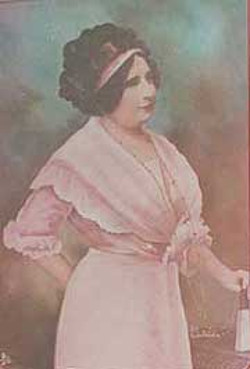
Contra el patriarcado, humanismo
Dávalos fundó y militó varios gremios como el Movimiento Feminista de Asunción, el Centro Feminista Paraguayo, la Unión Femenina del Paraguay y la Liga Paraguaya por los Derechos de la Mujer. En su tesis, Humanismo, cuestionó el sometimiento de las mujeres a una sociedad patriarcal y consideró la igualdad jurídica como determinante del cambio de situación social de la mujer.
“No hay duda que la mujer puede elevarse en el terreno de la inteligencia a tanta altura como los varones. Para el efecto, désela el mismo tratamiento educativo que a aquellos en lo fundamental; nada de reservas de ideas profundas y elevadas por creerla incapaz; lo que se ha dado en llamar lo femenino, no falsea la naturaleza de la razón de la mujer”, escribía Serafina en 1907 (Humanismo, pág. 13).
Ese trabajo causó grandes controversias en la clase intelectual de su época. En años en que las mujeres tenían prohibido votar, ella ya cuestionaba la desigualdad de género y exigía igualdad de oportunidades. No vivió para ver cómo Paraguay se convertía en el último país latinoamericano en otorgar el derecho de voto a las mujeres, en 1961 con la ley “De los derechos políticos de la mujer”.
Rescatando a Serafina
La historiadora Ana Barreto Valinotti, incluyó la biografía de Serafina Dávalos en su libro Mujeres que hicieron historia en el Paraguay, editado en 2011. Allí escribió: «Serafina falleció en 1957, en la pobreza, habiendo ejercido su profesión de abogada hasta el final de sus días. A sus restos se les negaron funerales cristianos». Varixs expertxs coinciden en que Serafina murió después de una larga enfermedad, en el olvido y la indigencia, bajo el estigma de habérsele negado “cristiana sepultura”.
Rosemary Dávalos, junto con su marido, Gustavo Ilutovich, y otros referentes culturales conformaron el grupo Rescatando a Serafina. Su misión es encontrar su tumba y poner en valor su legado. De acuerdo al relato de algunos historiadores, no se le permitió entrar a la iglesia porque era lesbiana y por sus reivindicaciones sociales. También hacían lo mismo con masones y otras instituciones que tenían algún tipo de disputa con la Iglesia Católica. Cuando la enterraron ni siquiera le pusieron lápida para que no se la encontrara.
La heterosexualidad obligatoria
Como explica Rosa Posa, activista de Aireana, grupo por los derechos de las lesbianas en su podcast ¿Por qué se piensa que Serafina era heterosexual?, las lesbianas son habitualmente auscultadas de la sociedad tanto hoy como en la “historia oficial”. “Decir que Serafina no era lesbiana es como una señal de un pensamiento súper heterocéntrico. La gente es hetero hasta que se demuestre lo contrario. No es así el mundo por mucho que se empeñen en verlo así. Es como si al decir que Serafina Dávalos era lesbiana le estamos sacando mérito”, expresa
Este año se firmaron los acuerdos para iniciar la restauración de la casa de Serafina Dávalos a través de la gestión del Instituto Paraguayo de Artesanía. Pero ya hace tiempo, el colectivo Serafina Dávalo -integrado, en su mayoría, por alumnxs de la facultad de Derecho- venía presionando para darle continuidad a la construcción de la memoria histórica nacional de las mujeres.
Entre las calles Estados Unidos y Tacuary descansa la casa de Serafina, donde vivió con su pareja Honoria Barilán. Así lo confirmó Rosemary: “Estamos en el siglo XXI y aunque la gente todavía se asusta con la homosexualidad, estas dos mujeres se plantaron ante la sociedad paraguaya y vivieron juntas siempre. Todxs sabían que eran pareja”.
En el 2017, el abogado Nicasio Dávalos, hijo de un hermano de Serafina, presentó querella criminal contra Honoria Balirán ante el Juzgado de Primera Instancia en lo Criminal de Asunción, a cargo del juez Ernesto Giménez, acusándola de ser autora de «la muerte lenta y horrorosa de la doctora en Derecho». Esta denuncia se desestimó por falta de pruebas.
A raíz de una nota que publicó ese año Última Hora, Aireana, hizo un descargo en redes sociales en el que llaman a la reflexión del periodista en la manera en que construyó el relato, desde sus propios prejuicios.
“Tenemos miles de “Nicasios” en las vidas de las lesbianas, tipos que acusan a las parejas de sus hermanas de ladronas por comprar cosas conjuntamente, señores que se inventan que sus hijas fueron pervertidas por otra mujer con la que vivieron un montón de años, padres que después de violentar a sus hijas, acusan a las parejas de estas por ser denunciados. En fin, “el mal siempre está fuera”, apuntan.
“Cuando hay que demostrar que te perjudica, te enferma y te hace morir entonces sí es lesbiana. Pero cuando brilla, la única mujer que estaba en los círculos intelectuales de la época, no lo es. Es como si hubiera que demostrar una y otra vez que lo somos. Pero es como si fuera gravísimo demostrarlo. No es una afirmación que hacemos a la ligera, sino porque llevamos mucho tiempo en el activismo y porque estudiamos mucho”, refiere Rosa Posa. Gran parte de la memoria colectiva feminista en Paraguay está construida en torno a la figura de Dávalos, que no solo dejó un legado teórico sino también cuestionamientos que, todavía, siguen vigentes.
Somos Presentes
Apostamos a un periodismo capaz de adentrarse en los territorios y la investigación exhaustiva, aliado a nuevas tecnologías y formatos narrativos. Queremos que lxs protagonistas, sus historias y sus luchas, estén presentes.
APOYANOS

SEGUINOS
Notas relacionadas
Estamos Presentes
Esta y otras historias no suelen estar en la agenda mediática. Entre todes podemos hacerlas presentes.