

LGBT+ people know the impact that hate speech has on lives
Following the attack on Vice President Cristina Fernández de Kirchner, the social debate intensified on an issue that has been a concern for the LGBTIQ community for several years, particularly for transvestite/transgender people.


Share

Following the attack suffered by Vice President Cristina Fernández de Kirchner, the social debate has intensified in recent days on an issue that has been concerning LGBTIQ communities for several years, particularly transvestite/trans people: How can hate messages sent by the media to societies be regulated/sanctioned?
It might seem that we speak of "media" as something abstract. But in reality, we are dealing with a web of political strategies. These strategies control and redirect the destiny of a country through its votes. Furthermore, they have a profound impact, shaping people's emotions, including the most damaging: hatred.
Faced with a global and local economic and social crisis, fear, one of hate's best friends—its very reason for being—is paramount. The crisis is not only an economic threat, but an existential one. It leaves us helpless and often unprotected, vulnerable to receiving information that allows us to find scapegoats.
Which lives deserve life
Trans communities have always been easy targets for hate speech in the media. From stigmatizing, pathologizing, and criminalizing headlines about our identities to very specific messages inciting action. We've heard female hosts and politicians say things like: "They can identify however they want, but that doesn't mean we have to pay for their social programs out of our own pockets"; "They should go get a job"; "The government wants to distract us and is busy with these lazy bums when our country is on fire"; "There are children with disabilities who can't afford medication, and they're taking care of these monsters," etc.
When we say we must promote social change to ensure our rights are effective, we encounter one of the greatest obstacles. There is a society that, permeated by hopelessness and despair, readily accepts these kinds of messages. And as if this weren't enough, hatred incites action, a desire to eliminate the problem at its root, which for many translates into transphobic attacks and hate crimes against our communities. But above all, this is accompanied by social support that, in most cases, guarantees impunity, insensitivity, and a lack of empathy for our lives.
As philosopher Judith Butler says, “We only recognize certain lives as human and real.” Therefore, some lives are worth living, and others are not.
The pain is greater when the hatred comes from movements or comrades who seem to understand structural problems of violence and how they are channeled into gender and gender identities.
The attack against the vice president paralyzed us and deeply hurts. The attack can be seen, in part, as a response to thousands of hours of hate speech in the media. That's why LGBT+ people have long been demanding that this kind of rhetoric be denounced and regulated. Because the consequences are real.
Will our comrades be able to understand that it is not just about denouncing those who spread hateful messages, but about preventing the concrete effects that these messages have on our lives?
We are present
We are committed to journalism that delves into the territories and conducts thorough investigations, combined with new technologies and narrative formats. We want the protagonists, their stories, and their struggles to be present.
SUPPORT US

FOLLOW US
Related notes
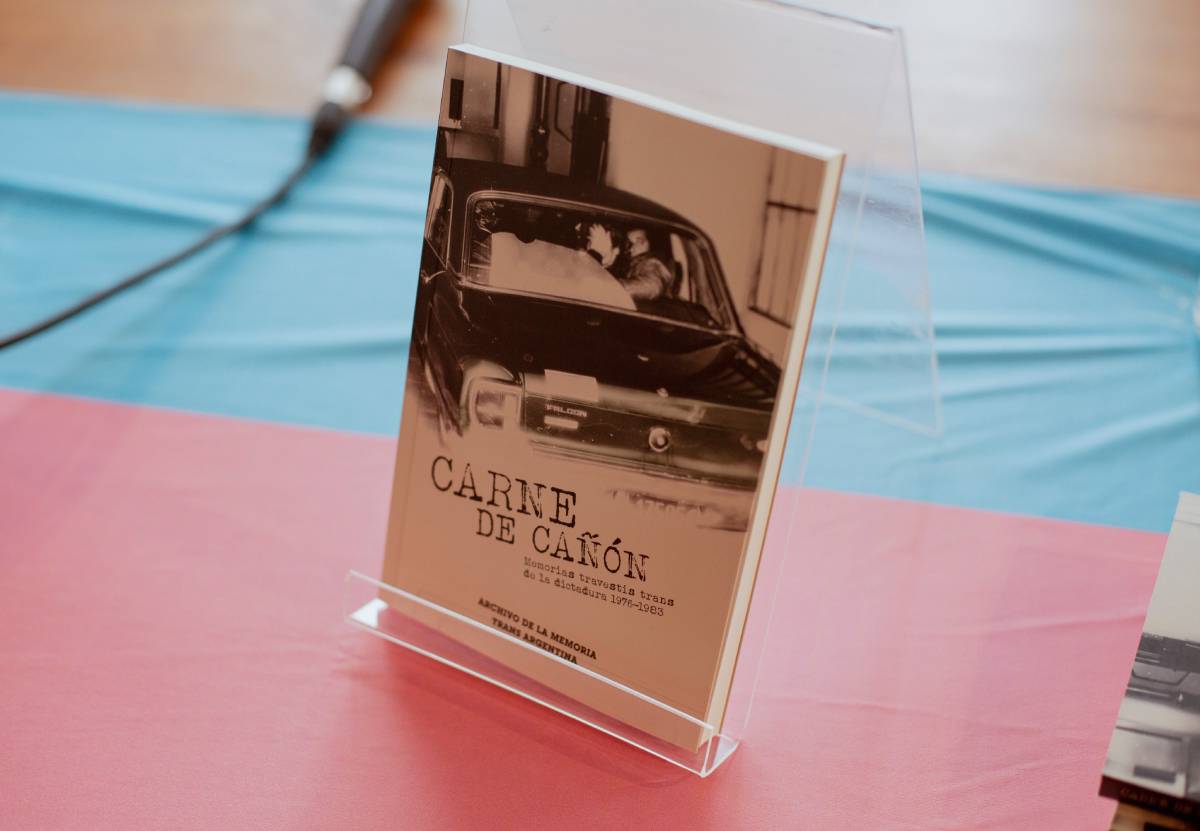
Cannon fodder: the book that recovers silenced stories of transvestites and trans people during the civic-military dictatorship
Lechedevirgen: “Undoing art means restoring its ritual and collective dimension”
Why the trial for the murder of Eldin and Milton could be historic for Guatemala's LGBT community
We are present
This and other stories are not usually on the media agenda. Together we can bring them to light.