

2021 Review: Community Organizations Confronted Violence and Inequality in Mexico
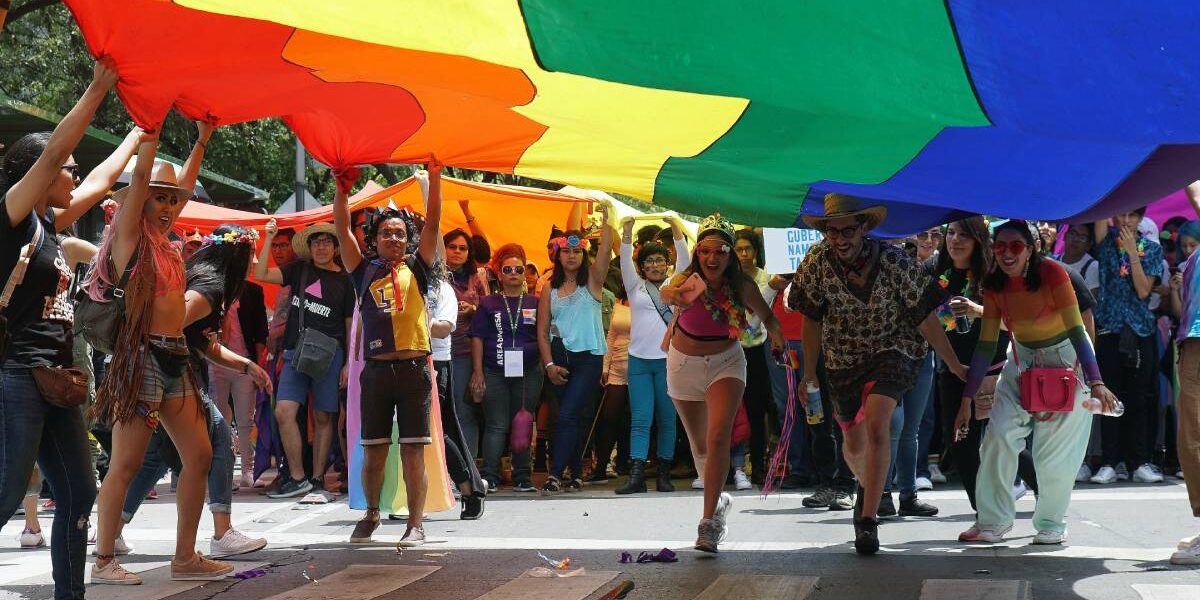
The impact of the COVID-19 pandemic was severe for the LGBTI community. Shelters and soup kitchens provided refuge for hundreds of people. There is growing concern about the wave of hate crimes.

Share

MEXICO.
Two years ago, the first case of COVID-19 was discovered, a pandemic that highlighted and aggravated inequalities, especially in historically vulnerable populations.
Two years after these disproportionate impacts, and in the face of the health and financial crisis, LGBTI+ people and activists continued their community actions. Violence motivated by prejudice did not cease, nor did the State's failure to guarantee their rights.
In Mexico, it is unknown how many LGBTI+ people became ill or died from COVID, and there is no official data that collects information on how the pandemic has impacted vulnerable groups.
What we do know is that the vast majority of working LGBTI+ people could not stay at home and were exposed - as they are overrepresented - within the 56.2% of the Mexican population that works in the informal sector .
At the same time, the mandatory lockdown increased and exposed the violence perpetrated within families, especially against young people. Violence in the streets and on social media, particularly transphobia, persisted.
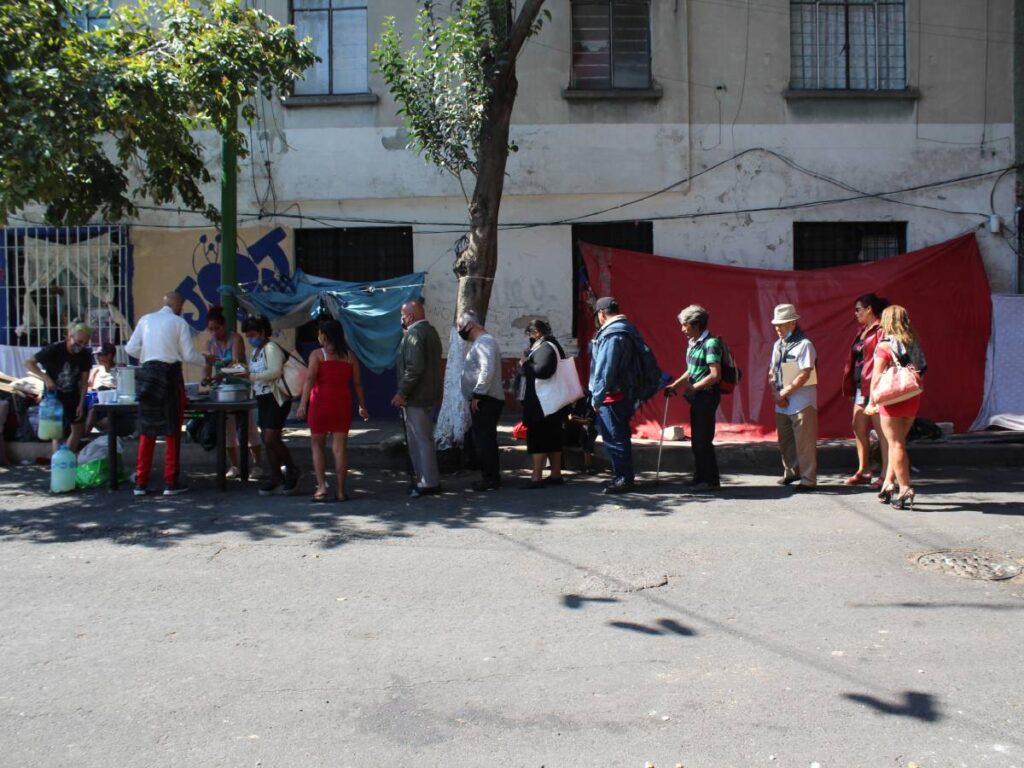
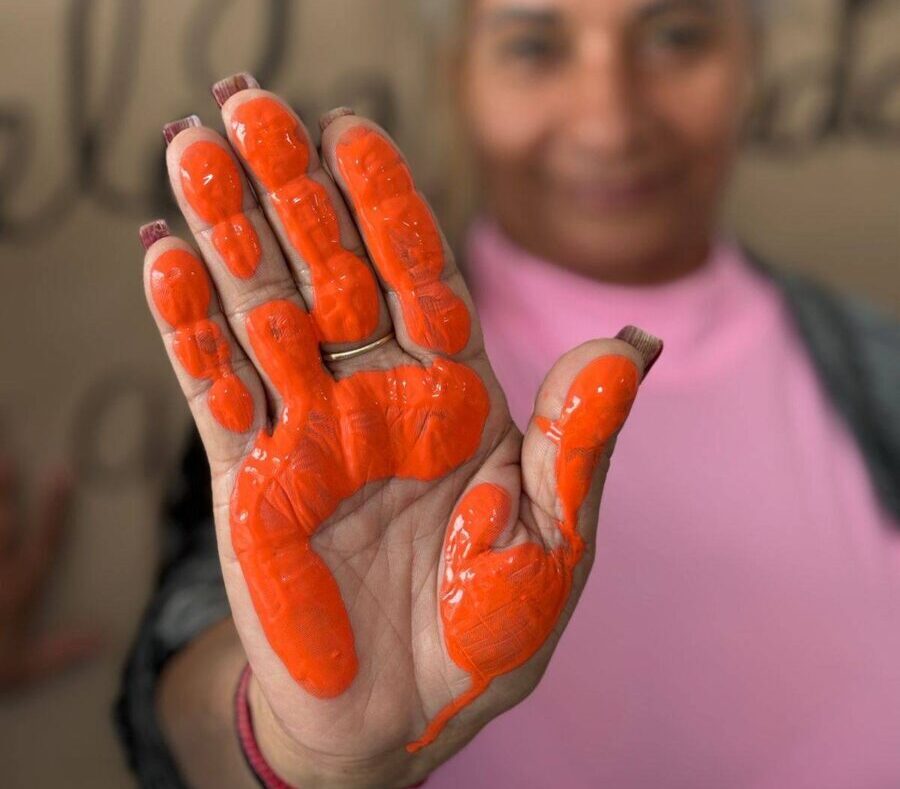
In response to the crisis, LGBTI+ organizations activated various actions to address health, hunger, and housing issues, such as donations of antiretroviral medications, community kitchens, and shelters.
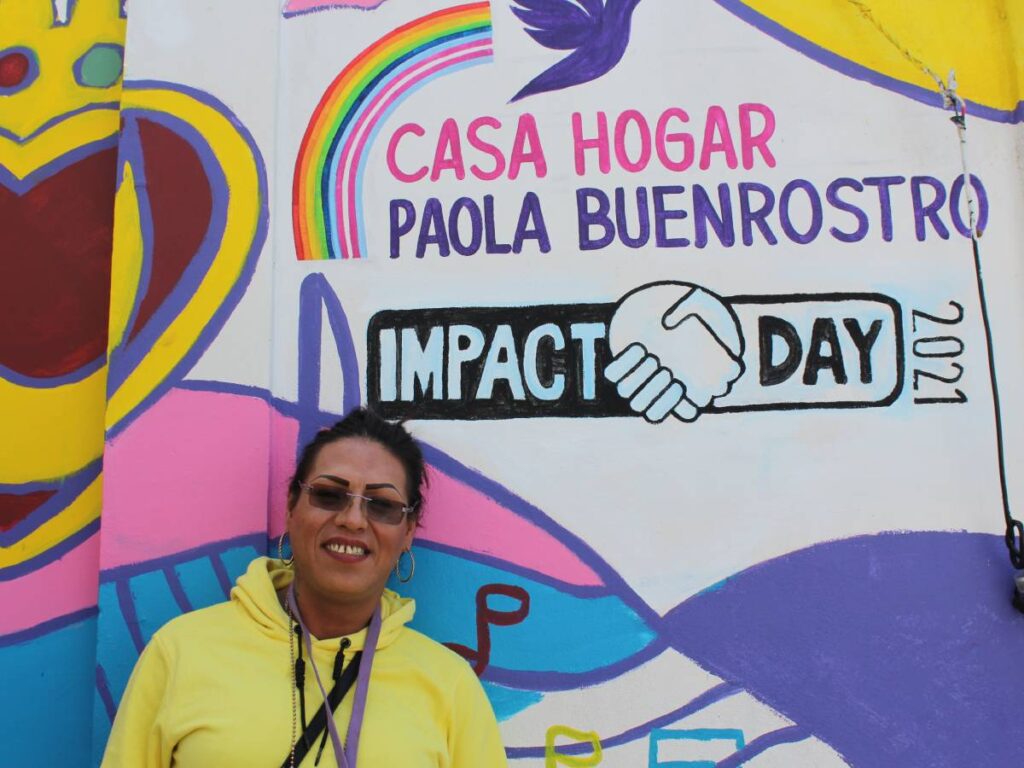
Photo: Georgina G. Alvarez.
Impacts two years after the pandemic
Given the lack of official information and data on how the pandemic has affected LGBTI+ populations in Mexico, in 2020 thirty organizations conducted the survey " Differentiated Impact of COVID-19 on the LGBTI+ Community in Mexico ." More than six thousand people participated in the survey to understand the effects of the health emergency on this population.
Key findings:
• 5.33% got sick with covid-19.
• 44 people left their homes due to prejudice based on their sexual orientation or gender identity.
• Seven out of 10 lost their income partially or totally.
• Less than half were able to work from home.
• Most of those who had to go out to work are trans people.
• 47.26% experienced domestic violence and 36.46% experienced violence on social media.
• 15% of 18 and 19-year-olds attempted suicide and almost 40% had suicidal thoughts.
• 39% of people who responded that they live with HIV had to interrupt their treatment due to COVID-19.
At least 71 LGBT+ people murdered and 7 missing
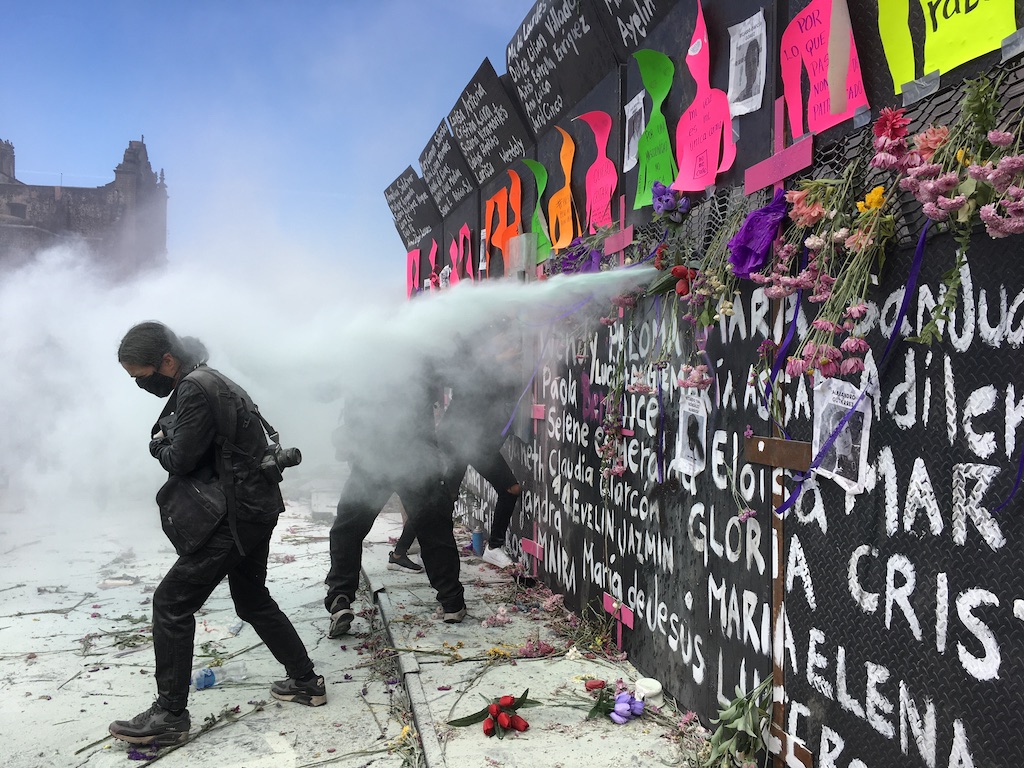
According to data from the National Observatory of Hate Crimes against LGBT people , 71 LGBT people were murdered and 7 disappeared up to November 2021.
More than half of the crimes were against trans women, and the states where these violences were most frequently recorded were Morelos ; Baja California ; Guanajuato ; Chihuahua and the State of Mexico .
In January, 20-year-old Dayanne Tepic, Nayarit . The Prosecutor's Office, disregarding her gender identity, claimed it was an accident. Dayanne had been extorted and surveilled before her murder. Given this background, members of the organization Casa de las Muñecas Tiresias Nayarit demanded that authorities investigate with a gender perspective.
On June 5, a man living with HIV was murdered in Quintana Roo . Activists in that state and in Mexico City took to the streets and demanded the repeal of an article in the local Penal Code that criminalizes people living with HIV.
Crimes in the second half of the year
LetraEse 's assessment , which estimates that an average of 6.5 LGBT people are murdered each month in Mexico.
On the night of July 1, Ivonne was murdered and tortured in her beauty salon in Iztapalapa , Mexico City.
Six days later in Colima Valeria Carrasco was murdered in her home in the same manner . She was 25 years old; her friends demanded justice and complained that neither her family nor the press respected her gender identity.
The following day, in the border state of Baja California, Kendra and her house was set on fire. On July 13, Presentes learned of three more trans women murdered: Michell and Dayana in Jalisco, and a woman from Colima whose name is unknown.
On July 19th in the State of Mexico, activist Aline Sánchez , 41, was murdered in her business, and on the 21st of the same month, Fabiola Rivera, 43, was murdered in San Luis Potosí. Both murders were brutal. Activists and LGBT+ people took to the streets of their cities to demand justice.
Devanny Cardiel was murdered in her beauty salon in Guanajuato . The press labeled the crime a "settling of scores" and linked her to organized crime.
Friends and activists decided “not to make much noise” because in that state “it’s difficult to speak out.” Miles away, Catalina Santos was chased and murdered in the State of Mexico. Activists complained that security forces were slow to arrive and her body lay in the street for more than four hours in the rain.
On October 13, culinary student Miguel Ángel Sulvarán Xolo in Veracruz. Civil society organizations and the National Council to Prevent and Eradicate Discrimination (Conapred) demanded that authorities investigate the case with a gender perspective and consider Xolo's sexual orientation as a possible motive for his murder.
His murder represented the 18th hate crime in 2021, in Veracruz alone, one of the states where the most lethal violence against LGBTI people is recorded in Mexico.
In Ensenada, Alicia Diaz, known as Tita , was murdered on November 3. Before her murder, she was beaten and received threats on social media. Activists protested and demanded that the Attorney General's Office investigate with a gender perspective.
Attacks and transphobia on social media
In addition to the murders, other types of violence were reported. In Jalisco, what activists consider the first acid attack against an LGBTI+ person in the country was reported.
On October 19, Zoé, a 22-year-old trans woman, was attacked with acid by a man. A religious hospital denied her medical attention, despite her having first- and second-degree burns. Weeks after the attack, the Prosecutor's Office released a composite sketch of the alleged assailant.
In some states where gender identity laws were being considered, trans people reported harassment and transphobic attacks perpetrated by trans-exclusionary feminist women. In Mexico City, members of Tianguis Disidente (a space created to confront economic violence) reported being harassed on more than one occasion by street vendors in the Zona Rosa, a historic area where LGBT+ people gather.
The threats of attack materialized on September 23 when a group of cisgender men assaulted members of the Tianguis market with sticks and knives. The victims were mostly minors, women, and non-binary individuals.
Visible platform reported 408 attacks against LGBT+ people this year. Trans women and lesbians were the most affected; private spaces, followed by public spaces, were where these attacks were most frequently perpetrated, and 100 attacks were recorded on social media. The vast majority of these attacks were against trans people.
In response to the wave of transphobia, Presentes presented a toolkit for transphobic discourse .
LGBT caravans and migrants
Throughout the year, various migratory movements were recorded, but at the end of October, the caravans of migrant people originating mainly from Central America, Venezuela, Haiti, and Cuba, were more noticeable.
And it was the city of Tapachula , in southeastern Mexico, where they entered to continue their journey north or to seek refuge from Mexican authorities.
The Differentiated Impact recorded 15 asylum applications. More than half of the migrants faced discrimination and violence due to their sexual orientation, gender identity, and gender expression during the process.
In November, 24 LGBT+ migrants were provided with ground transportation from Tapachula to Querétaro , where various organizations offered them shelter and food. The National Institute of Migration granted them humanitarian visas, and on November 12, they arrived at Jardín de las Mariposas , a shelter for LGBT+ migrants located in Tijuana.
According to Jaime Marín, a member of the Jardín organization, so far in 2021 they have assisted at least 350 LGBT+ migrants at the shelter, a safe place where they are provided with a place to rest, hot meals, and shelter, as well as legal advice to complete the administrative paperwork for asylum applications in the United States and Mexico. They also offer cultural workshops and psychological support.
In contrast, in June the Honduran consulate denied the repatriation of the body of Kaory Cantarero , a trans woman who had to migrate due to threats, and who died of a heart attack in a rehabilitation center. Following pressure and organization by activist Kenya Cuevas, Kaory's body arrived in her country, where only her family attended her wake and burial .
Community actions during the pandemic
Faced with the absence of the State, the economic, food and health crisis; the actions undertaken by activists to lessen the impact of the pandemic —in its first year—, continued into the second.
Thus, in Tamaulipas, the organization Tamaulipas Diversa Vihve Trans coordinated outreach events and food distribution to LGBT people in three cities in the state. And since the Mexican government focused its efforts on the COVID-19 pandemic, HIV testing, care, and follow-up services were discontinued.
Faced with the State's delayed response to HIV, organizations like VIHve Libre not only denounced the actions of the authorities but also took to the streets and distributed antiretroviral medications to anyone who needed them, regardless of the corner of the country.
The organization Casa de las Muñecas Tiresias opened the first shelter for transgender people in all of Mexico. They also distributed hot meals in an area of the city known for sex work. And not far from there, in downtown Mexico City, Manos Amigues , a community kitchen where meals are served for only 11 pesos, was inaugurated.
Rights
• Yucatán, Querétaro, Sonora, Sinaloa, and Baja California said yes to same-sex marriage.
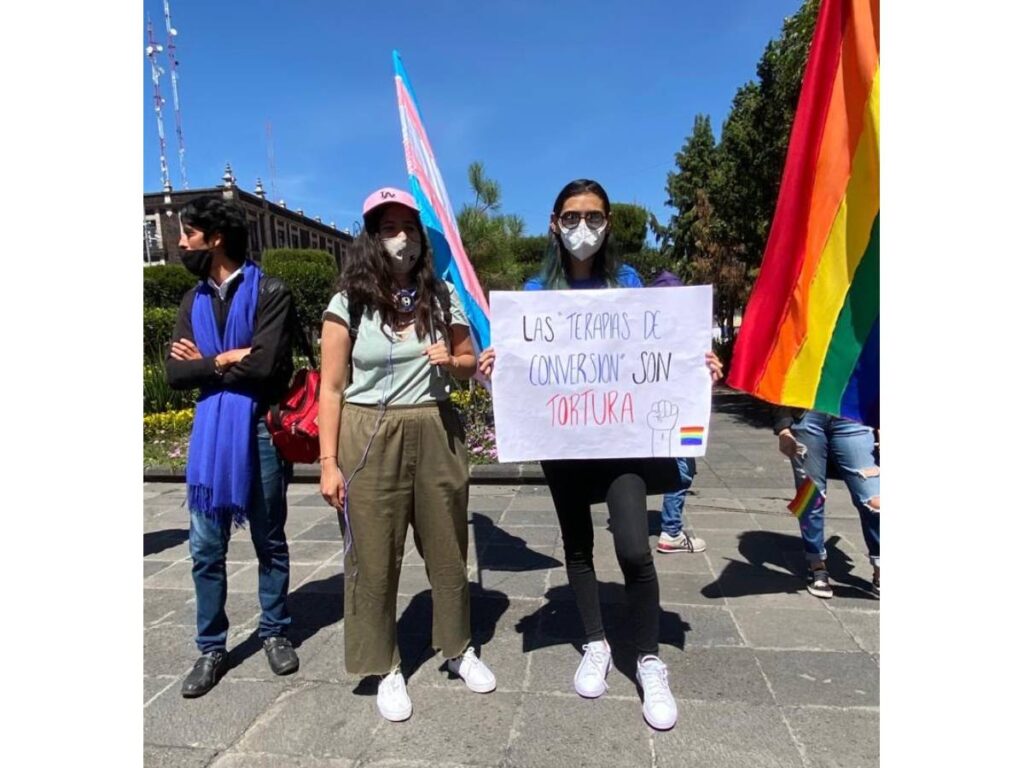
• In Yucatán, Colima, Zacatecas, Baja California Sur and Tlaxcala, the Penal Codes were reformed to classify the crime of ECOSIG, that is, the so-called “conversion therapies”.
• In Baja California Sur, the State of Mexico, Morelos, and Puebla, reforms were approved to guarantee gender identity for adult trans people.
• In Mexico City, Oaxaca, and Morelos, transgender people over the age of 12 are recognized as having the right to identity. Through an administrative process, they can change their name and gender on their birth certificate.
• The Mexican State continues to deny the right to identity to trans people under the age of 12.
First public apology for transfeminicide
Mexico City authorities publicly apologized for the transfeminicide of Paola Buenrostro —murdered in 2016— a friend of human rights defender Kenya Cuevas.
For Kenya, the apology and the processes stemming from the recommendation are not the end of the struggle but “another beginning (…) The violence and discrimination that trans women experience will not end with this recommendation. Nor with marriage equality, nor legal gender change, nor the legal classification of transfeminicide.”
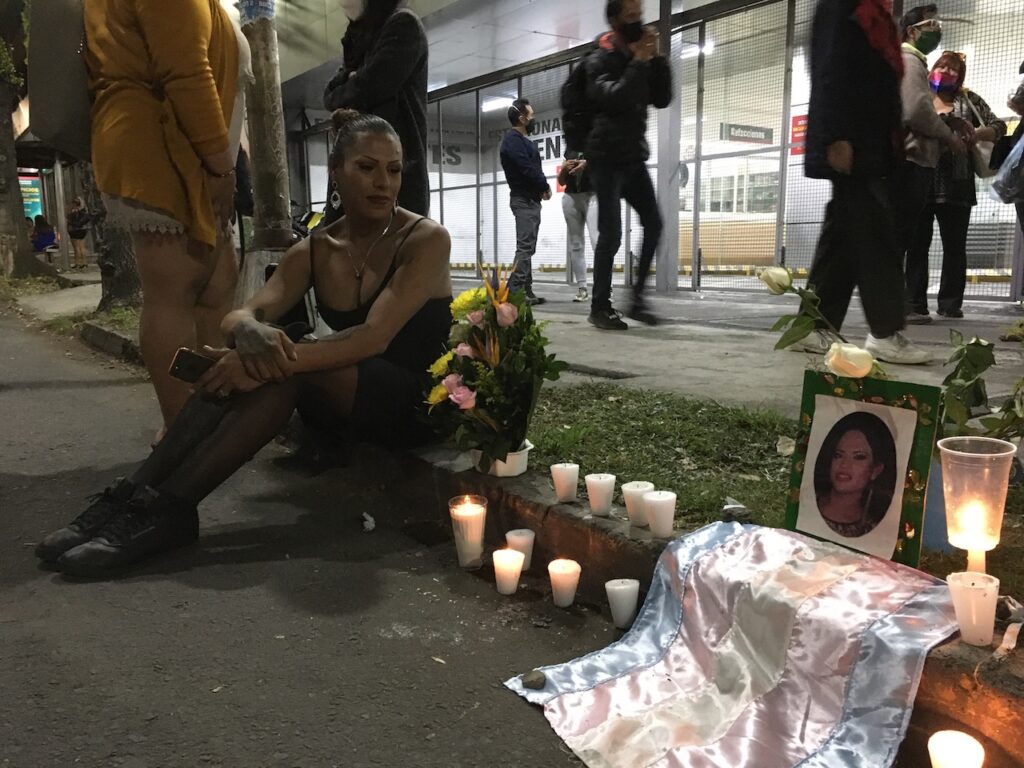
Photo: Georgina G. Álvarez.
Two transgender women, federal congresswomen
On June 6, the “largest and most inclusive elections in Mexico” were held, according to the National Electoral Institute (INE), an institution that established, for the first time, guidelines for political parties to include candidates of African descent, with disabilities, and LGBTI+ people.
During the process, affirmative action measures were implemented, one of which was the mandatory registration of a quota of LGBTI+ candidates by each political party. Another was the application of the trans protocol , which sought to guarantee the right to vote for trans people free from discrimination. However, many trans people reported on social media that their gender identity was not respected.
More than 100 LGBTQ+ candidates, including 40 transgender candidates, participated in the recent legislative and local elections. After the vote count was completed, it was announced that Salma Luévano and María Clemente García would be Mexico's first transgender members of Congress.
We are present
We are committed to journalism that delves into the territories and conducts thorough investigations, combined with new technologies and narrative formats. We want the protagonists, their stories, and their struggles to be present.
SUPPORT US

FOLLOW US
Related notes
We are present
This and other stories are not usually on the media agenda. Together we can bring them to light.