

Guatemala: The number of hate crimes doubled during the second half of 2021
The debt owed to the LGBTI population deepened in the last year.


Share

More than 600 LGBTI people were victims of murders between 2019 and 2020 in Latin America and the Caribbean, as documented by the Network Without @ViolenceLGBTI.
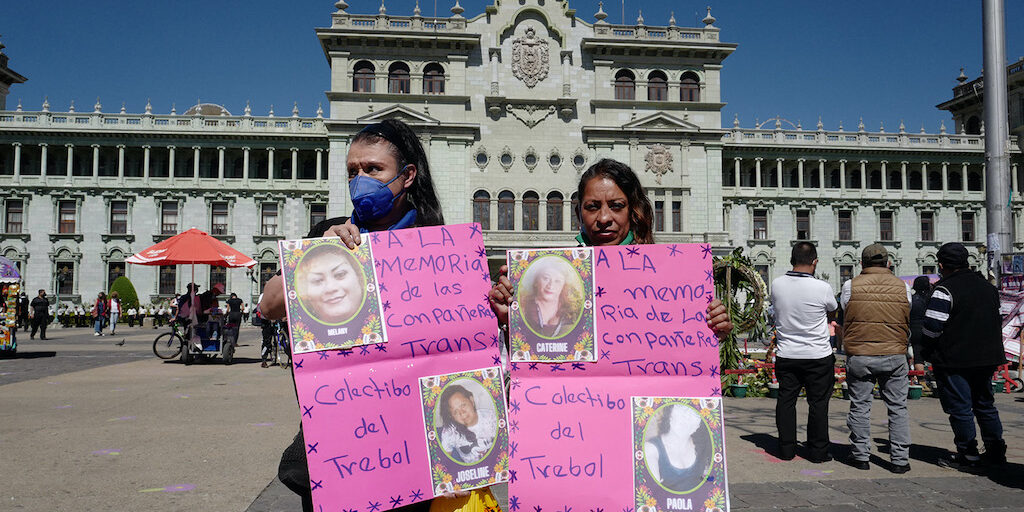
In Guatemala, as of October 2021, the Observatory for Violent Deaths of the National Diversity Network had recorded 28 hate crimes against LGBTQ+ individuals, with the Department of Izabal (268 kilometers from the capital) having the highest number of deaths. This represents a doubling of the number of such killings in the second half of 2021 alone.
This was a difficult year with many human losses for sexual diversity related to poor or nonexistent care for Covid-19, transfemicides, femicides and homicides due to prejudice.
The Otrans Queens of the Night Organization told Presentes that it has received 151 complaints of violence against trans women , while in approximate figures it recorded the death of at least 8 more women due to poor or nonexistent care during the Covid-19 pandemic.
The poor state management of the pandemic
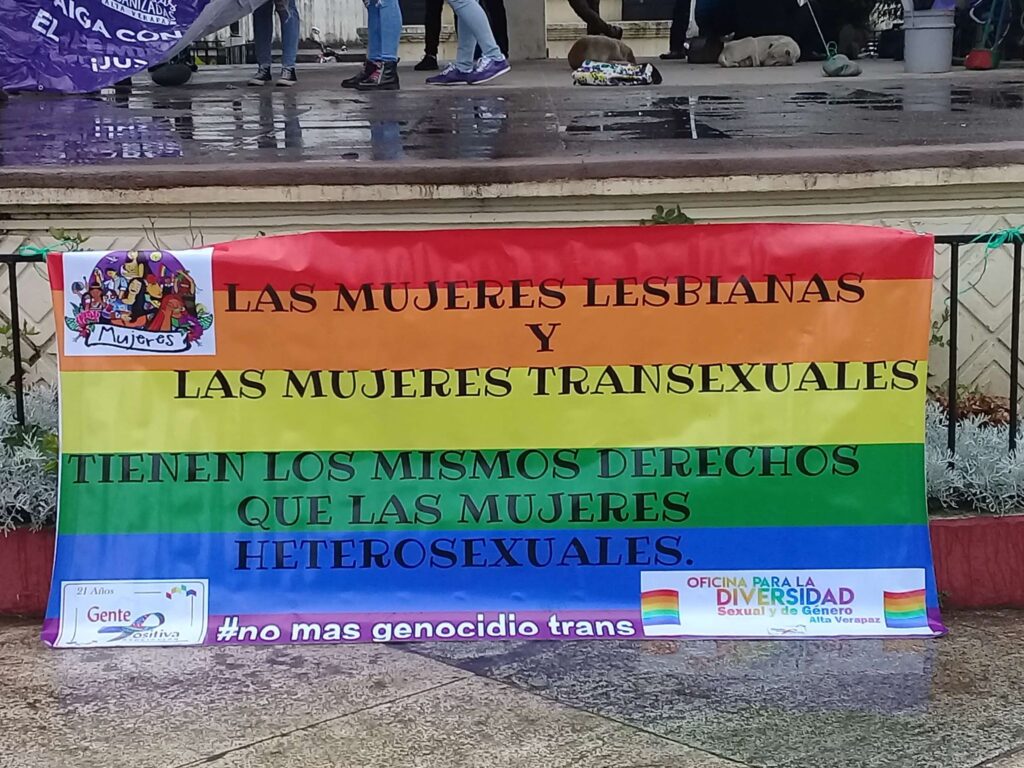
July was characterized by the struggles of indigenous peoples and the +LGBTIQ+ community to take to the streets with the Plurinational Strike, protesting the mismanagement of the pandemic, storms Eta and Lota, and the corruption of the current government administration.
President Alejandro Giammattei has refused to disclose the beneficiaries of the "Working Capital Credit Fund" program, which was established during the Covid-19 pandemic for small businesses and entrepreneurs. Other programs have also failed to include vulnerable groups, such as the LGBTQ+ community.
To date, Guatemala has only 26.6% of its 16.86 million inhabitants vaccinated against Covid-19 with a complete vaccination schedule .
The Plurinational Strike took place on July 28th and was attended by Indigenous peoples, women, Indigenous women, and the LGBTQ+ community . “It was convened by the Association of the 48 Cantons of Totonicapán, the Indigenous Municipality of Sololá, and various other organizations, in protest against the dismissal of anti-corruption prosecutor Juan Francisco Sandoval, to demand the resignation of President Giammattei and Attorney General Consuelo Porras, and to lay the groundwork for a struggle to achieve a Plurinational State .”
Uncertain institutional records
Meanwhile, a report provided by the Public Prosecutor's Office up to October 31 reported a total of 136 complaints from people belonging to the LGBTI community aggrieved by "crimes" of which curiously 1.4% referred to heterosexual people.
also reports 10 LGBTI people killed as a result of “crimes .” Meanwhile, the computer system of the National Civil Police's Victim Assistance Office (OAV) has handled 17,805 cases, of which only 0.12% are cases involving LGBTI people nationwide.
Henry España, from the Office of the Ombudsman for Sexual Diversity at the Human Rights Ombudsman's Office, told this media outlet that they received 27 complaints of different types of violence, 15 of which were from trans women .
The precariousness of physical and mental health
Andrea Godoy, psychologist and co-founder of the Lambda Psychosocial Care Center, which serves the LGBTQ+ community, told Presentes that this year they served 371 people despite the limitations and challenges generated by the Covid-19 pandemic, such as providing care virtually.
According to the psychology professional, the pandemic affected the LGBTQ+ population in various ways . It made social inequalities more evident in an intersectional way, as this is a historically discriminated population with limited access to healthcare, emotional support, support groups, and decent, formal employment.
In turn, the imminent increase in violence directed at this group generated an increase in cases of anxiety, depression, among other emotional conditions that have a psychosocial origin, the professional indicated .
Meanwhile, the Otrans Queens of the Night Organization indicates in a citizen monitoring of the public health system that in its 12 Health Directorates (DAS), only 9 attended to a 25% trans women population .
There is a high probability that their gender identity was violated when they requested an identity document and there is no gender identity law, and consequently they were incorrectly registered in the system.
Milestones
On March 15, members of the ruling party in Congress, with the support of President Alejandro Giamattei, invited Agustín Laje – an Argentine speaker who dedicates himself to dismissing and attacking the struggles of the LGBTIQ+ community and feminists – to the conference “The impact of the globalist agenda on Guatemalan culture and politics.”
There she spoke about “LGBT feminism”, “gender ideology” and the “abortionist agenda in Latin America”, this conference was held at the facilities of the Congress of the Republic in the Hall of the People.
emblematic transfemicide
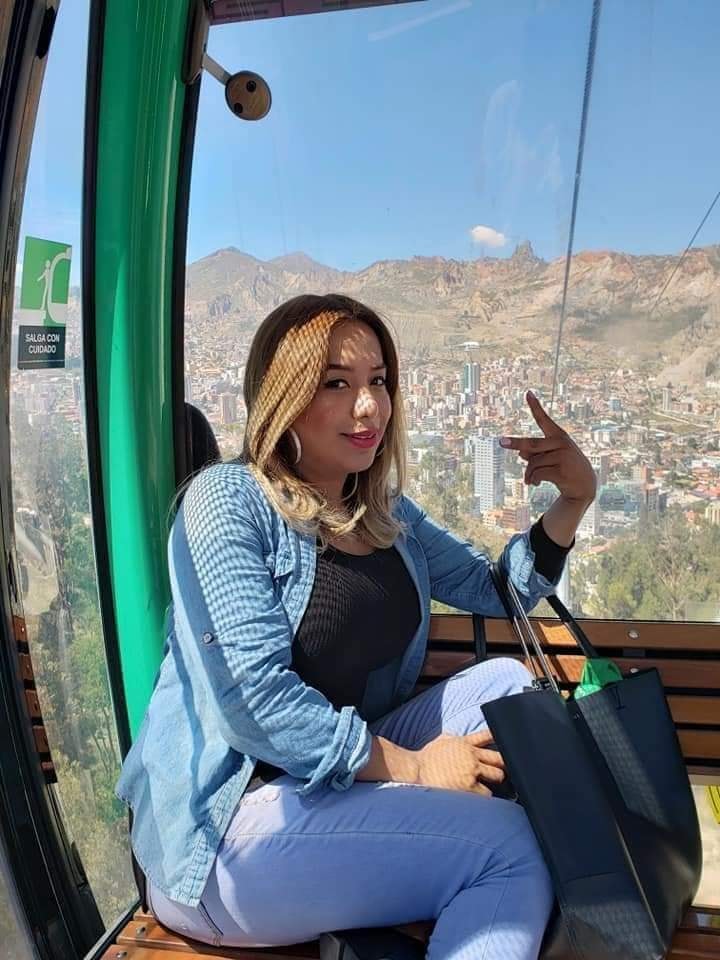
Andrea González Mutz, a 28-year-old trans activist, president and leader of the organization Otrans Reinas de la Noche, was shot and killed .
The paramedics who attended to her were the first to violate her gender identity by insisting to doctors at the entrance of the hospital emergency room that Andrea "was a man".
A joint effort in search of solutions
In September, with the support of Congressman Aldo Dávila, the Intersectoral Committee for the Containment of Crimes Due to Prejudice Based on Sexual Orientation and Gender Identity was established.
The space is made up of the Public Ministry, the National Civil Police, the Judicial Branch, the Office of the Ombudsman for Sexual Diversity of the Human Rights Ombudsman; the General Directorate of the Penitentiary System, the National Registry of Persons and the Ministry of the Interior.
Its objectives aim to coordinate government institutions around the containment of violence based on prejudice due to sexual orientation and gender identity , as well as the generation of tools and processes that contribute to this.
Observatory for Violent Deaths in Guatemala
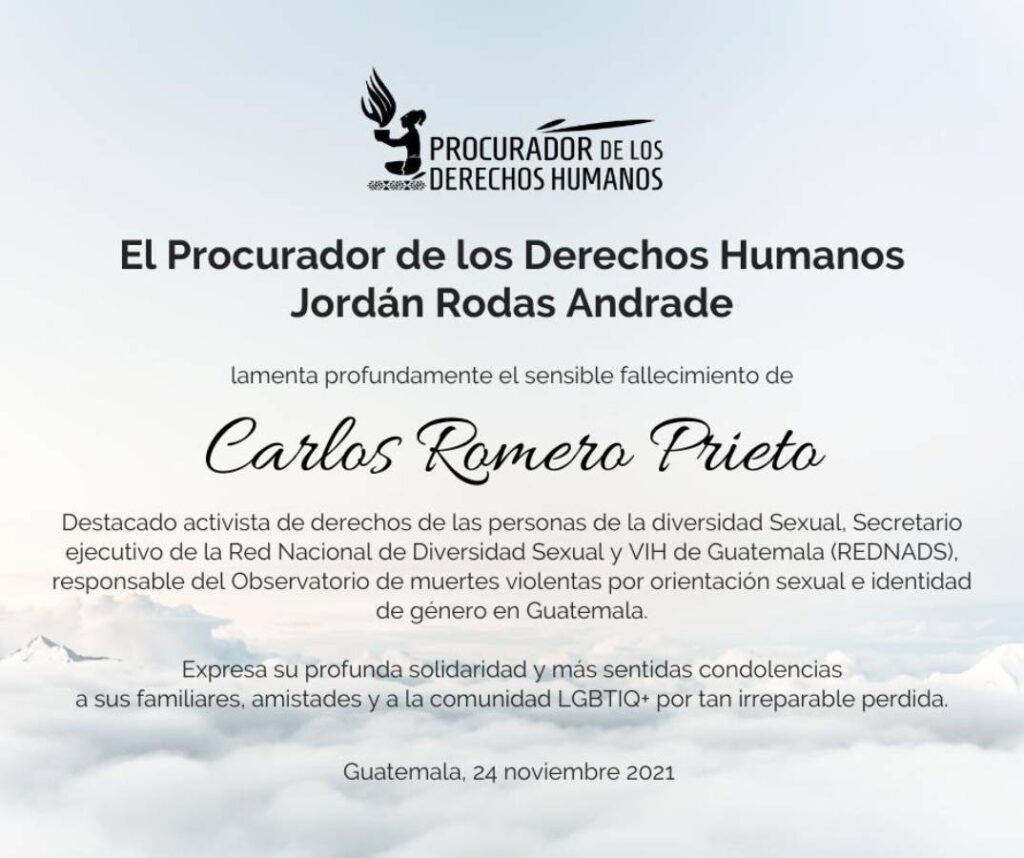
Due to health complications, Carlos Romero Prieto, a renowned activist and Secretary of the National Network of Sexual Diversity and Coordinator of the Observatory for Violent Deaths in Guatemala, passed away on November 24.
The LGBTQ+ community, civil society organizations, family and friends have expressed their condolences, including the Human Rights Ombudsman, Jordán Rodas Andrade.
A law that violates rights
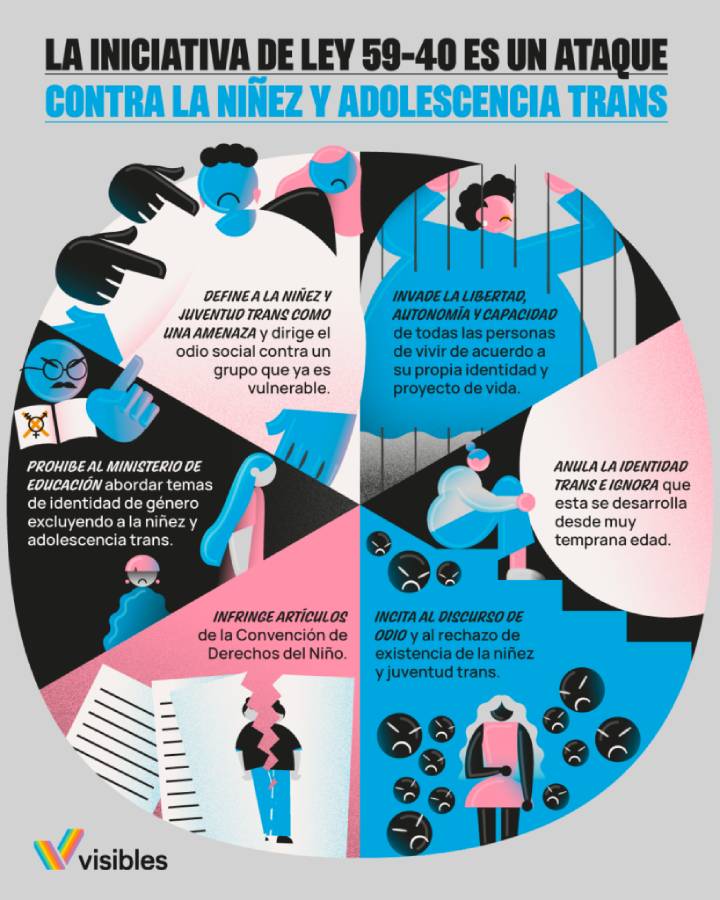
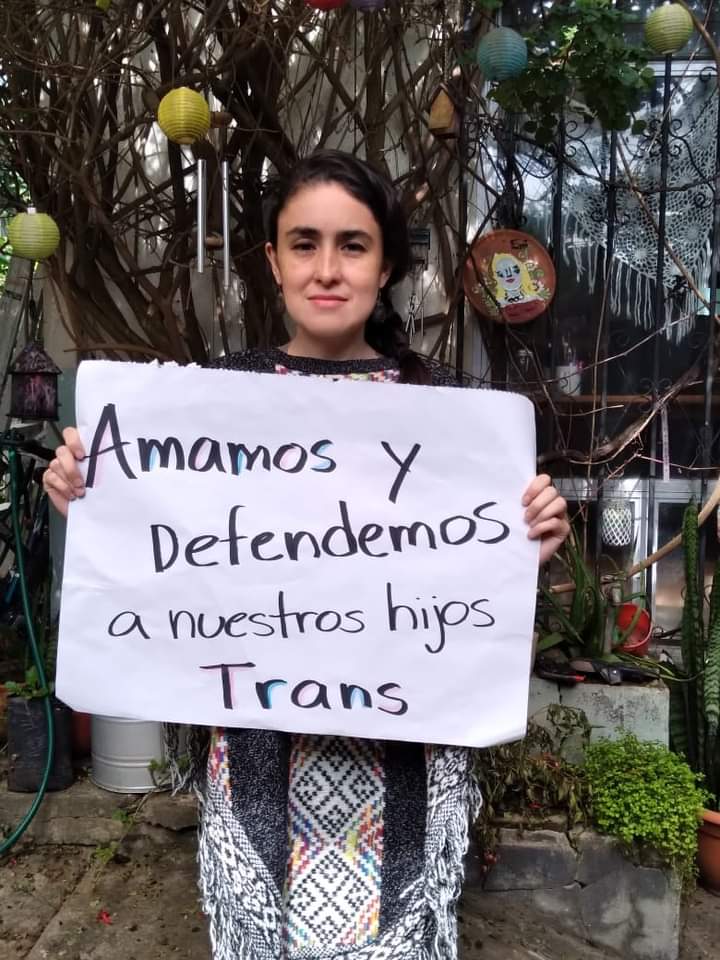
Currently, sectors of the Guatemalan government are seeking to approve a project against trans children and adolescents.
The "Law to guarantee the comprehensive protection of children and adolescents against gender identity disorders 5940" proposes to remove the right to self-determination of gender identity from trans children and adolescents.
The idea is to reform several articles of the "Comprehensive Protection of Children and Adolescents Law" among other laws in the country that have ratified international agreements.
The bill received a favorable opinion from the Education and Technology Committee and needs 105 votes in three readings in the Plenary of the Congress of the Republic to come into effect.
What does the bill propose?
Initiative 5940, which has already received a favorable opinion, seeks to "guarantee" children and adolescents "the effective fulfillment of the right of children and adolescents to self-identity according to their sex at birth, thus safeguarding their identity and sexual integrity”.
The proposal, through the reform of several articles of the aforementioned law, seeks to:
– To prohibit transgender children and adolescents from freely expressing their gender identity . (Article 14. Identity. Comprehensive Protection of Children and Adolescents Act)
– Prohibit comprehensive sex education through printed, visual, electronic or audio material that addresses gender identity and sexual orientation. (Article 59. Protection. Comprehensive Protection of Children and Adolescents Act)
– Prohibit the dissemination to minors of information related to sexual orientation and gender identity through shows or programs . (Article 60. Media. Comprehensive Protection of Children and Adolescents Act)
-Recommends: “To ensure that public or private institutions that care for children and adolescents whose rights are threatened or violated respect and restore these rights, especially their right to life, security, cultural identity, identity according to their sex at birth, customs, traditions and language, and provide them with comprehensive and dignified treatment.” (Article 76. State Obligation. Comprehensive Protection of Children and Adolescents Law)
We are present
We are committed to journalism that delves into the territories and conducts thorough investigations, combined with new technologies and narrative formats. We want the protagonists, their stories, and their struggles to be present.
SUPPORT US

FOLLOW US
Related notes
We are present
This and other stories are not usually on the media agenda. Together we can bring them to light.