

Indigenous people, farmers, and LGBT people in Guatemala held a historic plurinational strike
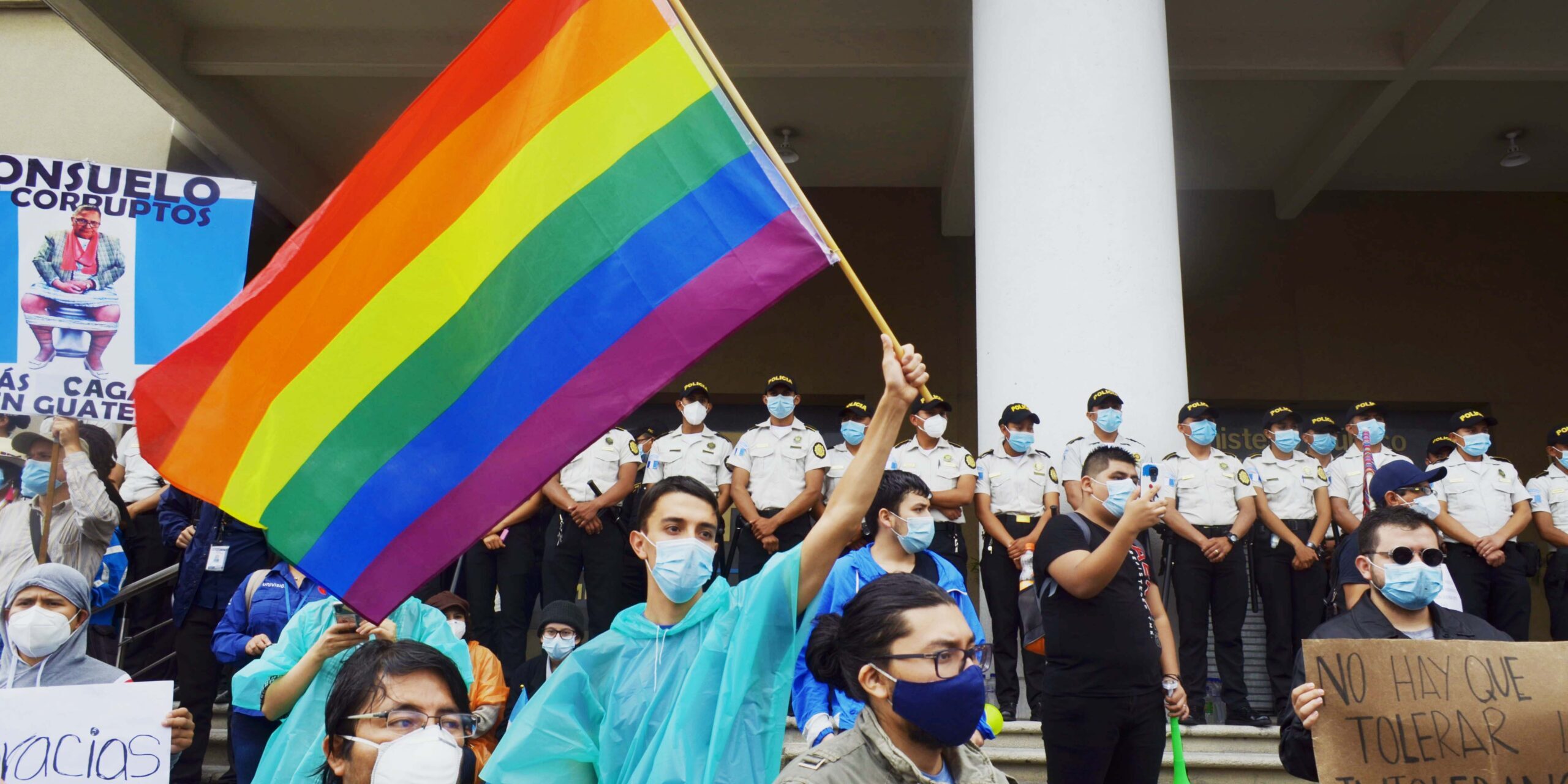
The main demands of the strike focused on the corruption of the current government, the "mismanagement" of the pandemic, the increase in prices of basic foodstuffs, and the exclusion of indigenous populations from impactful public policies.


Share

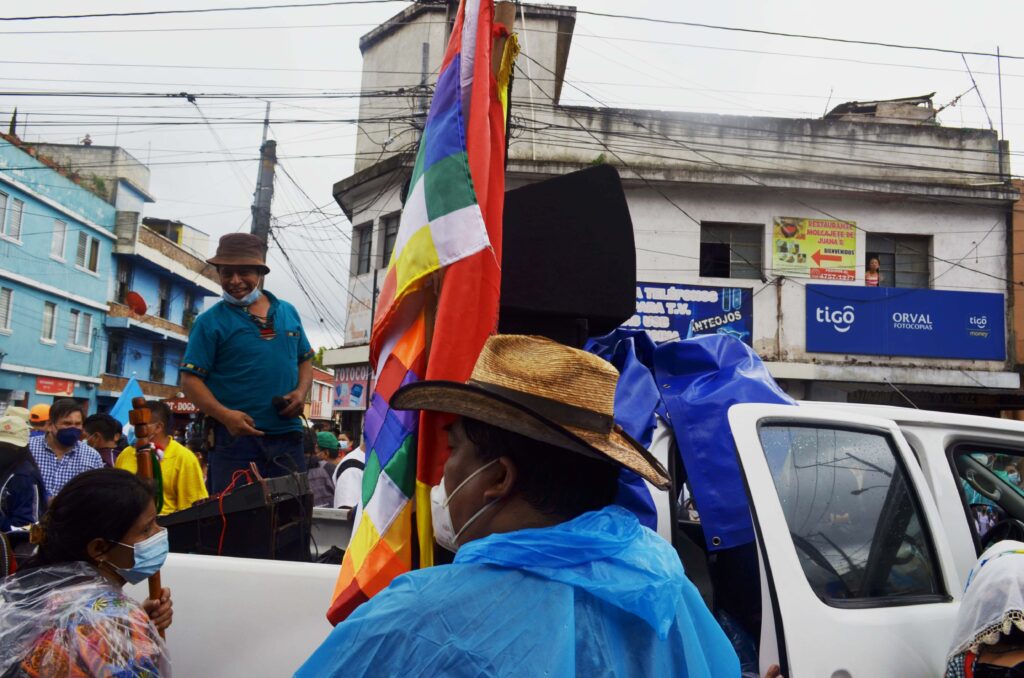
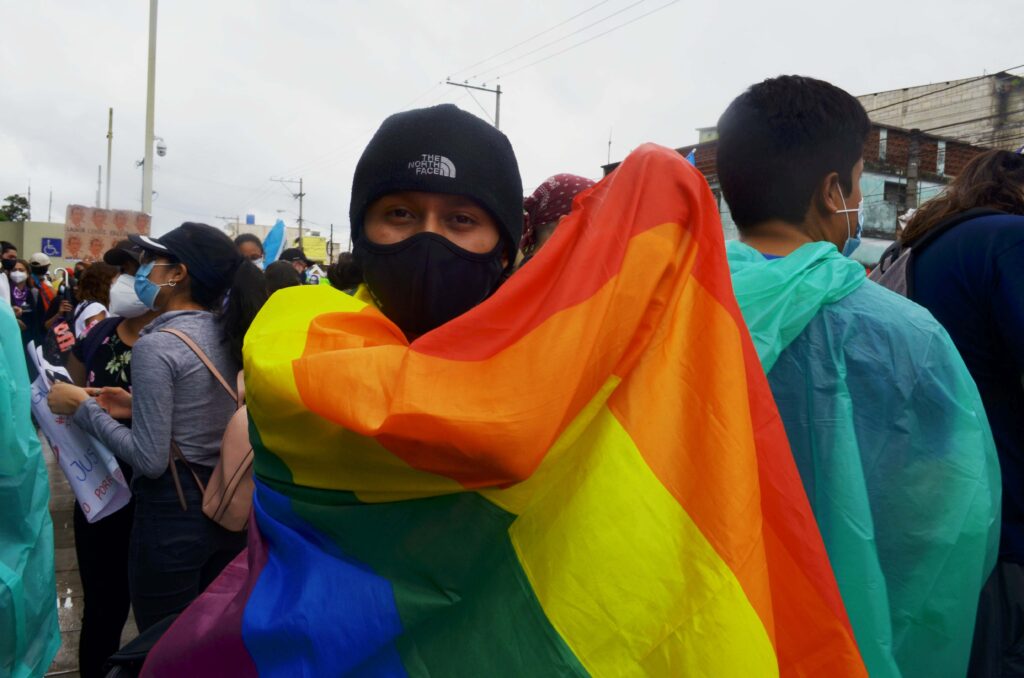
On Thursday, July 28, Guatemala experienced a historic event: a plurinational strike led by Indigenous peoples against the government of President Alejandro Giammattei. Various sectors of civil society participated, primarily Indigenous peoples and women, but also LGBTQ+ organizations and independent individuals. It was convened by the Association of the 48 Cantons of Totonicapán, the Indigenous municipality of Sololá, and several other organizations, in protest against the dismissal of anti-corruption prosecutor Juan Francisco Sandoval. The strike demanded the resignation of President Giammattei and Attorney General Consuelo Porras, and aimed to lay the groundwork for a struggle to achieve a plurinational state.
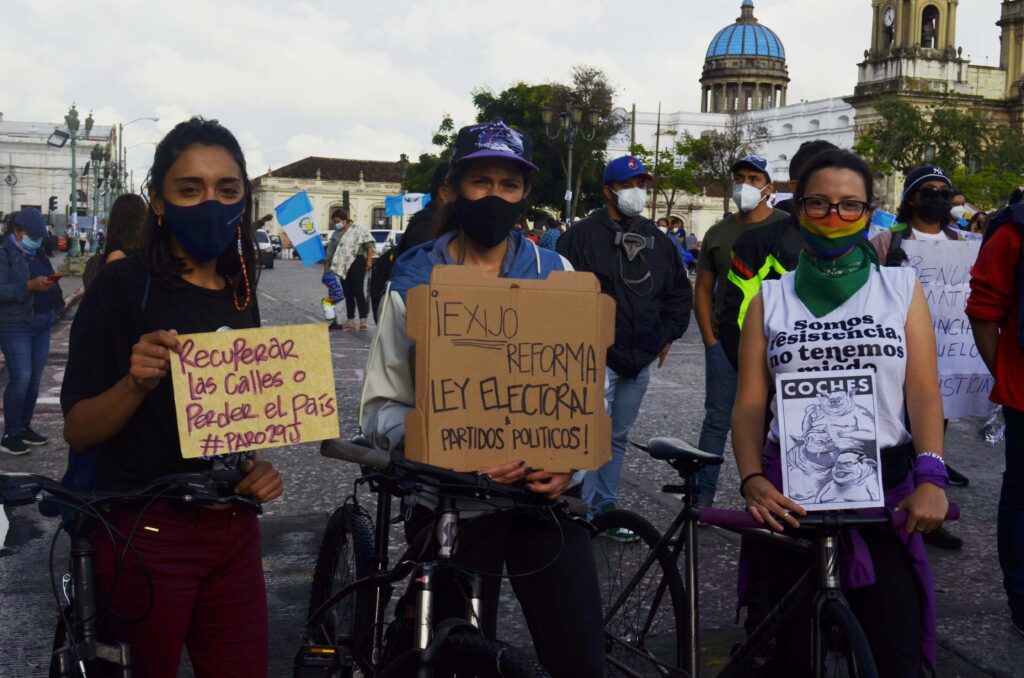
The Plurinational Strike “had two profound objectives,” Ana López, a Mayan lawyer and former executive director of the Office of the Ombudsman for Indigenous Women, explained to Presentes: “One was the protest against the illegal dismissal of former prosecutor Juan Francisco Sandoval by the current Attorney General of Guatemala (Porras), given that the former prosecutor had maintained an independent and highly objective stance in the investigation targeting officials involved in acts of corruption. The other objective was against the government, specifically the President of the Republic, for dereliction of duty.”

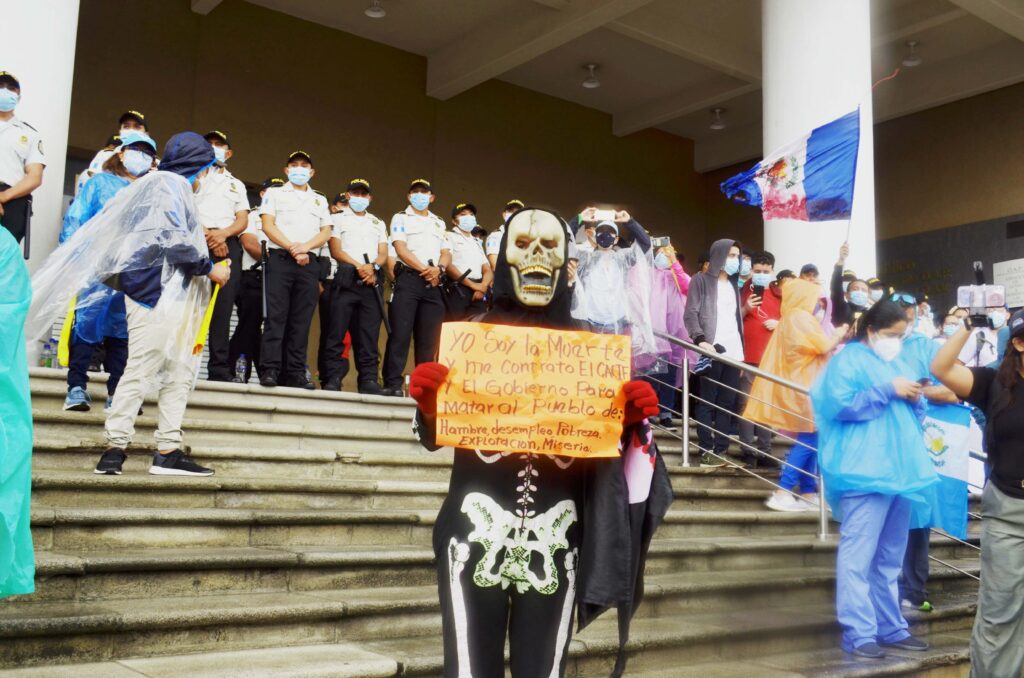
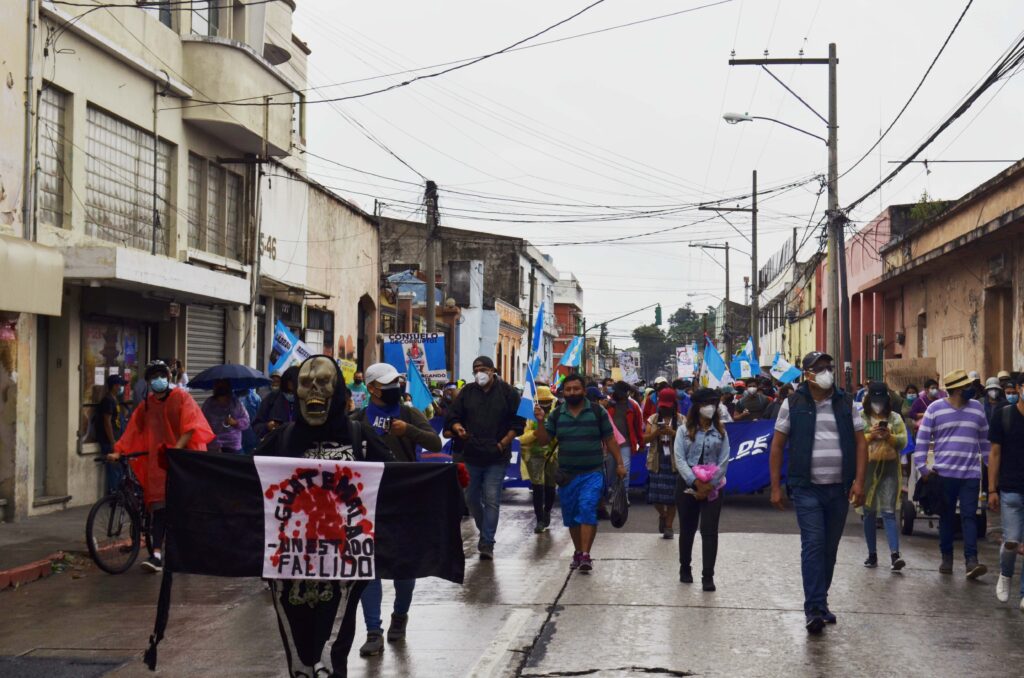
Starting at 4:00 a.m., blockades began at various access points to the nation's capital, Guatemala City. The call to mobilize there was scheduled for 6:00 a.m., and participants marched from Morazán Park to the Public Prosecutor's Office, and from there to Constitution Square, also known as Plaza de las Niñas (Plaza of the Girls) in honor of the 41 girls and teenagers who died in the fire at the Virgen de la Asunción home in 2017. The protest was persistent despite the rain that accompanied the day and was replicated in various departments where there is a presence of Indigenous organizations.
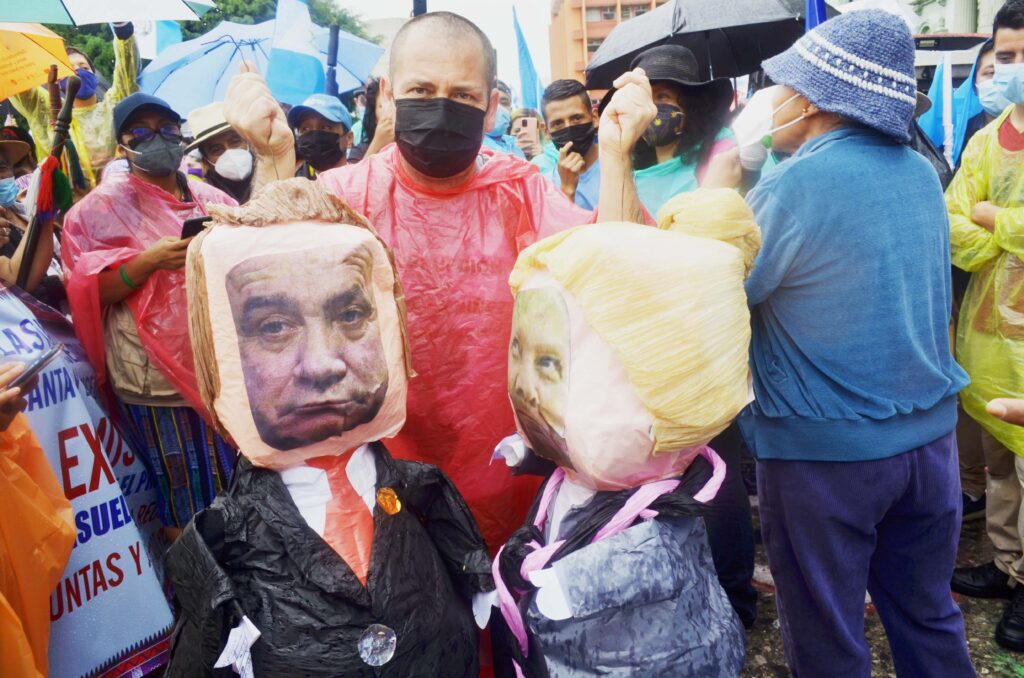
Peasants and indigenous people against corruption
The main demands of the strike focused on the corruption of the current government, the “mismanagement” of the pandemic, the increase in prices of basic foodstuffs, the “poor response” to the storms Eta and Iota in 2020 and the exclusion of indigenous populations from impactful public policies.
López explained that the added value of this mobilization is that “the farmers, the Indigenous people, the Indigenous women took to the streets to denounce the acts of corruption because they are the cause of extreme poverty in the communities: there is no access to healthcare, no access to education, there are no roads throughout Guatemala, and budgets disappear .” She also emphasized that the action was not directed solely at President Giammattei, but also at local authorities, specifically the mayors.
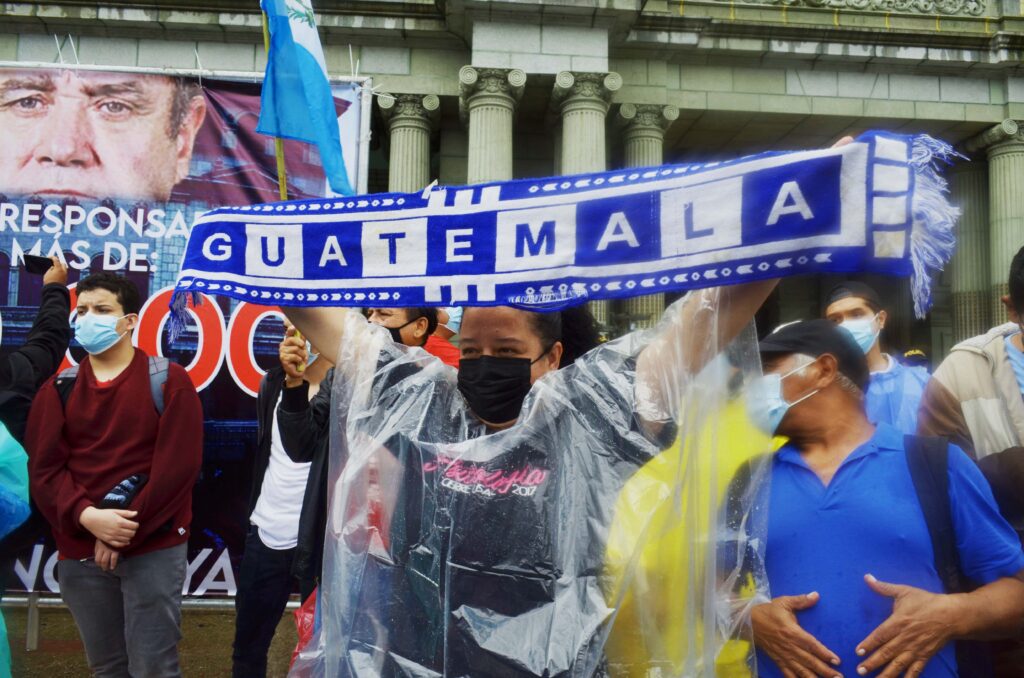
The plurinational strike of July 29th took place within a context of mobilizations that recently began and will continue, according to participants. These actions are part of a process in which, primarily, Indigenous peoples are demanding a new plurinational constituent assembly in the country, which proposes a new form of state that takes into account historically excluded sectors.
“More than 150 bald men”
During the recent protests, a movement emerged that has gained prominence: the “ more than 150 baldies .” In response to the protests, President Alejandro Giammattei had stated that those demonstrating against him in the Plaza de la Constitución were only about “150 baldies.” The public adopted this phrase and embraced it as a rallying cry to demonstrate that there are many more of them, and some even shaved their heads in the plaza as a symbol of their resistance.

In this context, on July 23, Attorney General Consuelo Porras dismissed the head of the Special Prosecutor's Office against Impunity (FECI), Juan Francisco Sandoval, which for Carlos Romero Prieto, executive secretary of the National Network of Sexual Diversity and HIV of Guatemala (REDNADS), was "the last straw".
In this regard, Romero Prieto highlighted other grievances that have pushed the Guatemalan people to their breaking point. One of them is the “mismanagement of the pandemic.” “ Only 10% of the population is vaccinated, and 75% of the country is on red alert due to the high number of cases. Furthermore, the already deficient hospital system is now even more overwhelmed, and no hospital is accepting patients because there is no more space. In this context, it is outrageous to learn that the few vaccines that are arriving are donations,” explained Romero Prieto, who is also a member of the International Lesbian, Gay, Bisexual, Trans and Intersex Association for Latin America and the Caribbean (ILGALAC).
For Ana López, “the poor, Indigenous populations, and Indigenous women are not a priority on the agenda of those in power.” To demonstrate this, she explained: “We have legislation that guarantees the rights of Indigenous peoples, that guarantees the rights of women, we also have public policies related to the comprehensive development of women: the problem here is that there is no political will at either the national or local level to implement them.”
That is why, López explained, “there has been talk of abolishing the Constitution and creating a new one, one that comes from the perspective of Indigenous peoples and Indigenous women in Guatemala. That is our great challenge. That is why our dream is a plurinational constituent assembly process.”
Along these lines, Romero Prieto added that in Guatemala there is “a very superficial view of protection for indigenous communities” and that “there is a very strong policy of dispossession of territories in which large corporations have appropriated land for massive agriculture.” “Indigenous peoples are increasingly marginalized and there is no protection for them,” he emphasized.
He also emphasized that “there is a lot of criminalization of land defense.” He asserted that last year “an enormous number, more than twenty, of land defenders were killed,” adding that in 2020, six LGBTQ+ defenders were also murdered: “something we hadn’t experienced before,” Romero Prieto explained.

We are present
We are committed to journalism that delves into the territories and conducts thorough investigations, combined with new technologies and narrative formats. We want the protagonists, their stories, and their struggles to be present.
SUPPORT US

FOLLOW US
Related notes



We are present
This and other stories are not usually on the media agenda. Together we can bring them to light.