

Migrating and surviving transphobia in Guatemala: Maryorie's story
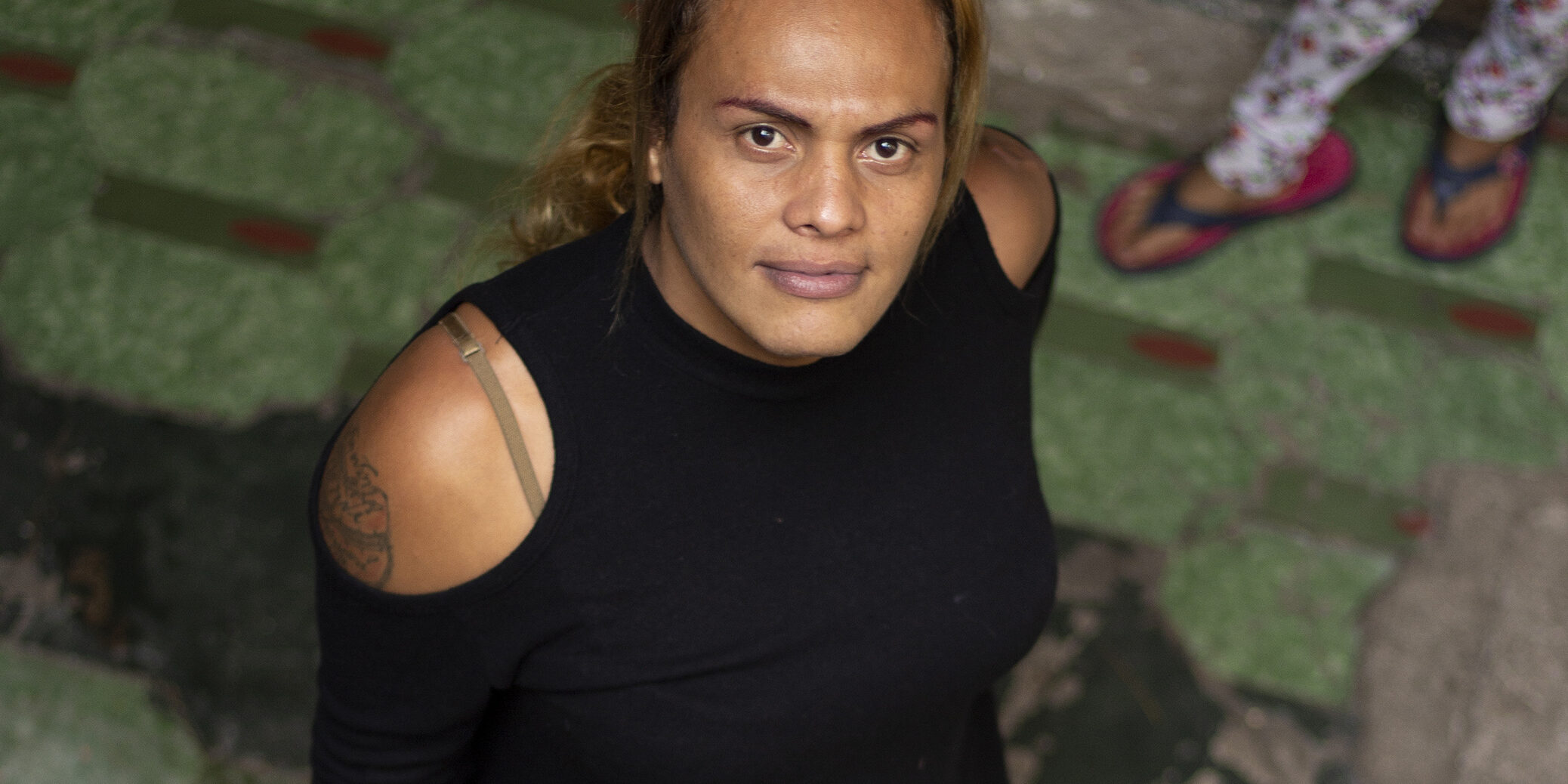
Maryorie Alonso is a Honduran trans woman who has lived in Guatemala for more than a decade and denounces the lack of recognition of her legal status.

Share

By Florencia Goldsman, from Guatemala
Photos: Huayra Bello
In the last month, thousands of migrants who entered Guatemala on foot, on their journey to the United States, were repressed by the police who launched tear gas and by the military who beat those who insisted on pushing forward.
These images, which have circulated in the media in recent weeks, recall all the caravans traceable back to the 1970s and the story of Maryorie Alonso de Sousa, a Honduran trans woman who has lived in Guatemala for more than a decade and denounces the lack of recognition of her legal status by the authorities.
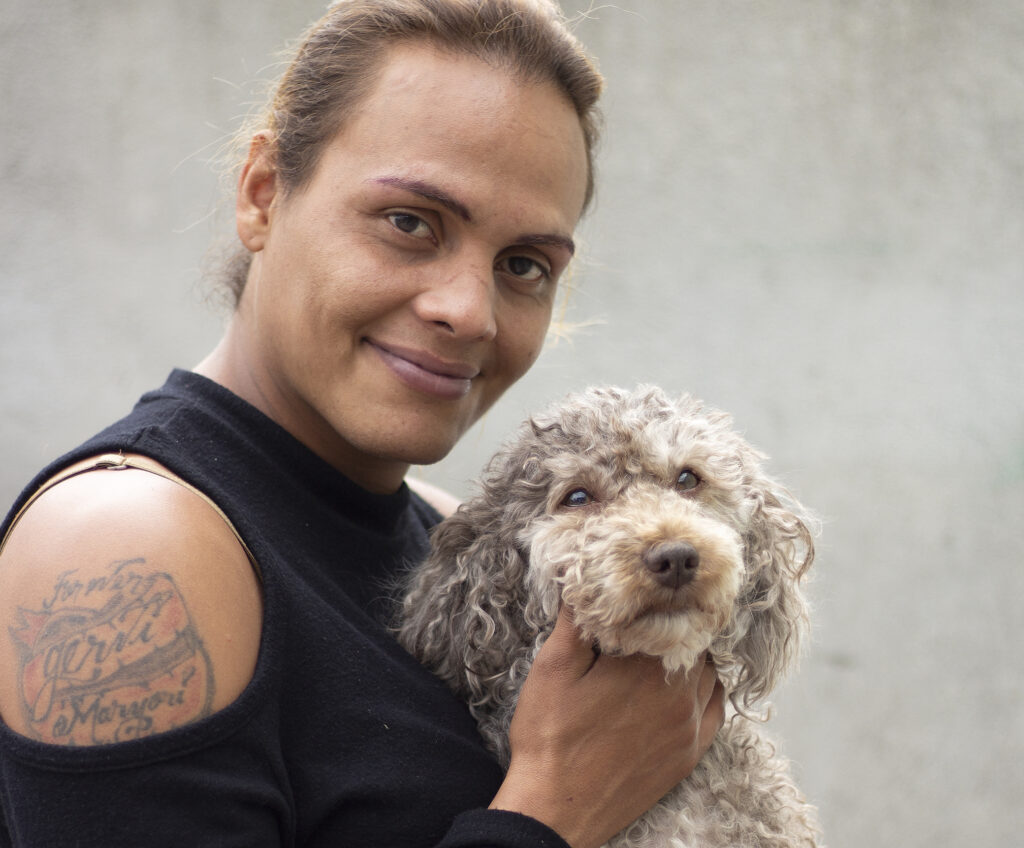
Maryorie walks with her crutch, dragging one of her paralyzed legs. Her gait conveys the force of a whirlwind despite the metallic appearance that carries with it violent memories. “When I left my country, I said I wasn’t going to take anything with me, right? Because I didn’t know what was coming. I did know what I was coming for: to work, to better myself. My goal was to help my family so that my siblings could improve their lives. I am a member of the LGBTQ+ community. I am 37 years old, and I would like to tell the Guatemalan people that enough is enough with so much discrimination and so many stigmas,” she tells Presentes.
For Carlos Valdés, executive director of Asociación Lambda, LGBTIQ migration becomes very complex in the caravans because they usually travel in mixed groups. “The LGBTIQ+ population becomes invisible because they are a population that is actually fleeing for other, more complex reasons. Persecution based on gender identity or sexual orientation are factors that truly put their lives at risk when migrating within the caravan. The problem is that this vulnerability is hidden from the crowd, and therefore they cannot access the international protection to which they are entitled.”
During the first months of the COVID-19 pandemic, Maryorie was working as a sex worker in one of the region's most violent cities when an unknown person ran her over with a car. It was July 16, 2020: “A young man came up to me and demanded extortion money. He said, ‘Since I was Honduran, he wanted me to pay him 1,000 quetzales just to stand on a corner.’ I told him I didn't have that kind of money. He insisted I give him 250 quetzales a week. And I told him, ‘Look, I'm not going to give you anything because we're in the middle of the COVID-19 pandemic.’ The man backed up, and I thought he was gone. But what did he do? He just waited for me to turn around and ran me over with his car, intending to kill me.”
According to data from the report “Stop Killing Us – Regional Report 2019/2020” prepared by RedLacTrans during the course of the COVID-19 pandemic, and with the quarantines applied in Latin America and the Caribbean, “gender violence and transfemicides have increased dramatically; mandatory isolation and curfews have been the opportune context for a situation of extreme violence experienced by (cis) women in the region, especially Trans women.”
The same report confirms that the majority of violent incidents (53.5%) occur in public spaces or in areas where sex work takes place. The perpetrators of violence and hate crimes are identified primarily as law enforcement officers (12.6%), clients (7.1%), criminal groups (6.3%), and partners (5.9%).
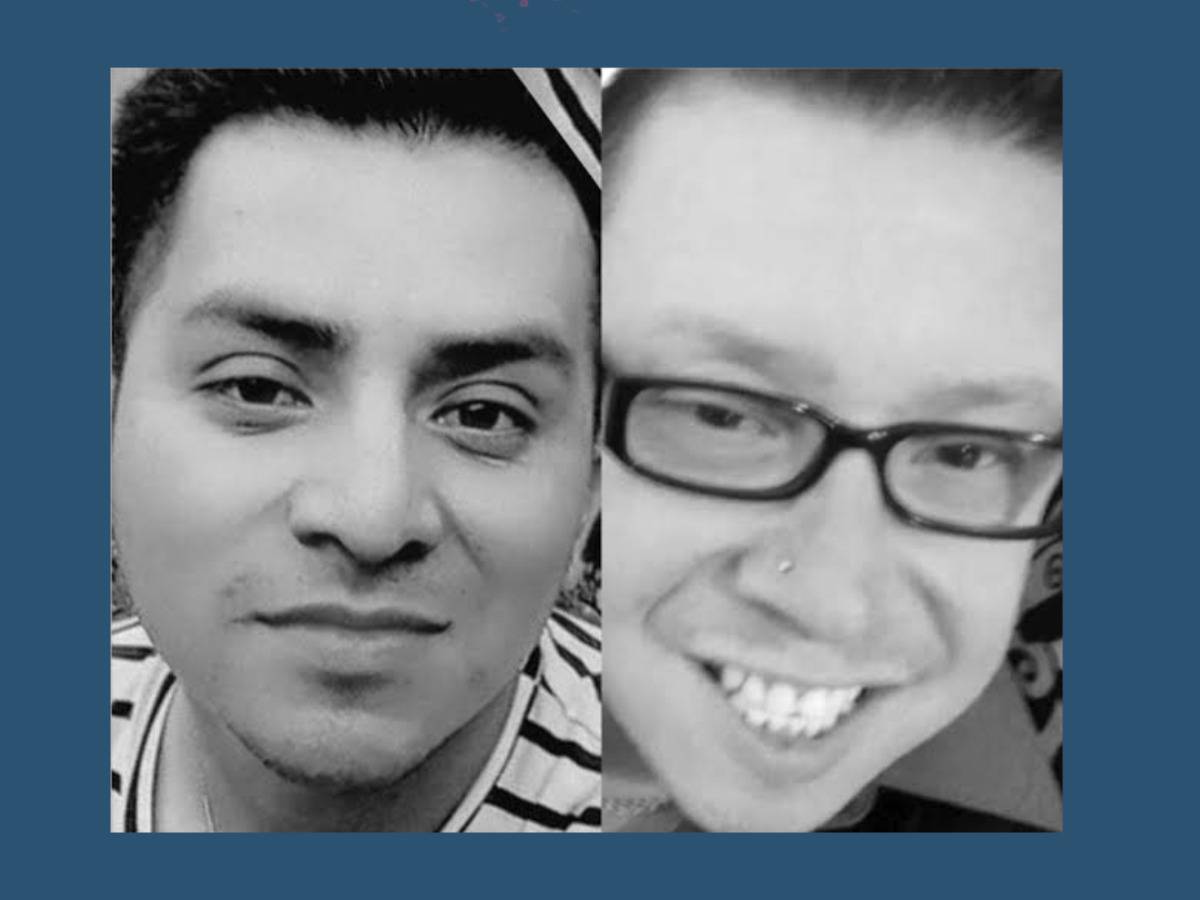
As reported by Agencia Presentes in a report by journalist Pilar Salazar, Guatemala “continues to be one of the Northern Triangle countries most affected by hate crimes, the crisis caused by the Covid-19 pandemic, and Tropical Storms Eta and Iota.” Last year, the first transphobic murder occurred on January 1, 2020, with the case of Jennifer Ávila, a trans woman, who was sexually assaulted and stoned to death. On January 10 of this year, another transphobic murder was recorded, in which a probable sexual assault and stoning of Avigail Morales. She was killed in Zone 1 of the department of Escuintla.
Nobody is illegal and we all have the right to health
Maryorie spent 13 days hospitalized after the attempted murder on the street. “When I was released, they discharged me due to COVID-related risks. Through an organization called RedMuTrans, I filed a complaint. When we arrived at the 11th police station, they told us the man had already paid bail and left. They released him. Just like that: they arrested him, he paid bail. We asked if there was a requirement, a document, if they could give us access to the person's name to file the complaint, and they denied it. Why? Because we are an LGBTQ+ group. They called us faggots[1], they used those exact words. The police officers there said, 'You have no law here. The law doesn't exist for you here.' It's a huge discrimination they committed against us.”
Maryorie comes from Honduras with a dream: to study to become a veterinarian. All the bureaucratic barriers and discrimination kept her from her goal until very recently when a local LGBTQ+ organization offered her legal assistance to expedite her paperwork at the Guatemalan Migration Institute. “I can’t even study because they won’t accept me; they say I’m a foreigner. I can’t work because I don’t have the paperwork, I don’t have a permit from the Ministry of Labor that would allow me to work. The only option I had was to end up on the street prostituting myself to survive. But now that I’m getting my documents, I hope that I can be given that opportunity too, because I’m a human being too. I have the right, like all other human beings, to have a job, to have a dignified life. To have the right to health, right?”
Maryorie's account of her experience with healthcare reflects the reality for many LGBTQ+ migrants who, once settled in a new place, face direct discrimination. In her case, the lack of a national identity document (DPI) hindered her access to prompt and effective care. “Even in the public healthcare centers here, we are vulnerable. They know I'm a foreigner because my file says I'm Honduran, and the doctors are always very aggressive.”
Possible futures
Maryorie is currently recovering from a foot injury, though there's a good chance she'll live with a physical disability in the future: “I can't work because I've looked for jobs, and people, seeing me with my foot protector, tell me, ‘We can't hire you because you'll hurt yourself and sue us.’”
She says she'd like to work in a beauty salon because she “has a good way with customers.” But her true dream is to be a veterinarian and rescue animals like her dog, Colocho. “Right now, I don't have any support from anyone. I have to pay 900 quetzales for a house, and I have to go out and beg in the streets to pay for it and food. I have to pay for water, electricity, cleaning, and I always have to use crutches. There are days when I don't even want to get up because my foot swells up from walking so much. People ask me, ‘Why are you going out?’ And I explain: ‘I don't have anyone who can help me right now.’”
This isn't the first time Maryorie has escaped death. A few years ago, a client tried to kill her, and today she bears a noticeable scar on her neck. "A client told me that if I wasn't for him, I wouldn't be for anyone." Despite all the hatred, we finished the interview, and Maryorie's message was very clear: "For me, a person who discriminates against you because of who you are does so because they feel resentful inside. Because they don't really know what kind of person they are. On the other hand, at least I learned and came to know that I am an LGBTQ+ person. That today I am here as a proud and whole LGBTQ+ person. I learned to listen better. We are all equal, and no one should be discriminated against because they are from another country or another place. It's time we had the same rights as everyone else, right?"
We are present
We are committed to journalism that delves into the territories and conducts thorough investigations, combined with new technologies and narrative formats. We want the protagonists, their stories, and their struggles to be present.
SUPPORT US

FOLLOW US
Related notes
We are present
This and other stories are not usually on the media agenda. Together we can bring them to light.