

Tristan and the Days to Come: The documentary that portrays what it's like to be a trans teenager
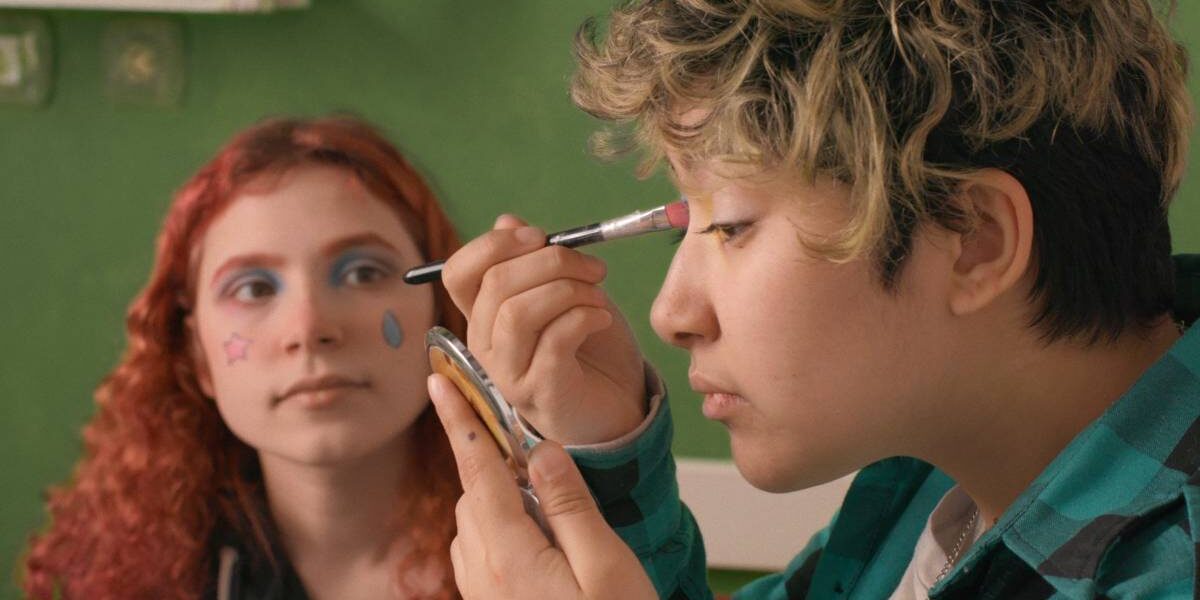
Tristan and the Days to Come chronicles, in a documentary style, the gender transition of a teenager between the ages of 14 and 22. The film by Gabriela Uassouf and Martina Matzkin portrays the crucial role of support from family and friends, the impact of the political context, and the urgent need to protect the rights of transgender children and adolescents.


Share

BUENOS AIRES, Argentina. The everyday is political. That's one of the ideas that emerges in Tristán and the Days to Come, a documentary by Gabriela Uassouf and Martina Matzkin. The film follows Tristán Miranda for eight years in his gender transition. The record begins when he is 14 and ends now that he is 22. It is presented as a "growing-up portrait." And that encompasses his process and that of those who accompanied him during those years of searching for his own gender expression.
“Is it clear that I’m aware that for me to have gotten this far, there were a lot of people who fought incredibly hard before me?” Tristán asks Agencia Presentes after the post-screening discussion. The film captures two completely different political contexts. His growth and transition unfold against the backdrop of the pandemic, the economic crisis, a change of government, and attacks on the rights of LGBTQ+ people, particularly transgender people.
Laughter, tenderness, and also fears structure the story and life. “The great exceptionality of this film,” explains Rocío Pichirili, the film's producer, “is that Tristán was supported by his family, his school, his friends, and above all, at that time, by the State. At some point, this changes, and Tristán understands that he must go out and defend many things that, until then, had been guaranteed.”.
The filmmakers, who also directed Cuidadoras (Caregivers), offer an unbiased and powerful look at the development of transgender adolescents and the need for enforced legislation. The documentary premiered commercially on June 18 at the Gaumont Cinema in Buenos Aires.
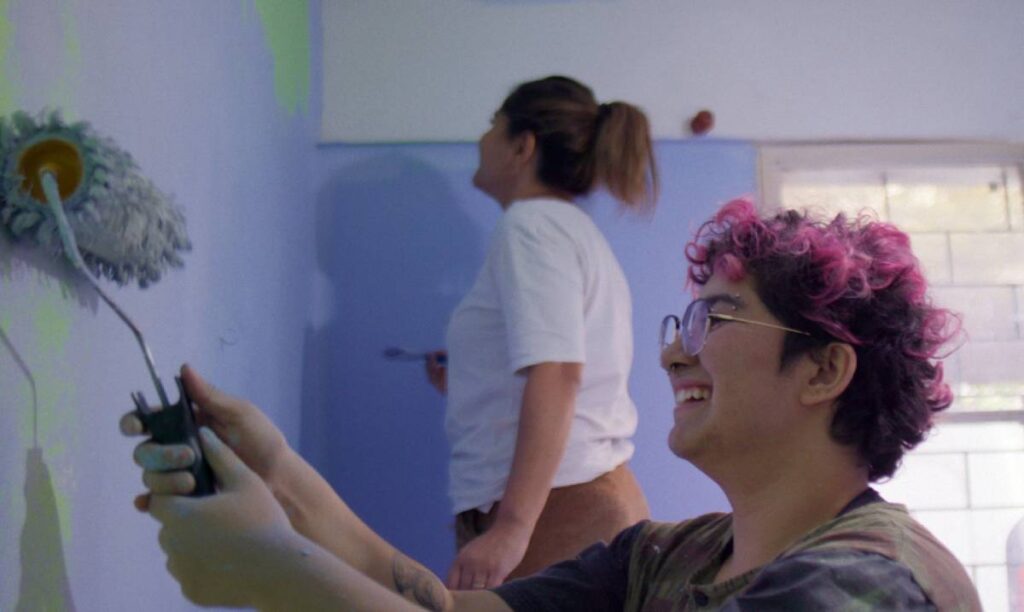
“Tristan because it comes from 'tristan' (sad). To feel happiness, you also have to feel sadness,” the 15-year-old tells his mother, Virginia, at the civil registry. They are going through the process of changing their name, which “wasn't as easy as it looks there.”.
He says that because of his relationship with the directors, he didn't feel invaded, even though the film takes very personal moments from his life: the change of registration, the arrival of the identity document with his chosen name and the beginning of the hormonal treatment.
“We always discussed what we wanted to show and what we didn't. If they suggested filming something and I didn't feel comfortable with it, we wouldn't do it. Or vice versa, many times I would tell them that I thought it would be cool to film something and they would be on board. I felt like it was a project we were doing with a lot of enthusiasm, hoping something beautiful would come out of it,” he recounts. “I would like people to see the documentary with all the love that went into making it, with the people who appear in it. The love for myself and also for the artistry of the craft.”
The virtuous circle: from transition to accompaniment
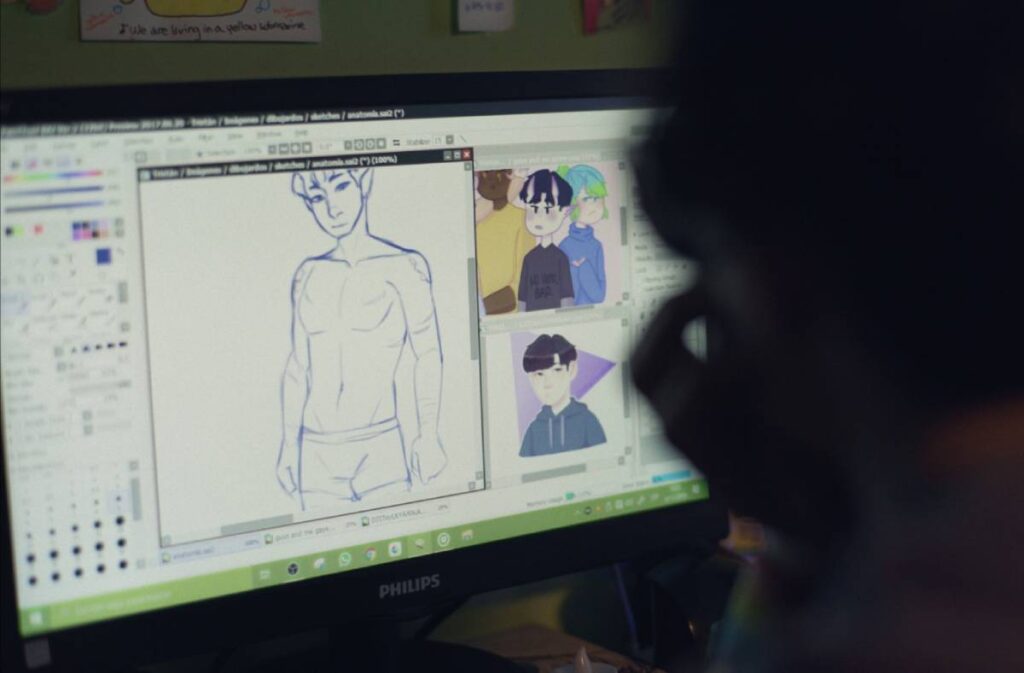
Tristan is an illustrator who dreams of making a living from his art and is studying animation at the National University of La Matanza. During the years he was exploring his gender identity, he reached out to many people for help or advice. Now, they're writing to him.
“My goal has always been to help others, for example, those who are the same age I was when I started the documentary, who are questioning things and don't know what to do. Obviously, everything has changed now, but it's important that they know there's a law that should be followed. However, lately I've also seen many things. People who get their birth certificate corrected but the change isn't properly registered on their ID. That's wrong. I hope this documentary can help in some way,” Tristán says with enthusiasm.
For director Gabriela Uassouf, a virtuous circle is formed. “He would tell us about the role models he had. Or that he had been watching a video about someone's story and had written to them to say that their story had helped him a lot at that moment in his life. Now he is the one who encourages others. It is a community building that transcends this adverse context.”.
Thanks to the Gender Identity Law
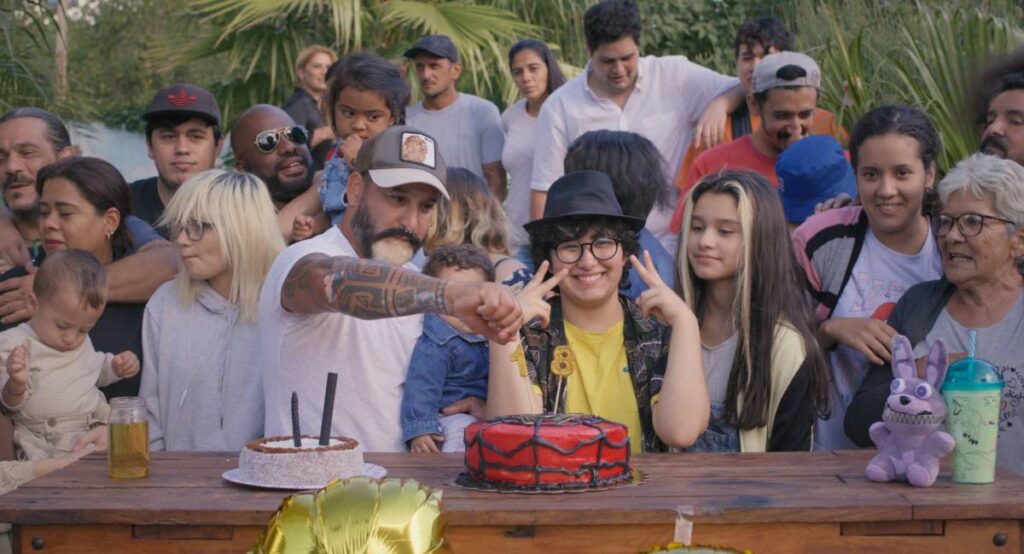
The documentary shows the centrality of the Gender Identity Law in everyday life. It also shows how this film, in this context and with decrees DNU 61 and 62/2025 in effect, would not have been possible.
“At the time Tristán made the legal change, the law protected us,” Uassouf recalls. “There was an institutional framework made up of people behind desks, with varying degrees of awareness about these matters. Tristán knows very well, and his family even better, that every procedure was an act of conscience in front of the other person, to whom it had to be explained in order to move it forward.”.
This process was supported by the Mocha Celis Association. They also provided legal counsel. “When hate speech proliferates, when the institutional framework dismantles, this daily act of awareness becomes much more difficult. Beyond the legal framework, there is the cultural framework in which we operate. This includes the acceptance that others have the right to choose their name, to choose their body. This is as much a part of daily life as the legal framework, and that is what is also at risk today,” Uassof emphasizes.
“Within the same institutions, people who should be obligated to comply with the regulations or with what has been done before, do not do so out of ignorance or simply because they do not accept it. It is terrible for those people and for their families.”.
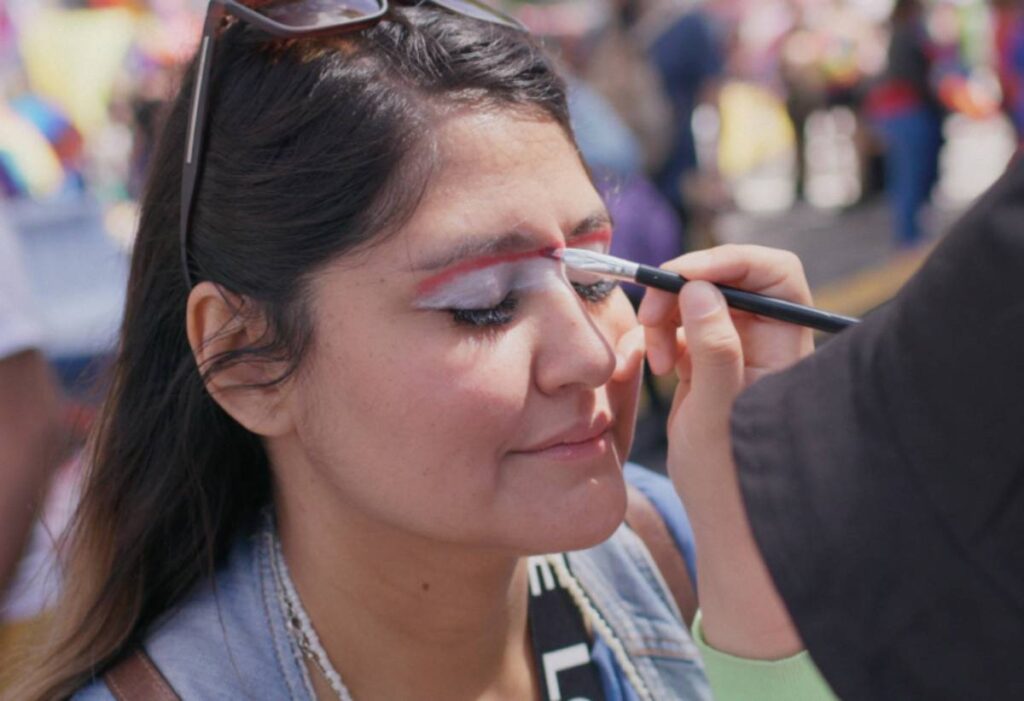
Virginia is Tristan's mother. She lived with him until he turned 18, although last year he had to move back in with his mother for a few months. Tristan recalls: “I don't know if the film conveys that it wasn't so easy for me. It wasn't like we just went and changed our names. Several months passed, we had to get a lawyer, and coordinate appointments for my mom and dad because they both work a lot. He's also going through the process. But they summoned both parents and a child protection lawyer to certify that this child was doing this because he wanted to and not because he was being forced.”.
The conversation between families and generations
The stigma surrounding families with trans children and teenagers is commonplace these days. In Tristan and the Days to Come, Uassouf and Matzkin capture the beautiful dialogues between teenage friends.
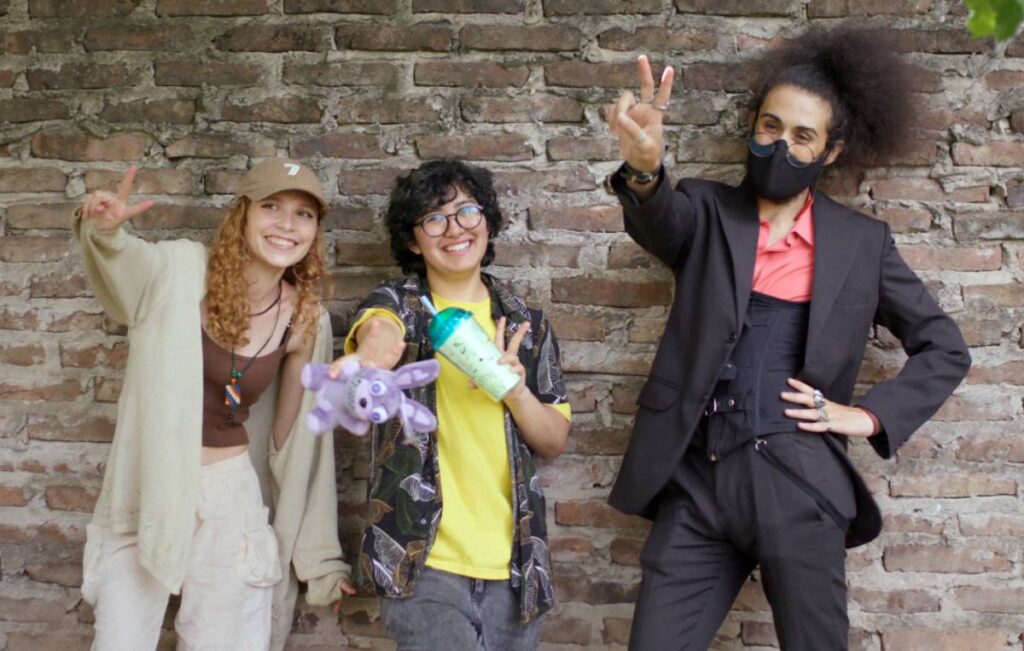
“I was struck by the fact that the mothers and fathers expressed a lot of concerns about the future, about having children, about bodily changes, in contrast to the focus on the present in the teenagers' conversations. It's touching because adults often need that spontaneous perspective more. At the same time, the mothers and fathers approach this with love. I find it incredibly natural and moving,” says Uassouf.
The documentary aims to open this conversation: trans children and adolescents, though many may not want to see it, exist and resist. “The film doesn’t resolve anything, it doesn’t have an answer, nor does it try to be disrespectful to the question about the historical LGBT movement; quite the opposite. It seeks to build a bridge of communication. I think that’s the great task the community has today: to exercise memory so that things don’t happen again.”.
We are present
We are committed to journalism that delves into the territories and conducts thorough investigations, combined with new technologies and narrative formats. We want the protagonists, their stories, and their struggles to be present.
SUPPORT US

FOLLOW US
Related notes
We are present
This and other stories are not usually on the media agenda. Together we can bring them to light.