

Triple lesbian murder in Barracas: two years after the brutal attack, the oral trial arrives
Two years have passed since the triple lesbian murder in Barracas, a hate crime that left only one survivor. The oral trial begins on May 18. Activists are calling for a demonstration to commemorate the date.


Share

BUENOS AIRES, Argentina. Two years after the massacre in the Buenos Aires neighborhood of Barracas, which involved the murder of three lesbians and left Sofía Castro Riglos as the sole survivor, activists, the community, and those affected are preparing for the start of the trial. The three plaintiffs will seek to have the crime classified as a hate crime. Sofía's case will also attempt to prove that it was a case of lesbicide and femicide. A ruling that considers hate based on sexual orientation would set a precedent in the judicial treatment of crimes against lesbians in Argentina.
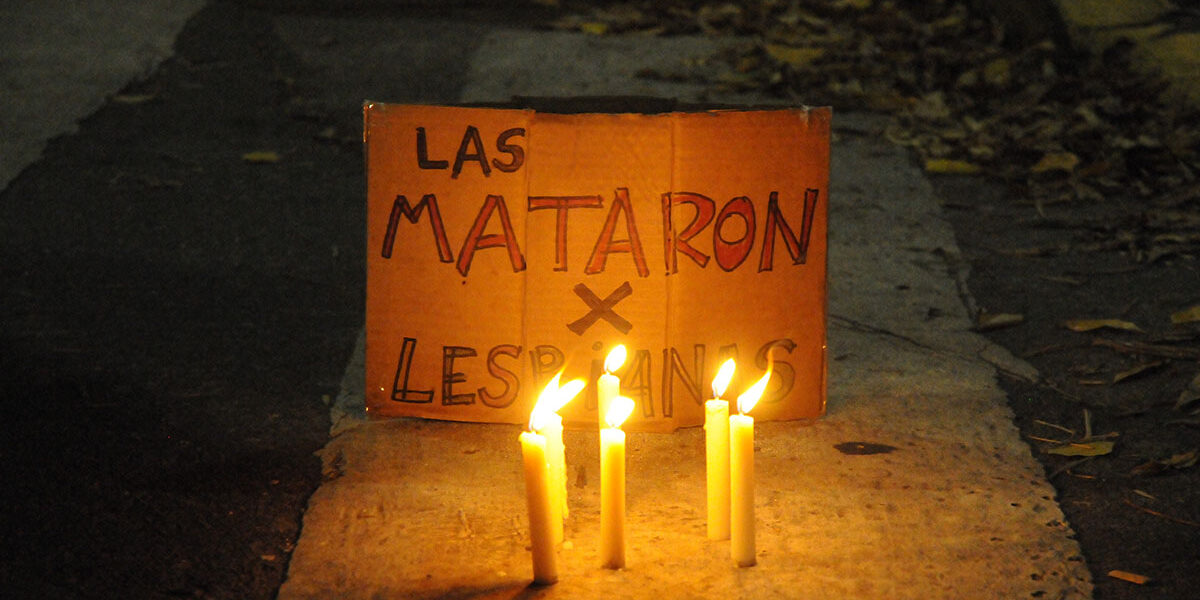
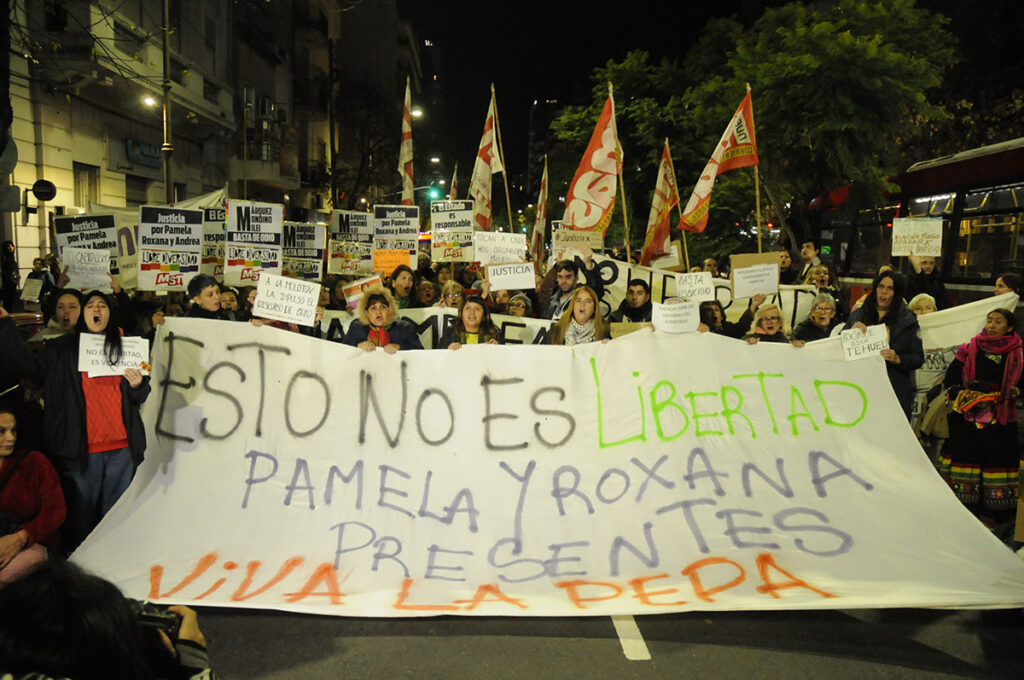
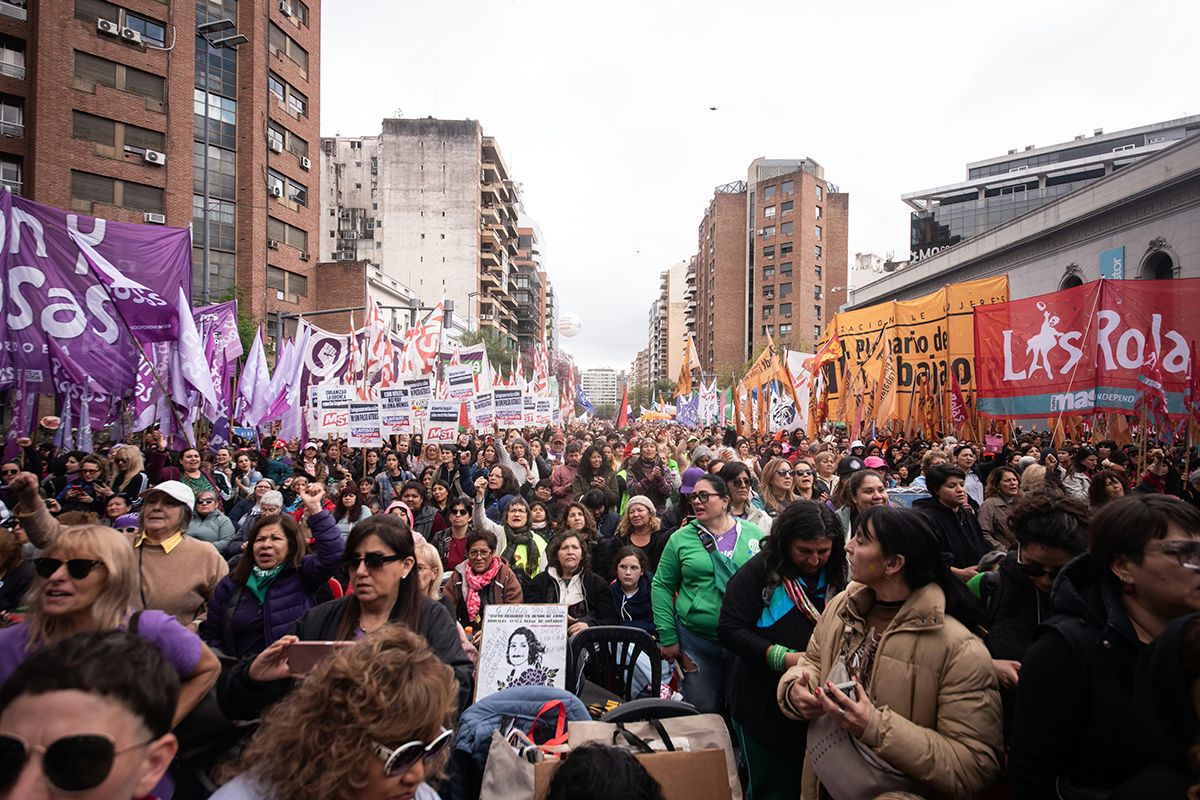
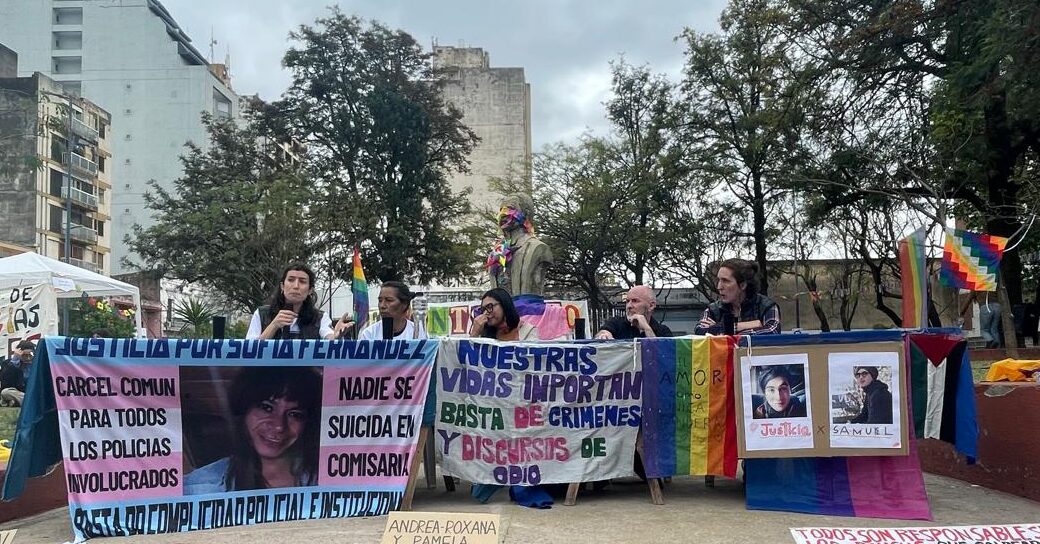
This Wednesday, May 6th, marks two years since Fernando Justo Barrientos set fire to the hotel room where two lesbian couples lived. This crime marked a turning point for the LGBT+ community in Argentina. To commemorate this tragic anniversary, a march will take place at 6 PM, starting at Plaza Colombia, located at the intersection of Isabel la Católica and Pinzón streets, and ending at the family-run hotel in the Barracas neighborhood where the women lived. “We want real justice for Pamela, Roxana, and Andrea. Reparations for Sofía, the sole survivor and witness to this barbarity. And a trial that names hate,” shared the Self-Convened Network and Lesbian Organizations, the group organizing the event.
“We hope that the territory will make its voice heard in the face of a history of violence that pains our community. In every corner of the country, lesbians have organized so that Barrientos's murder does not go unpunished. We carry with us the memory of Pepa Gaitán and so many other women whom the system has tried to erase,” shared Kerana Castro, an Afro-Guarani anti-patriarchal activist and member of the Network, with Presentes
The trial will begin on May 18 at 9:30 a.m. in the courts located at Talcahuano 550, City of Buenos Aires. The Oral Criminal Court No. 5, presiding over the trial, is composed of Adrián A. Perez Lanc (presiding judge), Cinthia Raquel Oberlander, and Juan Manuel Grangeat.
It was a hate crime
Throughout the hearings, the three plaintiffs will seek to demonstrate that the crime was motivated by the victims' sexual orientation. Sofía's plaintiffs are represented by attorney Luciana Sánchez; the families of Roxana Figueroa and Pamela Cobbas by public defender Pablo Rovatti; and the third plaintiffs are represented by a team of lawyers from LGBTQ+ organizations.
“ There are elements that emerge from the case file, from neighbor testimonies, and others, that lead us to conclude that the act committed by this man (Fernando Barrientos) was motivated by hate . First, because that is what happened: we have a person who attacked a group of people because of their way of life, their sexual orientation, and their life plans. The second reason is that this crime is not isolated. It is related to a structural and collective problem. The crime not only affects the victims but the entire LGBT community,” Samanta Pedrozo, a member of the legal team representing the plaintiffs, including the Argentine LGBT Federation (FALGBT), told Presentes
In this vein, Luciana Sánchez, Sofía's lawyer, told this agency: “It was an attack that wasn't directed at the hotel or intended to create a common danger, but rather aimed directly at killing the four women because of the perpetrator's perception of them as lesbians. What motivated him to commit the crime was that they were two lesbian couples.”
The massacre
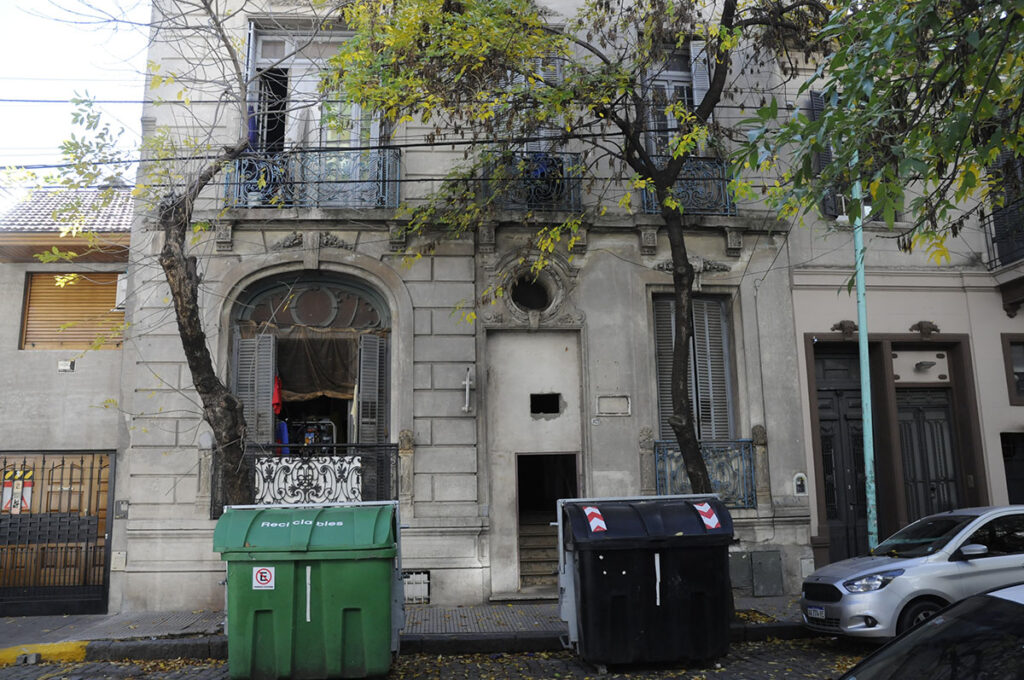
In the early morning of May 6, 2024, Justo Fernando Barrientos threw a homemade explosive device into the room where Pamela Cobbas, Mercedes Roxana Figueroa, Sofía Castro Riglos, and Andrea Amarante lived. He set them on fire, making good on his threat. The man had already told them he was going to kill them (Pamela and Roxana) and called them "monsters" and "dykes" because of their sexual orientation, according to neighbors of the family hotel where they and the perpetrator lived, as reported to Presentes.
The four women lived in one room. Pamela was 52 years old. She died hours after the attack due to the severity of her injuries. According to neighbors of the hotel, she sold sweets and cosmetics. On social media, she was openly lesbian and supportive of LGBTQ+ rights. Roxana, also 52 and Pamela's partner, died a few days later. Neighbors reported that the women made a living doing odd jobs. Andrea was the youngest, at 43. She was also a survivor of the Cromañón nightclubfire, which occurred on December 30, 2004, in a nightclub in the Once neighborhood during a concert by the band Callejeros. Sofía is the only one who survived.
“This destroyed Sofía’s life. It deepened her vulnerability and severely impacted her mental health and life plans. The date and circumstances of the trial deeply affect her. They force her to relive all the violence she suffered, not just that inflicted by Barrientos and the moment of the attack. Surviving it once was difficult enough; imagine reliving it over and over. She is very shaken. She hopes for a positive outcome from the justice system, though not with high expectations,” shared Dr. Sánchez, Sofía’s lawyer.
Sofía's lawsuit, unlike the other two, will seek to have the crime classified as both femicide and lesbicide. “We understand that the State has a dual duty to protect victims of gender-based violence, both because they are women and because they are lesbians. We understand that our law, the Penal Code, recognizes this dual protection, and that it is not one or the other, but both. There is sufficient evidence for the crime to be considered as such,” Sánchez asserted.
They imagine it won't be easy. “The investigation had many problems; it wasn't done properly from the beginning. The evidence wasn't preserved adequately, and that will surely have consequences, so we hope to be able to prove authorship, the perpetrator's intent, and the results of the crime,” the lawyer stated.
From the trial, Sofía hopes for “recognition that her life, her partner, her bond with Andrea is valuable and no less than a heterosexual relationship. It is a life that deserves to be lived, deserves to be mourned. Also, that social prejudices against lesbians be acknowledged,” her lawyer shared.
Increase in violence
“On the anniversary of the triple lesbian murder in Barracas, it is important to remember that this case marked the beginning of a profoundly painful period for the LGBT community in Argentina . It occurred in a context where, despite enormous progress in the recognition of rights and having reached a very significant level of legal equality, we are experiencing a worrying setback in terms of coexistence and respect,” reflected lesbian activist María Rachid, a member of the FALGBT board of directors, in an interview with Presentes
To access the full report, click here:https://t.co/TxJByT7u4y
— Argentine LGBT+ Federation (@FALGBT) March 11, 2026
Thank you @francotorchia_ 💜💙💚💛🧡♥️ https://t.co/YfHZjlDjJf
Since Javier Milei assumed the presidency, crimes against the LGBTIQ+ community have increased considerably, as recorded by the National Observatory of Hate Crimes over the past two years. 2025 marked a turning point, with at least 227 hate crimes based on sexual orientation or gender identity occurring throughout the year. This represents a 62 percent increase compared to the previous year and is the highest figure recorded by the Observatory in its ten years of existence.
“There is a political climate that enables and legitimizes discrimination and violence, fueled largely by hate speech that, in many cases, comes from the highest levels of the State. This speech is not harmless: it has concrete consequences in people's lives and contributes to creating a scenario of greater violence toward our community,” Rachid stated.
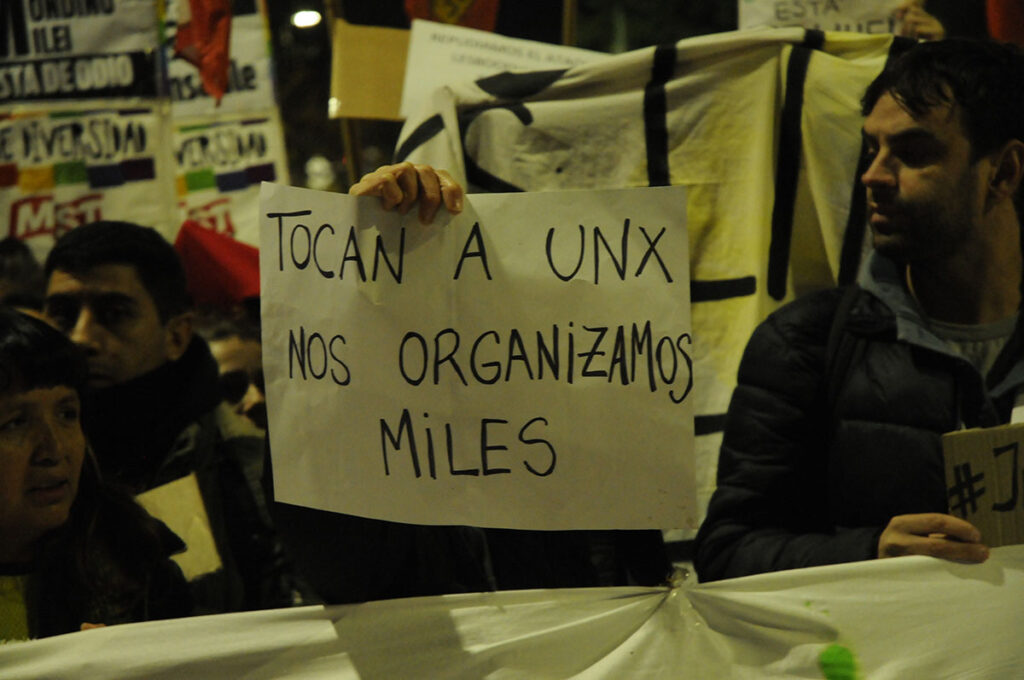
“The triple lesbicide represents the cruelest proof of heteronormativity as a system. We are not talking about a 'worldview,' but about a power structure that imposes desire for men as a mandatory norm and uses violence to discipline those of us who dare to feel, think, and love outside of that mandate. The lesbicide of Pamela, Andrea, and Roxana is the result of a hate machine fueled by a corrupt government that, from its position of power, says the cruelest things I have heard in all my years of activism about our lives and families. This doesn't come without a price. We pay the consequences with our lives,” added activist Kerana Castro.
Preceding
The trial could set a historic precedent for the LGBT+ community if the sentence determines that the crime was motivated by hatred of lesbians.
“If we succeed, we will have one of the first rulings regarding hate crimes against the lesbian population. It will serve not only to achieve justice in this case, but also to provide legal guidance for other similar cases, such as the Cañuelas fire,” concluded lawyer Pedrozo.
We are present
We are committed to journalism that delves into the territories and conducts thorough investigations, combined with new technologies and narrative formats. We want the protagonists, their stories, and their struggles to be present.
SUPPORT US

FOLLOW US
Related notes
We are present
This and other stories are not usually on the media agenda. Together we can bring them to light.