

Mexico 2022: Same-sex marriage nationwide and the violence that continues
Assessment of progress on LGBT+ rights and violence and persecution in 2022.


Share

In 2022, Mexico saw victories for activists in securing the recognition of same-sex marriage nationwide. In Mexico City, the first sentence for femicide was handed down to a trans woman. The Congress of Hidalgo recognized non-binary people. The first survey to understand the situation of the Mexican LGBTI population was conducted. The State continues to withhold vaccines against monkeypox from key populations. Despite these advances in rights, violence and hate crimes persisted.
Same-sex marriage nationwide
In 2022, same-sex marriage was finally recognized in all 32 states of Mexico. This right was guaranteed in 17 states in 2019, 2021, and 2022.
However, this is not recognized in the law or regulations of the Civil Registry in all states. In some states, it is possible through administrative means, only because there are decrees issued by the executive branch or by order of the Supreme Court of Justice of the Nation (SCJN).
Such is the case in Chihuahua, where same-sex marriage has been permitted by decree since 2015, and the same in Guanajuato since 2021. In Nuevo León and Aguascalientes, it has been mandatory since 2019 due to a ruling of unconstitutionality by the Supreme Court of Justice of the Nation (SCJN), and in Chiapas since 2017. These states still need to legislate.
Achievements and pending issues for non-binary people
On February 11, Fausto Martínez became the first non-binary person in Mexico to be legally recognized as such. This occurred in the state of Guanajuato and was achieved after a legal challenge brought by the organizations Amicus, the Trans Youth Network, and Colmena 41.
Following the lawsuit process, a judge granted Fausto's protection and ordered the Civil Registry of Guanajuato to issue his birth certificate with the acronym "NB" in the sex box.
Months later, on November 3, the Congress of the state of Hidalgo approved reforms to legally recognize non-binary people over the age of 18 , making it the first Mexican state to recognize non-binary identity.
However, to date, non-binary people in Hidalgo cannot access recognition of their identity because the state governor, Julio Menchaca, has not published these reforms in the official state newspaper so that they can come into effect and become a reality.
Trials and sentences for transfemicides
In Mexico City, although the crime of transfemicide is not legally defined, a man has been formally charged for the femicide of a trans woman . This sets a precedent nationwide in cases of hate crimes.
Prior to this development, in the courts of the South Men's Preventive Prison in Mexico City, a judge sentenced two soldiers for the murder of Naomi Nicole , a 26-year-old trans woman and sex worker known as La Soñaré. The crime was classified as homicide, but the judge based his ruling on the victim's gender identity and vulnerable circumstances.

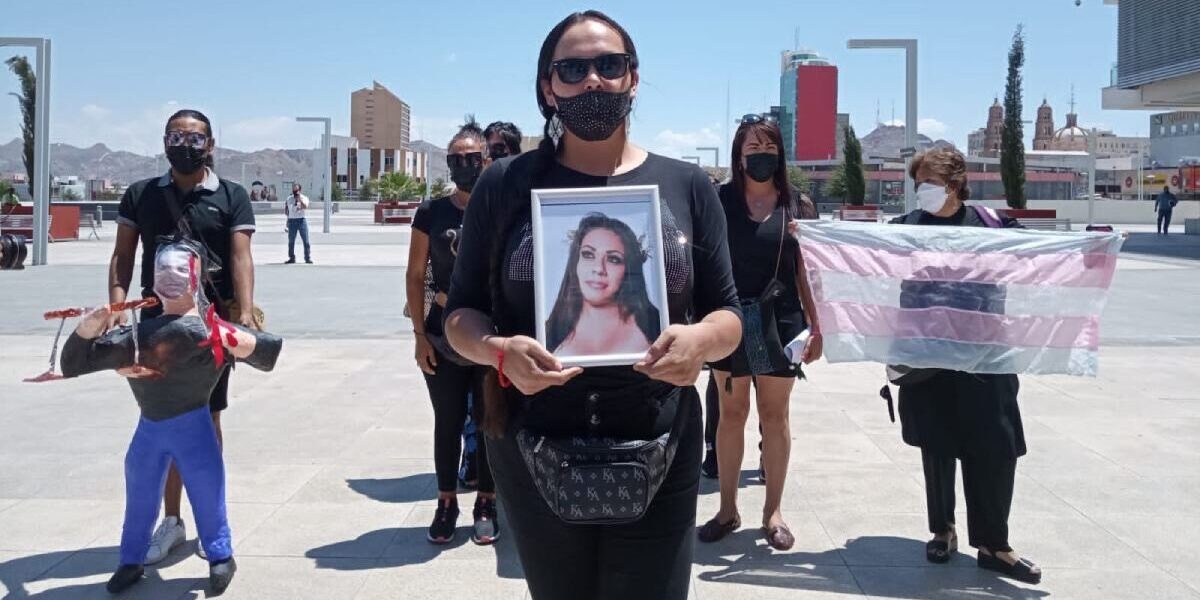
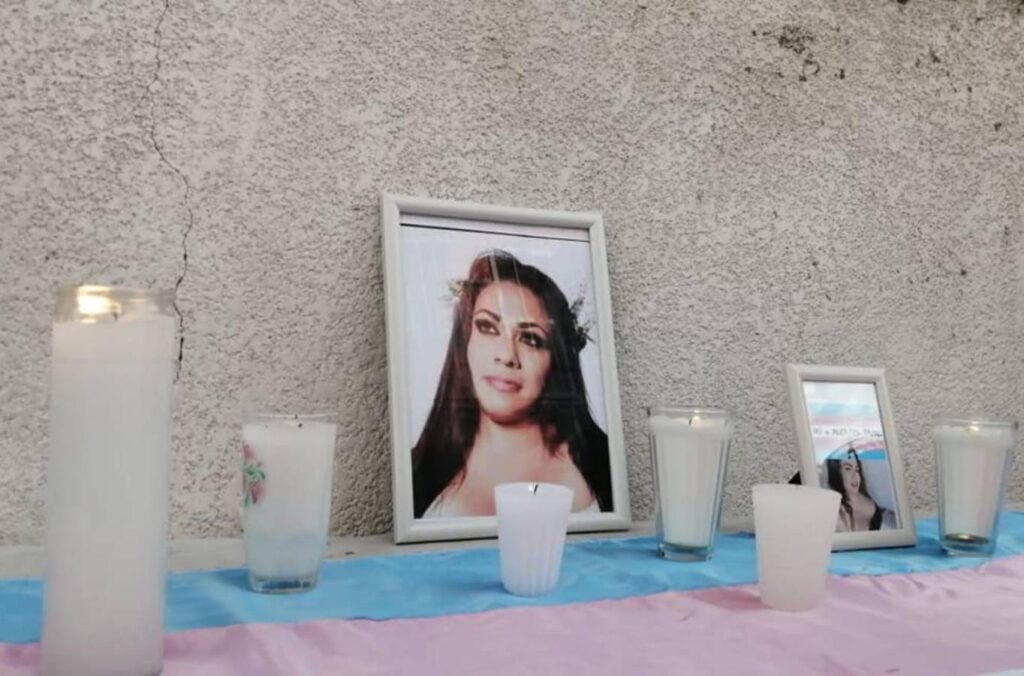
In Chihuahua, the transphobic murder of activist Mireya Rodríguez Lemus was the first case brought to court where the gender identity of a trans woman was considered. However, three judges of the Chihuahua Superior Court dismissed more than 70 pieces of evidence incriminating the only person arrested and released him.
In Mexico, 1 in 20 people identify as LGBTI+
For the first time in history, an official statistical exercise was carried out to learn about the Mexican LGBTI+ population.
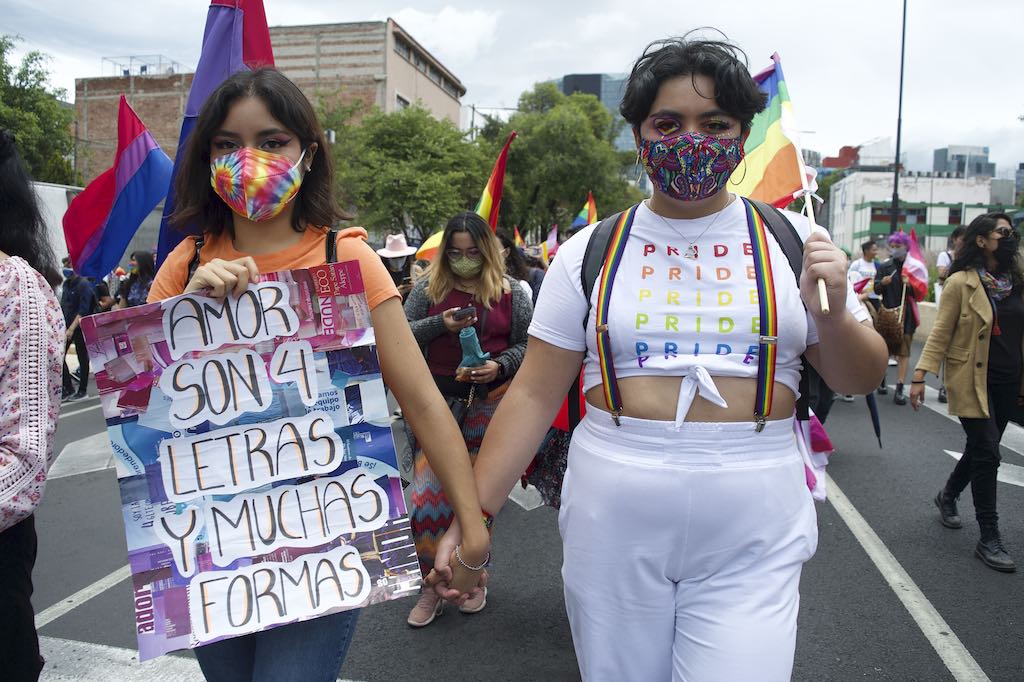
The National Institute of Statistics and Geography (INEGI) presented the results of the National Survey on Sexual and Gender Diversity (ENDISEG, 2021). One in 20 Mexicans identify as part of the LGBTQ+ community. This represents approximately 5 million LGBTQ+ people.
Other relevant data included:
- 2.4 million identify as bisexual.
- Nearly 600,000 people identify within non-binary identities.
- It is before the age of 7 that most LGBTI+ people become aware of their non-normative sexual orientations and gender identities.
- More than half a million LGBTI+ people have undergone “conversion therapy” at some point in their lives.
- 81.8% of the LGBTI+ population has had at least one emotional problem during their lifetime.
Trans children recognized by the Supreme Court
Transgender children in Mexico achieved the most significant advance in their fight for their rights. In March, the Supreme Court of Justice of the Nation (SCJN) recognized transgender children and their rights by declaring unconstitutional the requirement of being 18 years old to request a new birth certificate that recognizes their gender identity.
Families will be able to use it as a precedent for their right to identity.
In Mexico, only the states of Jalisco and Sinaloa guarantee this right without an age limit. In Mexico City and Oaxaca, it is only possible for people over 12 years of age.
Mexico without vaccines against monkeypox
According to figures from the Ministry of Health, more than 3,000 cases of monkeypox and four deaths from the disease had been confirmed in Mexico as of November. Three of the fatalities were men living with HIV.
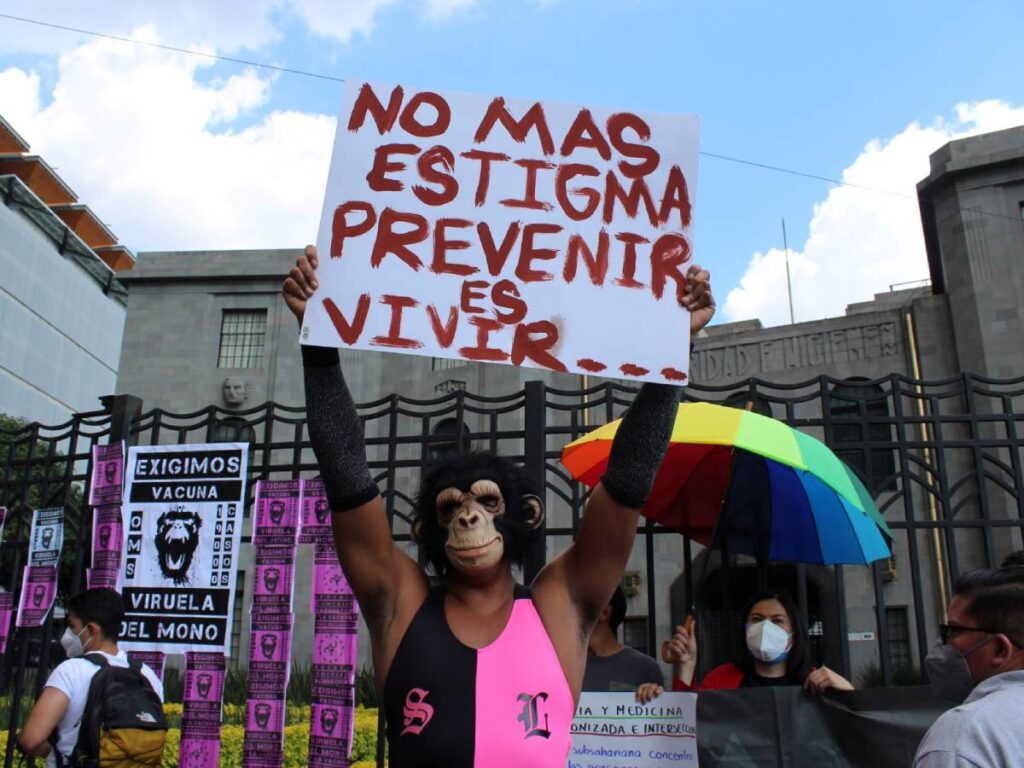
Activists held various protests demanding vaccines, stigma-free information, decentralized testing (until October, only one laboratory in the entire country analyzed tests), and non-discriminatory care in public and private clinics.
Faced with the exponential growth of cases, the Mexican State and the Undersecretary of Prevention and Health Promotion, Hugo López Gatell, maintained an anti-vaccine stance.
Testosterone shortages and counterfeiting put trans men at risk
In May, trans men, transmasculine people, and non-binary individuals denounced the shortage of Primoteston brand testosterone. They told Presentes how the testosterone shortage is affecting their mental health.
In August, transmasculine organizations and activists reported a probable counterfeit testosterone to the Federal Commission for Protection against Sanitary Risks (COFEPRIS), and on December 13, it confirmed the existence of counterfeit testosterone .
The authorities recommended checking labels and batch numbers, and reporting any testosterone of dubious origin. You can report it at this link.
Lesbocides and institutional lesbophobia
In Mexico City, several attacks against lesbians occurred throughout the year. A lesbian couple was insulted and attacked in Chinatown . In the south of the city, a man in Coyoacán attacked another couple while they were kissing. And at the Reforma 222 , a couple was discriminated against and harassed for carrying a sign that read "love" and "revolution."
In decentralized states, lesbian women were victims of femicide. Nohemi and Yulitza , a couple and mothers of three children, were murdered and their bodies dumped on the Juárez-Porvenir highway in the state of Chihuahua.
In Tijuana, 24-year-old Karen Janelly Pereyra was murdered, and her girlfriend, 21-year-old Berenice Moreno, survived an attempted lesbian murder at her home. In Córdoba, Veracruz, 17-year-old Odilia Castillo was disappeared, tortured, and murdered. All three were openly lesbian young women in their communities.
Activists denounce the invisibility that is a common feature in Mexico when lesbian and transgender women are murdered or are victims of any type of lesbophobic attack . This applies to everything from how the events are reported in the press to how the justice system investigates these crimes.
In Yucatán, Julissa Chuc is being victimized by institutional lesbophobia from the state DIF (National System for Integral Family Development) because they took away her newborn and six-year-old son because she is a lesbian mother, with a male gender expression, and lives in poverty.
The Network of Lesbian Mothers in Mexico has identified at least ten similar cases of institutional lesbophobia throughout the country where lesbian mothers are denied their rights to family, recognition and identity.
At least six attempted femicides against trans women
Trans women were the primary victims of bias-motivated violence, ranging from attempted trans femicides to trans femicides characterized by extreme violence and cruelty.
At the beginning of the year, trans activist and sex worker Natalia Lane survived an attempted femicide in Mexico City. A man tried to kill her in a hotel room, but she managed to escape the attack. Her case is the first that the Attorney General's Office is investigating as an attempted femicide against a trans woman.
In the same city, three months later, a sex worker survived an attempted femicide in a hotel in downtown Mexico City. Police released the assailant and intimidated her to prevent her from reporting the crime.
In Oaxaca, two trans women of Mixtec origin survived attempted femicide and police torture. David was beaten, strangled, and they tried to cut out her tongue. Her attackers are the sons of the former mayor of San Pedro Jicayán. Lizeth was arbitrarily detained and tortured by the municipal police of San Juan Colorado.
In Baja California, two trans women were victims of attempted femicide by their ex-partners .
Militarization exacerbates violence against trans women
In decentralized cities, some trans women who were murdered this year were also victims of enforced disappearance. This violence is exacerbated by widespread violence fueled by militarization and disputes between drug trafficking groups.
Loren Guzmán was reported missing on December 3, 2021, and found dead with signs of torture in February 2022. Activist Arturo Álvarez told Presentes that when filing a missing person report, “authorities in Guanajuato do not take into account the sexual orientation and gender identity of the victims.”
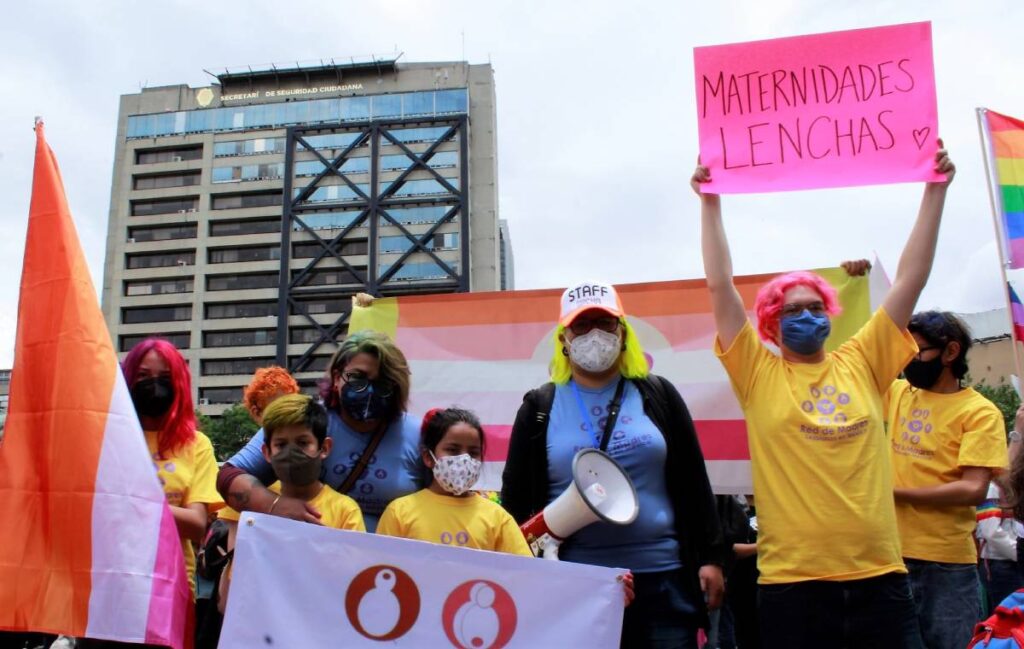
According to figures from the National Search Commission, there are at least 28 LGBT+ people “missing or unaccounted for” in Mexico. Veracruz, Baja California, Zacatecas, Sinaloa, Jalisco, the State of Mexico, and Guanajuato are the states with the highest incidence.
Firearms
Violent deaths of transgender women by firearm were also a constant. In a ten-day period, three transgender women were murdered with firearms .
Yessi Montero was reported missing, and her body was found in Veracruz, bearing signs of torture. A transgender woman, whose name is unknown, was murdered in the street in Oaxaca. In Colima, Yaneth was murdered in her home.
The organization Intersecta confirmed in a report that, following the implementation of the security strategy that has militarized the country since 2006, 5 out of 10 trans women are murdered with firearms.
Another constant this year was that activists in non-centralized states could not exercise their right to protest and demand justice due to the context of widespread violence.
“Widespread violence is fragmenting LGBT+ civil organizations, and in this scenario, the fact that the Prosecutor's Office itself does not recognize hate crimes, nor the femicides of trans women, contributes to the problem (…) Demanding justice, in the midst of gender violence and drug trafficking, is difficult,” Marco Antonio Gaspar explained in an interview .
Waves of transfeminicides in the second half of the year
During the second half of the year, there were waves of lethal violence against trans women.
Many of these victims were murdered inside their homes, which were also their workplaces, especially trans women over 35 years old.
Like the transfeminicide of activist and actress Susana Villarreal, 54, who was found dead inside her business on September 14. Her body showed signs of physical and sexual violence. Fifteen days later in Oaxaca, Rosa Salvaje , 50, was murdered with a firearm inside her business, "El Centro Botanero 'Rosa Salvaje'."
The murder of Rosa Salvaje was the third trans femicide in four days during the month of September. Days earlier , Luna Luna Flores Isabella Álvarez was found dead . Her body showed signs of violence.
Three transgender women were murdered on three consecutive days in October : Betty Castañeda in Michoacán on October 18, Britney Hernández Vargas in Veracruz on the 19th, and Jessica Zoé Vergara in the State of Mexico on the 20th.
Without a gender perspective in research
five transfeminicides were recorded : Liz (18 years old) in Tamaulipas; the activist Nicole (29 years old) and Kimberly in Morelos; Martha Torres (58 years old) in Guanajuato and the human rights defender, Karen Sánchez (21 years old), in the State of Mexico.
The common thread in all these cases of violence is that the justice authorities do not investigate with a gender and human rights perspective. This year alone, there were only two sentences that considered the gender identity and vulnerable context of the two murdered trans women.
According to Letra S , in 2020 trans women represented 54.5% of victims of hate crimes, while in 2021 they represented 70.5% of the total. This year, of the 48 hate crimes reported to date, 24 were against trans women, or 50%.
They opened the door to transphobic rhetoric
Violence against trans people was also symbolic. This year it became clear that Mexico's most prestigious university and a public television channel opened their doors to transphobic rhetoric.
In March, trans people, academics and students denounced a discussion organized by the National Autonomous University of Mexico (UNAM) in which a panel of trans-exclusionary feminists denied the existence of trans, intersex and non-binary people.
In September, the public channel Capital 21 opened a space to members of the LGB Alliance , an extremist group, who during the program El Aquelarre spread transphobic speeches.
Both at UNAM and on the public television channel, trans people protested to stop and highlight that hate speech directly affects the lives of trans and non-binary people.
We are present
We are committed to journalism that delves into the territories and conducts thorough investigations, combined with new technologies and narrative formats. We want the protagonists, their stories, and their struggles to be present.
SUPPORT US

FOLLOW US
Related notes
We are present
This and other stories are not usually on the media agenda. Together we can bring them to light.