

Transgender civil servant Alba Rueda is one of the 100 most influential women of 2021
The BBC compiled a list highlighting the performance of Alba Rueda, a transgender civil servant, over the past year. "It has to do with the recognition of a political agenda," she told Presentes.

Share

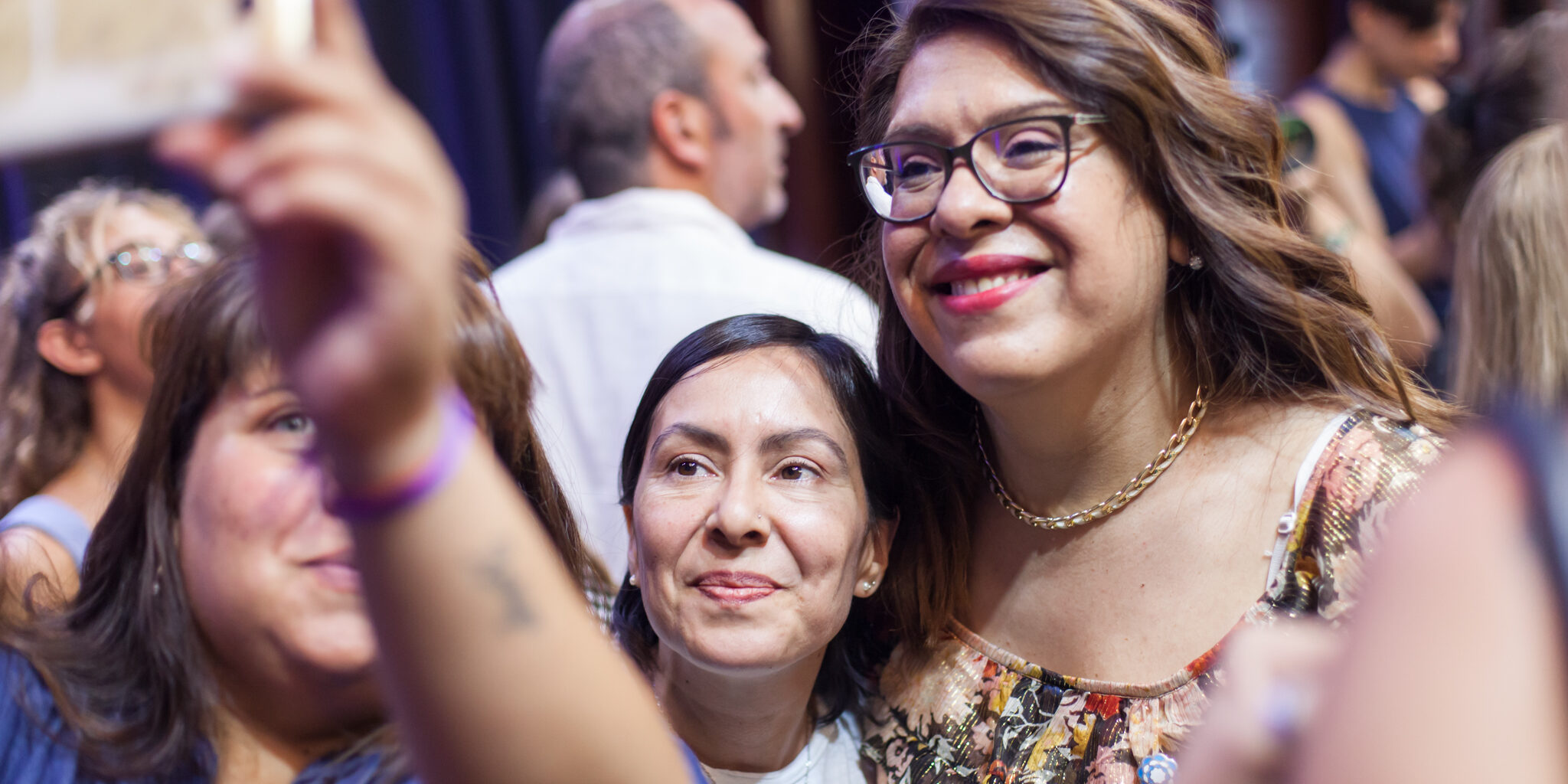
The BBC compiled a list of the 100 most influential and inspiring women of the year ( BBC 100 Women ), which includes Alba Rueda, Undersecretary of Diversity Policies for the Nation of Argentina. She told Presentes that she was "super happy" to receive the news.
The list is made up of women from all over the world and includes another Argentinian, Carolina García, director of original series at Netflix. It also features Malala Yousafzai, the youngest Nobel Peace Prize laureate; Samoan Prime Minister Fiamē Naomi Mata'afa; Professor Heidi J. Larson, who directs the Vaccine Confidence Project; and writer Chimamanda Ngozi Adichie.
"We are part of the struggles in the world"
“I’m happy because it’s about recognizing a political agenda that’s part of the women’s agenda. This participation is fundamental, especially because in England, the United Kingdom, and Europe, it’s not clear that transvestite and trans people are part of the struggles of women around the world,” highlighted Alba Rueda, a trans activist for many years.
Alba Rueda is the first Undersecretary of Diversity Policies in the nation , a position within the Ministry of Women, Gender and Diversity. Her history of activism has sparked joy within the LGBTI movement and widespread support for her appointment.
During her first year in office, at the height of the pandemic, she and her team devised a series of programs to address the various challenges faced by the trans community . She was also the driving force behind the decree establishing a quota for transgender employment became law nine months later .
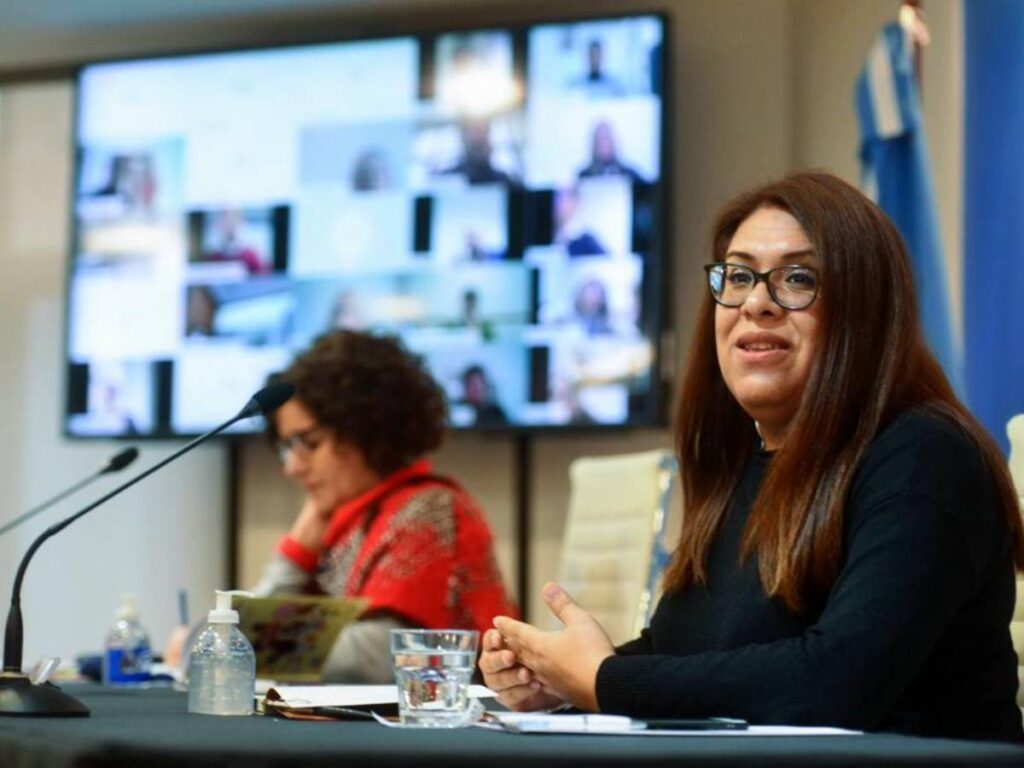
What does the BBC say about Alba Rueda?
In the article announcing the list of influential women, the BBC describes her as follows: “An activist and academic, she is the face of Mujeres Trans Argentina, an organization that campaigned for a trans employment quota bill reserving 1% of public sector jobs for transgender and transvestite people. The groundbreaking bill received overwhelming support in Congress and became law in June 2021.”
Also noteworthy is the lawsuit she filed against the Catholic archbishop who refused to change his church records to match the name and gender on her national identity document.
Regarding its performance in 2021, it explains, “2021 has demonstrated the enormous impact of economic policies on the reproduction of inequalities. (We must promote) policies with a transfeminist perspective that allow us to build other types of relationships and develop collective and community care.”
“The TERF movement in Europe is very strong. I think the first major achievement in all of this is based on addressing a political agenda that deals with the reality of trans people, within a context of recognizing women. I think it's a very important step,” the official told Presentes .
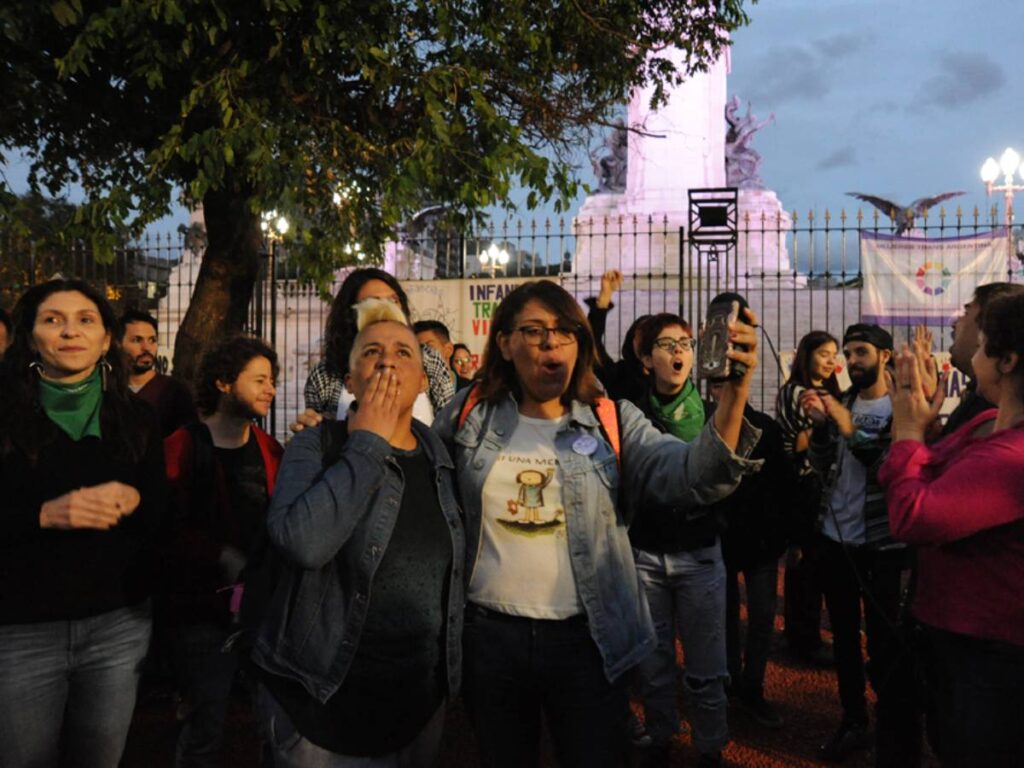
Photo: Ariel Gutraich.
A trans political and popular agenda
Rueda emphasizes the importance of developing a trans and travesti agenda within the LGBT movement. “It’s crystal clear that not only globally, but also in Argentina and Latin America, many policies are still needed to change the reality and inequality faced by trans and travesti people.”
“In our Latin American realities, we have a history of institutional violence, in a web of institutional violence that involves many state institutions, but also social discrimination based on your gender identity.”
In September of this year, for the first time two Honduran women appeared on TIME magazine's list : Indyra Mendoza, director of the lesbian network Cattrachas, and Claudia Spellmant, a trans activist.
“The agenda we are pursuing is related to the intersections of our feminism. On the one hand, the fight for a trans agenda within the LGBT community, a trans agenda at the level of public policy, but also recognizing the inequality that still requires much more action to transform it. And in that, the focus on public policy is important.”
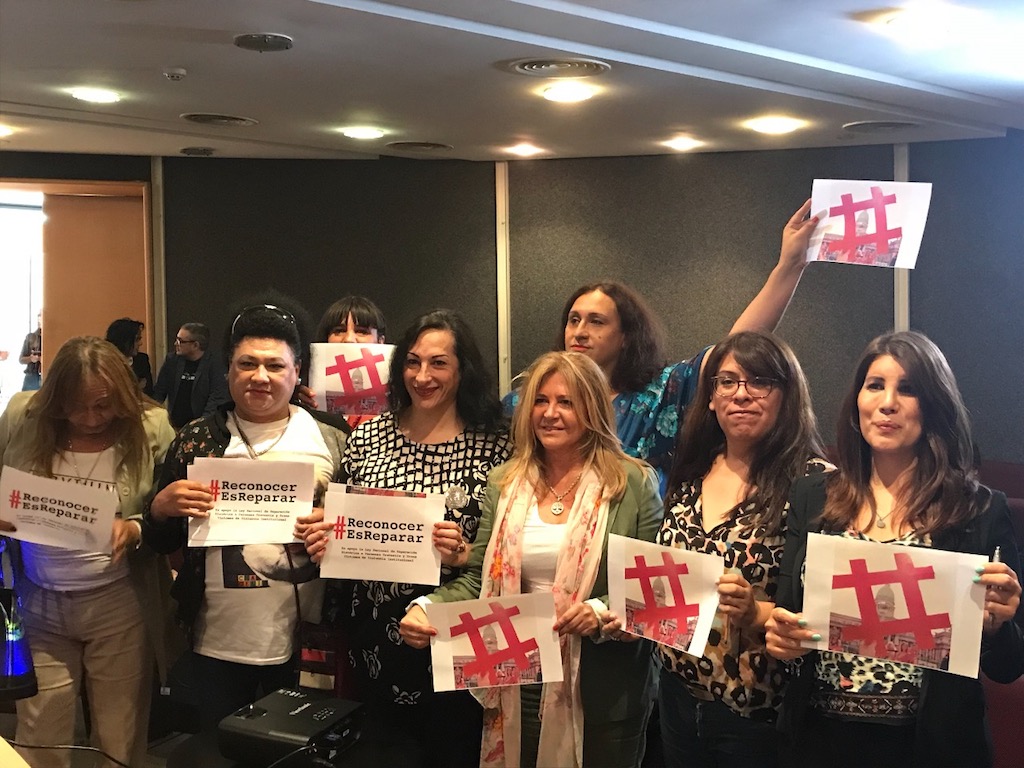
Popular movements
Another point that Alba Rueda raises to measure the importance of this mention is linked to the social construction of collective demands.
“We are part of social movements, of our situated voices. I am an internal migrant; I was born in Salta. I am also brown, and the voices of Indigenous peoples shape and constitute part of this journey. And another key point is our grassroots feminisms. This is achieved through the agendas of grassroots feminisms. So, what Argentina has to offer the world is that feminist agendas are agendas that follow this path.”
In addition to Alba Rueda and Carolina García, the Latin American women also include Costa Rican Mónica Araya (sustainability expert), Chilean Elisa Loncón Antileo, president of the Constitutional Convention of Chile; activist Marcelina Bautista from Mexico and Brazilian biologist Natalia Pasternak Taschner.
How the 100 women were chosen
According to the media outlet, the BBC compiled a restricted list based on names collected by the team in charge of this task and suggested by the BBC World Service's language group.
“We were looking for candidates who had made headlines or influenced important stories during the past 12 months, as well as those who had inspiring stories to tell, who achieved something significant or influenced their societies in ways that would not necessarily be newsworthy,” the note explains.
“The pool of names was then evaluated in relation to this year’s theme: women who are doing a ‘reboot,’ playing their part in reinventing our world. Regional representation and due fairness were also measured before the final names were chosen.”
This year, BBC 100 Women featured mostly women from Afghanistan. “Recent events in the country have made headlines and left millions of Afghans questioning their future, as human rights groups have spoken out about fears that women’s freedoms could be eroded in the foreseeable future under the Taliban. By dedicating half the list to women who live or work in the country, we wanted to highlight how many have been forced to disappear from public life, as well as share the voices of those who are increasingly being silenced or who are part of a new Afghan diaspora.”
In the article, many of them appear without a photograph and with a pseudonym for their own safety.
We are present
We are committed to journalism that delves into the territories and conducts thorough investigations, combined with new technologies and narrative formats. We want the protagonists, their stories, and their struggles to be present.
SUPPORT US

FOLLOW US
Related notes



We are present
This and other stories are not usually on the media agenda. Together we can bring them to light.