

From VIP brothel in Mar del Plata to center for sexual diversity rights
By court order, a former sex trafficking site in Mar del Plata was handed over to a LGBTQ+ organization. It will become a cultural and educational center to prevent trafficking and fight for rights.

Share

By Sandra López Maidana, from Mar del Plata
Photos: Courtesy of AMI
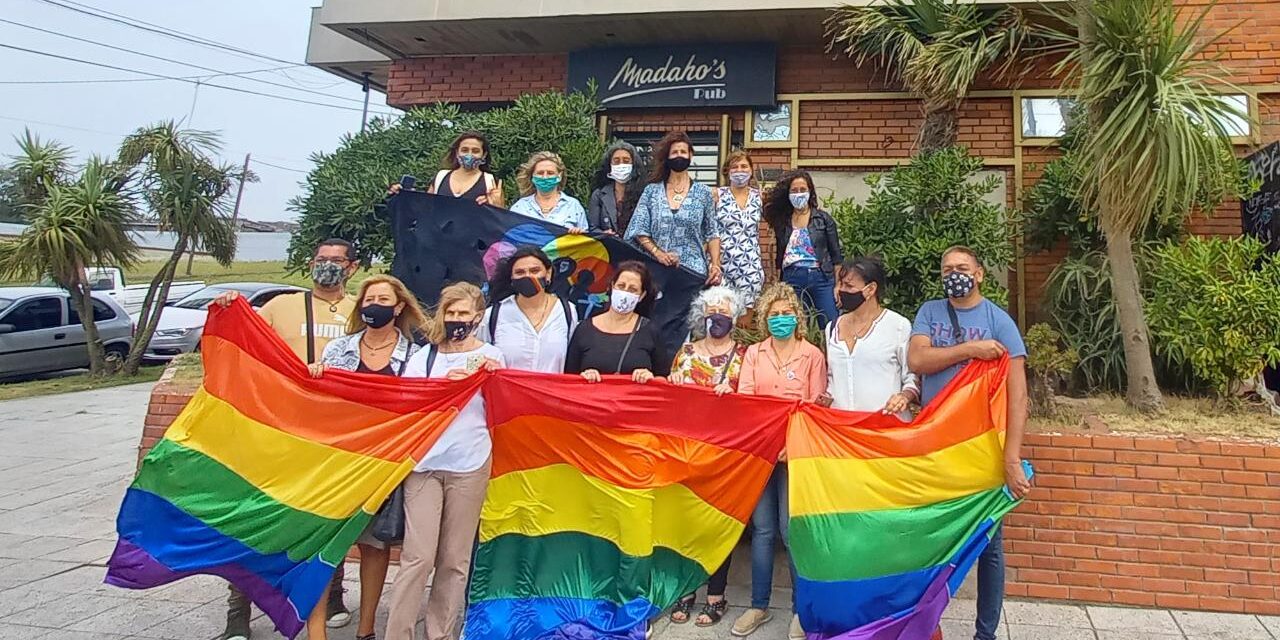
A glimmer of justice was felt in Mar del Plata. By court order, the Civil Association Colectiva por un Mundo Igualitario (Collective for an Equal World) received the keys to the former Madaho's brothel—a VIP establishment—as a temporary custodian. From now on, this space in Argentina's largest seaside resort will be used as a cultural and educational center providing access to rights for the purpose of preventing human trafficking and sexual exploitation.
"A cultural and educational center, with a gender and memory perspective"
Claudia Vega, president and legal representative of AMI, describes the place as if she can already see it. “What we are going to create there is a cultural and educational center providing access to the rights of the LGBTQ+ community . It will have a gender perspective and will also include a path dedicated to the living memory of what happened there,” she told Presentes.

When AMI learned in early December that a non-profit organization would be appointed to take over, they applied. They submitted endorsements from organizations, unions, and institutions with whom they had worked since their creation six years earlier.
To resignify, to repair and to make visible
The key handover ceremony took place on Monday, January 4th. Among the officials and representatives from municipal, provincial, and national agencies present was Daniela Castro, a trans activist who currently heads the Sexual Diversity area at the Ministry of Women, Gender Policies, and Sexual Diversity of the Province of Buenos Aires.

Daniela says she can't stop thinking about the reinterpretation of that site. “I believe it's the best way to heal the wounds of the soul. And to give visibility to what happened there, to create an active memory so that these things never happen again.” She speaks as a fellow activist in the city and as a pioneer in breaking new ground: she was the first trans person to receive an ID card reflecting her gender identity and also the first trans public official in the province of Buenos Aires.
As part of the Mar del Plata city tour, it was common knowledge that the pub on the corner of Alem 4285 wasn't a place to just grab a few beers. Within those dark walls covered in foliage and under the golden sign bearing the name Madaho's, the most prestigious brothel in the seaside city operated.
“Madaho’s was an icon in the 90s. Around 2000, it became a sad symbol of exploitation and human trafficking. A well-known place, a classy place,” Daniela recalls. “A place where powerful men went. And where, undoubtedly, among other things, a lot of violence was practiced.”
A breath of justice
The company that served as the legal structure for Madaho's was dismantled in 2015, and those responsible have already been convicted. The investigation uncovered money laundering operations and multiple economic crimes, in addition to those that violate human dignity .
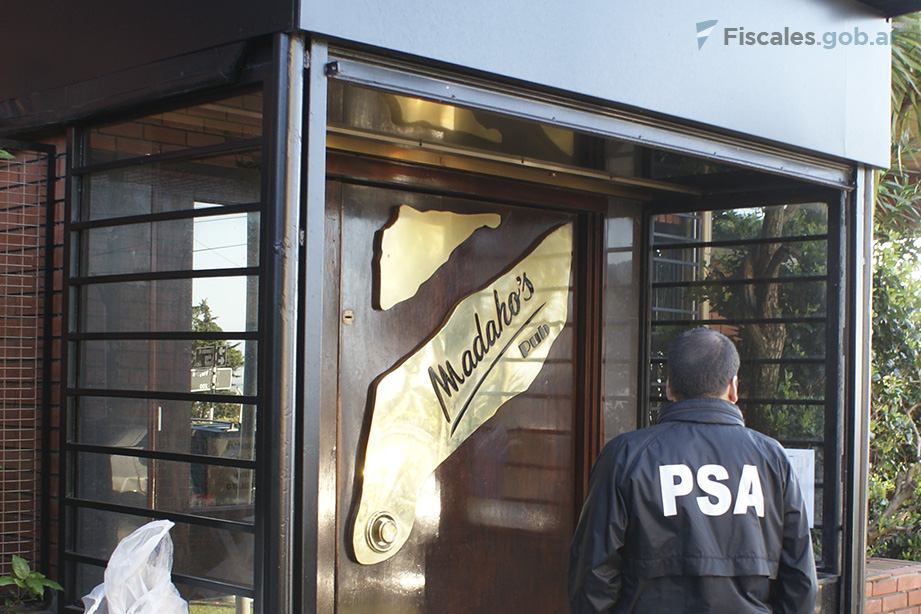
As a result of the legal proceedings, the decision was made to assign a purpose to the property in question to prevent its deterioration. The Public Prosecutor's Office, with the participation of Attorney General Daniel Adler, the Office of the Prosecutor for Economic Crimes and Money Laundering (PROCELAC), and the Directorate of Asset Recovery and Forfeiture of the Attorney General's Office, requested that Federal Judge Santiago Inchausti transfer the property to non-profit public benefit organizations. In granting the request, the judge stipulated that any profits generated from its administration would be "allocated to the Trust Fund of the Federal Council for the Fight against Trafficking and Exploitation of Persons and for the Protection and Assistance of Victims (Law 27508), with a view to guaranteeing, first and foremost, the effective receipt of compensation and restitution due to the victims."

From a socio-legal perspective, Mila Montaldo, a social worker and mental health specialist, coordinates the Victim Assistance Office at the Mar del Plata Prosecutor's Office. From this position, she oversees the process of transferring custody of the property to AMI. “This process was expedited, because these types of measures typically take a long time in the judicial system. This is because it's a policy we've adopted as the Public Prosecutor's Office not only to provide justice services, but also to address the needs of the most vulnerable.”
The reasons AMI was chosen to use the property are related to its actions, a way of responding to the needs of the LGBTQ+ community through various means. These include promoting academic programs at the National University of Mar del Plata and implementing a trans and travesti employment quota there , raising awareness of the challenges faced by LGBTQ+ people, and legal battles .
“The intention of my colleagues at AMI seems like a wonderful idea to me,” says Daniela. “That this space has been reclaimed today seems essential to this cultural shift we're constantly discussing. In my role as a public official in the province of Buenos Aires, we work to achieve real and genuine inclusion. And from an activist perspective, it's an undeniable victory, a hard-won battle where we can finally talk seriously about inclusivity.”
We are present
We are committed to journalism that delves into the territories and conducts thorough investigations, combined with new technologies and narrative formats. We want the protagonists, their stories, and their struggles to be present.
SUPPORT US

FOLLOW US
Related notes


We are present
This and other stories are not usually on the media agenda. Together we can bring them to light.