

A job board on social media that seeks to break down stigmas
A job board that uses social media as a platform to showcase the abilities of trans people.

Share

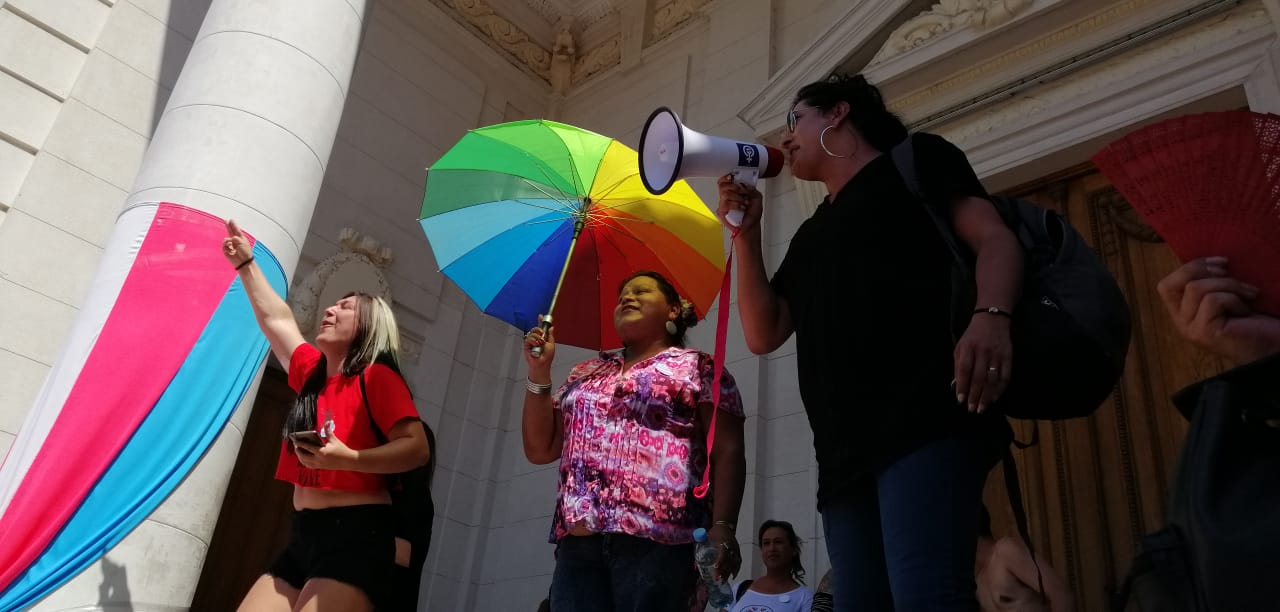
In Argentina, 80% of transgender and transvestite people have never had access to formal employment, and 90% have had no other option but prostitution. Early family expulsion, closed doors in institutions like schools, and a lack of access to basic rights have left generations of transgender and transvestite people in the country and throughout Latin America without support. The most glaring consequence of this is a medieval life expectancy of 35 years. And one of their daily experiences is exclusion from the labor market, both formal and informal. To address this situation, transgender activist Diana Sacayán, murdered in 2015, promoted a state-level transgender employment quota law in the province of Buenos Aires. The law was passed the same year as her murder but was never implemented.
Three years ago, a national bill for a transgender employment quota was introduced in Congress. Currently, five provinces have this law—Santa Fe joined on October 31—and several municipalities have passed ordinances to implement it locally. However, in many cases, it remains merely a declaration of good intentions, and transgender and transvestite people still struggle to make ends meet.
[READ ALSO: Map of the transvestite-transgender employment quota in Argentina]
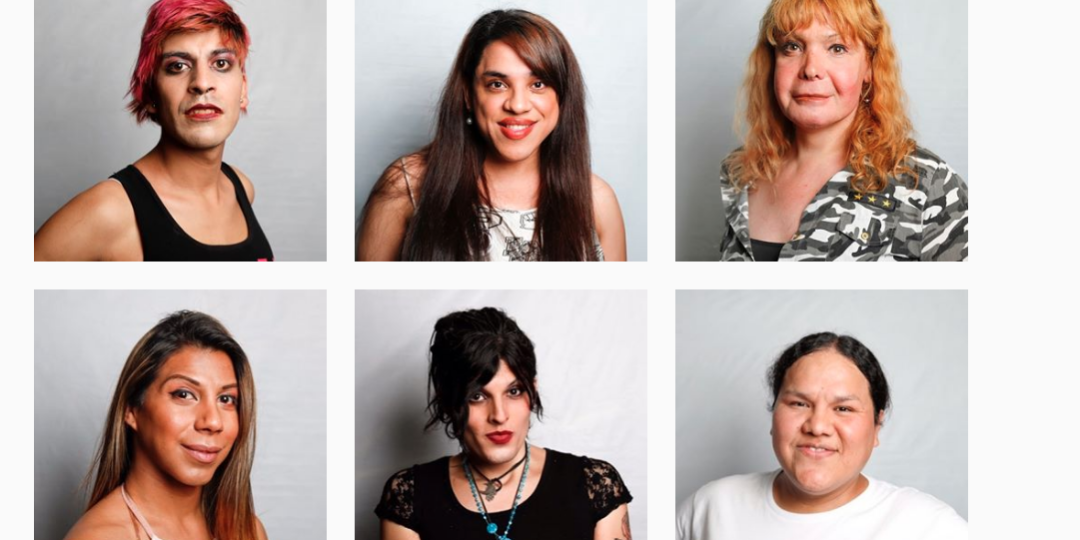
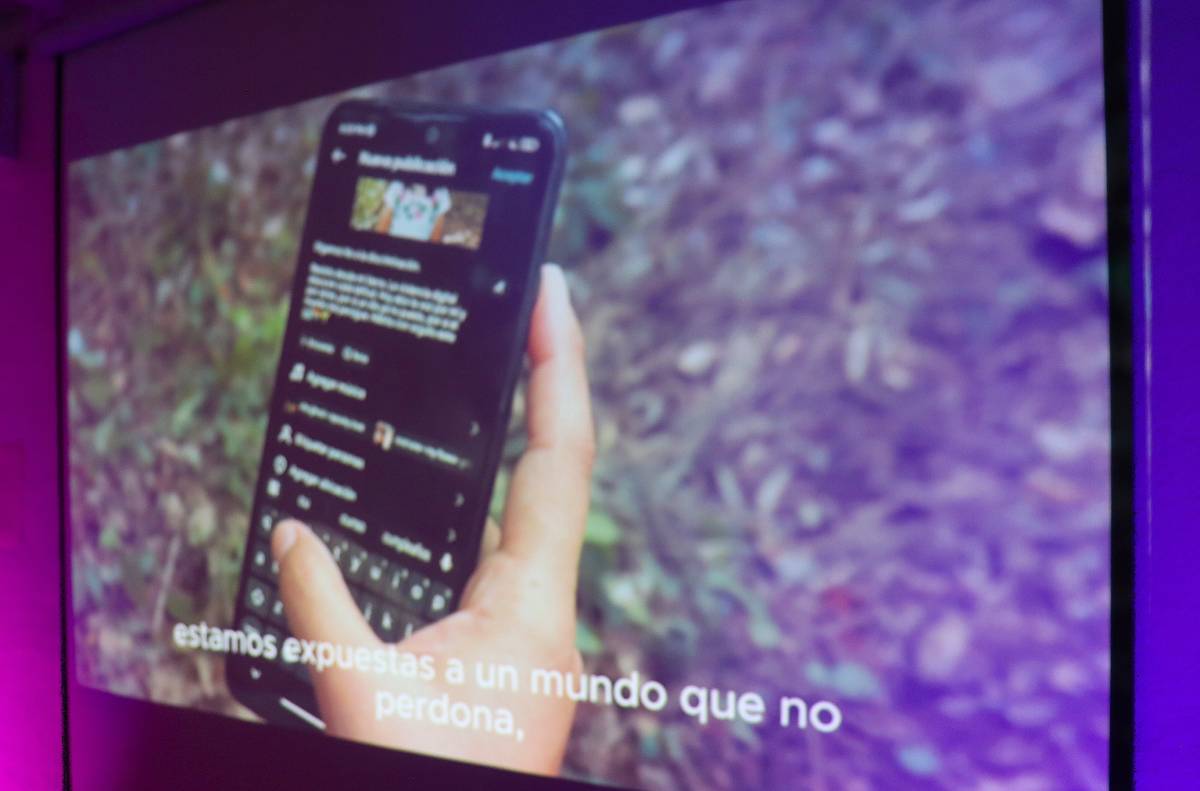
Aware of this situation and certain that the trans population has urgent needs and so much to offer, communicator and trans activist Valeria Licciardi launched a campaign this year called "Trans Women Do It Better." Its goal is to highlight the work and abilities of her trans peers. The campaign has evolved into a job board using social media as its platform. And while continuing to advocate for a public policy of trans and travesti employment quotas, it shares job postings.
From the Instagram account of her underwear business for transvestites and trans people @soynanasoy, Licciardi posts photos of the girls who join the "work" pool and there they can be contacted.
“The idea is to show society that we’re good at many things. That we’re not just here for prostitution. That’s what Lohana Berkins said when she challenged the notion that everyone considers it legitimate to think we’re good at sex. We launched this job board to tell everyone that we’re also good electricians, photographers, cooks, etc. People who need to hire or fill a job opening can access it and check it out. Nana doesn’t take any percentage of the hiring process. We’re a bridge, and we don’t do this specifically, but we are interested in supporting change through our brand. We’re not waiting for the government anymore; we’re taking action,” says Licciardi. And she warns: “I don’t believe in meritocracy. Society’s question remains the same: Why do they go into prostitution? As if they didn’t know the answer. Perhaps it’s time to ask other kinds of questions: Would you hire a trans person to take care of your child?” Will anything change if there is a transvestite trans person working in customer service?
Creating a resume
One of the first barriers trans people encounter, even before applying for a job, is creating a resume. Even government-run programs, such as the "Trans Job Bank" launched by the Secretariat of Human Rights and Cultural Pluralism in 2017, encourage applicants to send their resumes to an email address. "But creating a resume is something you learn, and most people don't know how or have no work experience," adds Licciardi. "So it's pointless," she explains.
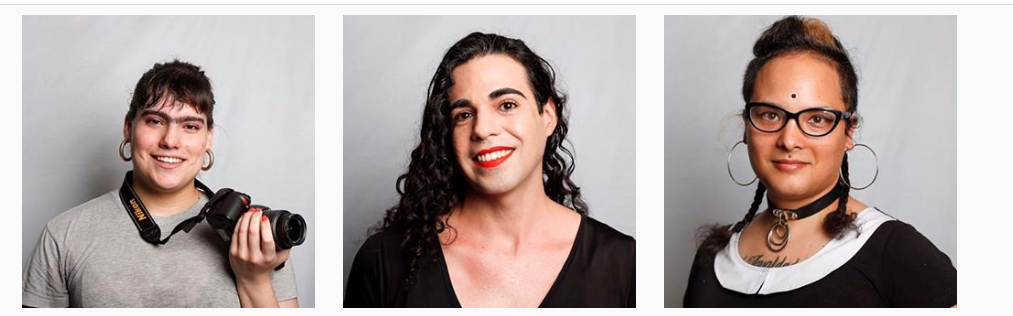
To address this issue, the "Trans Women Do It Better" campaign relied on various initiatives and allies. At Casa Brandon, an LGBTI+ cultural center in Buenos Aires, a workshop was held to share experiences—or the lack thereof—in the world of work and to build support networks. Additionally, a photo shoot for CVs was organized, where Magalí Muñiz, a member of the Trans Memory Archive and aspiring photographer, took the portraits, which can be seen on the campaign's Instagram account alongside job postings. "The portrait experience was fantastic. They trusted me, and the results were excellent. It's also a way to showcase my work," said Muñiz.
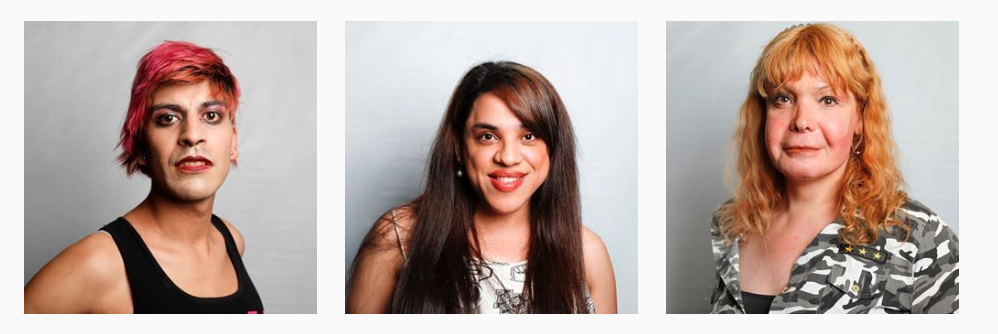
According to Licciardi, the overall response has been very positive and the proposals went viral. "We also receive many requests that we post in our stories, and a very interesting connection has developed, where everyone collaborates. They recommend workplaces with a gender perspective, free training, and workshops."
Profiles that cover a wide range of job demands
Several of the trans people participating in this job bank are trained in trades like electrical work or gardening, and they are the ones who receive the most offers. Solange, an electrician, had to ask that her phone number no longer be shared due to the number of calls she was receiving. They also received an offer from a restaurant in Palermo that offered to train a group of women to join their staff.
Many of the women participating in this job bank would like to work in customer service. One of them is Lara Delmoral: "I have experience in the field as a saleswoman in a clothing store. I have verifiable references. I live in the southern part of the city but I can travel throughout Buenos Aires."
María Florencia also said: "I worked as a receptionist and I would like to work in customer service. I have verifiable references in Buenos Aires City and the province of Salta."

Dolores Guadalupe Olivares, 32, explains that "I would like to work in customer service right away, either as a waitress or a receptionist. I've worked as a domestic worker, a waitress, and I've also cooked. I used to make lunch for Lizzy Tagliani. Then I started studying, and now I'm finishing high school at Mocha Cellis. When I graduate, I'd like to be a Language and Literature teacher so I can teach and help trans and gender-diverse people access education."
The rest of the offers can be found on the Instagram account @soynanasoy where the girls' contact information is also listed.
We are present
We are committed to journalism that delves into the territories and conducts thorough investigations, combined with new technologies and narrative formats. We want the protagonists, their stories, and their struggles to be present.
SUPPORT US

FOLLOW US
Related notes
We are present
This and other stories are not usually on the media agenda. Together we can bring them to light.