

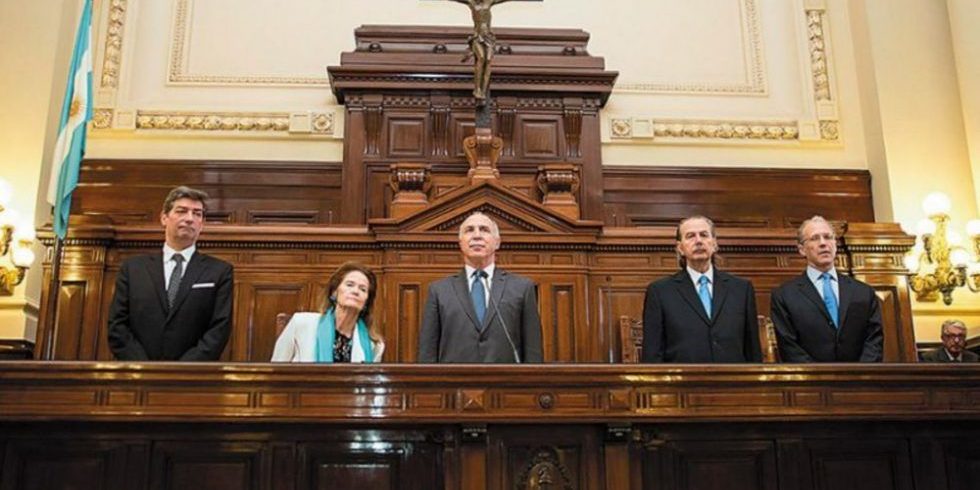
#Salta The Supreme Court declared religious education in public schools unconstitutional
A law that violates the rights of the LGBT community. The law establishes mandatory religious instruction throughout the province: this means it is integrated into the curriculum, taught during class time, and its content and teacher qualifications require the approval of the respective religious authority. Despite the ruling…

Share

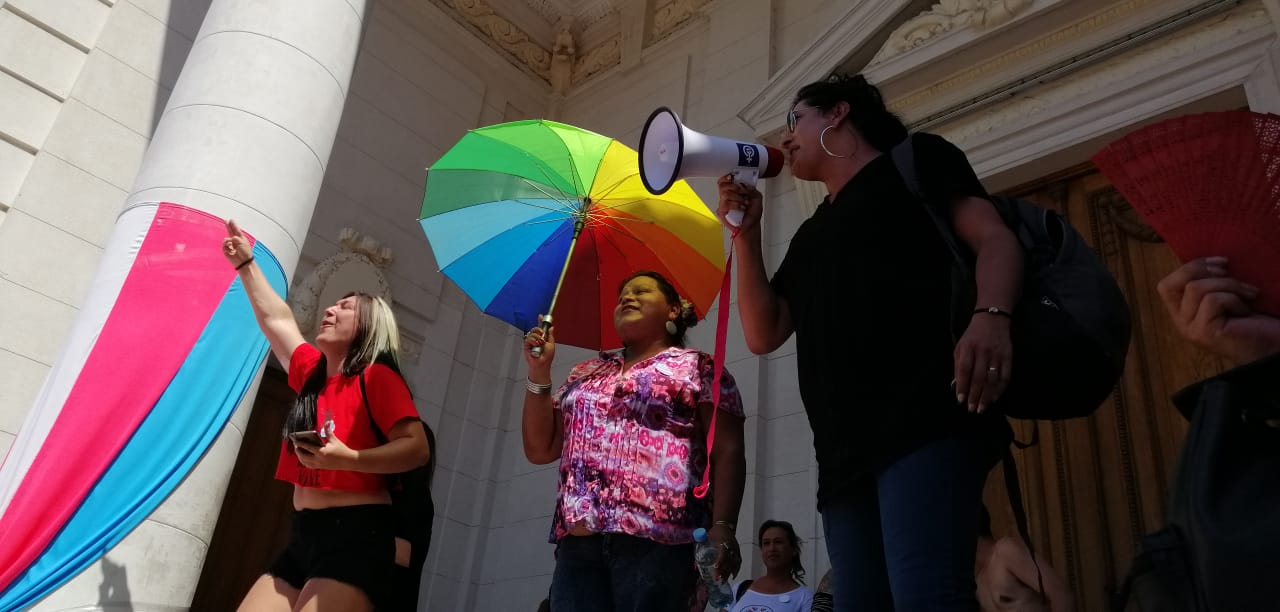
A law that violates the rights of the LGBT community: The law establishes mandatory religious instruction throughout the province. This means it is integrated into the curriculum, taught during school hours, and its content and teacher qualifications require the approval of the respective religious authority. Although the court ruling does not address these issues, many organizations that have challenged the law from the outset argue that religious content in mandatory education violates the right to identity and poses a danger to the LGBTI community.
[READ ALSO Religion in schools in Salta: “It affects us as an LGBTI community]
One of the points in question was Article 49 of the provincial Constitution. This article establishes the right to receive religious education in public schools in accordance with the convictions of the students' parents or guardians. The Court held that this provision is valid because it is consistent with the freedom recognized in human rights treaties of constitutional rank. The Court also declared unconstitutional a provision by the Provincial Directorate of Primary Education that required parents to state whether they wanted their children to receive religious education and, if so, of which faith. The Court considered it “proven that in numerous public schools in the province of Salta, catechism of only one faith (Roman Catholic) is taught and practiced, and this is discriminatory and affects the privacy of students.” Furthermore, the ruling states that “by including religious education during school hours, within the curriculum, and with the endorsement of the respective religious authority, it fosters discriminatory behavior toward children who do not belong to the predominant religious group or any other, thus generating greater inequality.” The debate over the constitutionality of Education Law No. 7546 reached the Supreme Court of Justice two months ago, after seven years of litigation.
[READ ALSO “Aguer’s decree violates the right to education]
]]>Share
We are present
We are committed to journalism that delves into the territories and conducts thorough investigations, combined with new technologies and narrative formats. We want the protagonists, their stories, and their struggles to be present.
SUPPORT US

FOLLOW US
Related notes

We are present
This and other stories are not usually on the media agenda. Together we can bring them to light.