
 Apoyanos
Maite Amaya: el adiós a la guerrera libertaria
Centenares de militantes despidieron y rindieron homenaje a Maite Amaya, la luchadora trans, feminista, piquetera y anarquista cordobesa. Su historia de vida es un inventario de las luchas populares contra el capitalismo y el patriarcado, y un ejemplo de coherencia entre pensamiento y acción.
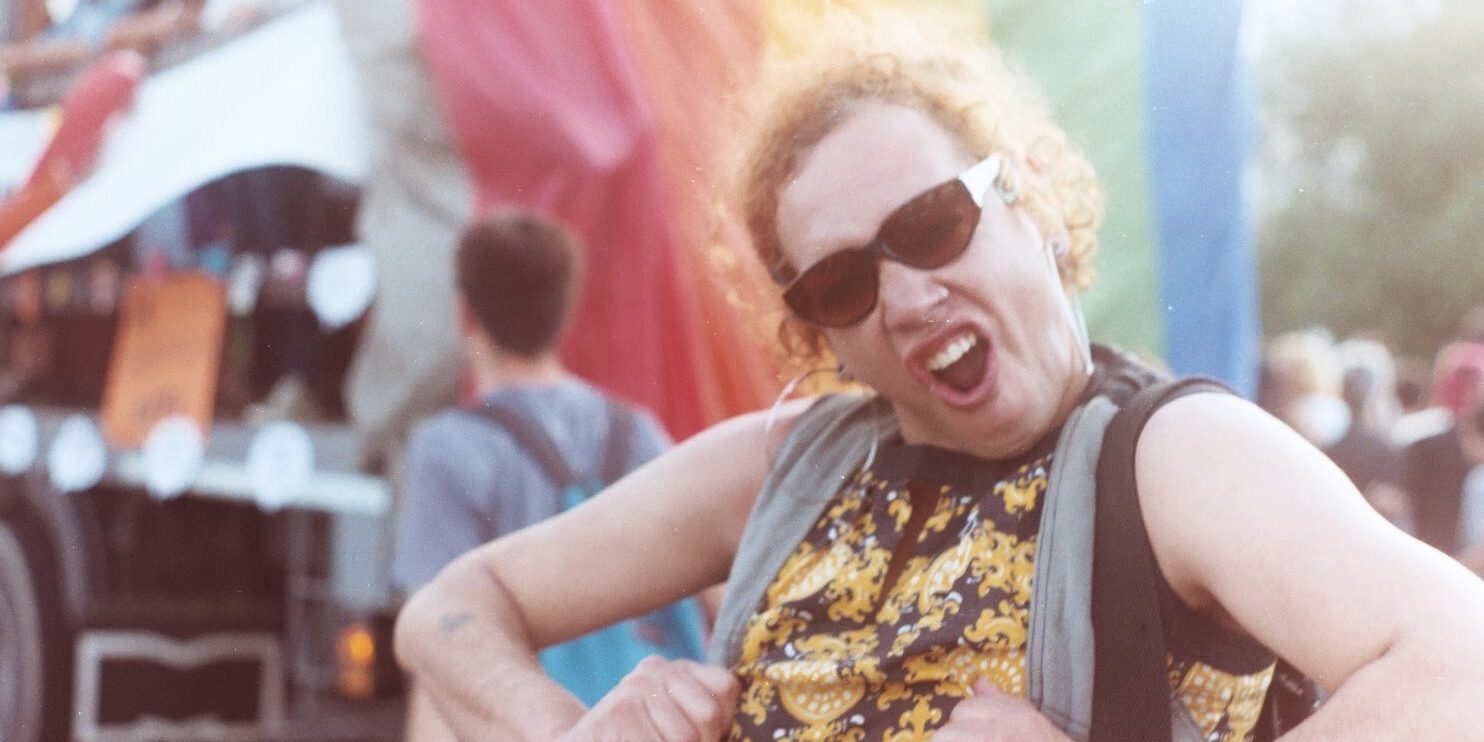


Fotos: Archivo personal, Mati Magnano (apertura) y F.O.B
Ella le ponía el pecho a sus luchas. Con su estatura de casi metro ochenta, cuerpo musculoso y coraje templado en la calle y la cárcel, no dudaba al enfrentar a la policía en una marcha o rescatar de la comisaría a una compañera trans. De piel trigueña, ojos grandes, labios carnosos y sonrisa deslumbrante. Con el pelo afro teñido de cromáticas diversas y un look rockero no exento de glamour, hubiera superado el casting para acompañar y mucho más a Mad Max, el guerrero de la carretera. Eso sí, en una versión libertaria. Eso era Maite Amaya: guerrera y libertaria, como la describen quienes por estas horas no encuentran qué hacer con el dolor de su pérdida. Su sistema inmunológico demolido por el VIH no pudo frenar el virus que se coló en su aparato digestivo y luego de varios días de internación se la llevó, a las 7 de la mañana del martes en el hospital provincial Rawson, donde una silenciosa multitud esperaba el desenlace. “Nuestro primer cuadro político, tanto del anarquismo organizado como del campo popular”, la definieron sus compañeras y compañeros de la Federación de Organizaciones de Base (FOB) Regional Córdoba, al despedirla “con profunda tristeza y dolor”.

Mariposa disidente
Nacida hace 36 años en una familia laburante de barrio Argüello, al norte de la ciudad de Córdoba, desde que en la adolescencia cambió el Juan Matías por Maite transitó muchas carreteras revolucionarias: la causa de los derechos LGBT, “los feminismos” –como gustaba decir- y el anticapitalismo; la denuncia de las violaciones de derechos humanos en las cárceles y la persecución a las trabajadoras sexuales; la luchas piqueteras, villeras y anarquistas. Maite vivía en la Kasa Karakol de barrio General Paz, sede de la FOB y epicentro de la militancia libertaria en Córdoba, donde oficiaba de solidaria anfitriona de todo aquel que necesitara un cobijo o llegara a Córdoba a difundir alguna lucha del pueblo, como las de los zapatistas, familiares de los estudiantes desaparecidos en Ayotzinapa o la guerrilla del Kurdistán (“Guerrera feminista, hermanada con las luchas internacionalistas. Mariposa disidente”, dice el comunicado publicado en http://kurdistanamericalatina.org).
Una luchadora inabarcable
Centenares de personas en varios colectivos acudieron ayer al cementerio parque La Floresta, camino a Alta Gracia, para despedirla con poemas y coplas. De regreso a Córdoba, la celebraron hasta la noche con un tributo a la Pacha Mama en su Kasa Karakol. “Estamos destruidos. Mis hijas se han criado con ella”, dijo a Presentes su amiga y compañera de militancias Natalia Di Marco. “La conozco desde que militaba en Las Histéricas, las Mufas y las Otras, el primer grupo feminista donde participaron compañeras trans. Como luchadora, Maite era inabarcable”, añade Natalia. Su hija, Mica Fernández Di Marco, escribió en el Facebook: “Maite es todo eso que tiene que ponerse en juego al luchar: la alegría, la compañía, el conocimiento construido en la práctica militante colectiva, y compartida hacia nosotrxs. La rabia y la acción concreta y directa ante las injusticias, señalando a los responsables, marcando con claridad al enemigo, siempre dando batalla”.

‘¡Que se curtan los puristas!’
Para Flor Weiss, con quien compartió varios espacios de lucha, Maite “era una topadora, sin parar militando en los espacios más marginados y violentados de nuestra sociedad. Y no era sólo una referente social y líder natural, sino que se comprometía con cada familia de un modo muy personal. Era un pilar para las madres cuyos hijos o hijas fueron asesinados por la policía”. Legisladora del Partido de los Trabajadores Socialistas (PTS), Laura Vilches la conoció en la Coordinadora por Justicia para Natalia “Pepa” Gaitán, una joven asesinada en marzo de 2010 por el padrastro de su novia. “Primero discutíamos mucho porque Maite era muy antipartidos, los consideraba patriarcales y jerárquicos –recuerda-, pero coincidíamos en defender las condiciones de vida de las trans, en el anticapitalismo y el internacionalismo. Luego, cuando a mí me detuvieron durante la lucha contra la 8.113 (ley provincial de Educación), nos terminó de unir la furia anti yuta. Cuando salí de Encausados, ahí estaba. No me olvido más de su abrazo. A pesar de que era anarquista, cuando asumí mi banca me envió un mensaje muy cálido que terminaba con esta frase: ‘¡Que se curtan los puristas!’. Era una hermosa mina”.
“Yo demando ser travesti”
Uno de los grandes amores de Maite fue Laura Pilleri, la travesti que obtuvo su identidad de género estando en una de las cinco cárceles por donde la acompañó: “Nos inscribimos como pareja de lesbianas. Entonces, yo como su concubina podía quedarme en cana con ella los fines de semana”, contó en una entrevista para la muestra La Condesa. Nadie sabe lo que puede un cuerpo. Allí también explicaba que “si vivimos en una sociedad controlada al máximo, totalmente alienada, castigada y vigilada, imagínate lo que es la cárcel. Es una pequeña porción de la torta cómo se evidencia esa opresión, y todo el poder y la impunidad que tienen para responder a un acto de rebeldía”. En una de las entrevistas de este proyecto, Maite también habla del Sida y de la muerte: “No consumo medicación, entonces no tengo médico de cabecera y no me hago análisis, desde aquella época. Entonces, supuestamente ya tendría que ser un fiambre. Pero nadie sabe cuándo va a ser un fiambre. Y todas vamos a ser fiambre, mal que nos pese a algunas”.  El médico y periodista Marcos Ordóñez la entrevistó para su programa Cimientos. Educar en salud, antes de la sanción de la ley de Identidad de Género en 2012. Marcos la rememora “de rostro amable y sincero, con una gestualidad oscilante entre la dureza y la ternura, según el terreno. Con un sentido crítico virtuoso y la capacidad de deconstruír cualquier certeza, desnaturalizaba pensamientos y cultura como un ejercicio constante, incluso con ella misma. Era conjunción de militancia de base y ejercicio intelectual. Ante posiciones conformistas ella redoblaba la apuesta. Transformaba en terreno de lucha cualquier espacio que fuera evidencia de injusticias y desigualdades. Sean los cuerpos, las calles, las villas o los barrios. Se fue tal vez cuando más la necesitamos”.
[LEÉ TAMBIÉN: Un año sin Lohana Berkins, comandanta de las mariposas]
En aquel programa, Maite interpelaba: “¿Dónde están las soluciones para las problemáticas planteadas como fundamentación en la ley? No existen. Si se cambian los paradigmas de existencia y se acaba la violencia contra las personas trans, travestis, transexuales y transgéneros por acceder al nombre, yo digo que de todas las violencias que he padecido y padezco cotidianamente, en ningún momento me piden el documento para acreditar si soy merecedora de la violencia que recibo o no. La recibo igual (…) Si me identifico como travesti hoy, tiene que ver con una posición política de enumerar otra categoría que tiende a cuestionar el binarismo de lectura de los cuerpos (…) Yo demando reconocimiento de la categoría travesti como femineidad posible”.
]]>
Somos Presentes
Apostamos a un periodismo capaz de adentrarse en los territorios y la investigación exhaustiva, aliado a nuevas tecnologías y formatos narrativos. Queremos que lxs protagonistas, sus historias y sus luchas, estén presentes.
APOYANOS

SEGUINOS
Notas relacionadas

Estamos Presentes
Esta y otras historias no suelen estar en la agenda mediática. Entre todes podemos hacerlas presentes.