

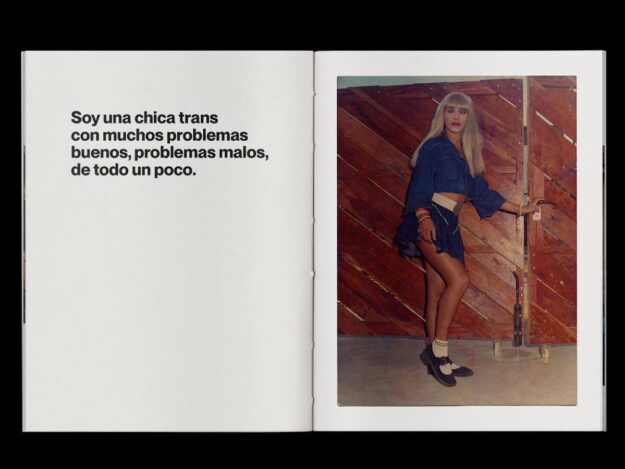
Our codes: a journey to the Trans Memory Archive book
Why the book Our Codes is a contribution to the symbolic and historical construction of trans memory.
 Support us
Why the book Our Codes is a contribution to the symbolic and historical construction of trans memory.
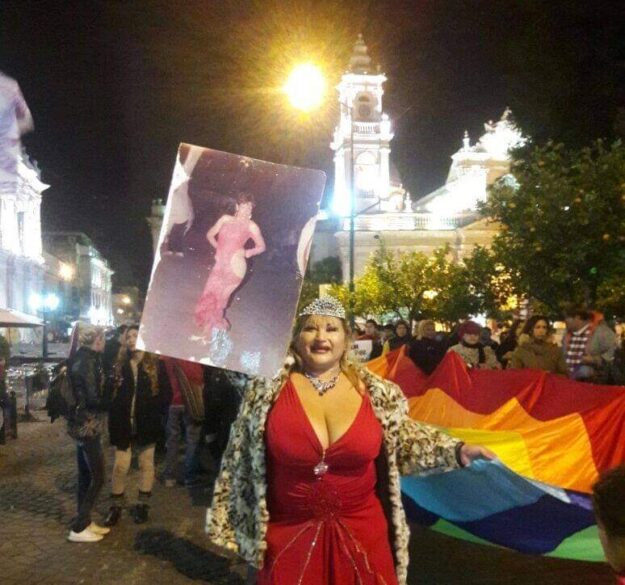
María Pia Ceballos, trans activist and communicator, remembers Pelusa Liendro, founder of the Pride march in Salta, and the trans women and trans people who together with Lohana Berkins are part of the memory of the struggles.

The Trans Memory Archive in Mexico is available online to everyone. "We want it to be educational, informative, and to preserve the memory of everything that happened."
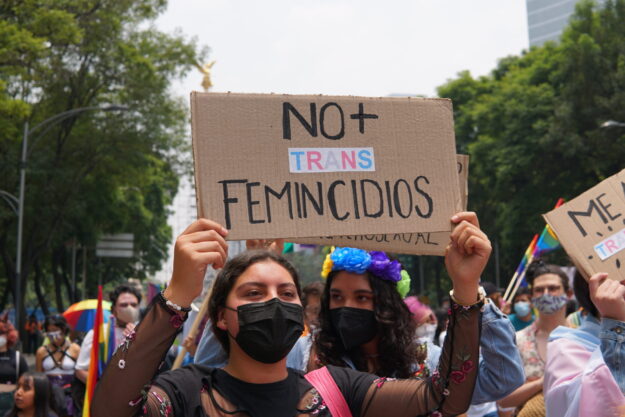
Every November 20th, International Transgender Day of Remembrance or Trans Memory Day is commemorated, a day to honor all trans, non-binary and gender non-conforming people who were murdered because of prejudice.

Victoria Stéfano, a trans communicator, writes: “We shipped her with Diego Maradona, we sat her at Mirtha's table, we saw her naked, angelic, unattainable. We desired her secretly and openly, and we burned her at the stake of transphobia and HIV/AIDS in the 90s. The trans girlfriend of Argentinians. The incomparable. The Mare. Cris Miró.”
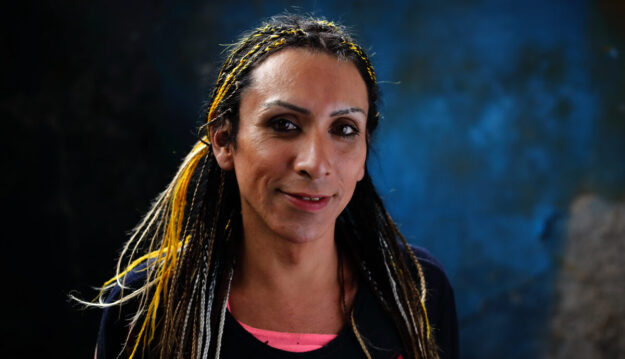
Lourdes Ibarra was 36 years old. A defender of transgender rights, she died in the Palpalá hospital, where she had been mistreated so many times and where she had worked tirelessly against discrimination. She was honored yesterday with a communal meal and criticism of the Jujuy provincial government. The police attempted to issue her a citation for the ceremony.
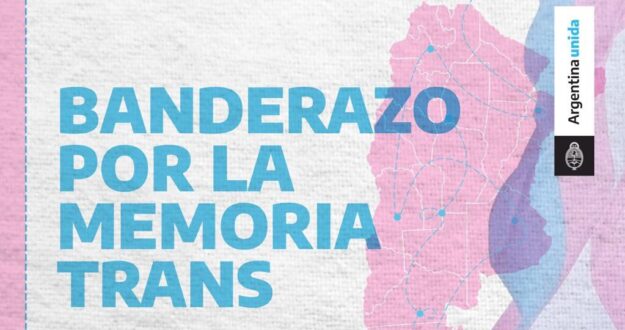
In an initiative promoted by the Trans Memory Archive, an immense pink, white and light blue flag will travel the country to reach the Memory and Human Rights Space (former ESMA) in the city of Buenos Aires on November 20, International Trans Day of Remembrance.
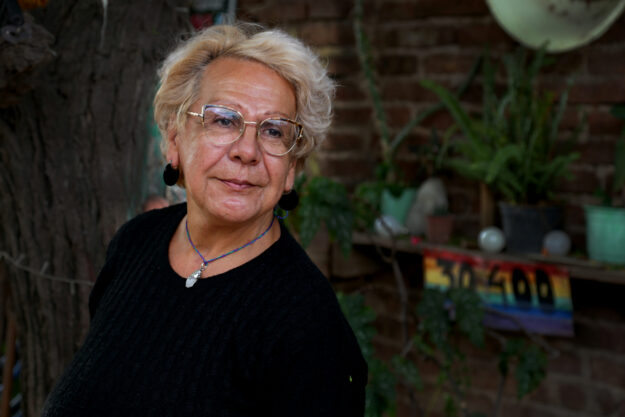
The trans activist and survivor of the dictatorship was “detained” days ago in Córdoba by an arrest warrant from 1988, based on a contravention code that has not existed since 2016 and an article repealed in 1994.
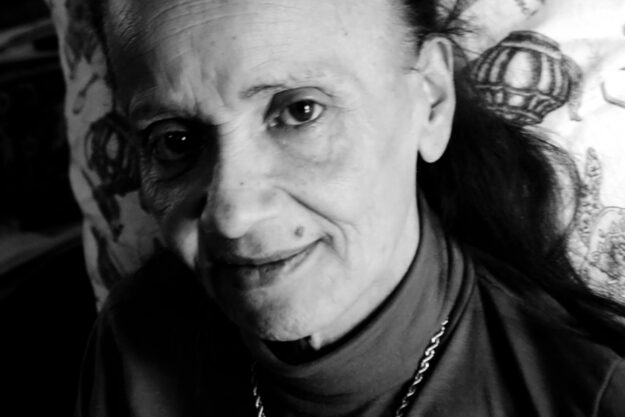
Her colleagues explain why Marina Quintero (1962-2020) was a historic trans activist in Santa Fe. A memoir and profile of one of the mentors of historical reparations.
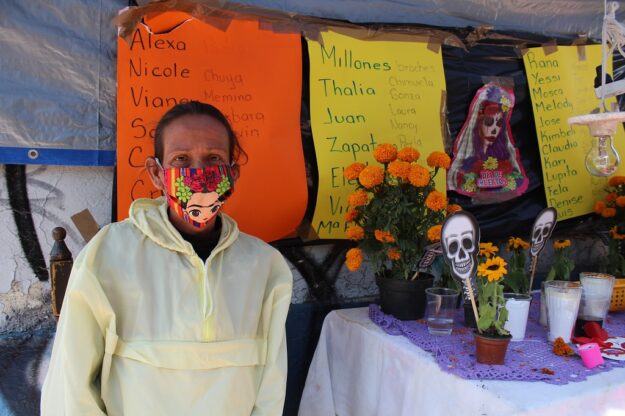
On November 2nd in Mexico City, three offerings were made in memory of sex workers who were victims of violence or HIV-related illnesses, and of LGBT people murdered in the country.