


“The Afro rights movement was born with pioneering women who went to knock on the doors of the State.”
Activist and visual artist María Gabriela Pérez highlights the importance of Afro-Colombian women in the independence struggle and
 Support us
Activist and visual artist María Gabriela Pérez highlights the importance of Afro-Colombian women in the independence struggle and
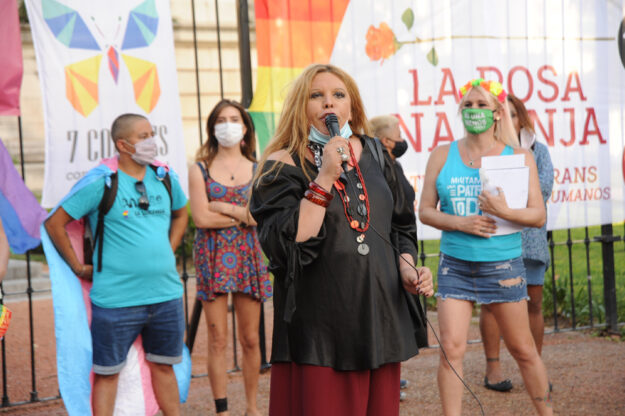
Trans activist Marcela Tobaldi reflects on the living conditions of her companions, the practice of prostitution, and the debts owed by the State in a country like Argentina where progress has been made in laws and policies, but the reality remains genocidal for this population.
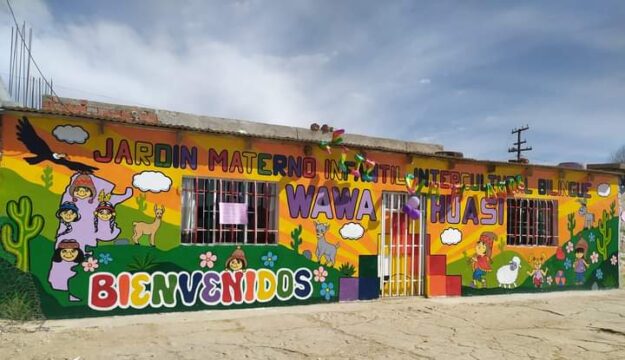
In La Quiaca, the only bilingual community kindergarten in the country operates: they teach in both Spanish and Quechua. The Jujuy government refuses to officially recognize it.
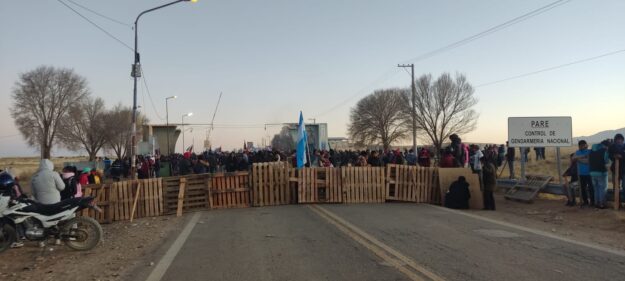
In the Puna and Quebrada regions, ceremonies were held on Wednesday to celebrate the Andean year Inti Raymi, in honor of the Sun God. In the capital, the Torchlight March took place.

The multifaceted Uruguayan artist released "Guazatumba", his fourth album, now available on streaming platforms.
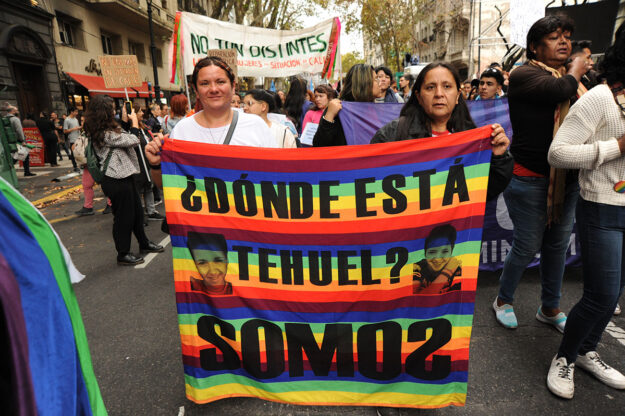
Their goal is to highlight the "improper performance" of the Judiciary, which they say "reproduces patriarchal practices and logic." They will launch their campaign next Thursday, June 15th.
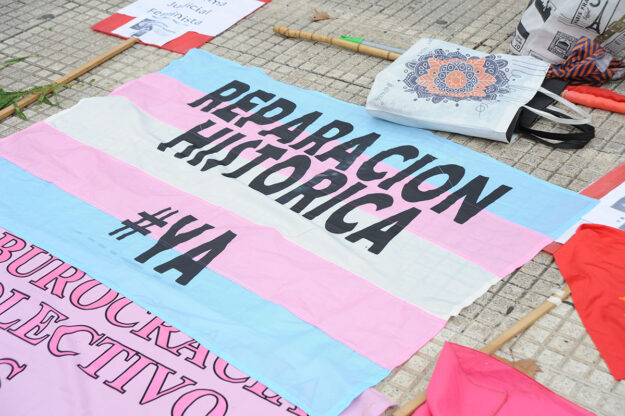
The speeches that were heard on Wednesday, May 24, on the historic day that took place in the Chamber of Deputies to talk about the bills for trans and travesti reparation.
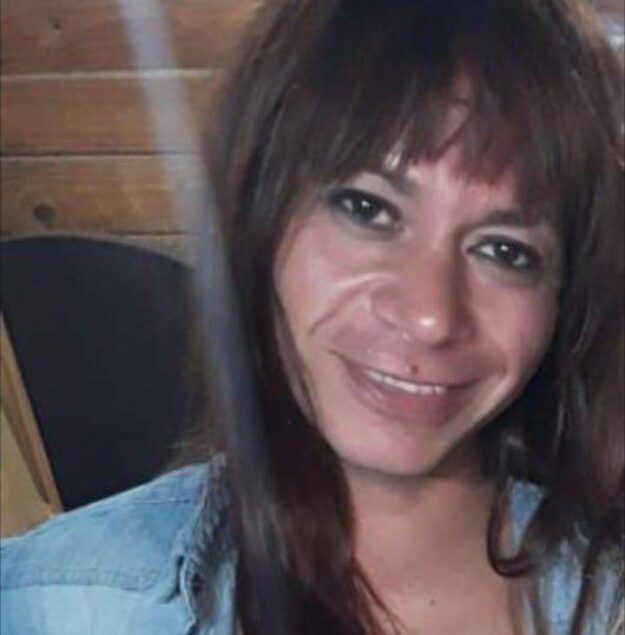
Three weeks after her death in a police station in Buenos Aires Province, Sofía Fernández's family still doesn't know what happened. Sofía was 39 years old and wanted to be a nurse.
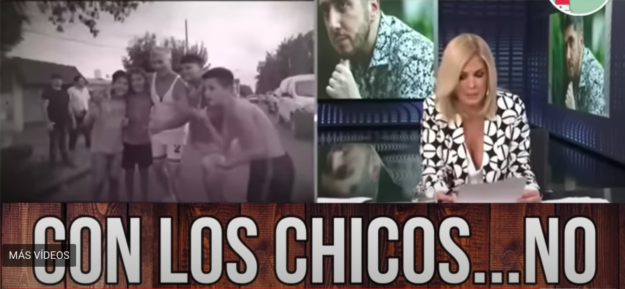
“Those who are outraged by abusers are often the same ones who refuse to have comprehensive sex education implemented in their children’s schools,” says Franco Torchia.
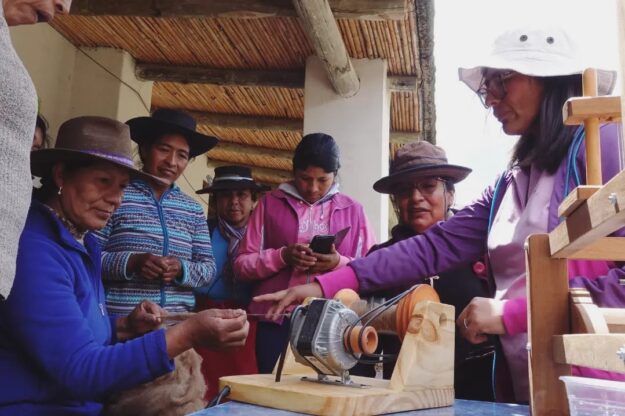
A group of twenty Kolla women, "Las Warmis" from Nazareno, Salta, came together to recover ancestral weavings as a way to build memory, political organization and future.