

Five pieces of good news about HIV from the Rio Conference
Never before has there been so much scientific innovation in the treatment and prevention of HIV. However, "innovation without access is injustice" was one of the recurring themes at the International AIDS Conference in Rio de Janeiro.



Share

For six days, the pavilions of Riocentro in Rio de Janeiro became the epicenter of progress, achievements, challenges, and shortcomings: the present and future of HIV, at the International AIDS Conference organized by the IAS (International AIDS Society). Amid expert panels, innovative activist experiences, scientific posters, public policy debates, and tensions with industry, one idea permeated the sessions: science is advancing faster than access to new prevention and treatment technologies.

One of the best pieces of news—a common theme throughout the more than 150 sessions held under the theme " Rethink, Rebuild, and Move Forward"—was that we are experiencing a moment of enormous scientific progress. Never before in the world have there been such significant and innovative advances in the treatment and prevention of HIV. This was explained in a press conference with journalists by Brazilian infectious disease specialist Beatriz Grinsztejn, president of the International AIDS Society (IAS). The researcher highlighted, as would others who spoke throughout the week, a kind of disconnect between these scientific advances and the challenge of access. This disconnect stems, in part, from the drastic cuts to health programs implemented by the United States and many right-wing governments. On the other hand, due to the intellectual property barriers imposed by patents that continue to limit access in Latin America, “Today, the priorities are to ensure that people can maintain their treatment and receive prevention tools, whoever they are and wherever they live. At IAS, this is one of our main missions: to truly work on access and facilitate it. Our conference is an incredible platform for addressing these discussions,” he said.
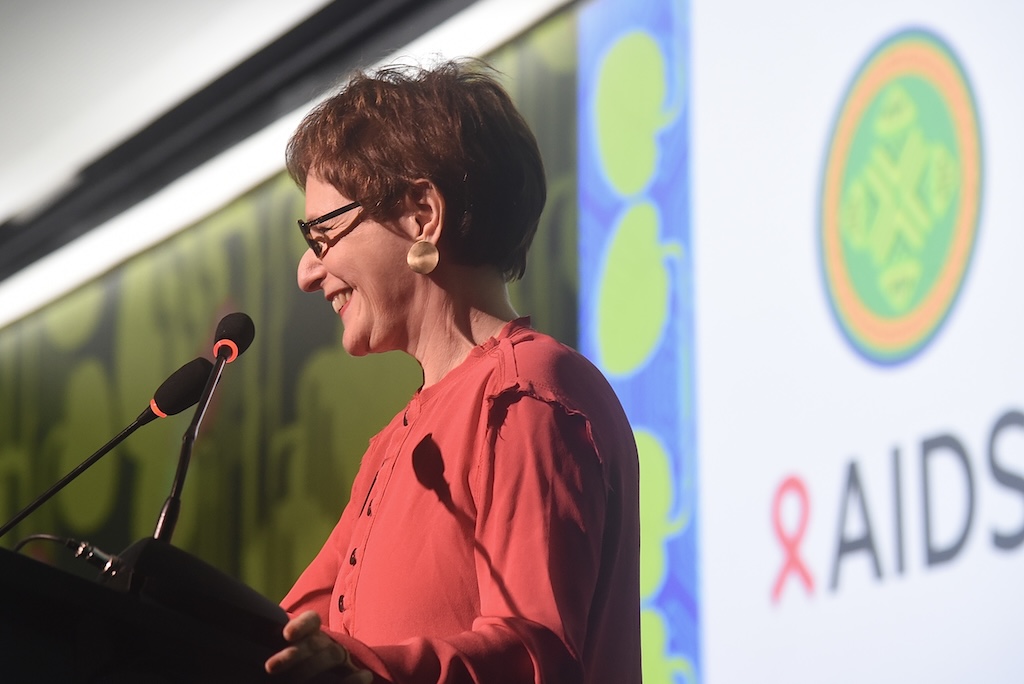
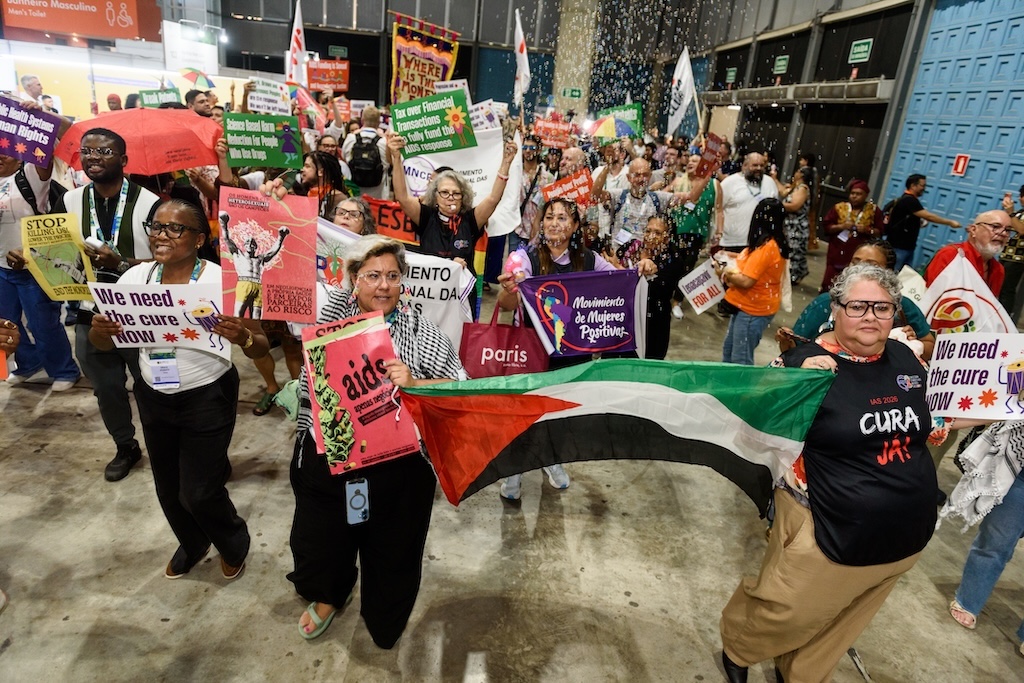
Presentes was participating and covering the event from the various spaces set up at Riocentro, the venue for the Conference. There, a Global Village was set up with 220 activities stemming from the experiences and voices of activists, and a science pavilion where researchers in the exact and social sciences and activists presented their illustrated posters (more than 2,400!) daily, showcasing their findings and experiences. There was also a space reserved for talks and conferences.
In this note we want to share five good news stories about HIV and AIDS that resonated strongly at the Conference in Rio de Janeiro, between July 26 and 31.
1-The Kansas patient
The IAS keeps a list of people in remission from HIV, meaning they have managed to control the virus, and in recent times two more cases have been added.
Experts prefer to speak of remission rather than a cure, because they warn: there is still no universal cure for HIV.
Studies on two new patients were reported by Christian Gaebler, professor at Charité Universitätsmedizin Berlin and director of the transnational laboratory of Immunology for Viral Infections, at the pre-conference “Cure for HIV Without Borders.” The scientist cautioned that these are exceptional cases and encouraged further research into them.
The cases were expanded upon in another session of the conference, where researchers from the University of Kansas Medical Center provided more details about a 21-year-old man from that city, diagnosed with HIV and aggressive leukemia. As a result of the leukemia, he received a stem cell transplant. He has been off antiretroviral medication for 14 months, and his viral load is undetectable.
The scientific case was presented in the session "Cure and Control." "The Kansas City patient is in remission from HIV after a CCR5Δ32 stem cell transplant, as well as the promising initial prospects of N-803, a next-generation immunostimulant, to reduce the intact HIV reservoir," the researchers explained. The other patient in remission, the twelfth, is known as Ascent and, in addition to living with HIV, had hepatitis B. As a result, he received stem cells. He has been off antiretrovirals for a year and also maintains an undetectable viral load. Although transplants are very complex procedures and present other types of risks, which make them unfeasible as a universal cure strategy, each case renews the hope of finding research keys to achieving one.
2- More modern prevention and treatment technologies: their challenges

In the field of prevention and treatment, several of the most important achievements of recent years have been made. For months now, simpler and less frequent administration regimens have been available to protect against HIV, such as Lenacapavir injections twice a year or its weekly combination with Islatravir. These advances facilitate adherence and are less emotionally taxing than daily medications. Studies analyzed at the Conference confirmed the preference for long-acting treatments over daily pills. The qualitative studies shared cited, among the reasons, "convenience, reduced stigma, and a lighter pill burden."
Among the Conference's conclusions, the reports highlighting the impressive effectiveness over the past two years of HIV prevention with long-acting injections (lenacapavir twice a year) stand out. And the options continue to expand: "Models demonstrated that Merck's oral MK-8527, administered monthly, could be mass-produced for US$15 per person per year ; and the dapivirine vaginal ring offers a monthly, woman-controlled alternative," the conclusions report states.
The Conference also reported the first results of the ISLEND-1 and ISLEND-2 of weekly oral islatravir/lenacapavir treatment, which was shown to be “effective and well tolerated in people with HIV with undetectable viral load.”
Why Latin America doesn't have access
The bad news is that in Latin America, these innovations are not accessible.
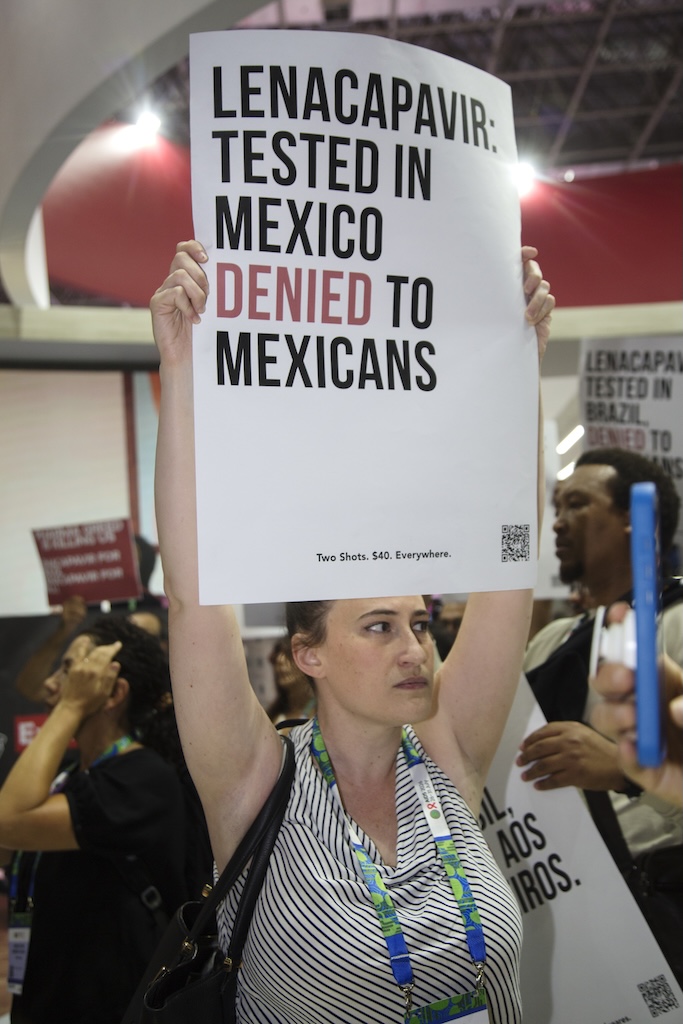
“It’s very sad that, with these new technologies, we’re seeing very little progress in the number of people gaining access. So even for those countries that have purchase agreements at very low prices, delivery remains very small. And we hope this will increase in the coming year. But so far, we’re not as far along as we could be,” said Grinsztejn.
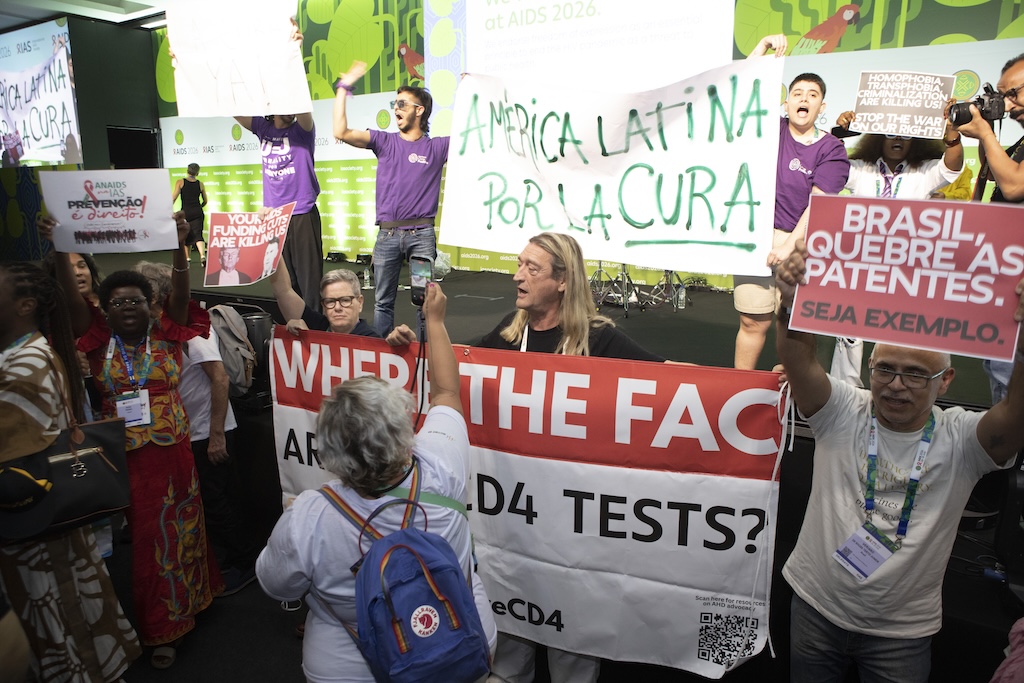
“Innovation without access is not innovation, it’s injustice.” This was stated by Brazil’s Minister of Health, Alexandre Padilha, and echoed by many throughout the week. Padilha reported on a series of pending agreements to integrate long-acting cabotegravir and the production of long-acting prophylaxis into the country’s healthcare system, reiterating that it is based on a rights-based paradigm. Both the minister and activists across Latin America have repeatedly denounced the fact that, despite Brazil, Argentina, Mexico, and Peru having hosted trials and tests of lenacapavir, they currently lack access to these medications, which are controlled by those who manufacture and sell them at exorbitant prices.
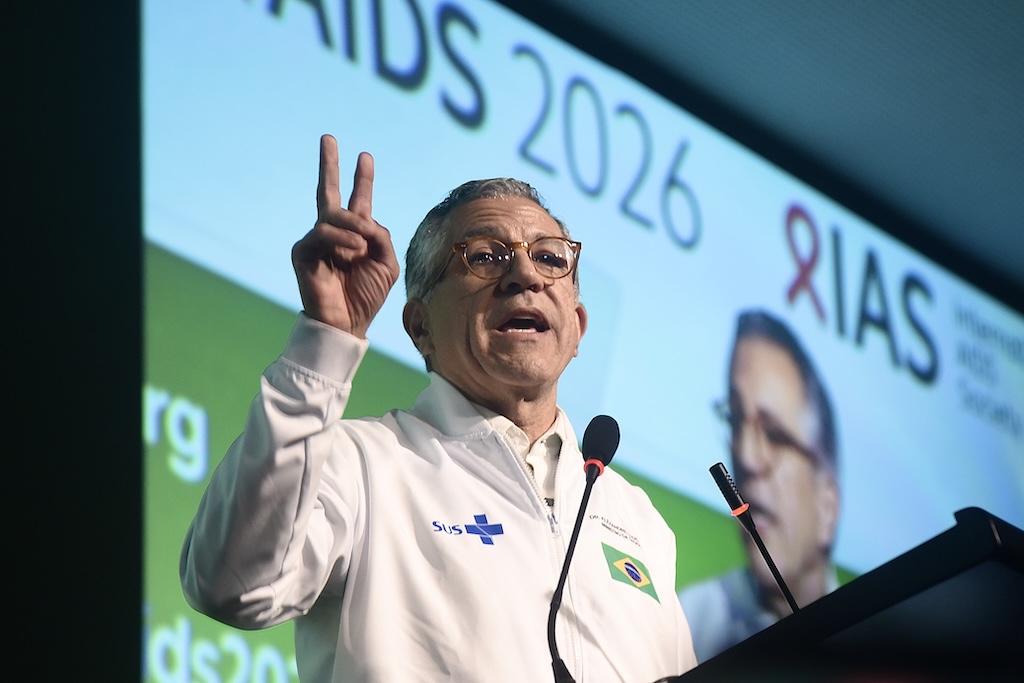
“How can it be that Latin America continues to be excluded from licensing life-saving medicines?” asked Winnie Byanyima, UNAIDS Executive Director and UN Under-Secretary-General, during one of the talks. Winnie is a Ugandan-born engineer, politician, and human rights advocate, and co-chair of the People’s Alliance for Medicines.

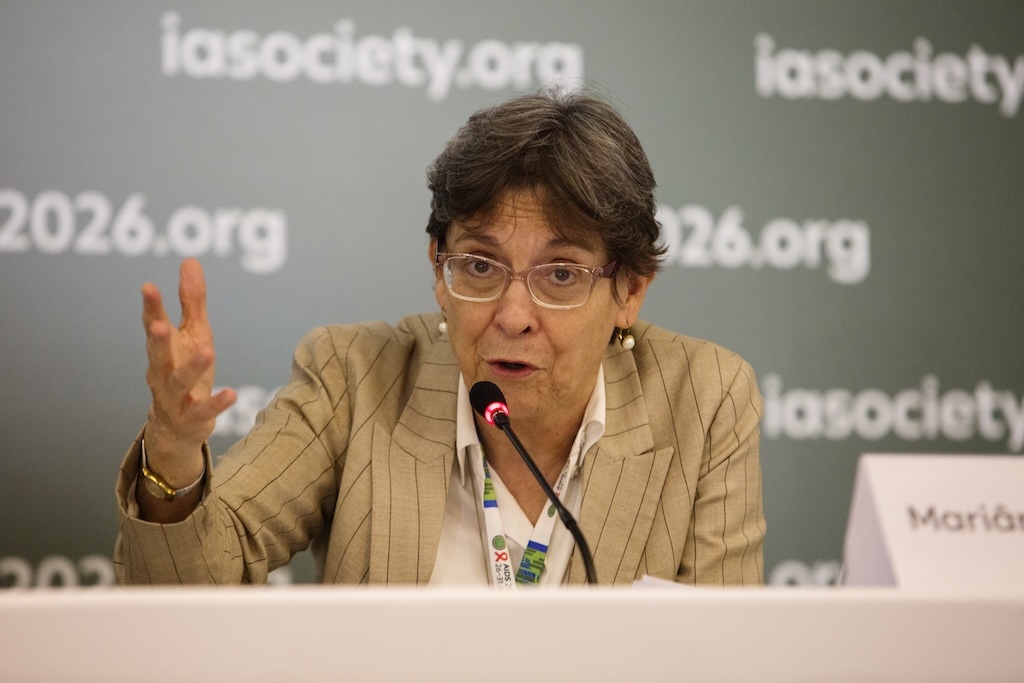
Paraphrasing President Luiz Inácio Lula da Silva, Mariângela Batista Galvão Simão, Secretary of Health and Environmental Surveillance at the Ministry of Health, noted: “The social determinants of disease are a consequence of politics.” She added that it is crucial at this time “that governments make the right decisions.”.
3- The Alliance of the Americas that seeks to eliminate HIV by 2030
At the AIDS 2026 Conference, the Pan American Health Organization (PAHO) launched the Alliance for the Elimination of HIV in the Americas. This regional platform brings together communities, organizations, universities, governments, and public and private sector partners to join forces for the elimination of HIV by 2030. The Alliance integrates PAHO's Disease Elimination Initiative and seeks to expand equitable access to innovation and encourage sustainable investments to accelerate HIV elimination throughout the region.
“The evidence is clear: countries that protect human rights achieve better results in HIV. But at a fragile time when progress is at risk, it is essential to redouble political commitment, accelerate our actions, and strengthen partnerships,” said Luisa Cabal, UNAIDS Regional Director for Latin America and the Caribbean.
Several countries participate in the Alliance; 14 of them are already free of mother-to-child transmission of HIV and syphilis, Brazil being one of them. Theconsortium focuses on three pillars to end HIV: early diagnosis, expansion of long-acting PrEP as a preventive method, and immediate, sustained, and comprehensive treatment.
The Alliance starts from a complex reality. Some of its key points are in the report presented by UNAIDS at this Conference, which says that cuts in international funding, HIV prevention services and community services “risk causing a resurgence of the epidemic.”.
While in the Caribbean the number of people acquiring HIV fell by 30% and AIDS-related deaths decreased by 65% between 2010 and 2025, in Latin America new infections increased by 25% since 2010. Deaths declined in the region, and five countries significantly reduced new infections. The report notes that “in Latin America, three out of four new infections occur among men. Among young people, the picture is mixed: new infections decreased by 12% among young women but increased by 16% among young men. AIDS-related deaths show a gender gap, with a 46% reduction among men compared to a 23% reduction among women between 2010 and 2025.”

4- Progress towards an experimental vaccine
Currently, there is no effective vaccine to eliminate HIV in HIV-positive individuals. The virus's genetic variability is one of the reasons why finding one is so challenging. During the IAS Conference week, the prestigious scientific journal Nature announced the progress of a new experimental vaccine, using a strategy that has proven effective in animals for producing neutralizing antibodies that would train the immune system to target areas of the virus that do not vary. They believe the technique could also work for other viruses, such as Ebola. The Conference also addressed the opportunities that over 40 years of HIV research has opened up for applying this knowledge to other viruses like HIV.
Another breakthrough: the removal of a small segment of the HIV outer protein from a vaccine altered the immune response in a monkey trial. This design will soon be tested in humans. Finally, another trial in mice yielded promising antibody and T-cell responses, which will now proceed to testing in non-human primates.
5- Learning: communities and their rights, at the center

“We innovate by putting people at the center and with the participation of civil society. That is the great innovation everywhere, not just in Brazil,” highlighted Mariângela Batista Galvão Simão.
This idea was present in many scientific panels: science doesn't work in a vacuum, and many of its achievements have been driven by the strength of those living with HIV. The experiences of the movements and organizations that participated in the Global Village are a source of inspiration and transdisciplinary collaboration between art, science, and community. Community leadership is fundamental to achieving eradication.

Luisa Cabal, UNAIDS Regional Director, also highlighted this: “Successful countries will support and promote community leadership at all levels and implement their commitments to human rights and gender equality.”
“Communities must participate in the design and implementation of strategies, as well as in monitoring and promotion.” Cabal recalled that in 2021 they conducted an exploratory review of 279 studies on community-led interventions, which showed that more than 40 beneficial outcomes were linked to community-led prevention, treatment, and care.
Beatriz Grinsztejn emphasized that HIV innovations are the result of decades of scientific investment, collaboration, and commitment, and deserve to be celebrated as essential tools on our path to ending the HIV epidemic. “But I would also like to reiterate that no single intervention can change the course of the epidemic. There is no magic bullet. Successful responses to HIV have always been comprehensive, multisectoral, and people-centered. They are inherently complex because theepidemic itself is determined by complex social, economic, political, and structural factors. The full potential of scientific advances will only be realized when the people who need these innovations most have timely, affordable, and sustainable access to them.”
Coverage of the IAS 2026 Conference in Rio de Janeiro: Lucas Gutierrez and Maria Eugenia Ludueña, special correspondents.
We are present
We are committed to journalism that delves into the territories and conducts thorough investigations, combined with new technologies and narrative formats. We want the protagonists, their stories, and their struggles to be present.
SUPPORT US

FOLLOW US
Related notes

Cannon fodder: the book that recovers silenced stories of transvestites and trans people during the civic-military dictatorship

Lechedevirgen: “Undoing art means restoring its ritual and collective dimension”

Why the trial for the murder of Eldin and Milton could be historic for Guatemala's LGBT community
We are present
This and other stories are not usually on the media agenda. Together we can bring them to light.