

LGBT+ Pride in Mexico City: Between Social Demands and Celebration
The Pride march in Mexico City was marked by demands from various sectors, but also by the presence of police officers who participated in the demonstration for the first time. Protests in the context of the World Cup.


Share

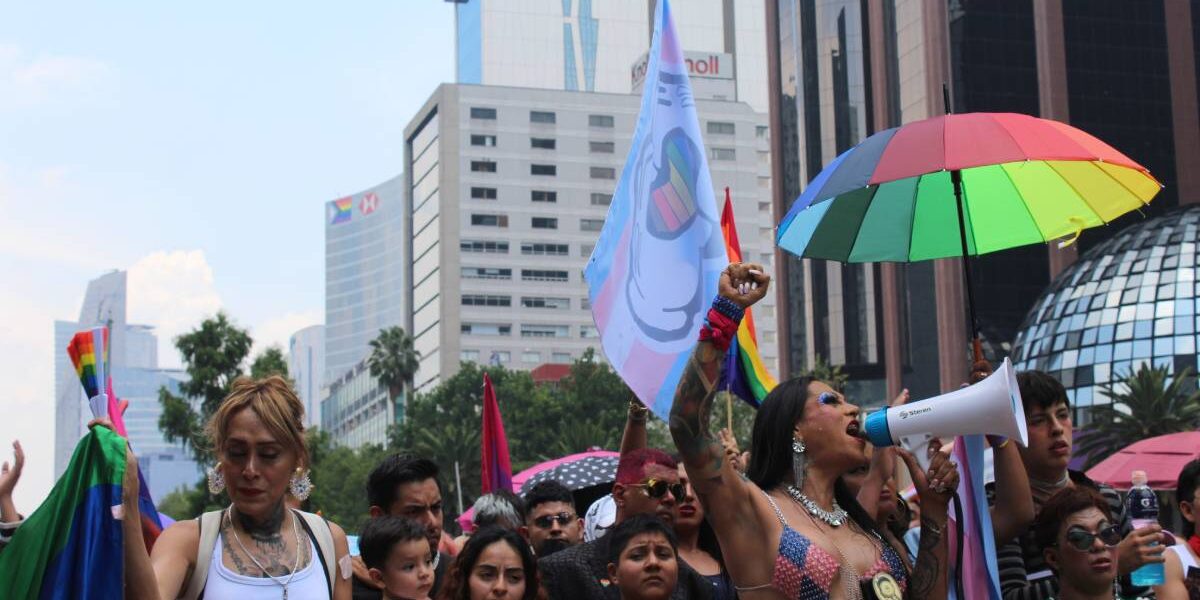
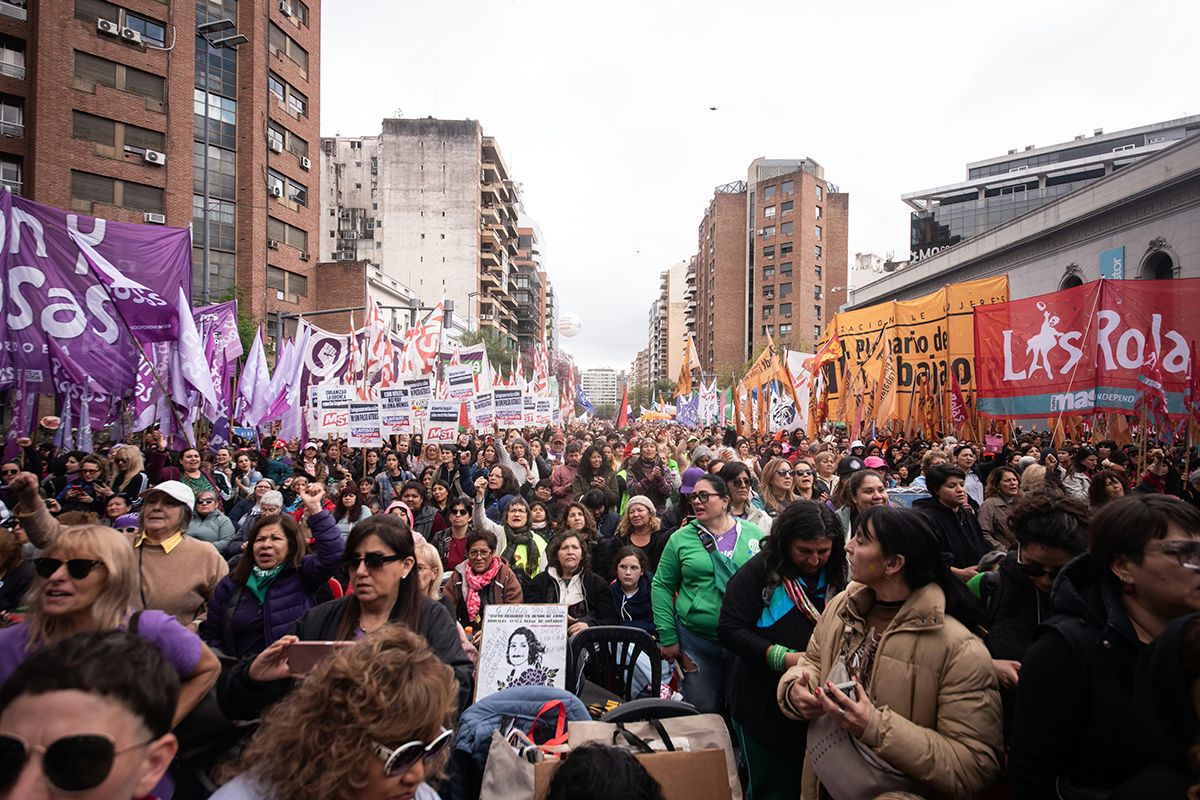
MEXICO CITY, Mexico. This year, the 48th LGBT+ Pride March in Mexico City drew over half a million people. A counter-march , denouncing the crisis of disappearances, genocides worldwide, and particularly the lack of dialogue between federal authorities and trans and non-binary communities regarding a comprehensive trans law.
The Pride march along Reforma Avenue began at the Angel of Independence and concluded at a stage set up in front of the Palace of Fine Arts. This year, unlike previous years, both the route along Reforma and the arrival at the Zócalo were framed by the World Cup atmosphere and a large structure erected for the tournament by the city government and FIFA in the Zócalo.
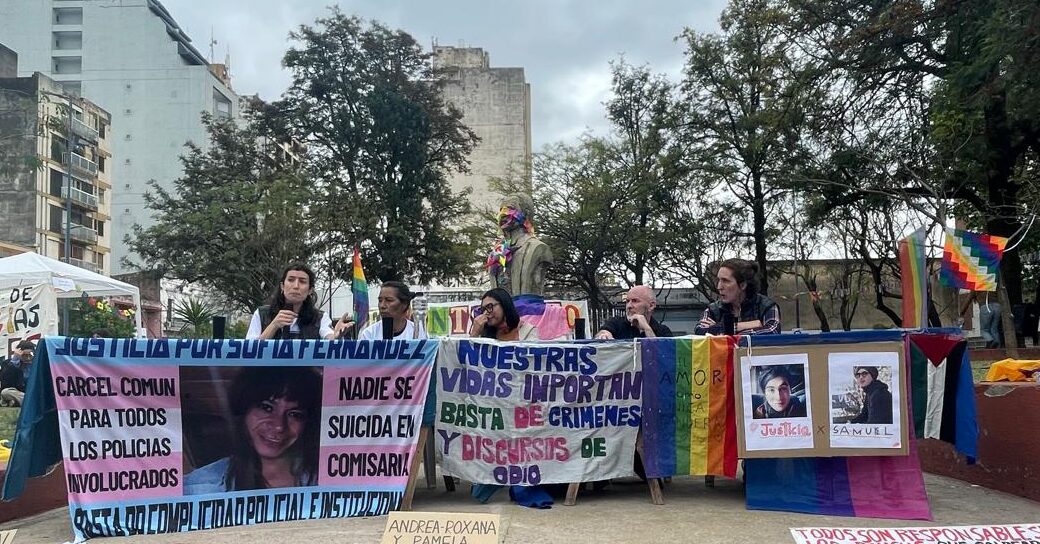
In another part of the city, groups of activists and dissidents marched from Plaza Palestina (Hemiciclo a Juárez) to the Ministry of the Interior (Segob), where they have set up a protest camp. Trans and non-binary people are camped there today, demanding a meeting with the Secretary of the Interior, Rosa Icela Rodríguez.
What they are asking for is a dialogue with her and other authorities given the lack of action from the federal government and the senate to guarantee rights and public policies in favor of this population.
Police encirclement of the counter-protest
At one point along the route, the counter-protest was surrounded by police for over 40 minutes in the sun. The demonstrators were unable to advance and reported hostility from the police, who outnumbered the protesters three to one. The police arrived on motorcycles, and riot police, equipped with batons, helmets, and shields, were also present.
After being stopped for almost an hour, the police allowed the counter-protest to proceed. Upon reaching the Ministry of the Interior (Segob), the police again blocked the avenue where the sit-in was located. There, the protesters organized a street market, a kickball party, a DJ set, and broke open a piñata with the face of the Secretary of the Interior.
While that was happening at the Segob, on Reforma there were allegorical trucks from brands, hotels, embassies and nightclubs where people, including influencers, were dancing to electronic music and throwing condoms to the attendees.
Amidst the buses, a city police vehicle appeared. For the first time, a police truck participated in this march; male and female officers danced and waved LGBT flags, while below, the attendees applauded them as they passed.
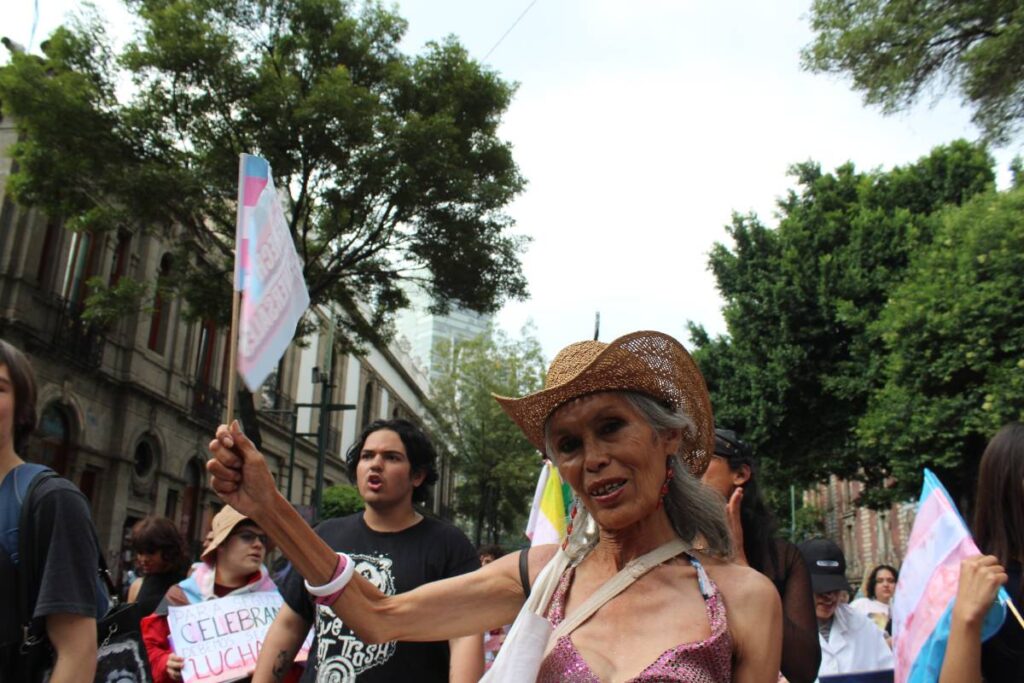
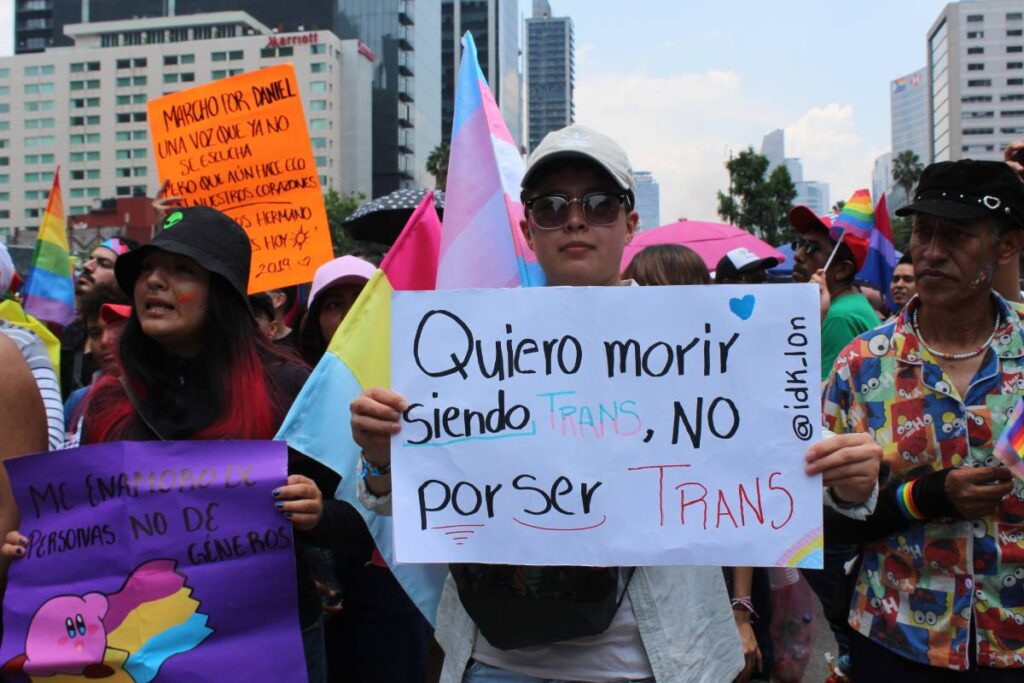
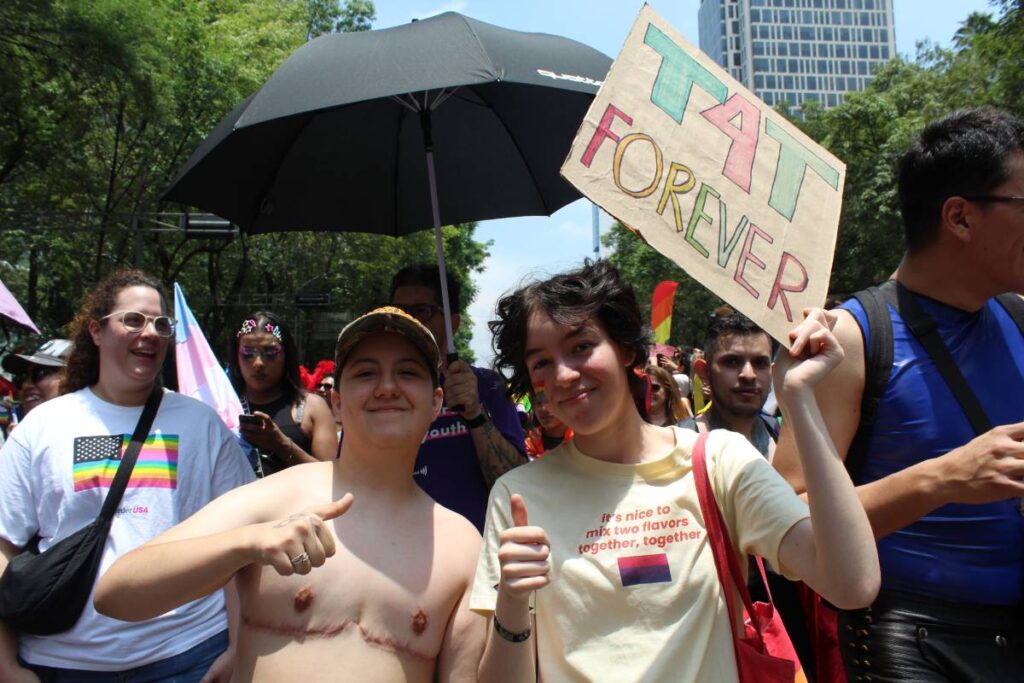
Contingents with demands at the pride march
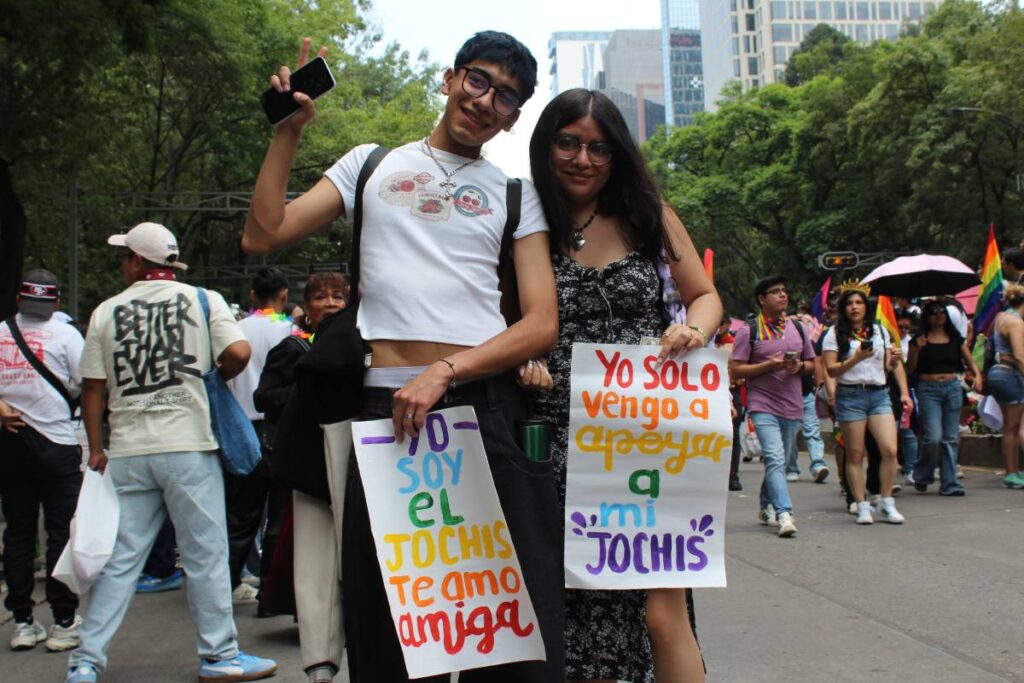
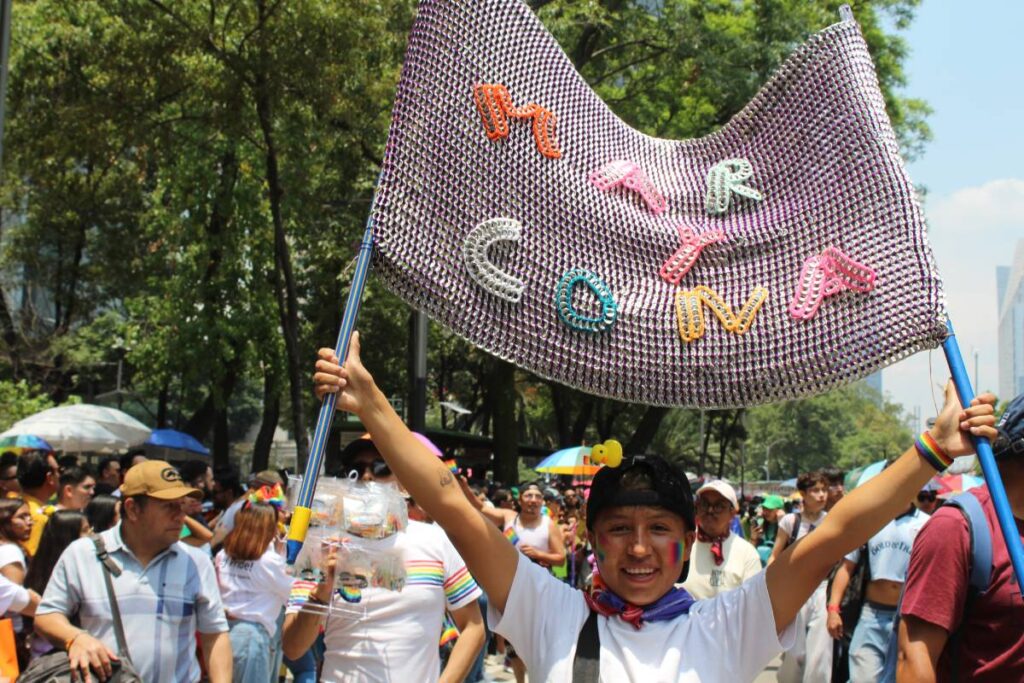
In Reforma, most of the LGBT people who attended had a more celebratory tone than a strong sense of protest. However, some groups did raise outstanding issues, such as disabled people demanding comprehensive sex education that includes them, under the slogan "Disabled people have sex too." The Arcoíris Foundation brought together demands for justice for missing LGBT people and victims of hate crimes. And activist Kenya Cuevas participated with her organization Casa de las Muñecas Tiresias, which called for a minute of silence for the victims of transfemicide.
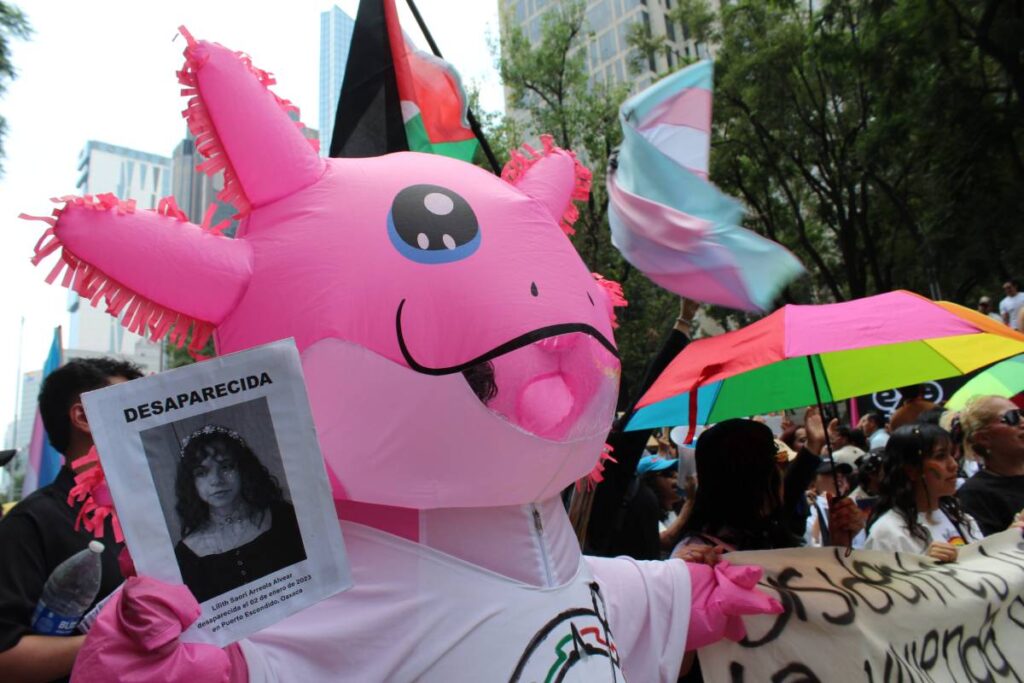
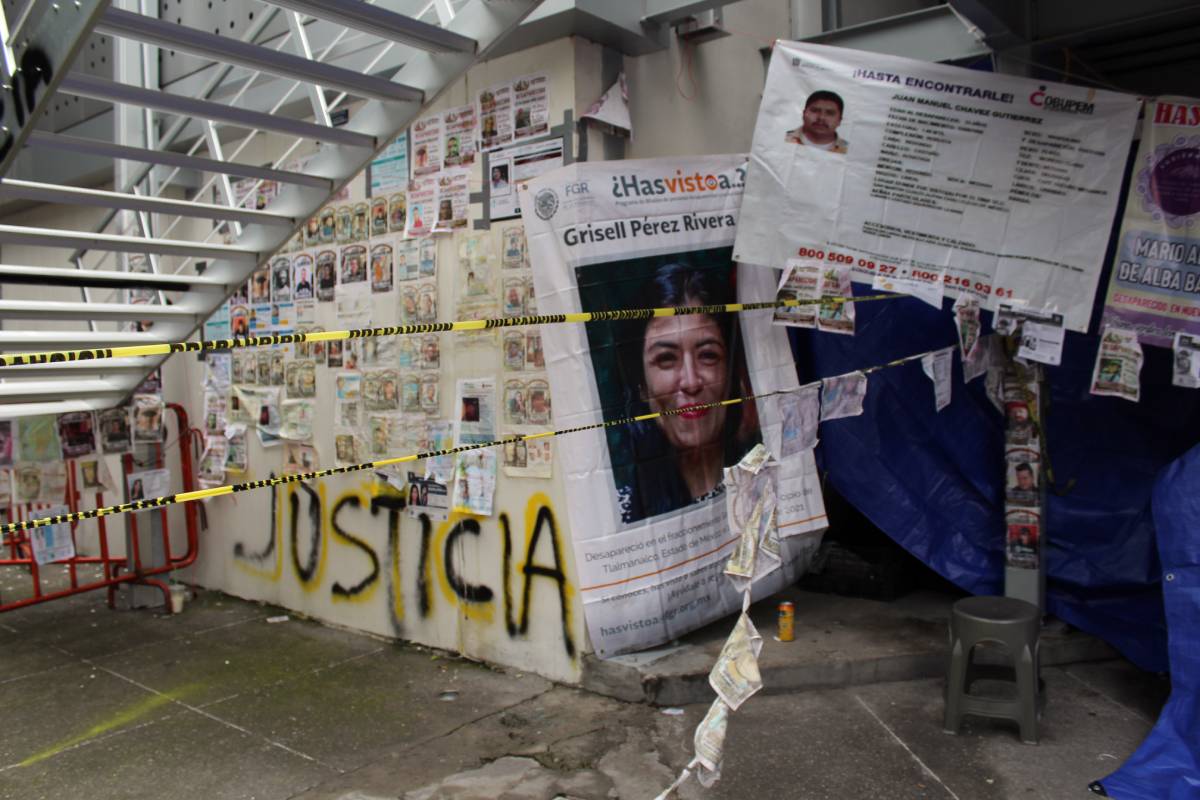
The demand for answers about missing persons in Mexico is more alive than ever. Searchingmothers are using the World Cup platform to bring their stories and demands to light, and during the Pride march, some missing LGBT individuals were displayed along the route to the Zócalo. The main slogan was: “Diversity also disappears,” and their demand is for a differentiated search approach.
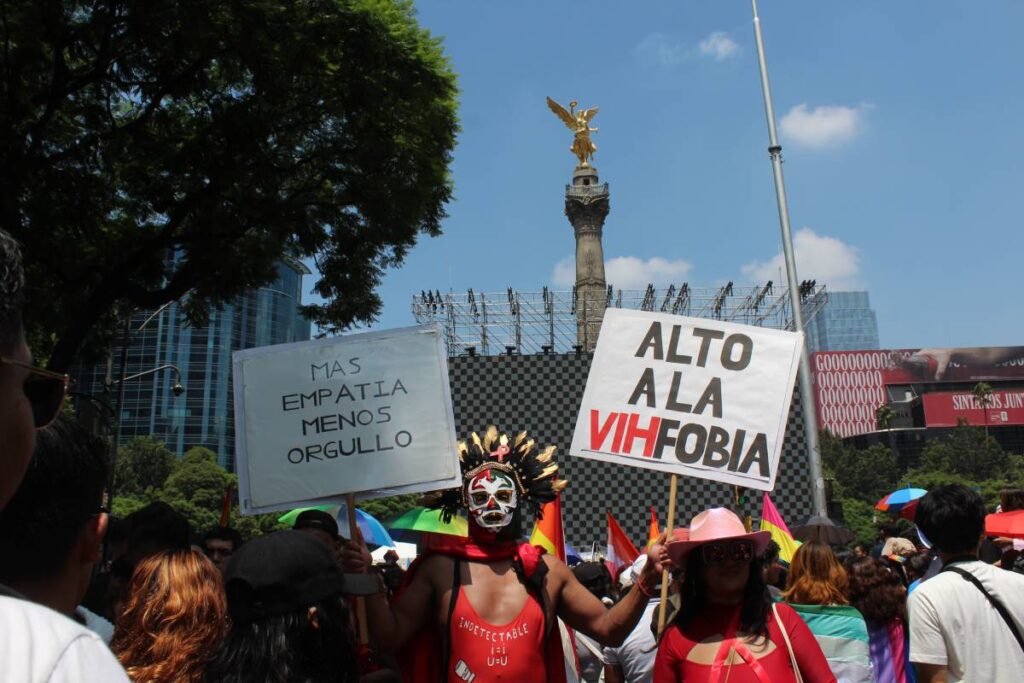
A group of trans families also participated, their main demand being for educational spaces free from discrimination. There were people with signs against HIV/phobia, mothers of LGBT people offering hugs to those without family support, and groups of friends accompanying each other along the route.
The Dissident Contingent, which brings together various collectives, also marched on Reforma Avenue, emphasizing the importance of placing the demands and outstanding issues that the Mexican State still owes to LGBT+ people at the center of public discourse. These issues include the right to health, housing, and employment, and they also highlighted the demand for justice for the disappeared. This group demonstrated wearing pink axolotl costumes that displayed the messages: “Mexico, country of mass graves” and “More than 33,000 disappeared.
The Pride march had at least two closing points: a stage at the Palace of Fine Arts with musical acts and the Zócalo for those who wanted to reach that square despite the installation of screens for the men's World Cup.
We are present
We are committed to journalism that delves into the territories and conducts thorough investigations, combined with new technologies and narrative formats. We want the protagonists, their stories, and their struggles to be present.
SUPPORT US

FOLLOW US
Related notes
We are present
This and other stories are not usually on the media agenda. Together we can bring them to light.